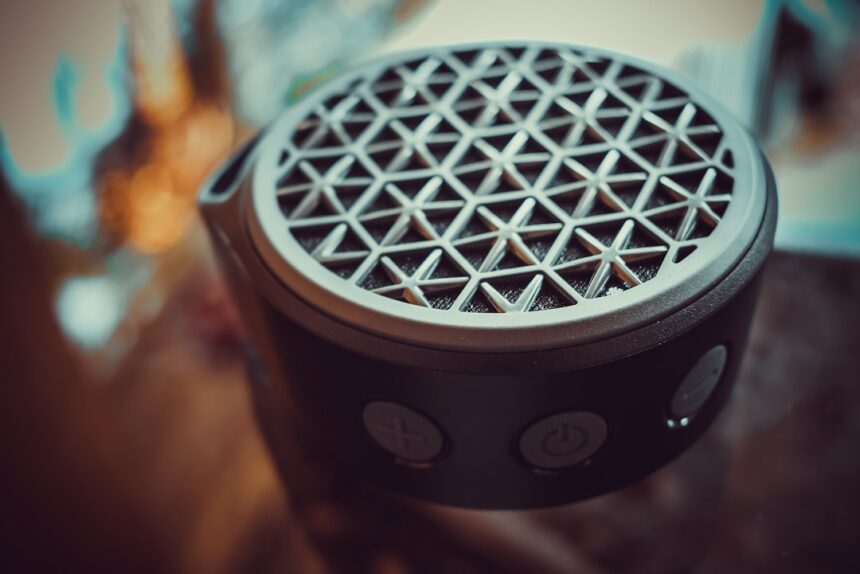
In recent years, smart speakers have become an integral part of many households, transforming the way we interact with technology. These devices, equipped with voice recognition capabilities, allow users to perform a myriad of tasks simply by speaking. From playing music and setting reminders to controlling smart home devices, the convenience they offer is undeniable.
I find myself relying on my smart speaker for everything from checking the weather to managing my daily schedule. The allure of hands-free operation and instant access to information has made these gadgets a staple in modern living. However, as I embrace the convenience of smart speakers, I also recognize that they come with a set of complexities that warrant careful consideration.
The technology behind these devices is fascinating, yet it raises important questions about privacy and security. As I delve deeper into the workings of smart speakers, I am compelled to explore not only their functionality but also the implications of their continuous presence in our lives. Understanding how they operate and the potential risks associated with them is crucial for making informed decisions about their use.
Key Takeaways
- Smart speakers use voice recognition and internet connectivity to perform tasks and respond to commands.
- Continuous recording enables devices to listen for wake words but raises significant privacy concerns.
- Many users are unaware of the extent to which smart speakers record and store audio data.
- Potential risks include unauthorized data access, misuse of personal information, and legal challenges.
- Protecting privacy involves user education, transparent industry practices, and implementing security measures.
How Smart Speakers Work
At the heart of every smart speaker lies sophisticated technology that enables voice recognition and artificial intelligence. When I speak to my device, it captures my voice through built-in microphones, which are designed to pick up sound from various angles. The audio is then processed using advanced algorithms that convert my speech into text.
This transformation allows the device to understand my commands and respond accordingly. The seamless interaction between voice input and machine response is what makes smart speakers so appealing. Moreover, these devices are often connected to the internet, allowing them to access vast databases of information and services.
When I ask my smart speaker a question or request a specific action, it communicates with cloud-based servers that process my request and return the appropriate response. This connectivity not only enhances functionality but also enables integration with other smart home devices, creating a cohesive ecosystem that I can control with my voice. However, this reliance on internet connectivity also raises questions about data transmission and storage, which I must consider as I navigate the world of smart speakers.
Continuous Recording Feature
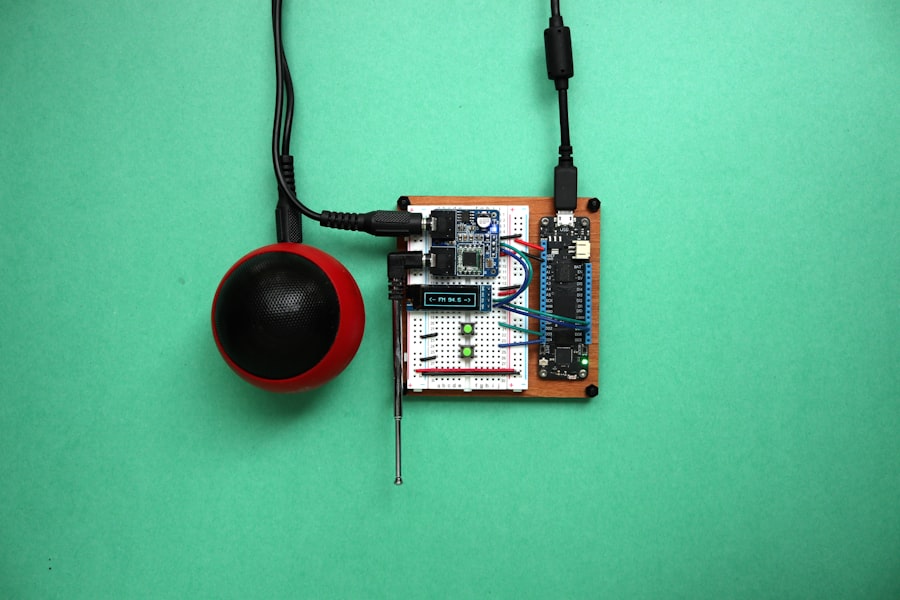
One of the most intriguing yet concerning aspects of smart speakers is their continuous recording feature. While these devices are designed to listen for a wake word—such as “Alexa” or “Hey Google”—they are always in a state of readiness, which means they are constantly processing audio in the background. This feature allows for quick responses when I issue a command, but it also means that snippets of my conversations may be captured unintentionally.
The idea that my device is always listening can be unsettling, as I ponder what happens to that data. The continuous recording capability raises significant questions about user consent and awareness. Many people, including myself, may not fully understand how much information is being collected or how it is used.
While manufacturers often provide assurances about data privacy and security, the reality is that these devices are collecting vast amounts of audio data that could potentially be accessed by third parties. As I reflect on my interactions with my smart speaker, I realize that I must be more vigilant about what I say in its presence.
Privacy Concerns
As I consider the implications of using a smart speaker, privacy concerns loom large in my mind. The notion that my conversations could be recorded and stored raises alarms about personal security and data protection. I often wonder who has access to this information and how it might be used.
Reports of unauthorized access to audio recordings have surfaced, highlighting vulnerabilities in the systems that govern these devices. This reality makes me question whether the convenience of having a smart speaker outweighs the potential risks to my privacy. Furthermore, the data collected by smart speakers can be used for targeted advertising and other commercial purposes.
Companies may analyze my voice interactions to create detailed profiles about my preferences and habits. This level of surveillance can feel invasive, as I grapple with the idea that my personal life is being monitored for profit. As I navigate this landscape, I find myself torn between enjoying the benefits of technology and safeguarding my privacy.
Lack of Awareness
| Metric | Value | Description |
|---|---|---|
| Recording Duration | 72 hours | Time period over which the smart speaker recorded audio |
| Number of Recorded Conversations | 150 | Total conversations captured by the device |
| Percentage of Private Conversations | 35% | Conversations considered sensitive or personal |
| Data Storage Location | Cloud Server | Where the recorded data is stored |
| User Awareness | 0% | Percentage of users aware of continuous recording |
| Device Activation Method | Voice Trigger | How the device starts recording |
| Data Access Requests | 5 | Number of times users requested access to their recordings |
One significant issue surrounding smart speakers is the general lack of awareness among users regarding their functionality and privacy implications. Many people, including myself at times, may purchase these devices without fully understanding how they work or what data they collect. The marketing surrounding smart speakers often emphasizes convenience and innovation while downplaying potential risks.
This lack of transparency can lead to complacency among users who may not take necessary precautions to protect their privacy. As I engage in conversations with friends and family about their experiences with smart speakers, I often find that many share similar sentiments of uncertainty. They may enjoy using their devices but are unaware of the extent to which their data is being collected or how it might be used.
This collective ignorance can create a false sense of security, making it imperative for users like me to seek out information and educate ourselves about the technology we invite into our homes.
Potential Risks
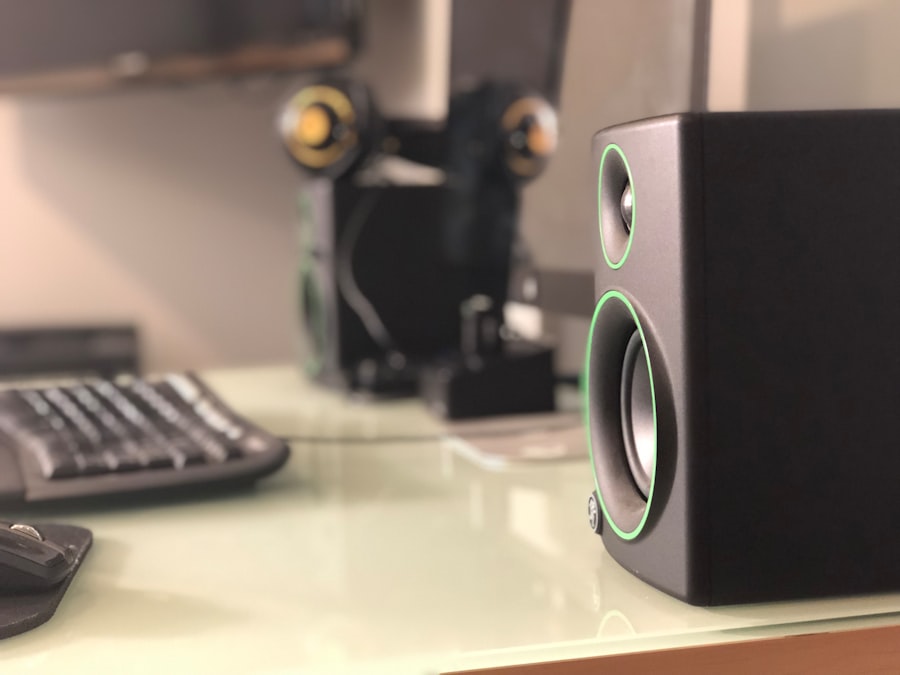
The potential risks associated with smart speakers extend beyond mere privacy concerns; they encompass a range of security vulnerabilities as well. As these devices become more integrated into our daily lives, they also become attractive targets for hackers seeking unauthorized access to personal information. I often think about how easily someone could exploit weaknesses in the system to gain control over my smart home devices or access sensitive data stored in the cloud.
Moreover, there is the risk of accidental activation, where a smart speaker misinterprets background noise or conversations as commands. This can lead to unintended actions being taken or sensitive information being inadvertently shared. As I reflect on my own experiences, I realize that while these devices offer convenience, they also introduce a level of unpredictability that requires careful consideration.
The potential for misuse or malfunction underscores the importance of being aware of the risks involved in using smart speakers.
Legal Implications
The legal landscape surrounding smart speakers is still evolving as lawmakers grapple with issues related to privacy and data protection.
In many jurisdictions, existing laws may not adequately address the unique challenges posed by smart speakers and other connected devices.
For instance, questions arise regarding ownership of recorded data and whether users have the right to access or delete their audio recordings. Additionally, there are concerns about how law enforcement agencies might use data collected by smart speakers in criminal investigations. As I consider these legal implications, it becomes clear that there is a pressing need for comprehensive legislation that protects users’ rights while balancing the interests of technology companies.
Steps to Protect Privacy
Given the myriad privacy concerns associated with smart speakers, it is essential for users like me to take proactive steps to safeguard our personal information. One effective measure is to familiarize myself with the privacy settings available on my device. Most manufacturers provide options to manage data collection and storage preferences, allowing me to limit what information is recorded and retained.
Additionally, I can practice mindfulness when using my smart speaker by being cautious about what I say in its presence. Avoiding sensitive topics or personal information can help mitigate risks associated with accidental recordings. Furthermore, regularly reviewing and deleting stored audio recordings can provide an added layer of protection against unauthorized access.
By taking these steps, I can enjoy the benefits of my smart speaker while minimizing potential privacy breaches.
Industry Response
In response to growing concerns about privacy and security, many companies producing smart speakers have begun implementing measures aimed at enhancing user trust. As I observe these developments, it is encouraging to see manufacturers acknowledging the importance of transparency and user control over data collection practices. Some companies have introduced features that allow users to mute microphones or delete voice recordings more easily.
Moreover, industry leaders are increasingly engaging in discussions about best practices for data protection and privacy standards within the sector.
As I follow these trends, I remain hopeful that ongoing dialogue will lead to improved safeguards for consumers while fostering innovation in technology.
User Education
User education plays a crucial role in addressing privacy concerns associated with smart speakers. As I reflect on my own experiences, I recognize that many users may benefit from resources that explain how these devices work and what steps they can take to protect their privacy. Manufacturers have a responsibility to provide clear information about data collection practices and privacy settings in an accessible manner.
Additionally, community initiatives aimed at raising awareness about digital privacy can empower users like me to make informed decisions regarding technology use. Workshops, online courses, and informational campaigns can help demystify smart speakers and encourage responsible usage practices. By fostering a culture of awareness and education around digital privacy, we can collectively navigate the complexities of technology while safeguarding our personal information.
Conclusion and Recommendations
In conclusion, while smart speakers offer remarkable convenience and functionality, they also present significant challenges related to privacy and security. As I navigate this landscape, it becomes increasingly clear that understanding how these devices work and being aware of potential risks is essential for responsible usage. By taking proactive steps to protect my privacy and staying informed about industry developments, I can enjoy the benefits of technology without compromising my personal information.
I recommend that users familiarize themselves with their device’s privacy settings and regularly review stored data to ensure they maintain control over their information. Additionally, engaging in conversations about digital privacy within our communities can foster greater awareness and understanding among users. Ultimately, as we embrace technological advancements like smart speakers, we must remain vigilant in protecting our privacy while enjoying the conveniences they offer.
In a world where technology often blurs the lines of privacy, the article “She Didn’t Know Our Smart Speaker Was Recording Everything” raises important questions about the implications of smart devices in our homes. For further insights on the topic of privacy and technology, you can read a related article on the subject at this link.
WATCH THIS! 📱 She Didn’t Know Our Smart Speaker Was Recording Everything
FAQs
What is a smart speaker?
A smart speaker is a voice-activated device that uses artificial intelligence to perform tasks such as playing music, providing information, controlling smart home devices, and more.
How do smart speakers record audio?
Smart speakers continuously listen for a wake word or phrase. They record and process audio only after detecting this wake word, but some devices may inadvertently capture background conversations.
Can smart speakers record conversations without permission?
Smart speakers are designed to record only after hearing their wake word. However, there have been instances where devices mistakenly activate and record unintended audio.
Where are the recordings stored?
Recordings are typically stored on the device temporarily and then uploaded to the cloud servers of the smart speaker’s manufacturer for processing and improving voice recognition.
Who has access to the recorded audio?
Access is generally limited to the device owner and authorized personnel at the company for quality assurance and development purposes, subject to privacy policies.
Can users delete their voice recordings?
Most smart speaker platforms allow users to review and delete their voice recordings through the device settings or associated mobile apps.
How can users protect their privacy when using smart speakers?
Users can mute the microphone when not in use, review privacy settings, regularly delete voice recordings, and be cautious about what they say near the device.
Are smart speakers always listening?
Smart speakers are always listening for their wake word but are not supposed to record or transmit audio until activated by that word.
What should I do if I suspect my smart speaker is recording without consent?
Check the device’s settings, mute the microphone, update the device firmware, and contact the manufacturer for support if you believe the device is recording improperly.
Do smart speakers comply with privacy laws?
Manufacturers generally comply with applicable privacy laws and regulations, but users should review the privacy policy of their specific device to understand data handling practices.