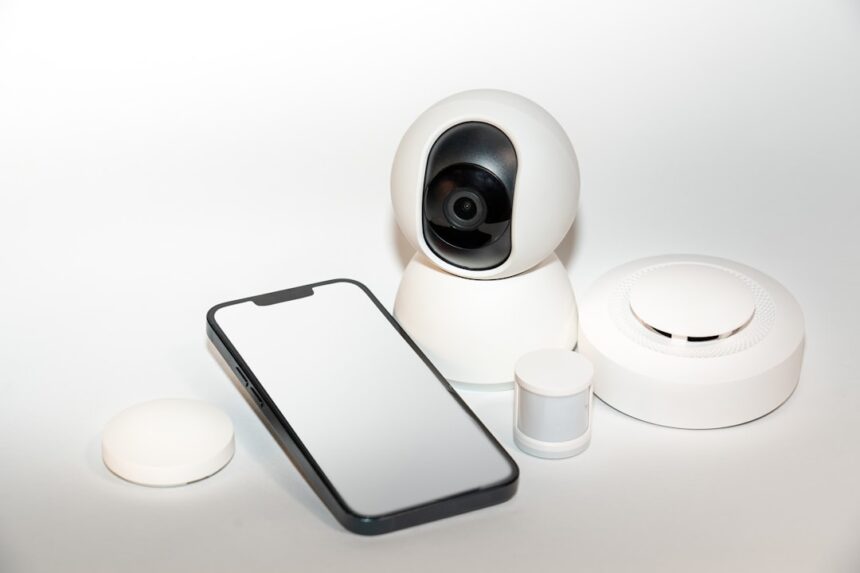
As I delve into the world of smart home technology, I find myself fascinated by the myriad of devices that have transformed our living spaces into interconnected ecosystems. Smart home technology encompasses a wide range of devices, from smart speakers and thermostats to security cameras and lighting systems. These devices are designed to enhance convenience, efficiency, and security in our daily lives.
By connecting to the internet, they allow me to control various aspects of my home remotely, often through a smartphone app or voice commands. The allure of being able to adjust the thermostat from my office or turn off the lights without getting up is undeniably appealing. However, as I explore this technology further, I realize that it is not just about convenience; it also represents a significant shift in how we interact with our living environments.
The integration of artificial intelligence and machine learning into these devices means they can learn my habits and preferences over time, making my home more responsive to my needs. Yet, this level of personalization raises questions about the extent to which I am willing to allow technology to intrude into my personal space. While I appreciate the benefits of smart home technology, I am also aware that it comes with complexities that require careful consideration.
Key Takeaways
- Smart home technology offers convenience but introduces significant privacy and security risks.
- Privacy concerns in smart homes can impact personal relationships and trust between partners.
- Clear communication and setting boundaries are essential to managing privacy in smart home environments.
- Legal, ethical, and professional support play crucial roles in addressing smart home privacy breaches.
- Ongoing vigilance and adaptation are necessary to maintain privacy as smart home technology evolves.
The Risks of Smart Home Devices
As I embrace the convenience of smart home devices, I cannot ignore the inherent risks that accompany their use. One of the most pressing concerns is the vulnerability of these devices to hacking and cyberattacks. With each device connected to the internet, there is a potential entry point for malicious actors seeking to exploit weaknesses in security protocols.
I often find myself wondering how secure my data truly is when I use a smart lock or a camera that streams footage online. The thought of someone gaining unauthorized access to my home or personal information is unsettling. Moreover, the sheer volume of data collected by smart home devices poses another risk.
These devices continuously gather information about my habits, preferences, and routines, creating a digital footprint that can be analyzed and potentially misused. I realize that while I may enjoy the benefits of personalized experiences, I am also sharing a wealth of information that could be vulnerable to breaches or misuse. This duality of convenience and risk makes me question whether the advantages outweigh the potential dangers.
Privacy Concerns in Smart Homes
Privacy concerns loom large in the realm of smart homes, and I find myself grappling with the implications of having devices that are always listening or watching. Many smart speakers, for instance, are designed to respond to voice commands, which means they are constantly listening for their wake word. This raises significant questions about what happens to the audio data collected during those moments when I am not actively engaging with the device.
Am I inadvertently sharing private conversations with a company that may store or analyze that data? The uncertainty surrounding data retention policies leaves me feeling uneasy. Additionally, the interconnected nature of smart home devices means that a breach in one area can have cascading effects on my overall privacy.
If a hacker gains access to my smart thermostat, could they also infiltrate my security cameras or other devices? The thought of my entire home network being compromised is alarming. As I navigate this landscape, I realize that understanding the privacy policies and security measures of each device is crucial in safeguarding my personal information.
Navigating the Betrayal of Privacy in Relationships
The introduction of smart home technology can complicate relationships in unexpected ways, particularly when it comes to privacy. I have witnessed situations where partners have differing views on what constitutes acceptable use of smart devices within their shared space. For instance, one partner may feel comfortable with a smart camera monitoring their front porch, while the other may view it as an invasion of privacy.
This divergence in perspectives can lead to tension and misunderstandings. Moreover, when trust is breached due to privacy violations—whether intentional or accidental—the impact on relationships can be profound. I recall a friend who discovered that their partner had accessed their smart speaker’s recordings without permission, leading to feelings of betrayal and mistrust.
Such incidents highlight the importance of open communication about privacy boundaries in relationships involving smart home technology. It becomes essential for partners to discuss their comfort levels and establish mutual agreements on how these devices will be used.
Communication and Trust in Smart Home Privacy
| Privacy Concern | Impact on Relationship | Common Smart Home Devices Involved | Reported Incidents (%) | Suggested Mitigation |
|---|---|---|---|---|
| Unauthorized Access to Personal Data | Loss of trust, increased suspicion | Smart speakers, security cameras | 35% | Strong passwords, two-factor authentication |
| Hidden Surveillance by Partner | Feelings of betrayal, privacy invasion | Hidden cameras, smart locks | 22% | Open communication, device audits |
| Data Sharing with Third Parties | Concerns over data misuse, mistrust | Smart thermostats, voice assistants | 18% | Review privacy policies, opt-out options |
| Location Tracking | Suspicion of infidelity, stalking fears | Smartphones, smart home hubs | 15% | Disable unnecessary tracking, transparency |
| Unintended Data Exposure | Embarrassment, relationship strain | Smart TVs, connected appliances | 10% | Regular software updates, privacy settings |
Effective communication is paramount when navigating privacy concerns related to smart home technology in relationships. I have learned that discussing expectations and boundaries openly can help prevent misunderstandings and foster trust between partners. By initiating conversations about how we use smart devices and what information we are comfortable sharing, we can create an environment where both parties feel respected and valued.
Trust is a fragile element in any relationship, and it can be easily undermined by perceived invasions of privacy. I have found that being transparent about my own usage of smart devices—such as sharing what data is collected and how it is used—can help build trust with those around me. When both partners are informed and engaged in discussions about privacy, it becomes easier to navigate potential pitfalls and reinforce a sense of security within the relationship.
Setting Boundaries in Smart Home Usage
Establishing clear boundaries regarding smart home usage is essential for maintaining privacy and fostering healthy relationships. I have come to realize that setting these boundaries requires thoughtful consideration of both personal preferences and shared values. For instance, I might choose to limit the use of certain devices in private spaces, such as bedrooms or bathrooms, where I feel more vulnerable.
In addition to personal boundaries, it is crucial to involve all household members in discussions about smart home usage. By collaboratively establishing guidelines for device usage—such as who has access to certain features or data—I can create a sense of shared responsibility and accountability within the household. This collaborative approach not only enhances privacy but also strengthens relationships by ensuring that everyone feels heard and respected.
Seeking Professional Help for Smart Home Privacy Issues
When privacy concerns related to smart home technology become overwhelming or lead to significant conflicts within relationships, seeking professional help can be a valuable step. I have learned that therapists or counselors who specialize in technology-related issues can provide guidance on navigating these challenges effectively. They can facilitate discussions about privacy boundaries and help partners understand each other’s perspectives.
Additionally, consulting with cybersecurity experts can offer insights into best practices for securing smart home devices. These professionals can provide recommendations on how to enhance security measures and protect personal information from potential breaches. By seeking external support, I can gain valuable tools and strategies for addressing privacy concerns while fostering healthier communication within my relationships.
Legal and Ethical Considerations in Smart Home Privacy
As I explore the legal and ethical dimensions of smart home privacy, I recognize that this landscape is continually evolving. Laws surrounding data protection and privacy vary significantly across jurisdictions, making it essential for me to stay informed about my rights as a consumer. Understanding regulations such as the General Data Protection Regulation (GDPR) or the California Consumer Privacy Act (CCPA) empowers me to make informed decisions about which devices to use and how my data is handled.
Ethically speaking, companies that manufacture smart home devices have a responsibility to prioritize user privacy and security.
By holding companies accountable for their ethical obligations, I can contribute to a culture that values privacy and respects individual rights.
Rebuilding Trust After Smart Home Privacy Breaches
In instances where trust has been compromised due to privacy breaches involving smart home technology, rebuilding that trust requires time and effort from all parties involved. I have learned that acknowledging the breach and its impact on the relationship is an essential first step toward healing. Openly discussing feelings of betrayal or discomfort can help both partners understand each other’s perspectives and work toward resolution.
Rebuilding trust also involves taking concrete steps to enhance privacy measures moving forward. This may include reassessing device usage, implementing stronger security protocols, or even considering whether certain devices should remain in the home at all. By demonstrating a commitment to protecting each other’s privacy, partners can gradually restore trust and create a safer environment for their relationship.
Maintaining Privacy in Smart Homes
Maintaining privacy in a smart home requires ongoing vigilance and proactive measures. I have found that regularly reviewing device settings and permissions is essential for ensuring that my personal information remains secure. This includes disabling features that may not be necessary or adjusting privacy settings according to my comfort level.
Additionally, educating myself about potential vulnerabilities associated with specific devices allows me to make informed choices about which products to incorporate into my home. By staying informed about emerging threats and best practices for securing smart home technology, I can take control of my privacy while still enjoying the benefits these devices offer.
The Future of Smart Home Privacy
Looking ahead, I am both excited and apprehensive about the future of smart home privacy. As technology continues to advance at an unprecedented pace, it is likely that new innovations will emerge that further blur the lines between convenience and privacy. While I anticipate improvements in security measures and user control over data collection, I also recognize that challenges will persist.
To navigate this evolving landscape successfully, I believe it is crucial for consumers like myself to remain engaged advocates for our own privacy rights. By demanding transparency from manufacturers and supporting legislation that prioritizes user protection, we can shape a future where smart home technology enhances our lives without compromising our fundamental right to privacy. Ultimately, striking this balance will require ongoing dialogue among consumers, industry leaders, and policymakers as we collectively navigate the complexities of living in an increasingly connected world.
In today’s digital age, the rise of smart home technology has brought about significant privacy concerns, particularly regarding the potential for relationship betrayal. As devices become more integrated into our daily lives, the risk of personal data being accessed or misused increases. For a deeper exploration of these issues, you can read the article on this topic at Ami Wrong Here, which discusses the implications of smart home devices on privacy and trust in relationships.
WATCH THIS! 📱 She Didn’t Know Our Smart Speaker Was Recording Everything
FAQs
What are common privacy concerns related to smart home devices?
Smart home devices often collect and store personal data, including audio, video, and usage patterns. Concerns include unauthorized access, data breaches, continuous surveillance, and the potential misuse of sensitive information by third parties or hackers.
How can smart home devices contribute to relationship betrayal?
Smart home devices with cameras, microphones, or activity logs can inadvertently reveal private interactions or communications. If one partner accesses this data without consent, it may lead to mistrust, suspicion, or discovery of infidelity, thus contributing to relationship betrayal.
Are smart home devices vulnerable to hacking?
Yes, smart home devices can be vulnerable to hacking if not properly secured. Weak passwords, outdated software, and unsecured networks can allow hackers to gain access to devices, potentially compromising privacy and security.
What steps can be taken to protect privacy in a smart home?
To protect privacy, users should use strong, unique passwords, enable two-factor authentication, regularly update device firmware, review privacy settings, limit data sharing, and secure their home Wi-Fi network. It is also important to be transparent with household members about device usage.
Can smart home devices record conversations without consent?
Some smart home devices have always-on microphones designed to detect wake words, which may inadvertently record conversations. While manufacturers claim recordings are only saved after activation, there have been instances of accidental or unauthorized recordings, raising privacy concerns.
Is it legal to monitor a partner using smart home devices?
Legal regulations vary by jurisdiction, but generally, monitoring someone without their consent can violate privacy laws. Using smart home devices to spy on a partner may have legal consequences and can damage trust in the relationship.
How can couples address privacy concerns related to smart home technology?
Open communication about device usage, setting clear boundaries, agreeing on privacy settings, and jointly managing access to smart home data can help couples address privacy concerns and prevent misunderstandings or breaches of trust.