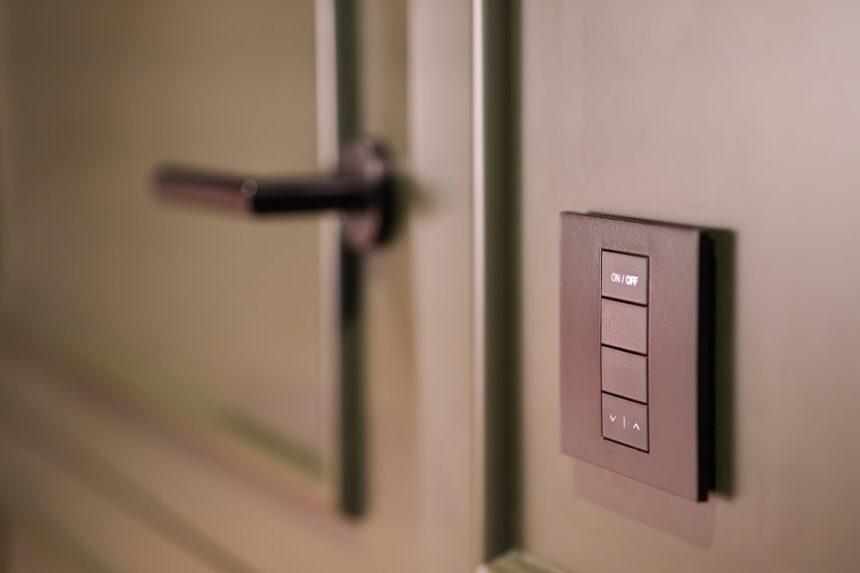
In recent years, the rise of smart home devices has transformed the way we interact with our living spaces. From smart thermostats that learn our preferences to voice-activated assistants that can control everything from lighting to security systems, these devices have become integral to modern life. I find it fascinating how technology has evolved to create homes that are not only more convenient but also more efficient.
As I navigate my daily routines, I often rely on these gadgets to streamline tasks, enhance comfort, and even improve security. However, as much as I appreciate the benefits of smart home technology, I am increasingly aware of the complexities it introduces, particularly in sensitive situations like divorce. The intersection of smart home devices and divorce proceedings is a topic that deserves careful consideration.
While these devices can enhance our lives in many ways, they can also complicate personal relationships and legal matters. As I delve into this subject, I realize that the data collected by smart home devices can have significant implications during divorce proceedings. Understanding how these devices function and the potential consequences of their data is crucial for anyone going through a separation.
In this article, I will explore the multifaceted role of smart home devices in divorce cases, examining their impact on legal proceedings, privacy concerns, and the future of technology in family law.
Key Takeaways
- Smart home devices can provide critical evidence in divorce cases, influencing outcomes related to custody and asset division.
- These devices often capture audio, video, and activity logs that may reveal incriminating or supportive information.
- Privacy concerns arise as data from smart home devices can be accessed and used without consent during legal proceedings.
- Legal frameworks around the admissibility and use of smart device data in divorce are evolving but remain complex.
- Protecting personal privacy requires careful management of smart home technology, especially during contentious divorces.
How Smart Home Devices Can Impact Divorce Proceedings
The influence of smart home devices on divorce proceedings is profound and multifaceted. As I reflect on the various ways these devices can affect relationships, I recognize that they can serve as both tools for communication and sources of conflict.
This information can be beneficial in understanding patterns of behavior but can also lead to disputes over privacy and trust. Moreover, the presence of smart home devices can complicate the division of assets during a divorce. As I consider the implications of shared technology, I realize that determining ownership of these devices and the data they contain can become contentious.
For example, if one partner has been using a smart security system to monitor the other’s activities, this could lead to accusations of surveillance and invasion of privacy. The emotional toll of such situations cannot be understated, as technology that was once intended to enhance convenience can become a source of tension and mistrust.
The Role of Smart Home Devices as Evidence in Divorce Cases
In the context of divorce proceedings, smart home devices can serve as powerful evidence. As I think about the potential for data collection, I recognize that information from these devices can be used to substantiate claims regarding behavior, lifestyle choices, and even financial decisions. For instance, data from a smart thermostat could indicate when one partner was home or away, potentially impacting discussions about time spent with children or financial responsibilities.
Additionally, smart home devices can provide insights into communication patterns between partners. Voice-activated assistants may record interactions or queries that could be relevant in establishing a timeline of events leading up to a divorce. As I consider these possibilities, it becomes clear that the data collected by these devices can be both revealing and incriminating.
The challenge lies in how this information is interpreted and presented in court, as well as the ethical considerations surrounding its use.
Privacy Concerns Surrounding Smart Home Devices in Divorce
As I explore the role of smart home devices in divorce cases, privacy concerns emerge as a significant issue. The very nature of these devices—constantly collecting data and often connected to the internet—raises questions about who has access to this information and how it can be used. I find myself pondering the implications of having personal conversations recorded or monitored without my consent.
In a divorce scenario, this concern becomes even more pronounced as partners may feel vulnerable to surveillance by their soon-to-be ex-spouses. Moreover, the potential for misuse of data from smart home devices cannot be overlooked. As I consider the emotional landscape of divorce, I recognize that individuals may resort to unethical tactics to gain an advantage in legal proceedings.
This could include accessing shared accounts or exploiting vulnerabilities in smart home systems to gather evidence against a partner. The ethical implications of such actions are troubling, as they blur the lines between legitimate evidence gathering and invasion of privacy.
Types of Smart Home Devices That Can Serve as Silent Witnesses
| Metric | Description | Relevance in Divorce Cases | Example Data |
|---|---|---|---|
| Device Type | Type of smart home device used (e.g., smart speakers, security cameras, smart locks) | Identifies source of evidence such as audio recordings or access logs | Smart Speaker, Security Camera, Smart Thermostat |
| Data Collected | Types of data recorded by devices (audio, video, motion, access times) | Provides evidence of presence, conversations, or activities | Audio recordings, Video footage, Door unlock timestamps |
| Frequency of Data Capture | How often the device records or logs data | Determines the amount and continuity of evidence available | Continuous recording, Motion-triggered, Scheduled snapshots |
| Data Retention Period | Duration for which data is stored on device or cloud | Limits the timeframe of usable evidence | 7 days, 30 days, Indefinite (cloud storage) |
| Access Logs | Records of who accessed the device or home and when | Can prove or disprove presence or unauthorized entry | Timestamped door unlock events, User login records |
| Legal Admissibility | Whether data from smart devices is accepted as evidence in court | Determines usefulness of data in divorce proceedings | Varies by jurisdiction; often requires authentication |
| Privacy Concerns | Issues related to consent and legality of data collection | May affect admissibility and ethical considerations | Consent required, Potential for data tampering claims |
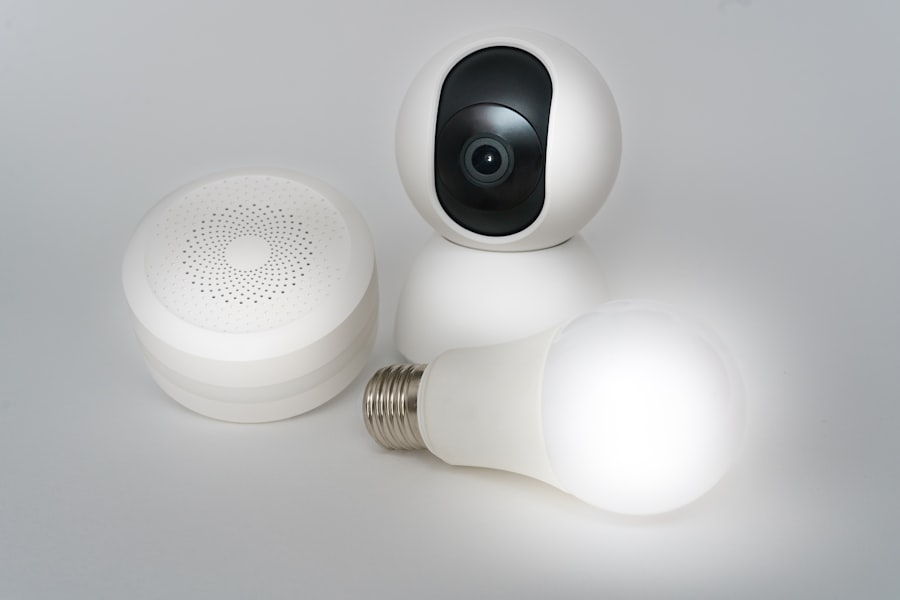
There is a wide array of smart home devices that can act as silent witnesses during divorce proceedings. As I reflect on my own experiences with technology, I realize that everything from security cameras to smart speakers can provide valuable data. Security cameras, for instance, can capture footage that may be relevant in disputes over custody or allegations of misconduct.
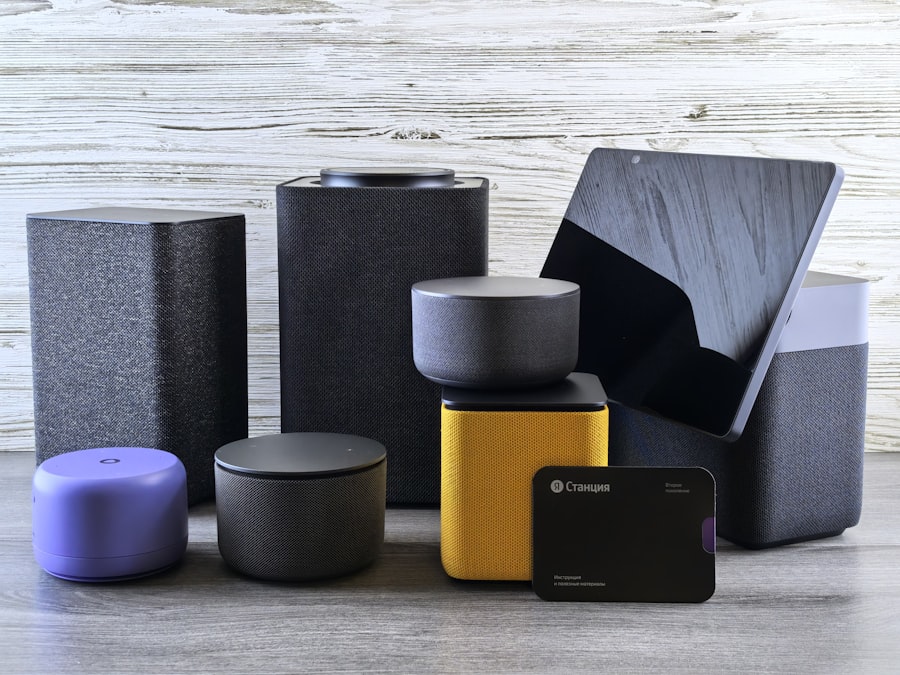
The ability to review recorded footage can offer clarity in situations where one partner’s behavior is called into question. Smart speakers also play a role in this dynamic. They often have built-in voice recognition capabilities that can record conversations or interactions within the home.
As I think about how easily this information can be accessed and used in court, I am struck by the potential consequences for individuals who may not fully understand how their devices operate. The data collected by these devices can serve as a double-edged sword—providing evidence for one party while potentially incriminating another.
How Smart Home Devices Can Capture Incriminating Evidence
The capacity for smart home devices to capture incriminating evidence is both fascinating and alarming. As I consider the implications of this technology, I recognize that seemingly innocuous data points can paint a much larger picture when viewed in context. For example, a smart doorbell camera may capture footage of a partner arriving home late at night or leaving at odd hours—information that could be used to question their fidelity or commitment to family responsibilities.
Additionally, data from fitness trackers or health monitoring devices can reveal patterns related to physical activity or health behaviors that may be relevant in divorce cases. If one partner is consistently absent from family activities or neglecting their health, this information could be leveraged in discussions about custody arrangements or financial support. The ability of smart home devices to provide detailed insights into daily life underscores the importance of understanding how this data can be interpreted and utilized in legal contexts.
Legal Implications of Using Smart Home Device Data in Divorce Proceedings
The legal implications of using smart home device data in divorce proceedings are complex and multifaceted. As I delve into this topic, I realize that while such evidence can be compelling, it must also adhere to legal standards regarding admissibility and privacy rights. Courts may scrutinize how data was obtained and whether it was collected with consent or through invasive means.
This raises important questions about the ethical use of technology in legal disputes. Furthermore, the evolving nature of technology poses challenges for legal professionals who must navigate these issues. As new devices emerge and existing technologies evolve, laws surrounding digital evidence may struggle to keep pace.
This creates uncertainty for individuals involved in divorce proceedings who may not fully understand their rights regarding the use of smart home device data. As I reflect on these challenges, it becomes clear that both legal practitioners and individuals must remain informed about the implications of technology in family law.
Tips for Protecting Your Privacy When Using Smart Home Devices During Divorce
As I consider my own use of smart home devices during a divorce, I recognize the importance of taking proactive steps to protect my privacy. One key strategy is to review the privacy settings on all connected devices regularly. By ensuring that my data is secure and limiting access to sensitive information, I can mitigate potential risks associated with surveillance or unauthorized access.
Another important tip is to communicate openly with my legal counsel about any concerns related to smart home devices. By discussing how these technologies may impact my case, I can develop a strategy that prioritizes my privacy while still leveraging any relevant evidence that may support my position. Additionally, being mindful of what I say or do around these devices is crucial; even casual conversations could inadvertently become part of a legal dispute if recorded.
The Influence of Smart Home Devices on Custody and Visitation Arrangements
The influence of smart home devices extends beyond evidence collection; they can also play a significant role in shaping custody and visitation arrangements during divorce proceedings. As I reflect on this aspect, I realize that data from these devices can provide insights into parenting behaviors and living conditions that may impact custody decisions. For instance, if one parent consistently demonstrates responsible behavior through their use of smart home technology—such as maintaining a safe environment for children—this could positively influence custody outcomes.
Conversely, if data suggests neglectful behavior or instability—such as frequent absences from home or erratic routines—this information could raise concerns about a parent’s ability to provide a stable environment for their children. As I consider these dynamics, it becomes evident that smart home devices have the potential to shape not only legal outcomes but also the emotional well-being of families navigating divorce.
Future Trends in the Use of Smart Home Devices in Divorce Cases
Looking ahead, it is clear that the role of smart home devices in divorce cases will continue to evolve alongside advancements in technology. As new innovations emerge—such as enhanced artificial intelligence capabilities and more sophisticated data analytics—the potential for these devices to influence legal proceedings will only increase. I find myself intrigued by how future developments may reshape our understanding of privacy rights and evidence collection in family law.
Moreover, as society becomes more aware of the implications of smart technology on personal relationships, there may be a growing emphasis on ethical considerations surrounding its use in divorce cases. Legal professionals may need to adapt their practices to account for these changes while ensuring that individuals are informed about their rights regarding digital evidence. As I contemplate these trends, it becomes clear that navigating the intersection of technology and family law will require ongoing education and awareness.
Navigating the Role of Smart Home Devices in Divorce
In conclusion, navigating the role of smart home devices in divorce proceedings presents both challenges and opportunities. As I reflect on the complexities introduced by these technologies, it becomes evident that understanding their implications is essential for anyone facing separation or divorce. From serving as potential evidence to raising privacy concerns, smart home devices have become integral players in modern family law.
As I move forward in my own journey with technology and relationships, I am reminded of the importance of being informed and proactive about privacy rights while also recognizing the potential benefits these devices offer. By approaching this intersection with awareness and caution, individuals can better navigate the complexities of divorce while leveraging technology responsibly and ethically.
In recent discussions surrounding the implications of smart home devices in divorce proceedings, an insightful article highlights how these technologies can serve as evidence in legal disputes. For a deeper understanding of this topic, you can read more in the article found here: Smart Home Devices as Evidence in Divorce. This resource provides valuable insights into how data collected from smart devices can influence the outcomes of divorce settlements.
WATCH THIS! 📱 She Didn’t Know Our Smart Speaker Was Recording Everything
FAQs
What types of smart home devices can be used as evidence in divorce cases?
Smart home devices such as smart speakers, security cameras, smart thermostats, smart locks, and connected appliances can potentially provide evidence in divorce cases. These devices may record audio, video, location data, or usage patterns relevant to the case.
Is it legal to use data from smart home devices in divorce proceedings?
The legality of using smart home device data in divorce cases varies by jurisdiction. Generally, if the data is obtained legally and with proper consent, it may be admissible. However, privacy laws and rules of evidence must be carefully considered.
How can smart home devices provide evidence in divorce cases?
Smart home devices can provide evidence such as timestamps of presence or absence, audio or video recordings, communication logs, or activity patterns that may support claims related to infidelity, abuse, or other relevant issues in a divorce.
Can data from smart home devices be challenged in court?
Yes, data from smart home devices can be challenged on grounds such as authenticity, relevance, privacy violations, or improper collection methods. Courts will evaluate the reliability and admissibility of such evidence.
What should individuals consider regarding privacy when using smart home devices during a divorce?
Individuals should be aware that data collected by smart home devices may be accessed and used in legal proceedings. It is important to understand device settings, data storage policies, and to consult legal counsel about privacy rights during a divorce.
Can one spouse access the other’s smart home device data without permission?
Accessing a spouse’s smart home device data without permission may violate privacy laws or terms of service agreements. Unauthorized access can have legal consequences and may affect the admissibility of the evidence.
How can smart home device data be preserved for use in divorce cases?
To preserve smart home device data, individuals should avoid deleting or altering information, back up relevant data securely, and consider obtaining a legal order or working with an attorney to ensure proper handling and admissibility.
Are there any risks associated with using smart home devices as evidence in divorce cases?
Yes, risks include potential privacy breaches, data manipulation, misinterpretation of data, and legal challenges regarding the collection and use of the information. Proper legal guidance is essential to mitigate these risks.