It was an ordinary day on the farm, or so I thought. The sun was shining, and the air was filled with the sounds of nature. I had just finished my morning chores and was preparing to head back inside for a well-deserved break when the unexpected happened.
A sudden commotion erupted from the direction of the goose pen, and before I could process what was happening, I found myself in the midst of a chaotic scene. The geese, usually docile and somewhat amusing, had turned aggressive, and I was caught in their line of fire. The incident unfolded in a matter of seconds, but it felt like an eternity.
I remember feeling a rush of adrenaline as I tried to navigate through the flurry of honks and flapping wings. It was a stark reminder that even the most familiar environments can harbor unexpected dangers. This experience not only left me shaken but also prompted me to reflect on the behavior of these seemingly harmless birds and the lessons I could learn from this encounter.
Key Takeaways
- Geese on the brother’s farm showed unexpected aggression, prompting safety concerns.
- Understanding geese behavior is crucial to prevent attacks and ensure safety.
- Immediate response and seeking medical attention are vital after an animal attack.
- Reporting incidents to authorities helps manage and mitigate future risks.
- The farm implemented new precautions based on lessons learned from the attack.
Background of the Brother’s Farm
My brother’s farm has always been a sanctuary for various animals, including chickens, goats, and, of course, geese. Nestled in a picturesque valley, it has been in our family for generations. Growing up, I spent countless hours exploring the fields and caring for the animals alongside my brother.
The geese, in particular, have always held a special place in my heart. They were part of our daily routine, waddling around the yard and honking at passersby.
My brother had raised them from goslings, and over time, they developed a strong bond with him. Yet, this bond also meant that they could be fiercely protective when they felt threatened. Understanding this background is crucial to grasping the dynamics that led to the incident on that fateful day.
Signs of Aggression in Geese
In hindsight, there were subtle signs of aggression in the geese that I had overlooked. Their body language often spoke volumes; puffed-up feathers, hissing sounds, and a more assertive posture were all indicators that something was amiss. I had always thought of them as friendly creatures, but their behavior could shift dramatically when they felt their territory was encroached upon.
As I reflect on that day, I realize that I had missed these warning signs. The geese were not just honking for attention; they were communicating their discomfort with my presence. Their aggressive behavior escalated quickly, and before I knew it, I was surrounded by a flurry of wings and beaks.
This experience has taught me to pay closer attention to animal behavior and recognize when they are feeling threatened or defensive.
Understanding the Motivation of the Geese
Understanding why the geese acted aggressively that day requires delving into their instincts and motivations. Geese are naturally protective animals, especially when it comes to their nesting areas or goslings. They have an innate drive to defend their territory from perceived threats, which can include humans who inadvertently wander too close to their space.
On that day, I unknowingly crossed into their territory while trying to check on their feeding situation. The geese interpreted my actions as a threat, triggering their instinctual response to protect their home. This incident highlighted the importance of understanding animal behavior and recognizing that what may seem harmless to us can be perceived as a significant threat by them.
Precautions and Safety Measures
| Metric | Data |
|---|---|
| Incident Location | Local Farm |
| Victim | Brother (Age: 12) |
| Number of Geese Involved | 3 |
| Type of Attack | Pecking and Flapping Wings |
| Injuries Sustained | Minor scratches and bruises |
| Response Time | 5 minutes |
| Medical Attention | First aid applied on site |
| Preventive Measures Taken | Fencing and signage installed |
| Follow-up Actions | Monitoring geese behavior and educating family |
In light of this incident, I have come to appreciate the importance of taking precautions when interacting with animals on the farm. It is essential to establish boundaries and respect the personal space of each species. For instance, creating designated areas for feeding and nesting can help minimize confrontations between humans and animals.
Additionally, educating myself about animal behavior has become a priority. By learning more about the signs of aggression in geese and other animals on the farm, I can better prepare myself for future interactions. Implementing safety measures such as wearing protective gear or carrying deterrents can also provide an added layer of security when working around potentially aggressive animals.
The Immediate Response to the Attack
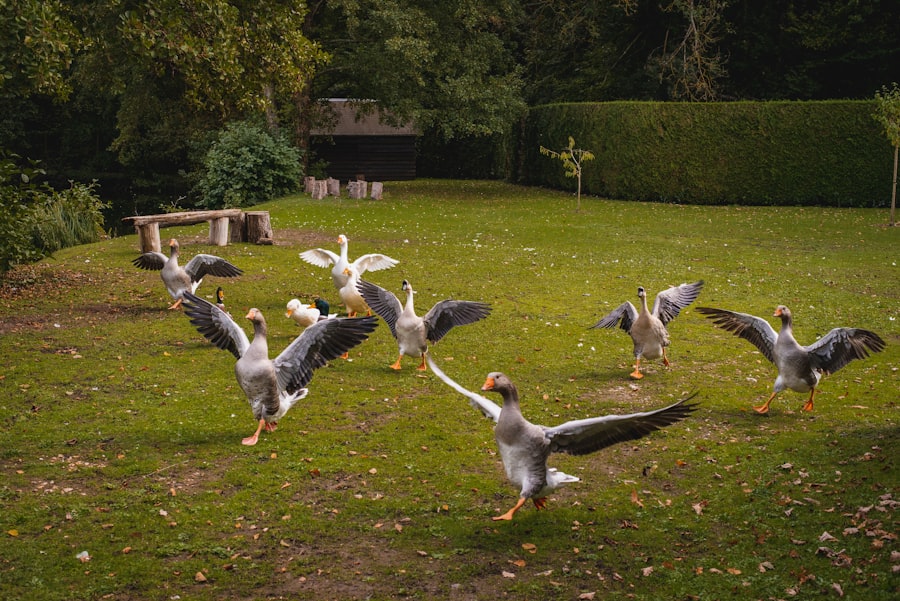
When the geese launched their attack, my immediate response was instinctual; I turned to run. However, in doing so, I inadvertently triggered their chase instinct, which only escalated the situation further. As I sprinted away from the honking chaos, I could hear their wings flapping furiously behind me.
It was a surreal moment—one that felt like something out of a comedy film but was all too real for me. Once I reached a safe distance, I paused to catch my breath and assess the situation. The adrenaline coursing through my veins made it difficult to think clearly, but I knew I needed to regain control over my emotions and approach the situation with caution.
It was essential to calm down both myself and the geese before attempting to address what had just happened.
Seeking Medical Attention
After escaping the immediate danger posed by the geese, I quickly realized that I had sustained some injuries during the encounter. My arms bore scratches from flapping wings, and there were bruises forming where I had been pecked. Although these injuries were not life-threatening, they were painful reminders of how quickly things can escalate on a farm.
I decided it was best to seek medical attention to ensure that there were no underlying issues that needed addressing.
This experience underscored the importance of taking animal encounters seriously and prioritizing health and safety above all else.
Reporting the Incident to Authorities
In addition to seeking medical attention for my injuries, I felt it was necessary to report the incident to local authorities. While it may seem trivial to some, understanding animal behavior and ensuring public safety is crucial in rural areas where farms coexist with residential neighborhoods. By reporting what happened, I hoped to raise awareness about potential risks associated with aggressive wildlife.
The local animal control officer was understanding and took my report seriously. They provided valuable insights into managing aggressive geese and offered resources for educating others in our community about safe interactions with wildlife. This experience highlighted how important it is to communicate incidents like this one so that others can learn from them and take appropriate precautions.
Repercussions and Impact on the Farm
The repercussions of this incident extended beyond my personal experience; they also impacted my brother’s farm as a whole. The aggressive behavior displayed by the geese raised concerns among neighbors who frequented our property for fresh produce or family gatherings. Some began to question whether it was safe to visit or if we should consider rehoming the geese altogether.
My brother and I engaged in discussions about how best to address these concerns while still maintaining our farm’s integrity. We decided to implement stricter boundaries around the goose pen and educate visitors about how to interact safely with our animals. This incident served as a wake-up call for us both; we realized that we needed to prioritize safety while still preserving our love for farming.
Lessons Learned and Future Precautions
Reflecting on this experience has led me to several important lessons about animal behavior and farm management. First and foremost, understanding the instincts of animals is crucial for ensuring safety on a farm. By recognizing signs of aggression early on, we can prevent dangerous encounters before they escalate.
Additionally, communication is key—both among family members involved in farm operations and with visitors who come onto our property. Establishing clear guidelines for interacting with animals can help mitigate risks while fostering a positive environment for everyone involved. Moving forward, we plan to host educational workshops for our community about safe interactions with farm animals, ensuring that others can learn from our experience.
Conclusion and Takeaways
In conclusion, my encounter with aggressive geese served as a powerful reminder of the unpredictability of nature and the importance of respecting animal behavior. While it was a frightening experience at the time, it ultimately led to valuable lessons about safety precautions and communication within our farming community. As I continue my journey on my brother’s farm, I carry these lessons with me—always mindful of the delicate balance between humans and animals in our shared environment.
By fostering understanding and respect for all creatures on our farm, we can create a safer space for everyone involved while continuing to enjoy the beauty of rural life.
In a surprising turn of events, a brother was attacked by a flock of geese while working on the family farm, highlighting the often-overlooked dangers of farm life. This incident serves as a reminder of the unpredictable nature of wildlife, especially in rural settings. For more insights into unusual animal encounters, you can read a related article [here](https://www.amiwronghere.com/sample-page/).
WATCH THIS! 🎬 I Found a Hidden Watch in My Pocket and It Exposed My Entire Family’s Crime
FAQs
Why do geese attack people on farms?
Geese may attack people on farms to protect their territory, nests, or young goslings. They are naturally territorial and can become aggressive if they feel threatened.
Are geese attacks dangerous?
While geese attacks are usually not life-threatening, they can cause injuries such as bites, scratches, or falls. It is important to avoid provoking geese to minimize the risk of harm.
How can I prevent geese from attacking on a farm?
To prevent geese attacks, avoid approaching nests or young birds, maintain a safe distance, and do not feed or try to touch the geese. Using barriers or deterrents can also help keep geese away from certain areas.
What should I do if a goose attacks me or someone else?
If a goose attacks, try to remain calm and slowly back away without making sudden movements. Protect your face and eyes, and seek medical attention if bitten or scratched.
Do geese attack only during certain times of the year?
Geese are more likely to be aggressive during the breeding season, typically in spring and early summer, when they are protecting their nests and young.
Can geese attacks be prevented by farm management practices?
Yes, proper farm management such as controlling access to nesting areas, using fencing, and minimizing human interaction with geese can reduce the likelihood of attacks.
Are all geese species aggressive towards humans?
Not all geese species are equally aggressive, but many species exhibit territorial behavior, especially during breeding season. Aggression levels can vary depending on the individual bird and situation.