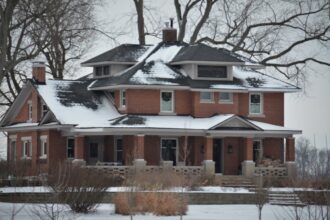
Historic preservation extends beyond the maintenance of old buildings; it encompasses the protection of our collective heritage and cultural identity. Historical structures document the values, aspirations, and challenges of previous generations. Preservation efforts enable future generations to connect with their history, fostering a sense of continuity and belonging in a rapidly evolving society.
Historic preservation significantly contributes to community identity and civic pride. Neighborhoods with well-preserved historical architecture and public spaces often become vibrant centers for community activities and celebrations, strengthening social connections among residents. Preservation initiatives protect physical structures while also maintaining the cultural elements that unite communities.
Additionally, historic preservation offers economic advantages, including increased tourism, local economic stimulation, and enhanced property values, benefiting both residents and municipal governments.
Key Takeaways
- Historic preservation requires understanding legal frameworks and compliance to protect cultural heritage effectively.
- Balancing development needs with preservation goals is crucial for sustainable community growth.
- Utilizing tax credits, incentives, and preservation easements can provide financial support for preservation projects.
- Engaging stakeholders and incorporating sustainable practices enhance the success and impact of preservation efforts.
- Embracing innovations and addressing challenges ensures the future resilience of both tangible and intangible heritage.
Navigating the Legal and Regulatory Landscape
Understanding the legal and regulatory landscape surrounding historic preservation is crucial for anyone involved in this field. As I explore this complex terrain, I realize that various laws and regulations govern the preservation of historic sites at local, state, and federal levels. The National Historic Preservation Act (NHPA) of 1966 is a cornerstone of federal preservation policy, establishing a framework for identifying and protecting historic properties.
This act not only provides guidelines for listing properties on the National Register of Historic Places but also outlines the responsibilities of federal agencies in considering the effects of their actions on historic resources. In addition to federal regulations, I must also navigate state and local laws that may impose additional requirements or offer incentives for preservation efforts. Each jurisdiction has its own set of rules regarding zoning, building codes, and tax incentives that can significantly impact my preservation projects.
Engaging with local preservation commissions or boards can provide valuable insights into these regulations and help me understand how to align my goals with community standards. By familiarizing myself with this legal framework, I can better advocate for preservation initiatives and ensure compliance throughout the project lifecycle.
Identifying Key Compliance Requirements
As I embark on any preservation project, identifying key compliance requirements becomes paramount. The first step often involves determining whether the property in question is listed on the National Register of Historic Places or if it is located within a designated historic district. This status can dictate specific guidelines for alterations or renovations, ensuring that any changes respect the property’s historical integrity.
I find it essential to conduct thorough research and engage with local preservationists to understand these requirements fully. In addition to federal and state regulations, I must also consider local ordinances that may impose additional restrictions on my project. For instance, some municipalities have established design review processes that require approval for any exterior changes to historic buildings.
Understanding these compliance requirements not only helps me avoid potential legal pitfalls but also ensures that my efforts align with the community’s vision for preserving its heritage. By proactively addressing these requirements, I can streamline the approval process and foster positive relationships with local authorities.
Balancing Preservation with Development
One of the most challenging aspects of historic preservation is finding a balance between preserving the past and accommodating modern development needs. As I navigate this delicate dance, I often encounter conflicting interests from various stakeholders. On one hand, there is a pressing need for new housing, commercial spaces, and infrastructure to support growing populations.
On the other hand, there is a strong desire to maintain the character and historical significance of existing neighborhoods. To strike this balance, I have learned the importance of creative problem-solving and collaboration. Engaging with architects, urban planners, and community members allows me to explore innovative solutions that honor historical integrity while meeting contemporary needs.
For instance, adaptive reuse projects can breathe new life into old buildings by repurposing them for modern functions without compromising their historical value. By fostering open dialogue among stakeholders, I can help create development plans that respect both the past and the future.
Utilizing Historic Tax Credits and Incentives
| Metric | Description | Typical Value/Range | Measurement Frequency | Responsible Entity |
|---|---|---|---|---|
| Number of Historic Sites Reviewed | Total count of historic properties evaluated for compliance | 50-200 sites per year | Annual | State Historic Preservation Office (SHPO) |
| Compliance Rate | Percentage of projects meeting preservation standards | 85% – 95% | Annual | SHPO / Local Preservation Boards |
| Number of Violations Reported | Instances of non-compliance with preservation regulations | 5-20 per year | Annual | Preservation Enforcement Agencies |
| Average Time to Resolve Violations | Time taken to address and rectify compliance issues | 30-90 days | Per Incident | Preservation Enforcement Agencies |
| Funding Allocated for Preservation | Amount of financial resources dedicated to compliance and restoration | Varies by jurisdiction | Annual | Government / Nonprofits |
| Training Sessions Conducted | Number of educational programs for compliance awareness | 10-30 per year | Annual | Preservation Organizations |
| Public Awareness Level | Survey-based metric indicating community knowledge of preservation laws | 60%-80% awareness | Biannual | Local Governments / NGOs |
One of the most effective tools at my disposal in the realm of historic preservation is the use of tax credits and incentives. These financial mechanisms can significantly offset the costs associated with restoring and maintaining historic properties. The federal Historic Tax Credit program offers a 20% tax credit for the rehabilitation of income-producing historic buildings, making it an attractive option for developers like myself who are committed to preserving our architectural heritage.
In addition to federal incentives, many states and localities offer their own tax credits or grants specifically designed to encourage historic preservation efforts. By researching these opportunities and understanding their eligibility requirements, I can maximize funding for my projects. This financial support not only alleviates some of the economic burdens associated with preservation but also serves as a powerful motivator for property owners to invest in their historic assets.
Ultimately, leveraging these incentives allows me to contribute to the revitalization of communities while ensuring that their historical narratives remain intact.
Engaging with Stakeholders and Community
Engaging with stakeholders and the community is an essential aspect of successful historic preservation projects. As I embark on any initiative, I recognize that involving local residents, business owners, and other interested parties fosters a sense of ownership and pride in preserving their shared heritage. By hosting community meetings or workshops, I can gather input on preservation goals and address any concerns or misconceptions about proposed projects.
Building relationships with stakeholders also helps me navigate potential challenges more effectively. When community members feel heard and valued, they are more likely to support preservation efforts rather than oppose them. Additionally, collaboration with local organizations or advocacy groups can amplify my message and mobilize resources for preservation initiatives.
By fostering a spirit of cooperation and inclusivity, I can create a more robust foundation for successful preservation outcomes that reflect the community’s values.
Leveraging Preservation Easements and Agreements
Preservation easements and agreements are powerful tools that I can utilize to ensure the long-term protection of historic properties. A preservation easement is a legally binding agreement between a property owner and a qualified organization or government entity that restricts certain types of alterations or developments on a property to preserve its historical character. By entering into such agreements, I can help safeguard significant architectural features while allowing property owners some flexibility in their use of the space.
These easements not only protect individual properties but also contribute to broader preservation goals within communities. They can serve as a mechanism for ensuring that historic sites remain intact even as surrounding areas undergo change or development. Additionally, property owners who enter into preservation easements may be eligible for tax benefits or other incentives, making this approach mutually beneficial for both parties involved.
By leveraging these agreements strategically, I can play a pivotal role in preserving our architectural heritage for future generations.
Addressing Challenges in Preservation Projects
Despite my best efforts, I often encounter challenges in historic preservation projects that require creative solutions and resilience. One common obstacle is securing funding for restoration efforts, especially when dealing with properties that require extensive repairs or upgrades to meet modern safety standards. In such cases, I have learned to be resourceful by exploring various funding sources, including grants from nonprofit organizations or partnerships with local businesses willing to invest in community revitalization.
Another challenge lies in navigating public perception regarding preservation efforts. Some community members may view preservation as an impediment to progress or economic development. To address these concerns, I strive to communicate the long-term benefits of preserving historic sites—such as increased tourism revenue or enhanced property values—while emphasizing how these efforts can coexist with modern development initiatives.
By fostering open dialogue and addressing misconceptions head-on, I can help build support for preservation projects within the community.
Incorporating Sustainable Practices in Preservation
In recent years, there has been a growing recognition of the importance of sustainability in all aspects of construction and renovation—including historic preservation. As I engage in preservation projects, I am increasingly mindful of incorporating sustainable practices that minimize environmental impact while respecting historical integrity. This approach not only aligns with contemporary values but also enhances the longevity of preserved structures.
One effective strategy is utilizing green building materials and energy-efficient technologies during restoration efforts. For instance, retrofitting historic buildings with modern insulation or energy-efficient windows can significantly reduce energy consumption without compromising their aesthetic appeal. Additionally, promoting sustainable landscaping practices around preserved sites can enhance their visual appeal while supporting local ecosystems.
By prioritizing sustainability in my preservation projects, I contribute to a more resilient future while honoring our architectural heritage.
Preserving Intangible Cultural Heritage
While much focus is placed on physical structures in historic preservation, I have come to appreciate the importance of preserving intangible cultural heritage as well. This aspect encompasses traditions, customs, languages, and practices that define a community’s identity but may not be tied to specific physical locations. As I engage with communities during preservation efforts, I strive to document and celebrate these intangible elements alongside tangible assets.
For example, incorporating oral histories or traditional crafts into my preservation initiatives can enrich the narrative surrounding a historic site. By collaborating with local artists or cultural practitioners, I can create programs that highlight these traditions while fostering intergenerational connections within communities. Recognizing that cultural heritage extends beyond bricks and mortar allows me to create more holistic preservation strategies that honor both tangible and intangible aspects of our shared history.
The Future of Historic Preservation: Trends and Innovations
As I look toward the future of historic preservation, I am excited by emerging trends and innovations that promise to reshape this field. One notable development is the increasing use of technology in documenting and preserving historic sites. Tools such as 3D scanning and virtual reality allow me to create detailed digital representations of buildings and landscapes, making it easier to analyze their condition and plan restoration efforts effectively.
Additionally, there is a growing emphasis on community-driven preservation initiatives that prioritize local voices in decision-making processes. This shift reflects a broader recognition of the importance of inclusivity in preserving cultural heritage—ensuring that diverse perspectives are represented in shaping our shared history. As I embrace these trends and innovations, I remain committed to fostering collaboration among stakeholders while leveraging technology to enhance our understanding and appreciation of historic places.
In conclusion, my journey through the world of historic preservation has deepened my appreciation for its multifaceted nature. From navigating legal complexities to engaging communities and embracing sustainability practices, each aspect plays a vital role in safeguarding our architectural heritage for future generations. As I continue this work, I am inspired by the stories embedded within our built environment—stories that deserve to be preserved and celebrated as part of our collective identity.
For those interested in exploring this topic further, a related article can be found at this link, which provides valuable insights into the requirements and best practices for ensuring compliance in historic preservation projects.
📌WATCH THIS! They Tried to Steal My House, So I Made the City Tear It Down
FAQs
What is historic preservation compliance?
Historic preservation compliance refers to the process of adhering to laws, regulations, and guidelines designed to protect and preserve historic buildings, sites, and districts. This ensures that any changes or developments do not negatively impact the historical significance of these properties.
Which laws govern historic preservation compliance?
In the United States, the primary law governing historic preservation compliance is the National Historic Preservation Act (NHPA) of 1966. Other relevant laws include the National Environmental Policy Act (NEPA), the Archaeological Resources Protection Act (ARPA), and various state and local preservation ordinances.
Who is responsible for ensuring historic preservation compliance?
Responsibility typically lies with property owners, developers, government agencies, and preservation organizations. Federal agencies must comply with Section 106 of the NHPA when their projects affect historic properties. State Historic Preservation Offices (SHPOs) and Tribal Historic Preservation Offices (THPOs) also play key roles.
What is Section 106 review?
Section 106 of the NHPA requires federal agencies to review the impact of their projects on historic properties and seek ways to avoid, minimize, or mitigate adverse effects. This review process involves consultation with SHPOs, THPOs, and the public.
When is historic preservation compliance required?
Compliance is required when a project involves federal funding, permits, or licenses and may affect historic properties. It can also be mandated by state or local preservation laws for projects within designated historic districts or involving landmark properties.
What types of properties are protected under historic preservation laws?
Properties eligible for protection include buildings, structures, sites, objects, and districts that have historical, architectural, archaeological, or cultural significance. These are often listed or eligible for listing on the National Register of Historic Places.
What are the consequences of non-compliance with historic preservation regulations?
Non-compliance can result in legal penalties, project delays, loss of funding, and damage to historic resources. It may also lead to public opposition and harm to a community’s cultural heritage.
How can property owners ensure compliance with historic preservation requirements?
Property owners should consult with SHPOs or local preservation offices early in the planning process, conduct necessary assessments, and follow recommended guidelines for rehabilitation or development. Hiring professionals experienced in historic preservation can also help ensure compliance.
Are there incentives for complying with historic preservation standards?
Yes, there are financial incentives such as federal and state historic tax credits, grants, and technical assistance programs that encourage the preservation and rehabilitation of historic properties in compliance with established standards.
What is the role of the Secretary of the Interior’s Standards in historic preservation compliance?
The Secretary of the Interior’s Standards provide guidelines for the treatment of historic properties, including preservation, rehabilitation, restoration, and reconstruction. Compliance with these standards is often required to qualify for tax incentives and to meet federal preservation requirements.