
Home security requires a comprehensive approach beyond basic lock installation. It begins with a thorough vulnerability assessment of the property, identifying weak points such as inadequate lighting and accessible windows. This systematic evaluation helps prioritize security enhancements where they are most needed.
Effective home protection extends beyond physical barriers to include situational awareness. Staying informed about local crime patterns and participating in community safety programs allows for targeted security measures specific to neighborhood risks. This information-based approach enables more effective protection while also promoting community vigilance and cooperative neighborhood security efforts.
Key Takeaways
- Secure all entry points by locking doors and windows consistently.
- Install a reliable security system and use outdoor lighting to deter intruders.
- Utilize smart home technology for enhanced monitoring and control.
- Build community awareness by getting to know neighbors and watching for suspicious activity.
- Protect valuables by storing them in safes or lockboxes and avoid oversharing on social media.
Installing a Security System
One of the most effective ways I’ve found to secure my home is by installing a security system.
After researching various systems, I opted for one that includes both indoor and outdoor cameras, motion detectors, and a central alarm system.
The peace of mind that comes with knowing I have 24/7 monitoring is invaluable. Setting up the system was surprisingly straightforward. I took the time to familiarize myself with the features and functionalities, ensuring that I could make the most of the technology at my disposal.
I also appreciate the ability to monitor my home remotely through a smartphone app. This feature allows me to check in on my property while I’m away, providing an extra layer of reassurance. In addition, I’ve made it a point to regularly test the system and update any software to ensure optimal performance.
Using Outdoor Lighting
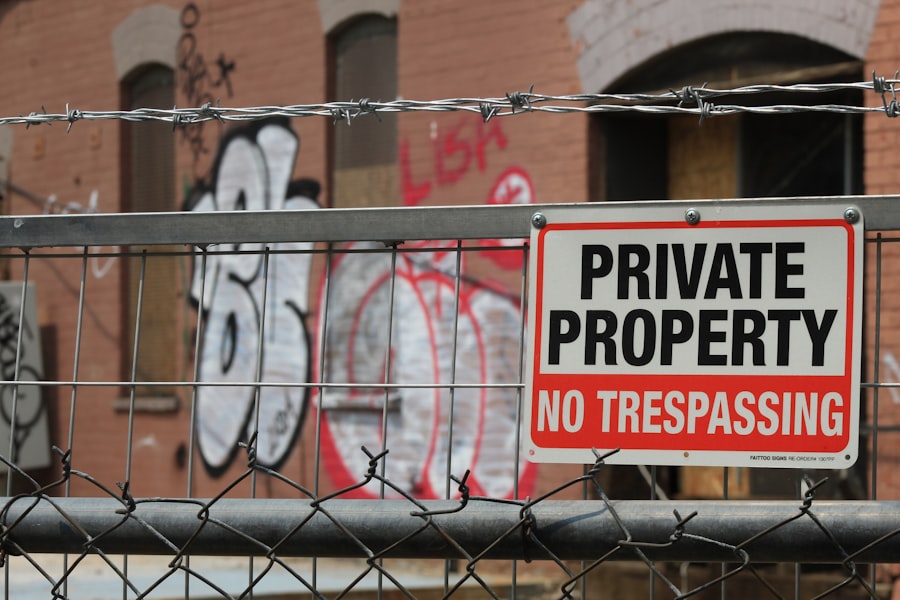
Outdoor lighting plays a crucial role in enhancing the security of my home. I’ve come to realize that well-lit exteriors deter potential intruders and create a welcoming atmosphere for guests. To achieve this, I strategically placed motion-sensor lights around my property, particularly near entry points like doors and garages.
These lights not only illuminate dark areas but also activate when someone approaches, which can startle any would-be intruders. In addition to motion-sensor lights, I’ve incorporated ambient lighting to enhance visibility during the night. Pathway lights guide visitors safely to my front door while also making it clear that my property is occupied.
I’ve noticed that when my home is well-lit, it sends a message that I take security seriously, which can discourage criminal activity. Furthermore, I enjoy spending time outdoors in the evenings, and having adequate lighting allows me to do so safely.
Locking Up Valuables
One of the most important lessons I’ve learned about home security is the significance of locking up valuables. It’s easy to overlook this aspect when I’m caught up in daily life, but taking the time to secure my belongings can make all the difference. I’ve invested in a sturdy safe where I store important documents, jewelry, and other valuable items.
This not only protects them from theft but also from potential disasters like fire or flooding. I also make it a point to keep less valuable items out of sight. For instance, I avoid leaving expensive electronics in plain view through windows or doors.
Instead, I store them in cabinets or drawers when they’re not in use. This simple act of tidying up can significantly reduce the temptation for thieves who might be passing by. By being mindful of how I display my possessions, I create an environment that is less appealing to potential intruders.
Keeping Windows and Doors Locked
| Method | Description | Effectiveness (%) | Cost Level | Implementation Time |
|---|---|---|---|---|
| Install Security Cameras | Use surveillance cameras to monitor property and deter thieves. | 85 | Medium | 1-2 days |
| Use Strong Locks and Deadbolts | Upgrade doors and windows with high-quality locks to prevent break-ins. | 75 | Low | Few hours |
| Alarm Systems | Install alarms that trigger when unauthorized access is detected. | 90 | Medium | 1 day |
| Neighborhood Watch Programs | Community-based monitoring to report suspicious activities. | 60 | Low | Ongoing |
| Secure Fencing and Gates | Install fences and gates to restrict unauthorized entry. | 70 | Medium | 2-3 days |
| Lighting | Use motion-sensor lights to illuminate property at night. | 65 | Low | Few hours |
| Marking Property | Engrave or mark valuables to identify ownership. | 50 | Low | Few hours |
| Insurance | Obtain property insurance to cover losses from theft. | Not preventive | Varies | Varies |
It may seem like common sense, but keeping windows and doors locked is an essential part of securing my home that I never take for granted. I’ve developed a routine where I double-check all entry points before leaving the house or going to bed. This habit has become second nature to me, and it provides an extra layer of security that gives me peace of mind.
In addition to locking doors and windows, I’ve also invested in high-quality locks that are more resistant to tampering. Deadbolts are now standard on all exterior doors in my home, and I’ve even added window locks for added protection. These small upgrades may seem insignificant, but they can make a substantial difference in deterring break-ins.
Knowing that my home is securely locked allows me to relax and enjoy my time at home without constantly worrying about potential threats.
Utilizing Smart Home Technology

In today’s digital age, utilizing smart home technology has become an integral part of my home security strategy. From smart locks to video doorbells, these devices offer convenience and enhanced safety features that traditional systems simply can’t match. For instance, with smart locks, I can control access to my home remotely, allowing me to grant entry to trusted visitors even when I’m not there.
Moreover, smart cameras provide real-time surveillance and notifications directly to my smartphone. This means that if someone approaches my property or triggers a motion sensor, I receive an alert immediately. The ability to monitor my home from anywhere gives me an unprecedented level of control over my security measures.
Additionally, integrating these devices into a cohesive smart home system allows me to automate routines—like turning on lights at dusk—which further enhances the perception of occupancy and deters potential intruders.
Getting to Know Your Neighbors
Building relationships with my neighbors has proven to be one of the most effective ways to enhance security in my community. When I take the time to get to know those living nearby, we create a network of vigilance where we look out for one another. This sense of camaraderie fosters trust and communication, making it easier to share information about suspicious activities or concerns.
I often participate in neighborhood watch programs or community meetings where we discuss safety issues and share tips on securing our homes. These gatherings not only strengthen our bonds but also empower us as a community to take collective action against crime. Knowing that my neighbors are aware of my routines and vice versa creates an additional layer of security that is invaluable in today’s world.
Being Mindful of Social Media
In an age where sharing our lives online has become commonplace, I’ve learned the importance of being mindful about what I post on social media regarding my home and personal life. While it’s tempting to share vacation plans or exciting news, doing so can inadvertently signal to potential intruders that my home will be unoccupied for an extended period. To mitigate this risk, I’ve adopted a more cautious approach by limiting what I share publicly.
I also make it a point to adjust privacy settings on my social media accounts so that only trusted friends and family can see certain posts. This way, I’m able to maintain connections without compromising my security. Additionally, I’ve found that waiting until after returning from a trip to share photos allows me to enjoy those memories without putting my home at risk while I’m away.
Keeping Your Property Well-Maintained
A well-maintained property not only enhances curb appeal but also serves as a deterrent against crime. I’ve come to realize that neglecting landscaping or allowing maintenance issues to pile up can signal to potential intruders that no one is paying attention to the property. Regularly mowing the lawn, trimming hedges, and keeping walkways clear sends a message that the home is occupied and cared for.
Furthermore, I’ve made it a habit to regularly inspect fences, gates, and other barriers around my property for any signs of wear or damage. Addressing these issues promptly ensures that my home remains secure while also contributing to the overall aesthetic of the neighborhood. A tidy property reflects responsibility and vigilance—qualities that can deter criminal activity.
Storing Items in a Safe or Lockbox
For items that hold significant value—whether monetary or sentimental—I’ve found that storing them in a safe or lockbox is essential for peace of mind. Investing in a high-quality safe has allowed me to keep important documents like passports, birth certificates, and financial records secure from theft or damage. Additionally, knowing that these items are protected gives me confidence in case of emergencies.
I also utilize lockboxes for smaller valuables or items that I may need access to frequently but still want secured. This dual approach ensures that both high-value items and everyday essentials are protected without compromising accessibility. By taking these precautions, I’m able to safeguard what matters most while minimizing risks associated with theft or loss.
Being Aware of Suspicious Activity
Staying vigilant about suspicious activity in my neighborhood has become an integral part of my security routine. I’ve learned that being aware of my surroundings can help me identify potential threats before they escalate into serious issues. Whether it’s noticing unfamiliar vehicles parked for extended periods or individuals loitering around homes without apparent purpose, I’ve made it a priority to trust my instincts and report anything unusual.
Additionally, I’ve found it helpful to engage with local law enforcement by attending community safety meetings or participating in neighborhood watch programs. These interactions not only provide valuable insights into crime trends but also foster relationships with officers who are dedicated to keeping our community safe. By staying informed and proactive about suspicious activity, I’m contributing to a safer environment for myself and those around me.
In conclusion, securing my home is an ongoing process that requires diligence and adaptability. By implementing various strategies—from installing security systems and utilizing outdoor lighting to fostering community relationships—I create a comprehensive approach that prioritizes safety and peace of mind. Each measure reinforces the others, creating layers of protection that work together harmoniously.
Ultimately, taking these steps not only safeguards my property but also enhances my overall quality of life by allowing me to enjoy my home without constant worry.
To effectively combat property theft, it’s essential to stay informed about the latest strategies and preventive measures. A helpful resource on this topic can be found in the article titled “How to Secure Your Home Against Theft,” which provides practical tips and insights. You can read it by following this link: How to Secure Your Home Against Theft. Implementing the advice from this article can significantly enhance your property’s security and reduce the risk of theft.
📌WATCH THIS! They Tried to Steal My House, So I Made the City Tear It Down
FAQs
What is property theft?
Property theft refers to the unlawful taking of someone else’s property without their permission, with the intent to permanently deprive the owner of it. This can include theft of physical items, vehicles, or even intellectual property.
What are common methods to prevent property theft?
Common methods to prevent property theft include installing security systems such as alarms and cameras, using strong locks, securing valuables in safes, improving lighting around the property, and being vigilant about who has access to the property.
How can I secure my home against property theft?
To secure your home, consider installing deadbolt locks, security cameras, motion sensor lights, and alarm systems. Additionally, keep doors and windows locked, avoid hiding spare keys outside, and establish a neighborhood watch program if possible.
What should I do if my property is stolen?
If your property is stolen, report the theft to the police immediately with detailed information about the stolen items. Provide serial numbers, descriptions, and any evidence such as security footage. Also, notify your insurance company to file a claim if applicable.
Are there legal consequences for property theft?
Yes, property theft is a criminal offense and can result in penalties such as fines, restitution, community service, probation, or imprisonment, depending on the severity of the theft and local laws.
Can technology help in fighting property theft?
Yes, technology such as surveillance cameras, GPS tracking devices, smart locks, and alarm systems can significantly aid in deterring theft and assisting law enforcement in recovering stolen property.
How can businesses protect their property from theft?
Businesses can protect their property by implementing access controls, using surveillance systems, conducting employee background checks, securing inventory, and training staff on theft prevention measures.
Is insurance necessary to protect against property theft?
While insurance does not prevent theft, it provides financial protection by covering losses resulting from theft. Homeowners and renters insurance policies often include coverage for stolen property.
What role does community involvement play in preventing property theft?
Community involvement, such as neighborhood watch programs and sharing information about suspicious activities, can help deter criminals and increase the likelihood of recovering stolen property.
How can I identify suspicious behavior related to property theft?
Suspicious behavior may include unfamiliar individuals loitering near properties, repeated attempts to access restricted areas, unusual vehicle activity, or anyone asking unusual questions about security measures. Reporting such behavior to authorities can help prevent theft.