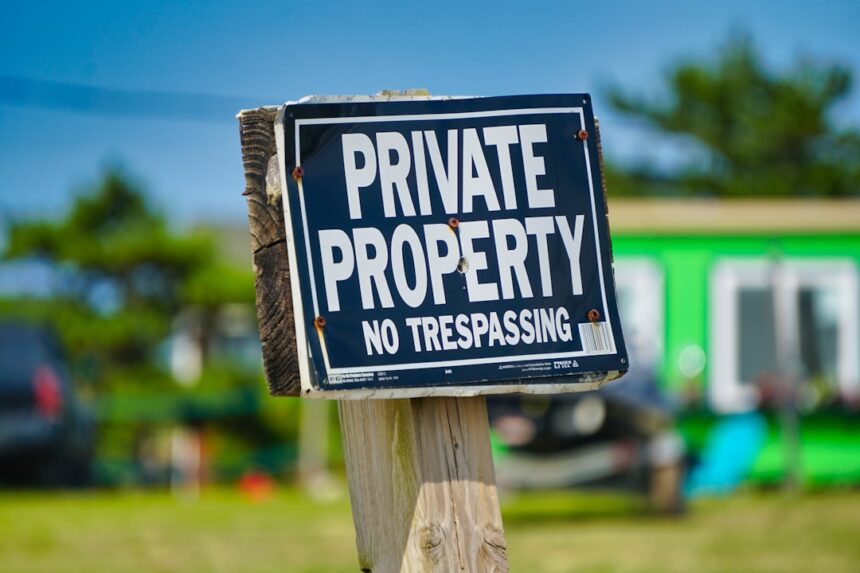
Property line violations occur when structures, fences, or other improvements extend beyond the legal boundaries of a property onto adjacent land.
Even minor violations can escalate into significant legal disputes between property owners, making accurate boundary identification essential for property management.
Several factors contribute to property line violations, including outdated or inaccurate surveys, changes in land development patterns, and natural landscape alterations over time. Common examples include fence installations that cross property lines, building additions that extend onto neighboring lots, and vegetation growth that spreads beyond property boundaries. Tree roots extending into adjacent properties can also create boundary disputes, particularly when they cause damage to neighboring structures or landscaping.
Preventing property line violations requires proper surveying, clear documentation of property boundaries, and open communication between adjacent property owners. Professional land surveys provide accurate boundary measurements and can identify potential encroachment issues before they develop into costly legal problems. Regular maintenance of boundary markers and periodic review of property records help ensure ongoing compliance with property line regulations.
Key Takeaways
- Property line violations can lead to serious legal and financial consequences for owners and developers.
- Such violations may decrease property value and complicate land use and zoning compliance.
- Environmental impacts and risks to neighboring properties are common concerns in boundary disputes.
- Remedies include property surveys, boundary markers, and legal actions to resolve conflicts.
- Consulting legal experts is crucial to navigate disputes and avoid potential lawsuits.
Legal Consequences of Property Line Violations
The legal ramifications of property line violations can be quite serious. If I find myself in a situation where my property encroaches on someone else’s land, I may face legal action from my neighbor. This could involve a demand for the removal of the encroaching structure or even a lawsuit for damages.
I have learned that the law often favors the rightful owner of the land, which means that I must be diligent in ensuring that my property adheres to established boundaries. Moreover, the legal process can be lengthy and costly. If I were to dispute a property line violation, I might need to engage in mediation or even go to court.
This not only incurs legal fees but also consumes valuable time and energy that could be better spent on other pursuits. Understanding these potential legal consequences has made me more vigilant about maintaining clear boundaries and respecting my neighbors’ properties.
Financial Consequences of Property Line Violations
The financial implications of property line violations can be staggering. If I inadvertently encroach on my neighbor’s land, I may be required to remove any structures or improvements that violate the boundary. This could involve significant costs for demolition, landscaping, and even legal fees if the matter escalates into a dispute.
I have come to appreciate that these expenses can quickly add up, impacting my overall financial stability. Additionally, property line violations can affect my property’s market value. If potential buyers perceive that my property has boundary issues or disputes with neighbors, they may be less inclined to make an offer or may offer a lower price.
This realization has prompted me to take proactive measures to ensure that my property lines are clearly defined and respected. By doing so, I can protect my investment and maintain the value of my home.
Impact on Property Value
The impact of property line violations on property value cannot be overstated. When I consider selling my home, I want to present it in the best possible light. However, if there are unresolved boundary disputes or violations, it could deter potential buyers.
A clear title and well-defined boundaries are essential selling points in real estate transactions. If I were to find myself in a situation where my property lines are in question, it could lead to complications during the sale process. Moreover, properties with known boundary issues may linger on the market longer than those without such disputes.
This extended time on the market can lead to price reductions as sellers become increasingly motivated to close the deal. I have learned that maintaining clear and legally recognized property lines is not just about avoiding disputes; it is also about preserving the value of my investment for the future.
Potential for Lawsuits
| Consequence | Description | Potential Impact | Typical Resolution Time |
|---|---|---|---|
| Legal Action | Neighbor files a lawsuit for encroachment or trespassing. | High – can result in court orders to remove structures or pay damages. | Several months to years |
| Fines and Penalties | Local government imposes fines for violating zoning or property laws. | Medium – financial burden and possible liens on property. | Weeks to months |
| Forced Removal | Structures or improvements built beyond property line must be removed. | High – costly and time-consuming to dismantle or relocate. | Months |
| Property Value Impact | Violation may reduce property marketability or value. | Medium to High – depending on severity and resolution. | Ongoing |
| Neighbor Disputes | Strained relationships and ongoing conflicts with neighbors. | Low to Medium – emotional stress and potential for escalation. | Variable |
| Corrective Surveying | Professional survey required to establish accurate property boundaries. | Low – cost of survey and possible adjustments. | Weeks |
| Insurance Issues | Potential denial of claims if violation affects property coverage. | Medium – financial risk if damage occurs. | Variable |
The potential for lawsuits arising from property line violations is a reality that I must consider as a property owner. If I inadvertently encroach on a neighbor’s land or if they encroach on mine, it could lead to legal action. Lawsuits can arise from various scenarios, including disputes over fences, trees, or even driveways that cross property lines.
The thought of facing a lawsuit is daunting; it involves not only financial costs but also emotional stress and uncertainty. In my experience, many disputes can be resolved amicably through communication and negotiation. However, when parties are unwilling to compromise or when significant damages are involved, litigation may become inevitable.
Understanding this potential for lawsuits has made me more cautious about how I manage my property and interact with my neighbors. It serves as a reminder that maintaining good relationships and clear boundaries is essential for avoiding legal entanglements.
Repercussions for Land Use and Zoning
Property line violations can also have repercussions for land use and zoning regulations. As I navigate the complexities of property ownership, I have come to understand that local zoning laws dictate how land can be used and developed. If I were to violate these regulations by encroaching on a neighboring property or failing to adhere to setback requirements, I could face penalties from local authorities.
These repercussions can include fines or orders to cease construction or modification of structures that violate zoning laws. In some cases, I might even be required to remove improvements that do not comply with local regulations. This realization has reinforced the importance of understanding not only my property lines but also the zoning laws that govern land use in my area.
By staying informed and compliant, I can avoid unnecessary complications and ensure that my property remains in good standing with local authorities.
Environmental Consequences
The environmental consequences of property line violations are another aspect that I have come to appreciate as a responsible property owner. When boundaries are not clearly defined or respected, it can lead to unintended harm to natural resources and ecosystems. For instance, if I were to encroach on a neighboring property’s green space or wetlands, it could disrupt local wildlife habitats and contribute to environmental degradation.
Additionally, improper land use resulting from boundary violations can lead to issues such as soil erosion or water runoff problems. These environmental impacts not only affect neighboring properties but can also have broader implications for the community as a whole. Understanding these consequences has motivated me to be more mindful of how I manage my land and respect the natural environment surrounding me.
Risks for Property Owners and Developers
As both a property owner and someone interested in development projects, I recognize the risks associated with property line violations. For developers, these risks can be particularly pronounced, as they often involve larger projects with multiple stakeholders and regulatory requirements. If a developer fails to accurately assess property lines before commencing construction, it could lead to costly delays or modifications.
For individual property owners like myself, the risks include potential disputes with neighbors and financial liabilities associated with rectifying boundary issues. The thought of facing such challenges has made me more diligent in ensuring that any improvements or changes I make to my property are compliant with established boundaries and local regulations. By being proactive in this regard, I can mitigate risks and protect both my investment and relationships with neighbors.
Remedies for Property Line Violations
When faced with property line violations, there are several remedies available that I have learned about through research and discussions with professionals in the field. One common approach is negotiation with the affected neighbor to reach an amicable resolution. This could involve adjusting fences or structures to respect established boundaries or even formalizing an agreement through written documentation.
In some cases, mediation may be necessary if direct negotiations do not yield satisfactory results. Mediation allows both parties to work with a neutral third party who can facilitate discussions and help find common ground. If all else fails, pursuing legal action may be an option; however, this should generally be considered a last resort due to the associated costs and potential for prolonged conflict.
Importance of Property Surveys and Boundary Markers
The importance of conducting proper property surveys and establishing clear boundary markers cannot be overstated in my experience as a homeowner. A professional survey provides an accurate assessment of property lines based on legal descriptions and historical records. By investing in a survey before making any significant changes or improvements to my property, I can avoid potential disputes down the road.
Boundary markers serve as visual indicators of where one property ends and another begins.
Having clear boundary markers not only helps prevent misunderstandings with neighbors but also reinforces my commitment to respecting their property rights.
Seeking Legal Advice for Property Line Disputes
When faced with potential property line disputes, seeking legal advice is often a prudent step that I have learned through experience. Consulting with an attorney who specializes in real estate law can provide valuable insights into my rights and options regarding boundary issues. They can help me navigate complex legal frameworks and ensure that any actions I take are compliant with local laws.
In addition to legal advice, it is essential to document any communications or agreements related to property lines thoroughly. This documentation can serve as evidence should disputes escalate into legal proceedings. By being proactive in seeking legal counsel and maintaining clear records, I can better protect myself from potential conflicts and ensure that my rights as a property owner are upheld.
In conclusion, understanding property line violations is essential for anyone who owns land or is involved in real estate transactions. The legal and financial consequences can be significant, impacting everything from market value to potential lawsuits. By being proactive about maintaining clear boundaries and seeking professional advice when necessary, I can navigate these complexities effectively while fostering positive relationships with my neighbors.
Property line violations can lead to a variety of legal consequences, including disputes with neighbors and potential financial liabilities. For a deeper understanding of the implications of such violations, you can refer to this informative article on the topic. It provides insights into how property line disputes can arise and the steps that can be taken to resolve them. For more details, check out the article here.
📌WATCH THIS! They Tried to Steal My House, So I Made the City Tear It Down
FAQs
What is a property line violation?
A property line violation occurs when a structure, fence, or any other improvement is built beyond the legal boundary of a property, encroaching onto a neighbor’s land or public property.
What are common causes of property line violations?
Common causes include inaccurate property surveys, misunderstandings of boundary lines, construction errors, or intentional encroachment.
What legal consequences can result from a property line violation?
Legal consequences may include court orders to remove or modify the encroaching structure, monetary fines, payment of damages to the affected neighbor, and potential liens on the property.
Can a property owner be forced to remove an encroachment?
Yes, courts can require the property owner responsible for the violation to remove or alter the encroachment to restore the property boundaries.
How can property line violations be resolved?
Resolutions can include negotiating a boundary agreement, obtaining an easement, relocating the encroaching structure, or pursuing legal action if necessary.
Is it necessary to hire a surveyor to avoid property line violations?
Yes, hiring a licensed surveyor to accurately determine property boundaries before construction or installation of fences and other structures is highly recommended to prevent violations.
What should a property owner do if they discover a neighbor’s encroachment?
The property owner should first verify the boundary with a professional survey, then communicate with the neighbor to resolve the issue amicably or seek legal advice if needed.
Are there any time limits for addressing property line violations?
Yes, many jurisdictions have statutes of limitations or adverse possession laws that can affect the ability to challenge or remove encroachments after a certain period.
Can property line violations affect property value?
Yes, violations can negatively impact property value, complicate sales, and create legal liabilities that deter potential buyers.
Do property line violations always require court intervention?
Not always; many disputes are resolved through negotiation, mediation, or boundary agreements without formal legal proceedings.