A historic district is a designated area that holds significant historical, cultural, or architectural value. These districts are characterized by collections of buildings, structures, and sites that reflect the heritage of a community or region. Historic districts are established to preserve the unique character and history of an area, ensuring future generations can appreciate and learn from these preserved environments.
The designation of a historic district involves a rigorous evaluation process, where local governments or preservation organizations assess the historical significance of the area. This assessment includes examining architectural styles, historical events associated with the location, and the overall cultural impact of the district. Historic districts typically feature diverse architectural styles coexisting within their boundaries, from Victorian homes to Art Deco buildings, each contributing to the narrative of the community’s evolution.
Key Takeaways
- Historic districts are designated areas recognized for their cultural, architectural, or historical significance.
- Property changes in historic districts often require approval to maintain the area’s character and integrity.
- Violating historic district rules can lead to penalties, including fines or mandatory restoration.
- Preserving historic properties offers benefits such as cultural heritage conservation and increased property values.
- Balancing preservation with modernization involves careful planning to respect history while accommodating contemporary needs.
Importance of Historic Districts
The importance of historic districts cannot be overstated. They serve as living museums, providing a tangible link to our past. I find that these areas foster a sense of identity and pride among residents, as they often reflect the unique history and culture of the community.
By preserving these districts, we not only honor our ancestors but also create spaces that enhance our quality of life. The aesthetic appeal of historic architecture can attract visitors and boost local economies through tourism, which is an added benefit for communities. Moreover, historic districts play a crucial role in environmental sustainability.
By preserving existing structures rather than demolishing them for new developments, we reduce waste and conserve resources. I appreciate how these districts encourage adaptive reuse, where old buildings are repurposed for modern needs while retaining their historical significance. This approach not only preserves the character of the area but also promotes sustainable practices that are increasingly important in today’s world.
Who Governs Historic Districts?

Governance of historic districts typically falls under local government agencies or commissions dedicated to preservation efforts. In my experience, these bodies are often composed of community members, historians, architects, and preservationists who work together to protect the integrity of the district. They establish guidelines and regulations that dictate how properties within the district can be modified or maintained.
In addition to local governance, state and federal laws may also play a role in overseeing historic districts. For instance, the National Register of Historic Places recognizes significant sites across the United States, providing a framework for preservation efforts.
I have found that this multi-layered governance structure helps to create a comprehensive approach to protecting historic properties while allowing for community input and engagement.
What are the Property Rules in Historic Districts?
Property rules in historic districts are designed to maintain the architectural integrity and historical significance of the area. These rules can vary widely depending on the specific district and its governing body. Generally, they may include restrictions on exterior alterations, guidelines for paint colors, and requirements for maintaining original materials.
As I navigate these neighborhoods, I often notice how these regulations help to create a cohesive aesthetic that honors the district’s history. One aspect that stands out to me is the emphasis on preserving original features. For example, homeowners may be required to restore or replicate original windows rather than replacing them with modern alternatives.
This attention to detail not only enhances the visual appeal of the district but also ensures that its historical narrative remains intact. I appreciate how these rules encourage property owners to engage with their homes’ histories and contribute to the overall preservation effort.
How to Obtain Approval for Property Changes
| Rule Category | Description | Typical Restrictions | Enforcement Authority | Common Penalties |
|---|---|---|---|---|
| Exterior Alterations | Regulations on changes to the outside appearance of properties | Approval required for paint colors, materials, window styles, and additions | Historic Preservation Commission | Fines, mandatory restoration, stop-work orders |
| Demolition | Rules governing the removal of historic structures | Demolition permits often require review and justification | Local Historic District Board | Denial of permit, fines, legal action |
| New Construction | Guidelines for building new structures within the district | Design compatibility with historic context, height and massing limits | Planning Department and Historic Commission | Permit denial, redesign requirements |
| Signage | Controls on signs to maintain historic character | Size, lighting, materials, and placement restrictions | Historic District Review Board | Removal orders, fines |
| Landscaping | Standards for landscaping to preserve historic streetscapes | Restrictions on tree removal, fencing styles, and paving materials | Historic Preservation Office | Restoration mandates, fines |
Obtaining approval for property changes in a historic district can be a meticulous process, but it is essential for maintaining the integrity of the area. Typically, property owners must submit an application to their local historic preservation commission detailing the proposed changes. This application often requires supporting documentation, such as photographs, architectural plans, and descriptions of materials to be used.
I have learned that being thorough and transparent in this process can significantly increase the chances of approval. Once submitted, the application is usually reviewed by the commission during a public meeting. This is where community members can voice their opinions or concerns about the proposed changes.
I find this aspect particularly interesting because it fosters a sense of community involvement and accountability. After deliberation, the commission will either approve or deny the application based on how well it aligns with established guidelines. If approved, property owners may receive a certificate of appropriateness, allowing them to proceed with their project.
Examples of Property Changes That Require Approval
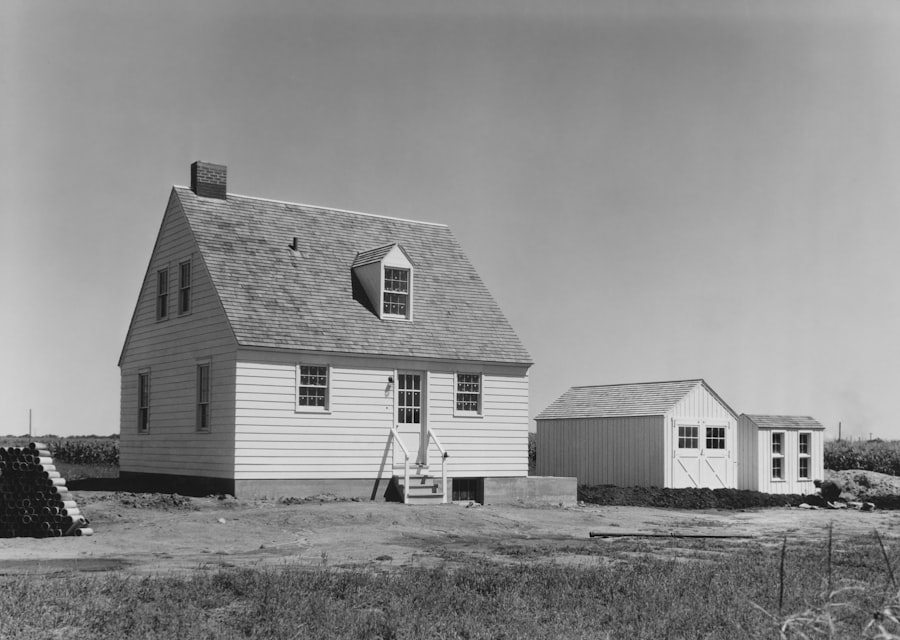
There are numerous property changes that typically require approval in historic districts. For instance, any alterations to the exterior of a building—such as adding new windows or changing siding—often necessitate review. I have seen how even seemingly minor changes can impact the overall character of a historic district, making it crucial for property owners to seek approval before proceeding.
For example, if someone wishes to build an addition onto their historic home, they must demonstrate how it will complement the existing structure and adhere to architectural guidelines. I find it fascinating how these regulations encourage creativity while ensuring that new developments respect the historical context of their surroundings.
Consequences of Violating Historic District Property Rules
Violating property rules in historic districts can lead to serious consequences for homeowners and developers alike. In my observations, penalties can range from fines to mandatory restoration orders requiring property owners to revert unauthorized changes back to their original state. This enforcement is crucial for maintaining the integrity of historic districts and ensuring that all property owners adhere to established guidelines.
In some cases, repeated violations can result in more severe repercussions, such as legal action or loss of tax incentives associated with preservation efforts. I have seen how these consequences serve as a deterrent for potential violators while reinforcing the importance of compliance among residents. Ultimately, these measures help protect not only individual properties but also the collective heritage of the community.
Benefits of Preserving Historic Properties
Preserving historic properties offers numerous benefits that extend beyond mere aesthetics. One significant advantage is economic revitalization; well-maintained historic districts can attract tourists and new businesses alike. I have witnessed firsthand how vibrant historic neighborhoods can become focal points for local economies, providing jobs and stimulating growth through tourism-related activities.
Moreover, preserving historic properties fosters community pride and identity. As I stroll through these neighborhoods, I often feel a sense of belonging and connection to those who came before me. This shared history can strengthen community bonds and encourage residents to engage in local preservation efforts actively.
Additionally, maintaining these properties contributes to environmental sustainability by reducing waste and promoting responsible land use practices.
Resources for Understanding Historic District Property Rules
Navigating the complexities of historic district property rules can be daunting, but numerous resources are available to assist property owners and interested individuals alike. Local preservation commissions often provide guidelines and educational materials outlining specific regulations within their jurisdictions. I have found these resources invaluable when seeking clarity on what is permissible within a given district.
Additionally, national organizations such as the National Trust for Historic Preservation offer extensive information on best practices for maintaining historic properties and understanding preservation laws. Online forums and community groups dedicated to historic preservation can also provide support and advice from fellow enthusiasts and experts in the field. Engaging with these resources has deepened my understanding of preservation efforts and equipped me with knowledge to navigate potential challenges.
Tips for Maintaining Historic Properties
Maintaining historic properties requires careful attention and dedication to preserving their unique character while ensuring they remain functional for modern living. One essential tip I have learned is to prioritize regular maintenance over major renovations whenever possible. Simple tasks like cleaning gutters, inspecting roofs, and addressing minor repairs promptly can prevent more significant issues down the line.
Another crucial aspect is using appropriate materials when making repairs or restorations. I have discovered that sourcing historically accurate materials not only enhances the property’s authenticity but also aligns with preservation guidelines in many districts. Engaging skilled craftsmen familiar with traditional techniques can further ensure that any work done respects the building’s historical integrity while meeting contemporary needs.
Balancing Preservation with Modernization in Historic Districts
Finding a balance between preservation and modernization in historic districts is an ongoing challenge that requires thoughtful consideration from all stakeholders involved. As I observe various approaches taken by property owners, I realize that successful integration often hinges on open communication between residents and preservation commissions. By fostering dialogue about potential changes and their impacts on historical character, communities can work together toward solutions that honor both heritage and progress.
I have seen innovative examples where modern amenities are seamlessly integrated into historic properties without compromising their integrity. For instance, energy-efficient windows designed to mimic original styles allow homeowners to enjoy modern conveniences while adhering to preservation standards. This kind of creative thinking demonstrates that it is possible to respect history while embracing contemporary needs—a balance that ultimately enriches both individual properties and entire neighborhoods.
In conclusion, historic districts represent invaluable treasures within our communities, offering insights into our past while shaping our present and future. By understanding their significance, governance structures, property rules, and maintenance strategies, we can all contribute to preserving these unique areas for generations to come.
For those interested in understanding the complexities of historic district property rules, a related article can be found at this link. This resource provides valuable insights into the regulations and guidelines that govern the preservation of historic properties, ensuring that their architectural integrity is maintained while accommodating modern needs.
📌WATCH THIS! They Tried to Steal My House, So I Made the City Tear It Down
FAQs
What is a historic district?
A historic district is a designated area recognized for its historical, architectural, or cultural significance. Properties within these districts are often subject to specific regulations to preserve their character.
Why are there special rules for properties in historic districts?
Special rules help maintain the historical integrity and aesthetic of the district. These regulations ensure that changes to buildings and landscapes are in keeping with the area’s historic character.
Who enforces historic district property rules?
Local historic preservation commissions or planning departments typically enforce these rules. They review proposed changes to properties and issue permits or approvals as needed.
What types of changes to a property require approval in a historic district?
Commonly regulated changes include exterior alterations, additions, demolitions, new construction, and sometimes landscaping or signage. Interior changes usually are not regulated unless they affect the exterior appearance.
Do historic district rules affect property values?
Rules can help maintain or increase property values by preserving the neighborhood’s character and appeal. However, they may also limit certain modifications, which some owners might view as restrictive.
Can I paint my house any color I want in a historic district?
Color choices may be regulated to ensure they are historically appropriate. Some districts have approved color palettes or require approval before painting.
Are there financial incentives for maintaining a property in a historic district?
Many areas offer tax credits, grants, or other incentives to property owners who restore or maintain historic properties according to preservation standards.
What happens if I violate historic district property rules?
Violations can result in fines, orders to reverse unauthorized changes, or legal action. It is important to obtain proper approvals before making changes.
How can I find out if my property is in a historic district?
You can check with your local city or county planning department, or consult official maps and records available online or at municipal offices.
Can historic district rules change over time?
Yes, rules and guidelines can be updated to reflect new preservation standards, community input, or changes in local laws. Property owners are encouraged to stay informed about current regulations.