
Branding represents the fundamental identity of a business, encompassing its core values, mission, and vision. It directly influences customer perception and purchasing behavior by establishing how consumers view and interact with a company. Effective branding creates emotional connections between businesses and their target audiences, which builds customer loyalty and trust over time.
Strong brands provide companies with competitive advantages by making their products and services more recognizable and memorable to consumers. Branding is a dynamic process that requires ongoing development and refinement.
As businesses grow and market conditions change, brands must adapt to remain relevant and effective. This involves continuous audience research and engagement to ensure brand messaging aligns with customer needs and preferences. Successful branding requires strategic investment of time and resources.
Companies that prioritize brand development typically achieve better customer acquisition and retention rates. A well-established brand serves as a strategic framework that guides business decisions, marketing efforts, and long-term planning across all aspects of operations.
Key Takeaways
- Strong branding is crucial for entrepreneurial success and market differentiation.
- Beige Branding’s decline highlights common signs and consequences of business failure.
- Resilience and adaptability are key traits for overcoming setbacks in entrepreneurship.
- Learning from past mistakes helps entrepreneurs avoid pitfalls and rebuild effectively.
- Inspirational stories show that failure can lead to eventual success with the right strategies.
The Rise and Fall of Beige Branding
In recent years, I have observed a peculiar trend in the entrepreneurial landscape known as “beige branding.” This phenomenon emerged as businesses sought to simplify their identities, opting for neutral colors and minimalist designs that aimed to appeal to a broad audience. Initially, this approach seemed promising; it was clean, modern, and devoid of the clutter that often characterizes traditional branding. However, as I delved deeper into this trend, it became evident that beige branding was not without its pitfalls.
The rise of beige branding was marked by a wave of startups that embraced this aesthetic, believing it would convey sophistication and professionalism. Yet, as time went on, I noticed a troubling pattern: many of these brands struggled to differentiate themselves in an increasingly saturated market. The very simplicity that was meant to attract consumers ended up rendering them forgettable.
As I reflected on this phenomenon, I recognized that while minimalism can be effective, it must be balanced with distinctiveness. The fall of beige branding serves as a cautionary tale for entrepreneurs like myself, reminding us that standing out is crucial in a world where consumers are bombarded with choices.
Recognizing the Signs of Failure in Entrepreneurship
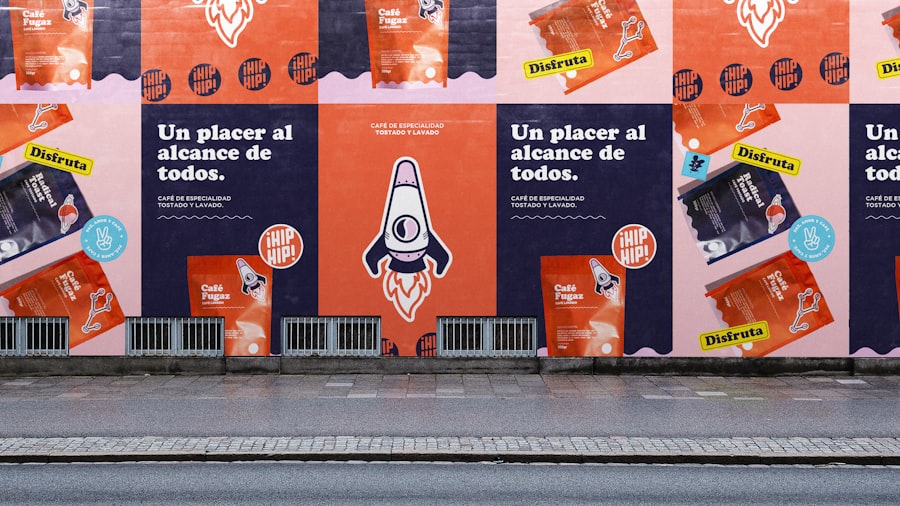
As I navigate my entrepreneurial journey, I have learned to be vigilant in recognizing the signs of failure before they become insurmountable obstacles. One of the first indicators is a decline in customer engagement.
Additionally, financial instability is another critical sign; if my revenue consistently falls short of projections or if expenses are spiraling out of control, it may be time to reassess my strategies. Another sign that failure may be looming is a lack of innovation. In today’s fast-paced business environment, stagnation can be detrimental.
If I find myself relying on outdated practices or failing to adapt to changing consumer preferences, it could signal that my brand is losing relevance. Recognizing these signs early allows me to take proactive measures to pivot or refine my approach before it’s too late. By staying attuned to these indicators, I can better position myself for success and avoid the pitfalls that many entrepreneurs face.
Lessons Learned from Beige Branding’s Downfall
The downfall of beige branding has imparted several valuable lessons that resonate deeply with me as an entrepreneur. First and foremost, I have learned the importance of authenticity in branding. Consumers today crave genuine connections with brands that reflect their values and beliefs.
Beige branding often lacked this authenticity, leading to disconnection between businesses and their audiences. As I build my own brand, I am committed to ensuring that it embodies my true vision and resonates with my target market on a personal level. Additionally, the beige branding trend has taught me the significance of differentiation.
In a world where consumers are inundated with choices, standing out is paramount. I have come to understand that my brand must have a unique voice and identity that sets it apart from competitors. This differentiation goes beyond aesthetics; it encompasses the entire customer experience, from product offerings to customer service.
By embracing what makes my brand unique, I can create a lasting impression that keeps customers coming back for more.
The Impact of Beige Branding’s Failure on the Entrepreneurial Community
| Metric | Description | Typical Value | Impact on Beige Branding Entrepreneur Failure |
|---|---|---|---|
| Brand Differentiation Score | Measures how distinct the brand is from competitors | Low to Medium (3-5/10) | Low differentiation often leads to failure due to lack of customer interest |
| Market Engagement Rate | Percentage of target audience interacting with brand content | 10-20% | Low engagement can indicate weak brand appeal and contribute to failure |
| Customer Retention Rate | Percentage of customers who return after first purchase | 30-50% | Low retention suggests poor brand loyalty, increasing failure risk |
| Brand Awareness Level | Extent to which target market recognizes the brand | Below 40% | Low awareness limits growth potential and can cause failure |
| Entrepreneur Experience | Years of experience in branding and entrepreneurship | 0-3 years | Limited experience often correlates with higher failure rates |
| Investment in Branding | Proportion of budget allocated to brand development | 5-10% | Insufficient investment can weaken brand presence and lead to failure |
The failure of beige branding has reverberated throughout the entrepreneurial community, prompting many of us to reevaluate our approaches to branding and marketing. As I engage with fellow entrepreneurs, I have noticed a growing emphasis on authenticity and creativity in brand development. The lessons learned from beige branding’s downfall have sparked conversations about the importance of standing out in a crowded marketplace and fostering genuine connections with consumers.
Moreover, this shift has encouraged collaboration among entrepreneurs who seek to support one another in building distinctive brands. I have witnessed an increase in networking events and workshops focused on innovative branding strategies that prioritize individuality over conformity. The impact of beige branding’s failure has ultimately led to a more vibrant entrepreneurial ecosystem where creativity thrives and diverse voices are celebrated.
Strategies for Overcoming Failure in Entrepreneurship

As I reflect on the challenges I’ve faced in my entrepreneurial journey, I’ve developed several strategies for overcoming failure. One key approach is embracing a growth mindset. Instead of viewing failure as a setback, I choose to see it as an opportunity for learning and growth.
By analyzing what went wrong and identifying areas for improvement, I can adapt my strategies and make informed decisions moving forward. Another effective strategy is seeking mentorship and guidance from experienced entrepreneurs who have navigated similar challenges. Their insights can provide valuable perspectives and help me avoid common pitfalls.
Additionally, surrounding myself with a supportive network of peers allows me to share experiences and gain encouragement during difficult times. By leveraging these resources, I can build resilience and emerge stronger from setbacks.
Rebuilding a Brand After a Failure
Rebuilding a brand after experiencing failure is no small feat, but it is an essential part of the entrepreneurial journey. When faced with setbacks, I recognize the importance of conducting a thorough assessment of what went wrong and why. This introspection allows me to identify weaknesses in my previous branding strategy and develop a more robust plan moving forward.
Once I’ve gained clarity on the issues at hand, I focus on reestablishing trust with my audience. Transparency is key; I communicate openly about the changes I’m making and the lessons I’ve learned from past mistakes. By demonstrating accountability and a commitment to improvement, I can begin to rebuild my brand’s reputation.
Additionally, I prioritize engaging with my audience through authentic storytelling and meaningful interactions, fostering a sense of connection that encourages loyalty.
The Role of Resilience in Entrepreneurship
Resilience is an indispensable trait for any entrepreneur navigating the unpredictable landscape of business. Throughout my journey, I’ve encountered numerous challenges that tested my resolve and determination. However, I’ve come to understand that resilience is not just about bouncing back from failure; it’s about adapting and evolving in response to adversity.
In moments of difficulty, I’ve learned to lean into my passion for entrepreneurship as a source of motivation. By reminding myself of my purpose and the impact I want to make through my work, I can find the strength to persevere even when faced with setbacks. Resilience also involves cultivating a positive mindset; instead of dwelling on obstacles, I focus on solutions and opportunities for growth.
This mindset shift has empowered me to embrace challenges as stepping stones toward success rather than insurmountable barriers.
Avoiding the Pitfalls of Beige Branding’s Mistakes
To avoid falling into the same traps that led to beige branding’s decline, I’ve made it a priority to prioritize creativity and individuality in my own branding efforts. Rather than conforming to trends or adopting a one-size-fits-all approach, I strive to infuse my brand with unique elements that reflect its personality and values. This commitment to authenticity not only sets me apart but also resonates with consumers who seek genuine connections.
Additionally, I’ve learned the importance of staying attuned to market trends while remaining true to my brand’s identity. While it’s essential to adapt to changing consumer preferences, I recognize that compromising my core values for the sake of popularity can lead to disconnection with my audience. By striking a balance between innovation and authenticity, I can navigate the ever-evolving landscape without losing sight of what makes my brand special.
The Power of Adaptability in Entrepreneurship
Adaptability has emerged as one of the most crucial skills for entrepreneurs in today’s fast-paced business environment. As I reflect on my experiences, I’ve come to appreciate that being adaptable means being open to change and willing to pivot when necessary. The ability to respond swiftly to market shifts or consumer feedback has proven invaluable in maintaining relevance and competitiveness.
In practice, adaptability involves continuously seeking feedback from customers and being willing to iterate on products or services based on their needs. I’ve learned that embracing change doesn’t mean abandoning my vision; rather, it means refining it based on real-world insights. By fostering a culture of adaptability within my business, I can position myself for long-term success while remaining responsive to the dynamic nature of entrepreneurship.
Finding Success After Failure: Stories of Resilient Entrepreneurs
As I navigate my own entrepreneurial journey, I’m inspired by stories of resilient entrepreneurs who have overcome failure and achieved remarkable success. One such story is that of Howard Schultz, former CEO of Starbucks. Schultz faced numerous challenges early on when he attempted to expand Starbucks beyond its original coffee shop concept.
After initial failures in his expansion efforts, he persevered by refining his vision and focusing on creating an exceptional customer experience. Today, Starbucks stands as a global coffee powerhouse. Another inspiring example is J.K.
Rowling, who faced rejection after rejection before finally publishing her beloved Harry Potter series. Rowling’s resilience in the face of adversity serves as a powerful reminder that failure does not define one’s potential for success; rather, it can be a catalyst for growth and innovation. These stories resonate deeply with me as they highlight the importance of resilience in entrepreneurship.
They remind me that setbacks are not the end but rather opportunities for reinvention and growth. As I continue on my path as an entrepreneur, I carry these lessons with me—embracing challenges as stepping stones toward achieving my dreams while remaining committed to building an authentic brand that resonates with others.
In the world of branding, the phenomenon of beige branding has become a topic of discussion, particularly regarding its impact on entrepreneurial success. Many entrepreneurs have faced challenges when their brands fail to stand out in a saturated market. For a deeper understanding of this issue, you can read more about the pitfalls of generic branding in the article found at