
Healthy family dynamics play a fundamental role in human development and well-being. The family unit typically serves as an individual’s first social environment, establishing patterns that influence emotional and psychological growth throughout life. Research demonstrates that families characterized by open communication, mutual support, and emotional security create conditions that promote healthy development and strong interpersonal skills.
These conditions contribute to the development of secure attachment patterns and emotional regulation skills that extend beyond the family unit into other social relationships and life contexts. Studies indicate that healthy family systems significantly enhance individual resilience and stress management capabilities.
Families that maintain supportive relationships and effective communication patterns demonstrate greater collective ability to navigate adversity and recover from difficult circumstances. This resilience-building function extends across generations, as children who experience supportive family dynamics are more likely to develop strong coping mechanisms and collaborative relationship skills that they carry into their adult lives and future family formations.
Key Takeaways
- Healthy family dynamics are crucial for emotional well-being and development.
- Dysfunctional family patterns can negatively impact children’s mental health.
- Effective communication and clear boundaries foster positive family relationships.
- Parents play a key role in shaping and maintaining family dynamics.
- Seeking professional help can improve troubled family environments and support future generations.
Signs of Dysfunctional Family Dynamics
Recognizing the signs of dysfunctional family dynamics can be challenging, especially when one is entrenched in the situation. I have often found that families may exhibit patterns of behavior that seem normal to them but are actually detrimental. For instance, constant criticism or lack of support can create an atmosphere of fear and resentment.
In my observations, families that struggle with dysfunction often have difficulty expressing emotions or resolving conflicts, leading to a cycle of misunderstanding and hurt feelings. Another common sign is the presence of unhealthy roles within the family structure. I have seen families where one member takes on the role of the scapegoat, while another may become the enabler.
These roles can become so ingrained that they are difficult to change, perpetuating a cycle of dysfunction. It’s essential to recognize these patterns early on, as they can have long-lasting effects on all family members involved.
Effects of Unhealthy Family Dynamics on Children

The impact of unhealthy family dynamics on children is profound and far-reaching. I have observed that children raised in dysfunctional environments often struggle with self-esteem issues and may develop anxiety or depression. The lack of a stable support system can hinder their emotional growth, making it difficult for them to form healthy relationships outside the family unit.
In my experience, these children may also exhibit behavioral problems, as they often mimic the conflict and chaos they witness at home. Furthermore, unhealthy family dynamics can lead to a distorted understanding of love and relationships. I have seen children who grow up in environments filled with conflict come to believe that love is synonymous with pain or neglect.
This misconception can carry into adulthood, affecting their ability to form healthy partnerships and friendships. It’s heartbreaking to witness how the patterns established in childhood can echo throughout a person’s life, influencing their choices and interactions long after they leave home.
Communication Patterns in Healthy Family Dynamics
In healthy family dynamics, communication is characterized by openness and honesty. I have found that families who prioritize clear communication tend to resolve conflicts more effectively and foster deeper connections among members. When everyone feels safe to express their thoughts and feelings without fear of judgment, it creates an atmosphere of trust.
I have experienced this firsthand; when my family engages in open dialogues about our emotions and experiences, we strengthen our bonds and enhance our understanding of one another. Active listening is another vital component of healthy communication patterns. I have noticed that when family members genuinely listen to each other, it validates their feelings and encourages further sharing.
This practice not only helps in resolving conflicts but also promotes empathy within the family unit. By taking the time to understand each other’s perspectives, we cultivate a sense of unity that is essential for maintaining healthy dynamics.
Setting Boundaries in Family Dynamics
| Aspect | Right Family | Wrong Family |
|---|---|---|
| Communication | Open and honest | Closed or deceptive |
| Support | Emotional and practical support | Lack of support or neglect |
| Conflict Resolution | Constructive and respectful | Hostile or avoidant |
| Trust | High level of trust | Distrust and suspicion |
| Respect | Mutual respect among members | Disrespect or disregard |
| Emotional Health | Positive and nurturing environment | Stressful and toxic environment |
| Boundaries | Clear and respected boundaries | Blurred or ignored boundaries |
Setting boundaries is an essential aspect of maintaining healthy family dynamics. I have learned that boundaries help define individual needs while respecting the collective needs of the family. When boundaries are established clearly and respectfully, it allows each member to feel secure in their identity and role within the family.
In my experience, families that struggle with boundary-setting often face issues such as resentment or over-dependence among members. Moreover, boundaries can serve as a protective measure against dysfunction. I have seen how families that encourage open discussions about personal limits foster an environment where everyone feels empowered to express their needs.
This practice not only enhances individual well-being but also strengthens the overall family unit by promoting mutual respect and understanding.
Resolving Conflict in Family Dynamics
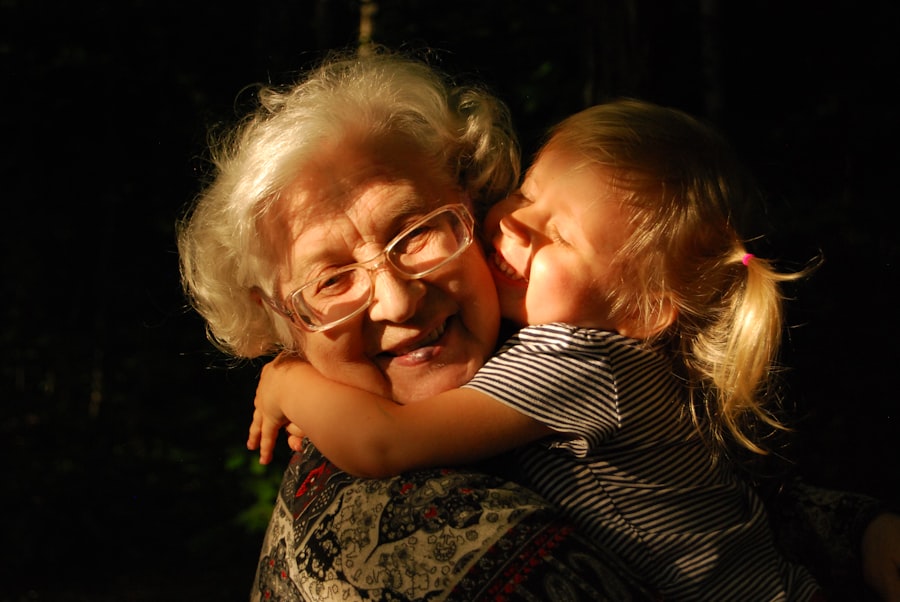
Conflict is an inevitable part of any relationship, including those within families. However, how we approach conflict resolution can significantly impact family dynamics. I have observed that families who engage in constructive conflict resolution tend to emerge stronger from disagreements.
This process often involves active listening, empathy, and a willingness to compromise. In my own experiences, I have found that when conflicts are addressed openly and respectfully, it leads to deeper understanding and connection among family members. On the other hand, unresolved conflicts can fester and lead to long-term dysfunction.
I have seen families where issues are swept under the rug or ignored altogether, resulting in a buildup of resentment and frustration. This avoidance not only hinders personal growth but also creates an unhealthy atmosphere within the family. It’s essential to approach conflicts with a mindset geared toward resolution rather than blame, fostering an environment where everyone feels heard and valued.
The Role of Parents in Shaping Family Dynamics
Parents play a pivotal role in shaping family dynamics through their actions and attitudes. I have come to understand that parental behavior sets the tone for how family members interact with one another. When parents model healthy communication and conflict resolution skills, it lays the groundwork for children to adopt similar behaviors in their own relationships.
In my observations, families where parents prioritize emotional intelligence tend to cultivate a more supportive and nurturing environment. Additionally, parents must be aware of their influence on their children’s perceptions of relationships. I have seen how parental attitudes toward love, respect, and boundaries can significantly impact how children approach their own relationships later in life.
By fostering an environment that emphasizes respect and understanding, parents can help their children develop into emotionally healthy individuals who value positive relationships.
Impact of Cultural and Societal Influences on Family Dynamics
Cultural and societal influences play a significant role in shaping family dynamics. I have noticed that different cultures have varying expectations regarding familial roles, communication styles, and conflict resolution methods. For instance, some cultures may prioritize collectivism over individualism, leading to different approaches to decision-making within families.
Understanding these cultural nuances is essential for fostering healthy dynamics that respect individual identities while promoting unity. Moreover, societal changes can also impact family structures and dynamics. I have observed how shifts in gender roles, economic pressures, and technological advancements can alter traditional family interactions.
Families must adapt to these changes while maintaining core values that promote healthy relationships. By being aware of these influences, families can navigate challenges more effectively and create an environment that supports growth and connection.
Seeking Professional Help for Troubled Family Dynamics
When family dynamics become strained or dysfunctional, seeking professional help can be a crucial step toward healing. I have seen families benefit immensely from therapy or counseling sessions that provide a safe space for open dialogue and exploration of underlying issues. Professional guidance can help families identify unhealthy patterns and develop strategies for improvement.
In my experience, having an impartial third party can facilitate conversations that might otherwise be too difficult to navigate alone. Additionally, therapy can provide valuable tools for communication and conflict resolution that families can use long after sessions have ended.
Seeking help is not a sign of weakness; rather, it demonstrates a commitment to fostering positive change within the family unit.
Creating a Supportive Family Environment
Creating a supportive family environment requires intentional effort from all members involved. I have learned that fostering an atmosphere of encouragement and understanding is essential for nurturing positive relationships within the family unit. Simple practices such as expressing appreciation for one another or celebrating achievements—big or small—can significantly enhance feelings of belonging and support.
Moreover, establishing regular family rituals or traditions can strengthen bonds among members. Whether it’s weekly game nights or annual vacations, these shared experiences create lasting memories and reinforce connections within the family. In my experience, prioritizing quality time together fosters a sense of unity that is vital for maintaining healthy dynamics.
Nurturing Positive Family Dynamics for Future Generations
As I consider the importance of nurturing positive family dynamics for future generations, I realize that our actions today will shape the experiences of those who come after us. By modeling healthy behaviors such as effective communication, empathy, and respect for boundaries, we lay the groundwork for our children to develop into emotionally intelligent individuals who value strong relationships. It’s essential to instill these values early on so that they become ingrained in future generations’ understanding of familial interactions.
I believe that by prioritizing positive dynamics within our families today, we contribute to a cycle of love and support that will resonate through generations to come. Ultimately, nurturing these dynamics is not just about improving our own lives; it’s about creating a legacy of healthy relationships for those who follow us.
In exploring the complexities of moral dilemmas within family dynamics, the article on the concept of right and wrong in familial relationships provides valuable insights. For a deeper understanding of how these ethical considerations play out in real-life scenarios, you can read more in this related article: Right or Wrong in Family Dynamics.
FAQs
What is meant by a “right” or “wrong” family?
The terms “right” or “wrong” family are subjective and often refer to perceptions about family dynamics, values, or behaviors. There is no universally accepted definition, as family structures and norms vary widely across cultures and individuals.
Are there universally accepted criteria for a “right” family?
No, there are no universally accepted criteria. What is considered a “right” family in one culture or context may differ significantly in another. Generally, families that provide support, love, and safety are viewed positively.
Can a family be considered “wrong” if it does not fit traditional norms?
Not necessarily. Families that differ from traditional norms—such as single-parent families, blended families, or same-sex parent families—are not inherently “wrong.” The quality of relationships and emotional support is more important than structure.
How do family dynamics affect individual well-being?
Healthy family dynamics, including open communication, respect, and emotional support, contribute positively to individual well-being. Dysfunctional dynamics, such as abuse or neglect, can negatively impact mental and emotional health.
Is it possible to change a “wrong” family dynamic?
Yes, with effort, communication, and sometimes professional help such as family therapy, families can work to improve unhealthy dynamics and build stronger relationships.
Do cultural differences influence perceptions of family rightness or wrongness?
Yes, cultural values and traditions heavily influence what is considered appropriate or acceptable within families, affecting perceptions of what is “right” or “wrong.”
Can external factors impact whether a family is perceived as right or wrong?
Yes, societal norms, legal frameworks, and community attitudes can influence how families are viewed, sometimes leading to stigma or support depending on the context.
Is the concept of a “right” or “wrong” family helpful in understanding family issues?
While it can provide a framework for discussion, labeling families as “right” or “wrong” can oversimplify complex dynamics and may not be constructive. Focusing on specific behaviors and relationships is often more effective.