
Integrity encompasses moral principles and ethical standards, extending beyond rule adherence to the alignment of actions with personal values. It represents a commitment to honesty, fairness, and accountability—doing what is right regardless of oversight. This internal moral compass guides decision-making and character development, enabling individuals to navigate life’s complexities with purpose and authenticity.
Integrity requires continuous development through self-reflection and confronting personal truths. It influences not only individual conduct but also interpersonal relationships and community impact. By embodying integrity, one builds trustworthiness that strengthens connections with others and creates an environment conducive to honesty and mutual respect.
Key Takeaways
- Integrity is essential for trustworthy decision-making and strong relationships.
- Challenges to integrity include external pressures and personal temptations.
- Honesty and transparency are key components of maintaining integrity.
- Leaders play a crucial role in fostering and modeling integrity within organizations.
- Cultivating a culture of integrity requires consistent effort in daily life and the workplace.
The Importance of Integrity in Decision Making
When faced with decisions, I often find that integrity serves as my guiding star. It compels me to weigh my options carefully, considering not only the potential outcomes but also the ethical implications of my choices. In moments of uncertainty, I remind myself that integrity demands transparency and accountability.
This approach allows me to make decisions that align with my core values, ensuring that I remain true to myself and those I care about. Moreover, I have discovered that integrity in decision-making fosters a sense of confidence and clarity. When I choose to act with integrity, I can stand firm in my convictions, knowing that I have made choices based on principles rather than convenience or expediency.
This commitment to ethical decision-making not only enhances my self-esteem but also inspires others to follow suit.
Recognizing the Challenges to Integrity
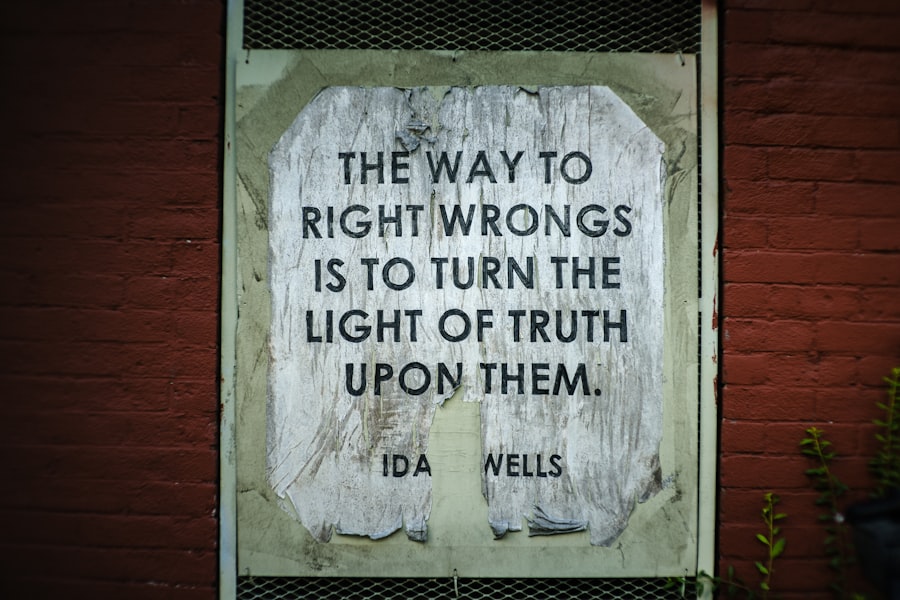
Despite my best intentions, I have encountered numerous challenges that test my integrity. The pressures of societal expectations, peer influence, and the desire for acceptance can sometimes cloud my judgment. In these moments, I must remind myself of the importance of staying true to my values, even when it feels uncomfortable or isolating.
Recognizing these challenges is crucial; it allows me to prepare for situations where my integrity may be compromised. Additionally, I have learned that external factors can create dilemmas that challenge my commitment to integrity. Whether it’s a workplace environment that prioritizes results over ethics or a social setting where dishonesty is normalized, these influences can create internal conflict.
By cultivating resilience and self-awareness, I can navigate these obstacles while remaining steadfast in my commitment to ethical behavior.
The Impact of Integrity on Relationships
Integrity plays a pivotal role in shaping the quality of my relationships. When I act with integrity, I build trust with those around me, creating a foundation for meaningful connections. People are more likely to confide in me and rely on my support when they know I am honest and dependable.
This trust fosters open communication and mutual respect, allowing relationships to flourish in an environment of authenticity. Conversely, when integrity is lacking, relationships can suffer significantly. I have witnessed firsthand how dishonesty or inconsistency can erode trust and create rifts between individuals.
In moments where I have faltered in my commitment to integrity, I have seen the consequences unfold—misunderstandings arise, and connections weaken. This realization reinforces the importance of maintaining integrity not only for my own sake but also for the well-being of those around me.
Honesty and Transparency in Integrity
| Metric | Description | Measurement Method | Example Value |
|---|---|---|---|
| Ethical Decision Rate | Percentage of decisions aligned with ethical guidelines | Review of decisions against a code of ethics | 92% |
| Compliance Score | Degree of adherence to laws and regulations | Audit results and compliance reports | 98% |
| Stakeholder Satisfaction | Level of satisfaction among stakeholders regarding fairness and integrity | Surveys and feedback forms | 4.5/5 |
| Transparency Index | Measure of openness in communication and actions | Assessment of disclosures and reporting practices | 85% |
| Conflict Resolution Rate | Percentage of conflicts resolved ethically and fairly | Case studies and resolution tracking | 90% |
Honesty and transparency are integral components of integrity that resonate deeply with me. When I choose to be honest, I am not only being truthful with others but also with myself. This commitment to honesty requires vulnerability; it means acknowledging my mistakes and shortcomings while striving for growth and improvement.
In this way, honesty becomes a powerful tool for self-discovery and personal development. Transparency complements honesty by fostering an environment where open dialogue is encouraged. When I practice transparency in my interactions, I create space for others to express their thoughts and feelings without fear of judgment.
This openness cultivates trust and strengthens relationships, as people feel valued and respected for their contributions. By prioritizing honesty and transparency in my life, I contribute to a culture where integrity thrives, ultimately benefiting both myself and those around me.
Making Difficult Choices with Integrity
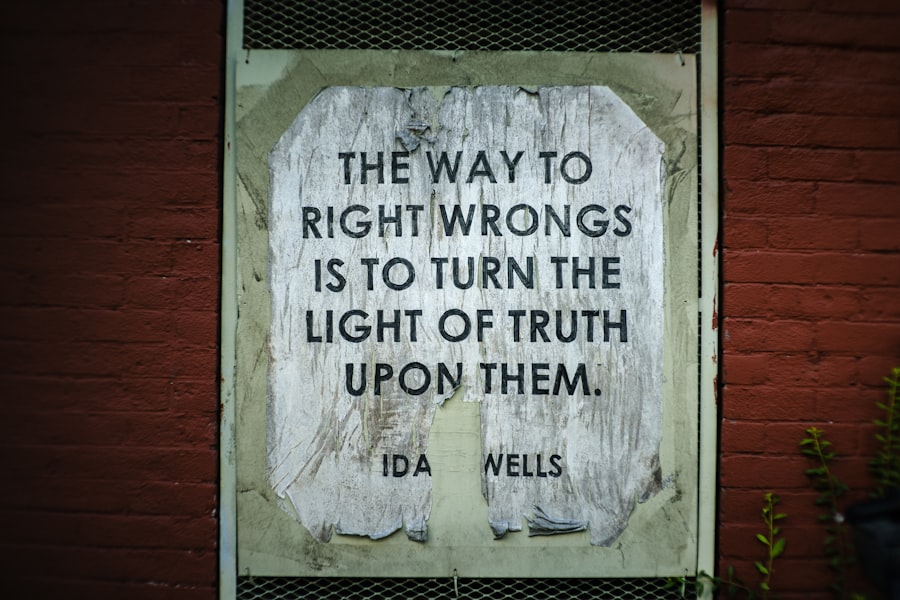
Life often presents me with difficult choices that challenge my commitment to integrity. In these moments, I find it essential to pause and reflect on the values that guide me. It is easy to succumb to temptation or take shortcuts when faced with pressure; however, I have learned that true strength lies in making choices that align with my principles, even when they are not the easiest path.
I recall instances where I had to choose between personal gain and doing what was right for others. These decisions were not without their challenges; they required courage and conviction. Yet, each time I chose integrity over convenience, I emerged from the experience with a deeper sense of self-respect and fulfillment.
These moments serve as reminders that while difficult choices may come at a cost, the long-term benefits of acting with integrity far outweigh any temporary discomfort.
Integrity in the Workplace
In the workplace, integrity is paramount for fostering a positive organizational culture. As someone who values ethical behavior, I strive to create an environment where honesty and accountability are prioritized. When colleagues act with integrity, it enhances collaboration and teamwork, as trust becomes the foundation upon which we build our professional relationships.
Moreover, I recognize that integrity in the workplace extends beyond individual conduct; it encompasses organizational practices as well. Companies that prioritize ethical behavior are more likely to attract top talent and retain loyal employees. By advocating for integrity within my workplace, I contribute to a culture where everyone feels empowered to speak up against unethical practices and work towards shared goals with a sense of purpose.
Integrating Integrity into Daily Life
Integrating integrity into my daily life requires conscious effort and mindfulness. It begins with self-awareness—recognizing my values and ensuring that my actions align with them in every aspect of life. Whether it’s in personal relationships or professional settings, I strive to embody integrity consistently.
I have found that small daily practices can significantly enhance my commitment to integrity. For instance, setting aside time for reflection allows me to assess my actions and decisions regularly. Additionally, surrounding myself with individuals who share similar values reinforces my dedication to living with integrity.
By consciously integrating these practices into my routine, I cultivate an environment where integrity becomes second nature.
The Role of Integrity in Leadership
As a leader, integrity is one of the most critical qualities I can possess. It sets the tone for the entire team and influences how others perceive our mission and values. When I lead with integrity, I inspire trust among team members, encouraging them to embrace ethical behavior in their own roles.
This creates a ripple effect—when leaders prioritize integrity, it fosters a culture where everyone feels empowered to act ethically. Moreover, leading with integrity means being accountable for my actions and decisions. It requires humility and a willingness to admit mistakes while learning from them.
By demonstrating this level of accountability, I encourage others to do the same, creating an environment where growth and development are prioritized over blame or fear of failure.
Overcoming Temptations and Pressures with Integrity
In a world filled with temptations and pressures, maintaining integrity can be challenging. There are moments when shortcuts seem appealing or when external influences encourage unethical behavior. However, I have learned that overcoming these temptations requires a strong sense of self-awareness and commitment to my values.
When faced with pressure to compromise my integrity, I remind myself of the long-term consequences of such actions. The fleeting satisfaction gained from succumbing to temptation pales in comparison to the lasting impact of acting ethically. By cultivating resilience and surrounding myself with supportive individuals who share my commitment to integrity, I am better equipped to navigate these challenges while staying true to myself.
Cultivating a Culture of Integrity
Cultivating a culture of integrity requires collective effort and commitment from everyone involved. As someone who values ethical behavior, I strive to contribute positively by encouraging open dialogue about integrity within my community or organization. This involves creating spaces where individuals feel comfortable discussing ethical dilemmas and sharing their experiences.
Moreover, leading by example is crucial in fostering a culture of integrity. When others see me consistently acting with honesty and accountability, it inspires them to do the same. By recognizing and celebrating acts of integrity within my community or workplace, we reinforce the importance of ethical behavior as a shared value—ultimately creating an environment where everyone feels empowered to uphold their principles.
In conclusion, understanding and embracing integrity has profoundly shaped my life experiences and interactions with others. From decision-making processes to building meaningful relationships, the impact of integrity is far-reaching and transformative. By recognizing challenges, prioritizing honesty and transparency, making difficult choices, and cultivating a culture of integrity within various spheres of life—both personally and professionally—I continue on this journey toward becoming a more authentic version of myself while inspiring those around me to do the same.
In the pursuit of ethical decision-making, it’s essential to reflect on the principles that guide our actions. A related article that delves into the importance of integrity and moral responsibility can be found at this link. It offers valuable insights into the challenges of doing the right thing in various situations, encouraging readers to consider the impact of their choices on themselves and others.
FAQs
What does “doing the right thing” mean?
“Doing the right thing” refers to making ethical and moral choices that align with principles of honesty, fairness, and integrity. It involves acting in ways that are considered morally correct and beneficial to others.
Why is it important to do the right thing?
Doing the right thing helps build trust, fosters positive relationships, and promotes a just and fair society. It also contributes to personal integrity and self-respect.
How can someone determine what the right thing to do is?
Determining the right thing to do often involves considering ethical principles, societal norms, the potential impact on others, and personal values. Consulting laws, guidelines, and seeking advice from trusted individuals can also help.
Are there challenges associated with doing the right thing?
Yes, challenges can include facing peer pressure, potential personal loss, or uncertainty about the best course of action. Sometimes, doing the right thing may require courage and sacrifice.
Can doing the right thing vary across cultures?
Yes, cultural values and norms can influence perceptions of what is considered the right thing to do. However, many ethical principles, such as honesty and fairness, are widely recognized across cultures.
How can organizations encourage employees to do the right thing?
Organizations can promote ethical behavior by establishing clear codes of conduct, providing ethics training, encouraging open communication, and creating an environment where employees feel safe to report unethical behavior.
What role does personal integrity play in doing the right thing?
Personal integrity is crucial as it involves consistently adhering to moral and ethical principles, even when it is difficult. It guides individuals to act honestly and responsibly.
Is doing the right thing always legally required?
Not always. While laws set minimum standards for behavior, doing the right thing often goes beyond legal requirements and involves ethical considerations that may not be legally mandated.