
Navigating the complexities of modern relationships can be challenging, particularly when it comes to aligning schedules, priorities, and emotional investments. This phenomenon, which can be described as “calendar fog,” creates confusion and uncertainty between partners. In today’s fast-paced environment with numerous commitments and distractions, maintaining clarity about relationship direction becomes difficult.
Without addressing this issue, couples may experience misunderstandings, unmet expectations, and emotional distress. Calendar fog extends beyond simple scheduling conflicts to encompass broader relationship challenges.
Identifying these warning signs early allows individuals to address concerns proactively, fostering relationships built on transparency, mutual respect, and common objectives.
Key Takeaways
- Calendar fog in relationships refers to confusion and uncertainty caused by inconsistent scheduling and communication.
- Lack of transparency and frequent plan changes signal potential relationship issues.
- Prioritizing work or social life over the partner can indicate low commitment.
- Avoiding introductions to friends and family or refusing to define the relationship are key red flags.
- Recognizing these signs early helps address problems and clarify relationship intentions.
Lack of Communication and Transparency
One of the most significant contributors to the calendar fog is a lack of communication and transparency between partners. I have often found myself in situations where assumptions were made instead of open discussions taking place. When I fail to express my thoughts and feelings clearly, it creates a breeding ground for misunderstandings.
For instance, if I assume my partner knows how important it is for me to spend quality time together without explicitly stating it, I may end up feeling neglected or unvalued when plans fall through. Transparency is equally crucial in fostering trust within a relationship. I have learned that when I am open about my schedule, commitments, and feelings, it encourages my partner to do the same.
This mutual exchange of information helps to dispel the fog and allows both of us to navigate our lives together more effectively. Without this transparency, I risk creating an environment where doubts and insecurities flourish, leading to further complications down the line.
Constantly Changing Plans and Flakiness
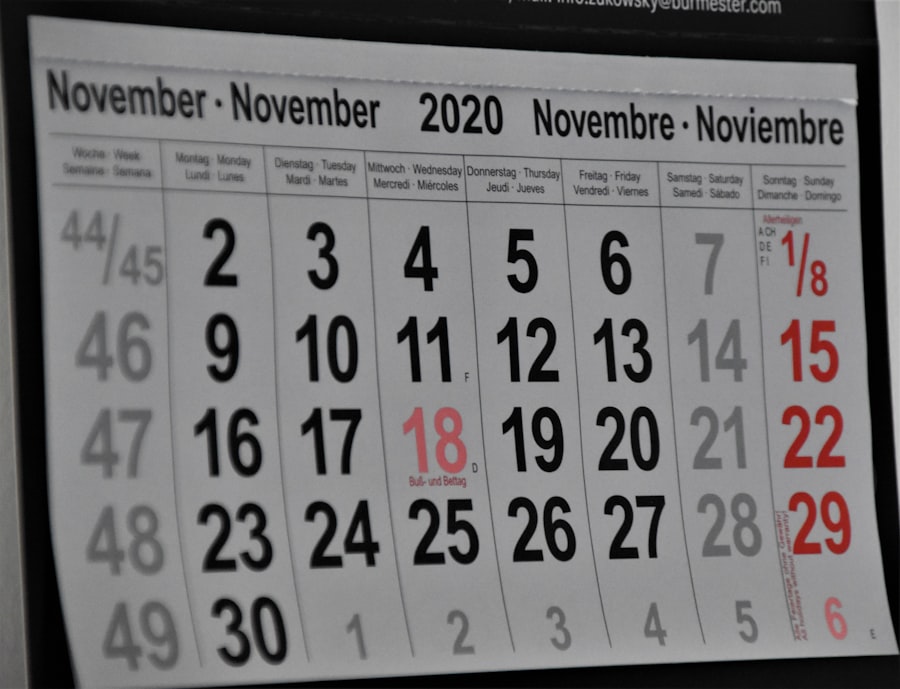
Another aspect of the calendar fog that I have encountered is the issue of constantly changing plans and flakiness. It can be incredibly frustrating when I make an effort to coordinate schedules only to have my partner cancel or reschedule at the last minute. This behavior not only disrupts my plans but also sends a message that our time together is not a priority.
I have come to realize that consistency is key in any relationship; when plans are frequently altered or abandoned, it can lead to feelings of disappointment and resentment. In my experience, flakiness often stems from a lack of commitment or prioritization of the relationship. When I find myself in situations where my partner seems more invested in other activities than in spending time with me, it raises questions about their intentions.
I have learned that addressing this issue directly is essential; by discussing how their behavior affects me, I can gain insight into their perspective and work towards finding a balance that respects both our needs.
Prioritizing Work or Social Commitments Over the Relationship
In today’s fast-paced world, it is all too easy to prioritize work or social commitments over personal relationships. I have often found myself caught in this trap, where career aspirations or social obligations take precedence over nurturing my romantic connections. While ambition and socializing are important aspects of life, I have come to understand that neglecting my relationship can lead to feelings of isolation and disconnection.
When my partner consistently prioritizes work or social events over our time together, it can create a sense of imbalance in the relationship. I have experienced moments where I felt like an afterthought rather than a priority, which only adds to the calendar fog. It is crucial for both partners to recognize the importance of dedicating time to each other amidst their busy lives.
By setting aside intentional time for one another, we can strengthen our bond and ensure that our relationship remains a priority.
Unwillingness to Commit to Future Plans
| Metric | Description | Implication in Relationship | Red Flag Indicator |
|---|---|---|---|
| Calendar Fog | Confusion or inconsistency about important dates and events | May indicate lack of attention or prioritization of partner’s schedule | Frequently forgetting anniversaries, plans, or commitments |
| Communication Frequency | Number of meaningful interactions per week | Higher frequency often correlates with stronger connection | Sudden drop or inconsistent communication patterns |
| Planning Reliability | Ability to make and keep plans on agreed dates | Shows respect and commitment to relationship | Regular cancellations or vague scheduling |
| Emotional Availability | Willingness to share feelings and be present emotionally | Essential for trust and intimacy | Avoidance of deep conversations or emotional distance |
| Consistency in Actions | Alignment between words and behaviors over time | Builds trust and predictability | Frequent contradictions or broken promises |
The unwillingness to commit to future plans is another significant red flag that often contributes to the calendar fog. I have encountered situations where my partner hesitates to make plans beyond the immediate future, leaving me feeling uncertain about our trajectory as a couple. This reluctance can stem from various reasons—fear of commitment, uncertainty about feelings, or simply being overwhelmed by other responsibilities.
In my experience, discussing future plans is essential for establishing a sense of security within a relationship. When I express my desire for us to make plans together—whether it’s a weekend getaway or even discussing long-term goals—I am often met with hesitation or vague responses. This lack of commitment can create anxiety and doubt about the future of our relationship.
It is vital for both partners to engage in these conversations openly, as they provide an opportunity for growth and alignment in our shared vision.
Inconsistency in Contact and Communication

Inconsistency in contact and communication can significantly contribute to the calendar fog in relationships. There have been times when I felt like I was playing a game of emotional hide-and-seek with my partner—one moment we would be deeply connected, and the next, there would be radio silence. This inconsistency can leave me feeling anxious and questioning the stability of our connection.
I have learned that regular communication is essential for maintaining intimacy and trust in a relationship. When I make an effort to check in with my partner consistently—whether through texts, calls, or face-to-face conversations—it fosters a sense of closeness and reassurance. Conversely, when communication becomes sporadic or one-sided, it can create distance and uncertainty.
By prioritizing consistent contact, I can help clear the fog and strengthen our bond.
Avoidance of Introducing Partner to Friends and Family
The avoidance of introducing a partner to friends and family can be another indicator of underlying issues within a relationship. In my own experiences, I have noticed that when someone is hesitant to integrate me into their social circle or family gatherings, it raises questions about their level of commitment. It often feels like they are keeping me at arm’s length, which only adds to the confusion surrounding our relationship.
I have come to understand that introducing a partner to friends and family is an important step in solidifying a relationship’s legitimacy. It signifies a willingness to share one’s life with another person and fosters a sense of belonging. When I find myself being kept separate from significant aspects of my partner’s life, it can lead me to question their intentions and feelings toward me.
Open discussions about this topic can help clarify any misunderstandings and pave the way for deeper connections.
Unexplained Disappearances or Ghosting
Unexplained disappearances or ghosting can be one of the most painful experiences in navigating relationships. There have been instances where my partner has suddenly gone silent without explanation, leaving me feeling abandoned and confused. This behavior not only disrupts communication but also creates an emotional void that can be difficult to fill.
I have learned that ghosting often stems from an inability or unwillingness to confront difficult conversations or emotions. When someone chooses to disappear rather than address issues directly, it leaves the other person grappling with unanswered questions and unresolved feelings. In my own journey, I have found it essential to communicate openly about any concerns or fears rather than resorting to silence.
By fostering an environment where both partners feel safe discussing their feelings, we can work through challenges together instead of allowing them to fester in the shadows.
Making Excuses for Not Spending Time Together
Making excuses for not spending time together is another common behavior that contributes to the calendar fog in relationships.
While these reasons may be valid at times, consistent excuses can create feelings of neglect and frustration.
I have come to realize that prioritizing time together is essential for nurturing any relationship. When I find myself constantly making excuses for why we can’t connect, it raises concerns about our level of commitment and investment in each other. It is crucial for both partners to recognize the importance of carving out time for one another amidst their busy lives.
By making an effort to prioritize our relationship over external distractions, we can strengthen our bond and dispel the fog that clouds our connection.
Refusal to Define the Relationship or Discuss the Future
The refusal to define the relationship or discuss future plans can create significant uncertainty within a partnership. In my own experiences, I have encountered situations where my partner hesitated to label our connection or engage in conversations about what lies ahead. This ambiguity can lead to feelings of insecurity and anxiety as I grapple with questions about our commitment level.
I have learned that having open discussions about our relationship’s status and future aspirations is vital for establishing clarity and security. When both partners are willing to engage in these conversations, it fosters a sense of alignment and shared goals. Conversely, avoiding these discussions can perpetuate confusion and leave one partner feeling undervalued or uncertain about their place in the relationship.
Recognizing and Addressing Relationship Red Flags in the Calendar Fog
As I reflect on my journey through various relationships marked by the calendar fog, I recognize the importance of being vigilant about red flags that may arise along the way. From lack of communication and transparency to avoidance of commitment and unexplained disappearances, these signs can indicate deeper issues that require attention. By acknowledging these red flags early on, I empower myself to address them proactively rather than allowing them to fester.
Ultimately, navigating relationships requires effort from both partners—an ongoing commitment to open communication, mutual respect, and shared goals. By recognizing the signs of calendar fog and taking steps to address them head-on, I can foster healthier connections built on trust and understanding. In doing so, I not only enhance my own experiences but also contribute positively to the relationships I cherish most.
In exploring the complexities of relationships, the concept of “calendar fog” can often serve as a significant red flag. This phenomenon occurs when one partner consistently fails to communicate their availability or plans, leading to confusion and frustration. For a deeper understanding of how communication issues can impact relationships, you might find the article on calendar fog and its implications particularly insightful.
FAQs
What does “calendar fog” mean in a relationship?
Calendar fog refers to a situation where one or both partners frequently forget important dates, appointments, or plans, leading to confusion and misunderstandings in the relationship.
Why is calendar fog considered a red flag in relationships?
Calendar fog can indicate a lack of attention, care, or respect for the partner’s time and feelings. It may suggest poor communication, disorganization, or a lack of commitment, which can harm the relationship’s trust and stability.
How can calendar fog affect a relationship?
Calendar fog can cause frustration, disappointment, and resentment between partners. It may lead to missed events, broken promises, and feelings of being undervalued or ignored, ultimately weakening the emotional connection.
What are some common signs of calendar fog in a relationship?
Common signs include frequently forgetting anniversaries, birthdays, or planned activities, double-booking events, failing to communicate schedule changes, and showing little effort to remember important dates.
Can calendar fog be resolved or improved?
Yes, calendar fog can often be improved through better communication, using shared calendars or reminders, setting priorities, and making a conscious effort to remember and respect important dates and commitments.
Is calendar fog always a sign of deeper relationship problems?
Not necessarily. While calendar fog can be a red flag, it might also result from stress, busy schedules, or forgetfulness. However, if it persists and causes ongoing issues, it may indicate deeper problems that need addressing.
What steps can couples take to prevent calendar fog?
Couples can use digital calendars, set reminders, regularly discuss upcoming plans, establish routines for remembering important dates, and openly communicate about scheduling needs and expectations.
When should calendar fog be a cause for concern?
Calendar fog should be a concern if it leads to repeated hurt feelings, broken trust, or if one partner consistently disregards the other’s time and commitments despite efforts to improve the situation.