
Family fraud can take many forms, and understanding these variations is crucial for anyone who wants to protect themselves and their loved ones. One of the most common types is financial exploitation, where a family member misuses another’s funds or assets for personal gain. This could manifest as unauthorized withdrawals from a joint account or the manipulation of an elderly relative into signing over property or money.
This type of fraud often creates significant rifts within families, leading to feelings of betrayal and mistrust. Another prevalent form of family fraud is identity theft, which occurs when a family member uses another’s personal information without consent. This might involve opening credit accounts in someone else’s name or using their Social Security number to gain benefits.
The emotional impact of discovering such a violation of trust from a family member can be devastating. Understanding these types of fraud is the first step in recognizing and preventing them, allowing individuals to take proactive measures to safeguard their family’s financial well-being.
Key Takeaways
- Family fraud can take various forms, making awareness of different types essential for prevention.
- Setting clear boundaries and maintaining open communication with family members helps reduce fraud risks.
- Protecting personal and financial information is crucial to safeguard against family-related fraud.
- Regularly monitoring financial accounts and transactions aids in early detection of fraudulent activities.
- Seeking professional advice and reporting suspected fraud ensures proper handling and support for victims.
Recognizing the Warning Signs of Family Fraud
Recognizing the warning signs of family fraud is essential for early intervention. I have learned that certain behaviors can indicate potential fraudulent activity. For instance, if a family member suddenly becomes secretive about their finances or avoids discussing money matters, it may raise a red flag.
Additionally, if I notice unusual transactions on shared accounts or if a family member begins to pressure me into making financial decisions without proper discussion, these could be signs that something is amiss. Another warning sign is a sudden change in a family member’s lifestyle that doesn’t align with their known income. If I observe someone living beyond their means—perhaps driving an expensive car or taking lavish vacations—it could suggest that they are engaging in fraudulent activities.
Being vigilant about these signs has helped me stay alert and protect myself and my loved ones from potential financial harm.
Establishing Boundaries and Communication with Family Members

Establishing clear boundaries and open lines of communication with family members is vital in preventing family fraud. I have found that discussing financial matters openly can help create an environment of trust and transparency. By setting boundaries around financial discussions, I can ensure that everyone understands what is acceptable and what is not.
This proactive approach can deter potential fraudulent behavior by making it clear that I am aware and engaged in our family’s financial affairs. Moreover, fostering an atmosphere where family members feel comfortable discussing their concerns can be incredibly beneficial. I have learned that regular family meetings to discuss finances, goals, and any potential issues can help keep everyone on the same page.
This open dialogue not only strengthens our relationships but also serves as a deterrent against fraudulent activities, as it becomes more challenging for anyone to act deceitfully when there is a culture of transparency.
Securing Your Personal and Financial Information
Securing my personal and financial information is paramount in the fight against family fraud. I have taken steps to ensure that my sensitive data is protected, such as using strong passwords and enabling two-factor authentication on my accounts. By being diligent about my online security, I can significantly reduce the risk of unauthorized access to my financial information.
Additionally, I have learned the importance of regularly reviewing my financial statements and credit reports. This practice allows me to catch any discrepancies early on, which could indicate fraudulent activity. By staying proactive about monitoring my accounts, I can safeguard my financial health and protect myself from potential exploitation by family members or others.
Creating a Family Fraud Prevention Plan
| Protection Measure | Description | Effectiveness | Implementation Tips |
|---|---|---|---|
| Verify Identity | Always confirm the identity of the family member requesting sensitive information or money. | High | Use a secondary communication method to confirm requests (e.g., call or meet in person). |
| Set Boundaries | Establish clear financial boundaries and limits with family members. | Medium | Discuss and document financial agreements to avoid misunderstandings. |
| Monitor Financial Accounts | Regularly review bank and credit accounts for unauthorized transactions. | High | Set up alerts for large or unusual transactions. |
| Educate Yourself | Learn about common family fraud tactics and warning signs. | Medium | Attend workshops or read trusted resources on fraud prevention. |
| Use Legal Agreements | Formalize loans or financial help with written contracts. | High | Consult a lawyer to draft agreements to protect your interests. |
| Limit Access to Personal Information | Do not share sensitive personal or financial information unnecessarily. | High | Keep documents secure and avoid oversharing on social media. |
| Seek Third-Party Advice | Consult trusted advisors or professionals before making large financial decisions involving family. | Medium | Use financial advisors or counselors for impartial guidance. |
Creating a family fraud prevention plan has been an essential step in safeguarding my loved ones and myself from potential fraud. I began by outlining specific strategies that we could all agree upon, such as regular financial check-ins and establishing clear guidelines for sharing sensitive information. This plan serves as a roadmap for our family, ensuring that everyone understands their role in preventing fraud.
In addition to outlining strategies, I have also included educational components in our plan. By providing resources on recognizing fraud and understanding its implications, I empower my family members to be vigilant and informed. This collective effort not only strengthens our defenses against fraud but also fosters a sense of unity as we work together to protect one another.
Seeking Professional Help and Legal Advice
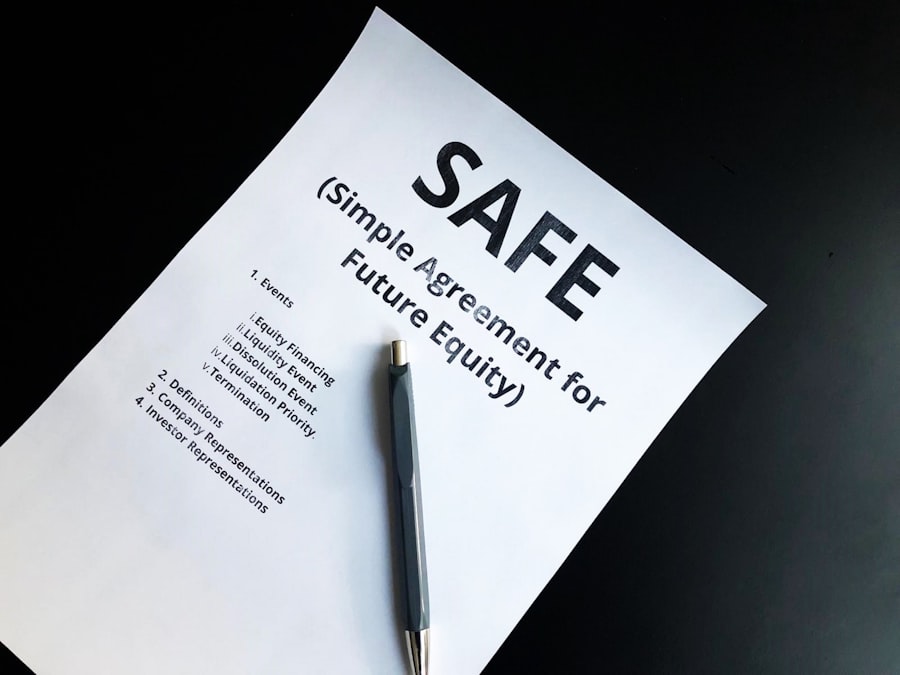
When it comes to family fraud, seeking professional help and legal advice can be invaluable. I have realized that consulting with a financial advisor or attorney can provide me with insights into the legal ramifications of fraudulent activities within families. These professionals can guide me on how to navigate complex situations and help me understand my rights and options.
Moreover, involving professionals can also lend credibility to my concerns when discussing issues with family members. If I suspect fraudulent behavior, having an expert’s opinion can reinforce the seriousness of the situation and encourage open dialogue about necessary changes. This step not only helps protect my interests but also promotes accountability among family members.
Educating Yourself and Your Family Members about Fraud Prevention
Education is one of the most powerful tools in preventing family fraud. I have made it a priority to educate myself about various types of fraud, including the tactics used by perpetrators and the psychological factors that may lead someone to commit fraud against their own family.
I have also taken the initiative to share this knowledge with my family members. Organizing workshops or discussions about fraud prevention has proven beneficial in raising awareness among my loved ones. By fostering an environment where we can learn together, we not only strengthen our defenses against fraud but also build trust and communication within our family unit.
Implementing Trustworthy Security Measures
Implementing trustworthy security measures is crucial in protecting myself and my family from potential fraud. I have invested in reliable security software for our devices, ensuring that we are protected from malware and phishing attempts that could compromise our personal information. Additionally, I have made it a habit to regularly update software and applications to keep our systems secure.
Physical security measures are equally important. I have taken steps to secure important documents by storing them in a safe place, such as a locked filing cabinet or a safe deposit box. By being diligent about both digital and physical security, I can significantly reduce the risk of falling victim to family fraud or any other form of exploitation.
Monitoring Your Financial Accounts and Transactions
Monitoring my financial accounts and transactions has become a regular practice for me, as it plays a critical role in detecting any signs of fraud early on. I make it a point to review my bank statements frequently, looking for any unfamiliar transactions or discrepancies that could indicate unauthorized access to my accounts. This vigilance allows me to act quickly if something seems off.
In addition to reviewing statements, I have set up alerts for significant transactions on my accounts. These notifications provide an extra layer of security by keeping me informed about any activity that occurs in real-time.
Reporting Suspected Family Fraud to the Proper Authorities
If I ever suspect family fraud, knowing how to report it is crucial for taking appropriate action. I have familiarized myself with the proper authorities to contact, such as local law enforcement or consumer protection agencies. Understanding the reporting process has empowered me to take swift action if necessary, ensuring that any fraudulent activity is addressed promptly.
Reporting suspected fraud not only helps protect myself but also serves as a warning to others who may be at risk within the same family dynamic. By taking this step, I contribute to raising awareness about the issue and potentially preventing further exploitation of vulnerable individuals within families.
Seeking Support and Counseling for Victims of Family Fraud
The emotional toll of experiencing family fraud can be overwhelming, which is why seeking support and counseling is essential for victims like myself. I have found that talking to a therapist or counselor who specializes in trauma can provide valuable coping strategies and emotional support during such difficult times. This professional guidance helps me process my feelings of betrayal and loss while also equipping me with tools to rebuild trust in relationships.
Additionally, support groups for victims of fraud can offer a sense of community and understanding that is often hard to find elsewhere. Sharing experiences with others who have faced similar challenges has been incredibly healing for me. It reminds me that I am not alone in this journey and that there are paths toward recovery and rebuilding trust within my family.
In conclusion, understanding family fraud requires vigilance, education, and proactive measures. By recognizing the different types of fraud, establishing boundaries, securing personal information, creating prevention plans, seeking professional help, educating ourselves, implementing security measures, monitoring finances, reporting suspicious activities, and seeking support when needed, we can protect ourselves and our loved ones from the devastating effects of family fraud.
To effectively protect yourself from family fraud, it’s essential to stay informed about the various tactics that can be employed and the preventive measures you can take. A helpful resource on this topic can be found in the article titled “Understanding Family Fraud and How to Protect Yourself,” which provides valuable insights and strategies. You can read the article [here](https://www.amiwronghere.com/sample-page/).
FAQs
What is family fraud?
Family fraud refers to deceptive or dishonest actions committed by a family member to gain financial or personal benefits at the expense of another family member. This can include identity theft, misuse of funds, or manipulation of legal documents.
How can I recognize signs of family fraud?
Common signs include unexplained withdrawals from your bank accounts, sudden changes in financial documents, missing valuables, or family members pressuring you to sign documents without clear explanations.
What steps can I take to protect myself from family fraud?
To protect yourself, keep your financial information private, regularly monitor your accounts, use strong passwords, avoid sharing sensitive information, and consult a trusted legal advisor before signing any documents.
Should I involve law enforcement if I suspect family fraud?
Yes, if you have clear evidence or strong suspicion of family fraud, it is important to report it to law enforcement authorities to protect your rights and prevent further harm.
Can legal measures help prevent family fraud?
Yes, legal measures such as setting up power of attorney carefully, creating trusts, and having clear wills can help protect your assets and reduce the risk of family fraud.
How can I safeguard my digital information from family fraud?
Use strong, unique passwords for your online accounts, enable two-factor authentication, avoid sharing passwords with family members, and regularly update your security settings.
Is it important to communicate openly about finances with family members?
While open communication can help, it is also important to maintain boundaries and be cautious about sharing sensitive financial information, especially if there are concerns about trust.
What role do financial institutions play in preventing family fraud?
Financial institutions often have fraud detection systems and can provide alerts for suspicious activities. They can also offer advice on securing accounts and may require additional verification for transactions.
Can counseling or mediation help in cases of suspected family fraud?
Yes, counseling or mediation can sometimes help resolve misunderstandings or disputes within families, but in cases of clear fraud, legal action may be necessary.
Where can I find professional help if I suspect family fraud?
You can seek assistance from legal professionals specializing in elder law or family law, financial advisors, and local consumer protection agencies.