Infidelity represents a significant challenge in romantic relationships, with research indicating it affects a substantial portion of couples across various demographics. The breakdown of trust associated with extramarital affairs often results in measurable psychological impacts, including increased rates of depression, anxiety, and relationship dissolution. Modern technological advances have introduced new methods for investigating suspected infidelity, with DNA testing emerging as a scientifically reliable option for obtaining definitive evidence.
DNA testing provides objective, laboratory-based results that can confirm or refute suspicions of infidelity with high accuracy rates, typically exceeding 99.9% for paternity determinations and other genetic analyses. This forensic approach eliminates ambiguity that often accompanies other investigative methods, offering clear biological evidence that can inform decision-making processes. The application of DNA testing in infidelity cases encompasses multiple scenarios, including paternity verification, analysis of biological evidence from personal items or clothing, and confirmation of sexual contact through genetic material.
These scientific methods utilize established forensic protocols and chain-of-custody procedures to ensure reliable results that may be admissible in legal proceedings. Understanding the capabilities and limitations of DNA testing technology enables individuals to make informed decisions about whether this investigative approach aligns with their specific circumstances and relationship goals.
Key Takeaways
- DNA testing offers scientific methods to detect infidelity with concrete evidence.
- Understanding the legal and ethical implications is crucial when using DNA tests in relationships.
- DNA testing can have significant emotional impacts but may also aid in rebuilding trust.
- Professional guidance is important to navigate the complexities of DNA testing for infidelity.
- Various DNA testing methods exist, each with different applications and reliability in uncovering infidelity.
Understanding the Science Behind DNA Testing
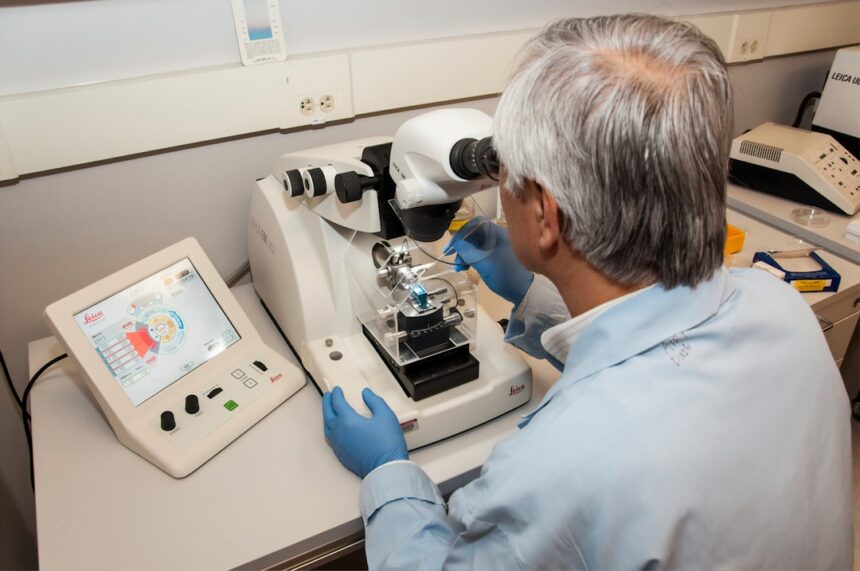
At its core, DNA testing is a scientific process that analyzes an individual’s genetic material to identify unique patterns. Each person has a distinct DNA profile, which can be used to establish biological relationships or confirm identity. The technology behind DNA testing has advanced significantly over the years, making it more accessible and reliable than ever before.
I find it fascinating how a simple sample—be it saliva, blood, or hair—can reveal so much about an individual’s genetic makeup. The process typically involves collecting a sample and sending it to a laboratory for analysis. The lab then examines specific regions of the DNA that are known to vary among individuals.
By comparing these regions, scientists can determine whether two samples come from the same person or if there is a biological relationship between them. This scientific foundation is what makes DNA testing such a powerful tool in uncovering infidelity. It provides objective evidence that can either confirm or dispel suspicions, allowing individuals to confront their fears with factual information.
The Role of DNA Testing in Uncovering Infidelity
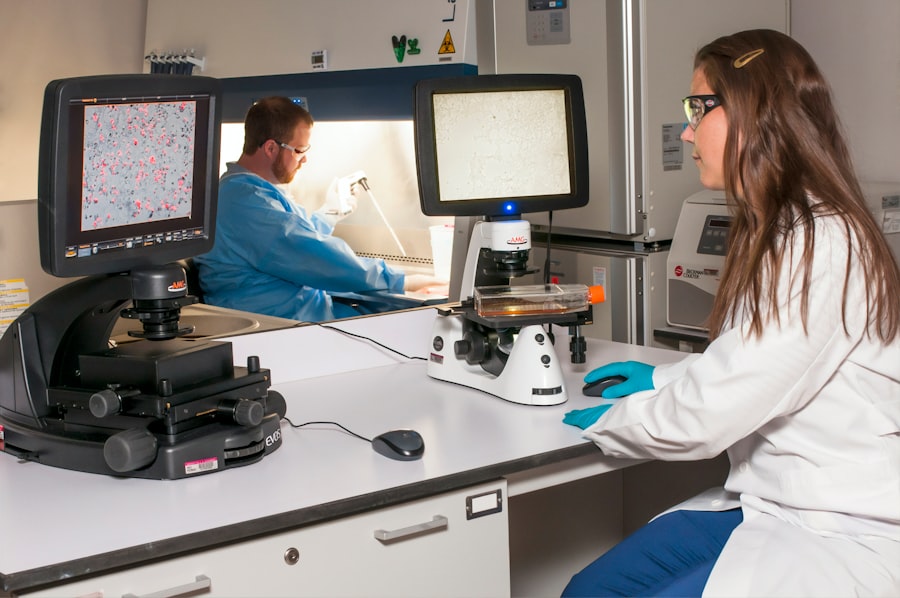
In the context of infidelity, DNA testing plays a crucial role in providing clarity when doubts arise. When I think about the emotional turmoil that comes with suspicion, it becomes clear how vital it is to have definitive answers.
DNA testing can serve as a beacon of hope, illuminating the truth and allowing individuals to make informed decisions about their relationships. Moreover, the role of DNA testing extends beyond mere confirmation of infidelity; it can also help individuals understand the extent of the betrayal. For instance, if a partner has been unfaithful and has fathered a child with someone else, DNA testing can reveal this information with undeniable accuracy.
This knowledge can be life-altering, prompting individuals to reassess their relationships and consider their next steps with newfound clarity.
How DNA Testing Can Provide Concrete Evidence of Infidelity
One of the most compelling aspects of DNA testing is its ability to provide concrete evidence that can stand up in both personal and legal contexts. When I think about the weight of having undeniable proof, it becomes evident how this evidence can influence decisions regarding trust and commitment in a relationship. Unlike circumstantial evidence or hearsay, DNA results are scientifically validated and can be used to substantiate claims of infidelity.
For example, if I were to suspect that my partner had been unfaithful and decided to pursue DNA testing, the results could either confirm my worst fears or provide reassurance that my suspicions were unfounded. This level of certainty can be incredibly empowering, allowing individuals to confront their partners with facts rather than assumptions. In many cases, having concrete evidence can facilitate more honest conversations about the state of the relationship and what steps need to be taken moving forward.
The Legal Implications of Using DNA Testing to Uncover Infidelity
| Metric | Description | Typical Range/Value | Notes |
|---|---|---|---|
| Test Type | Type of DNA test used for affair discovery | Autosomal DNA Test | Analyzes DNA inherited from both parents |
| Sample Type | Biological material collected for testing | Buccal swab, blood, or saliva | Non-invasive collection methods preferred |
| Accuracy | Probability of correctly identifying biological relationships | 99.9%+ | Highly reliable for paternity and relationship testing |
| Turnaround Time | Time taken to receive test results | 3-7 business days | Varies by laboratory and test complexity |
| Cost Range | Typical price range for affair discovery DNA tests | 100 – 300 | Prices vary depending on lab and test type |
| Chain of Custody | Legal documentation ensuring sample integrity | Available as an option | Required for court admissible results |
| Relationship Detection | Types of relationships identified | Paternity, maternity, sibling, half-sibling | Helps confirm or exclude biological connections |
| Confidentiality | Privacy measures for test subjects | Strict confidentiality protocols | Results shared only with authorized individuals |
The legal implications surrounding DNA testing in cases of infidelity are multifaceted and can vary significantly depending on jurisdiction. In some instances, DNA evidence may be admissible in court during divorce proceedings or custody battles. As I consider the potential legal ramifications, it becomes clear that having solid evidence can influence outcomes related to asset division or child custody arrangements.
However, it is essential to approach this aspect with caution. The legality of obtaining DNA samples without consent can be murky territory. In many places, collecting a sample without the other party’s knowledge may lead to legal repercussions.
Therefore, I believe it is crucial for individuals considering DNA testing for infidelity to consult with legal professionals who can provide guidance on how to navigate these complexities while protecting their rights.
The Emotional Impact of Uncovering Infidelity Through DNA Testing
The emotional impact of uncovering infidelity through DNA testing cannot be overstated. When I think about the potential fallout from such revelations, I recognize that individuals may experience a whirlwind of emotions ranging from anger and betrayal to relief and clarity. Discovering that a partner has been unfaithful can shatter trust and lead to feelings of inadequacy or self-doubt.
Conversely, if the results indicate fidelity, there may be a sense of relief but also lingering questions about why suspicions arose in the first place. This emotional rollercoaster underscores the importance of approaching the situation with care and sensitivity. It is vital for individuals to allow themselves time to process their feelings and seek support from friends or professionals who can help them navigate this challenging terrain.
How DNA Testing Can Help Rebuild Trust in Relationships
While uncovering infidelity through DNA testing can be devastating, it also presents an opportunity for rebuilding trust in relationships. If I were to find out that my partner had been unfaithful but was genuinely remorseful and willing to work on our relationship, having concrete evidence could serve as a starting point for open dialogue. This transparency can foster an environment where both partners feel safe discussing their feelings and concerns.
Rebuilding trust is not an easy process; it requires commitment from both parties to address underlying issues that may have contributed to the infidelity. However, having definitive answers through DNA testing can help eliminate ambiguity and create a foundation for honest communication. As I reflect on this aspect, I realize that while trust may take time to restore, the journey toward healing can begin with a commitment to transparency and understanding.
The Importance of Seeking Professional Help When Using DNA Testing for Infidelity
Navigating the complexities of infidelity and DNA testing is often best done with the guidance of professionals who specialize in relationship counseling or legal matters. When I consider the emotional turmoil that accompanies such revelations, it becomes clear that seeking professional help can provide invaluable support during this challenging time. Therapists or counselors can offer coping strategies and facilitate constructive conversations between partners.
Additionally, legal professionals can help individuals understand their rights and responsibilities regarding DNA testing and its implications for divorce or custody arrangements. By seeking professional assistance, I believe individuals can better equip themselves to handle the emotional fallout while making informed decisions about their relationships moving forward.
Addressing the Ethical Considerations of DNA Testing for Infidelity
The ethical considerations surrounding DNA testing for infidelity are complex and warrant careful consideration. As I reflect on this topic, I recognize that while obtaining definitive answers may seem appealing, it is essential to respect privacy and consent in any relationship. Collecting DNA samples without a partner’s knowledge raises significant ethical questions about trust and autonomy.
Moreover, there is also the potential for misuse of DNA information beyond its intended purpose. For instance, if someone were to use test results as leverage in a relationship or legal dispute, it could lead to further harm rather than resolution. Therefore, I believe it is crucial for individuals considering DNA testing for infidelity to weigh the potential consequences carefully and approach the situation with integrity.
Exploring the Different Methods of DNA Testing for Infidelity
There are various methods available for conducting DNA testing related to infidelity, each with its own advantages and limitations. One common approach involves using buccal swabs—simple cotton swabs rubbed against the inside of the cheek—to collect saliva samples from individuals involved.
Another option includes blood tests or hair follicle analysis; however, these methods may require more specialized handling and processing time. As I explore these different methods, I realize that choosing the right approach depends on individual circumstances and preferences. Regardless of the method selected, ensuring that tests are conducted through reputable laboratories is essential for obtaining accurate results.
The Potential of DNA Testing in Uncovering Infidelity
In conclusion, DNA testing has emerged as a powerful tool in uncovering infidelity within relationships. While it offers concrete evidence that can clarify doubts and facilitate honest conversations, it also brings forth complex emotional and ethical considerations that must be navigated carefully. As I reflect on this topic, I recognize that while discovering infidelity through DNA testing can be painful, it also presents an opportunity for growth and healing.
Ultimately, whether one chooses to pursue DNA testing or not should be guided by personal values and circumstances. The journey toward understanding infidelity is deeply personal; however, having access to scientific tools like DNA testing can empower individuals to confront their fears head-on and make informed decisions about their relationships moving forward.
If you’re considering the implications of discovering an affair through a DNA test, you might find the article on the topic particularly insightful. It discusses the emotional and legal ramifications of such discoveries, providing a comprehensive overview of what to expect. For more information, you can read the article here: Understanding the Impact of DNA Testing on Relationships.
FAQs
What is an affair discovery DNA test?
An affair discovery DNA test is a type of genetic test used to determine biological relationships, often to confirm or rule out paternity in cases where infidelity is suspected.
How does an affair discovery DNA test work?
The test compares DNA samples from the child and the alleged father. By analyzing specific genetic markers, the test can establish whether there is a biological relationship between them.
Who can request an affair discovery DNA test?
Typically, individuals who suspect infidelity and want to confirm paternity may request this test. It can be ordered by one or both parents or legal guardians.
Is the affair discovery DNA test accurate?
Yes, DNA tests for paternity are highly accurate, often exceeding 99.9% accuracy when determining biological relationships.
What types of samples are used for the test?
Common samples include buccal (cheek) swabs, blood samples, or other bodily materials containing DNA.
Is the affair discovery DNA test confidential?
Reputable testing laboratories maintain strict confidentiality and privacy protocols to protect the identities and results of all parties involved.
Can the test be used in legal proceedings?
Yes, if the DNA samples are collected following legal chain-of-custody procedures, the results can be admissible in court.
How long does it take to get results?
Results typically take between a few days to two weeks, depending on the laboratory and testing method used.
Are there any risks or side effects associated with the test?
The test is non-invasive and poses no physical risks, especially when using cheek swab samples.
How much does an affair discovery DNA test cost?
Costs vary depending on the provider and type of test but generally range from $100 to $500.
Can the test be done anonymously?
Some laboratories offer anonymous testing services, but anonymity may affect the legal admissibility of the results.
What should I do if the test confirms an affair?
It is advisable to seek counseling or legal advice to understand your options and next steps based on the test outcome.