
# Fake Funerals: Deception and Its Consequences
Fake funerals are elaborate hoaxes in which individuals stage the death of a person, typically to achieve personal objectives. These deceptive practices occur across various contexts and involve orchestrated events designed to manipulate emotions and perceptions among attendees and the broader community. The motivations behind fake funerals are diverse.
Common reasons include financial gain, such as collecting insurance payouts or soliciting sympathy donations. Other individuals stage fake funerals to escape difficult circumstances, evade legal obligations, or generate attention. Some cases involve psychological distress or attempts to manipulate relationships.
Fake funerals carry significant consequences for multiple parties. They damage trust within families and communities, create emotional trauma for those deceived, and can result in legal repercussions including fraud charges. The perpetrators often face criminal prosecution, financial penalties, and lasting reputational damage.
Additionally, these hoaxes can undermine the legitimacy of genuine grief and funeral practices within communities. The psychological factors underlying fake funerals vary by individual. Some perpetrators exhibit signs of factitious disorder or attention-seeking behavior.
Others demonstrate calculated criminal intent focused on financial exploitation. Mental health professionals recognize that the decision to stage a fake funeral often reflects underlying emotional distress, relationship dysfunction, or desperation. From an ethical standpoint, fake funerals represent a serious breach of trust and social norms.
They exploit fundamental human emotions and violate the sanctity of funeral practices across cultures and religions. Legal systems in most jurisdictions classify these acts as fraud or related criminal offenses, reflecting their serious nature and harmful impact on victims.
Key Takeaways
- Fake funerals involve staging a death to manipulate others for financial gain.
- Legal and ethical issues make such actions highly risky and punishable by law.
- Successful execution requires detailed planning, including asset identification and narrative creation.
- Emotional manipulation is often used to gain access to financial accounts and properties.
- Consequences include severe legal penalties, with lawful alternatives strongly recommended.
Understanding the Legal and Ethical Implications
As I navigate the murky waters of fake funerals, I quickly realize that the legal and ethical implications are vast and complex. Engaging in such an act can lead to serious legal repercussions, including charges of fraud, conspiracy, and even emotional distress claims from those who are misled. I am reminded that the law is designed to protect individuals from deceitful practices, and staging a fake funeral can easily cross the line into criminal territory.
The potential for legal action looms large, and I can’t help but feel a sense of unease at the thought of the consequences that could arise from such actions. Ethically, the implications are equally troubling. I find myself grappling with the question of whether any justification exists for deceiving others in such a profound manner.
The emotional toll on family members, friends, and acquaintances can be devastating. The act of mourning is deeply personal, and to manipulate that experience for personal gain is a violation of trust that can leave lasting scars. As I reflect on these ethical considerations, I am reminded of the importance of integrity and honesty in our interactions with others.
The potential fallout from a fake funeral extends far beyond legal ramifications; it can irreparably damage relationships and reputations. Watch the shocking [fake funeral] that fooled everyone in the town.
Identifying Assets and Their Accessibility
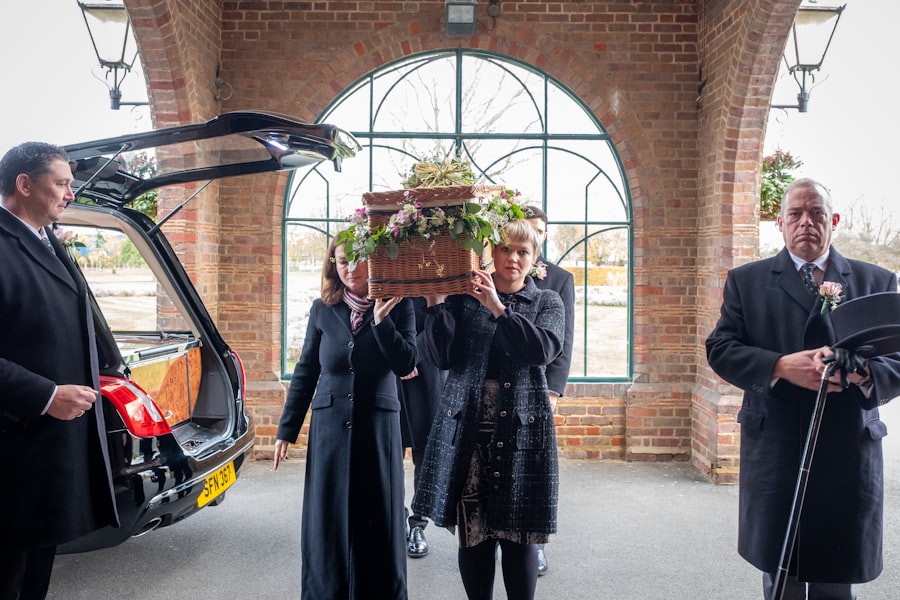
In contemplating the motivations behind fake funerals, I recognize that financial gain often plays a significant role. To orchestrate such an elaborate deception, one must first identify the assets that can be accessed or exploited. This process requires careful planning and an understanding of the individual’s financial landscape.
I find myself considering the various ways in which someone might assess their own assets—bank accounts, properties, investments—and how they might leverage these resources in a fraudulent scheme. Accessibility is another critical factor in this equation. I realize that not all assets are easily obtainable; some may require intricate planning or manipulation to access.
The thought of meticulously crafting a plan to exploit these assets sends shivers down my spine, as I recognize the lengths to which individuals might go in pursuit of financial gain.
Planning and Executing a Fake Funeral
The planning phase of a fake funeral is where creativity meets cunning. As I consider the logistics involved, I am struck by the sheer amount of detail required to pull off such an elaborate ruse. From selecting a date and location to coordinating with funeral homes and vendors, every aspect must be meticulously crafted to ensure believability.
I imagine the stress and pressure that would accompany such planning, as one must constantly be aware of potential slip-ups that could expose the deception. Execution is where the true test lies. I envision the day of the fake funeral unfolding with a mix of anxiety and adrenaline.
The carefully curated guest list arrives, each person unaware of the truth behind the event. As I think about the emotional weight of such a gathering, I am reminded that even in deception, there is an undeniable human element at play. The act of mourning—whether genuine or fabricated—can evoke powerful emotions that are difficult to control.
In this moment, I find myself questioning whether the potential rewards are worth the emotional toll on both the deceiver and those who have been misled.
Creating a Believable Narrative
| Metric | Description | Example Data |
|---|---|---|
| Number of Reported Cases | Count of documented incidents involving fake funerals to access assets | 15 cases in 2023 |
| Average Financial Loss | Estimated average amount lost per case due to fraudulent asset access | 120,000 |
| Commonly Targeted Assets | Types of assets most frequently accessed through fake funerals | Bank accounts, real estate, personal valuables |
| Detection Time | Average time taken to detect the fraud after the fake funeral | 6 months |
| Legal Outcomes | Percentage of cases resulting in prosecution or asset recovery | 70% |
At the heart of any successful fake funeral lies a compelling narrative that can withstand scrutiny. Crafting this narrative requires not only creativity but also an understanding of human psychology. As I ponder how one might construct such a story, I realize that it must resonate on multiple levels—personal anecdotes, shared experiences, and even fabricated details about the deceased’s life must all come together seamlessly.
The goal is to create a narrative so believable that it elicits genuine emotions from those in attendance. I find myself considering the importance of consistency in storytelling. Any discrepancies or contradictions could raise suspicions and unravel the carefully woven fabric of deception.
This realization adds another layer of complexity to the planning process; one must not only create an engaging narrative but also ensure that every detail aligns perfectly with the overarching story. The pressure to maintain this facade can be overwhelming, and I can’t help but wonder how individuals justify such elaborate lies to themselves as they navigate this treacherous path.
Leveraging Emotional Manipulation

Emotional manipulation is an insidious aspect of fake funerals that cannot be overlooked. As I reflect on this concept, I recognize that it involves exploiting the vulnerabilities of others for personal gain. The act of staging a funeral taps into deep-seated emotions—grief, loss, love—and those who orchestrate such events wield these feelings like weapons.
I find myself grappling with the ethical implications of using emotional manipulation as a tool for deception. The power dynamics at play in these situations are fascinating yet troubling. By leveraging emotional manipulation, individuals can create an environment where others feel compelled to act in ways they might not otherwise consider.
Whether it’s offering financial support or providing assistance during a time of perceived crisis, those who fall victim to emotional manipulation may find themselves unwittingly contributing to a fraudulent scheme. As I contemplate these dynamics, I am reminded of the importance of empathy and compassion in our interactions with others—qualities that stand in stark contrast to the deceitful tactics employed in fake funerals.
Gaining Access to Financial Accounts and Properties
One of the most critical aspects of executing a fake funeral is gaining access to financial accounts and properties associated with the deceased or their estate. This process often involves navigating legal loopholes and exploiting vulnerabilities within financial institutions. As I consider how someone might approach this task, I am struck by the level of planning and forethought required to successfully manipulate these systems.
I realize that gaining access to financial resources is not merely about deception; it often involves an intricate understanding of legal frameworks and banking practices. For instance, if someone were attempting to claim life insurance benefits following a staged death, they would need to provide documentation that aligns with both legal requirements and institutional protocols. This realization underscores the complexity of fraudulent activities; it is not enough to simply fabricate a narrative; one must also possess a keen understanding of how financial systems operate.
Covering Your Tracks
In contemplating the execution of a fake funeral, I cannot ignore the importance of covering one’s tracks. The aftermath of such an event can be fraught with complications if one fails to adequately conceal their actions. As I think about this aspect, I recognize that it requires careful planning and foresight—individuals must anticipate potential inquiries or investigations that could arise following their deception.
Covering tracks may involve creating false documentation or manipulating records to align with the fabricated narrative. It is a delicate balancing act; any misstep could lead to exposure and legal consequences. As I reflect on this process, I am reminded that even in deception, there exists an inherent risk—a constant awareness that one’s actions may eventually come to light.
This realization adds another layer of complexity to the already intricate web of lies surrounding fake funerals.
Consequences of Fraudulent Behavior
The consequences of engaging in fraudulent behavior are far-reaching and often devastating. As I consider this aspect, I am struck by how easily lives can be upended by deceitful actions. For those who orchestrate fake funerals, the immediate consequences may include legal repercussions, financial penalties, and damage to personal relationships.
However, the long-term effects can be even more profound—trust is eroded, reputations are tarnished, and individuals may find themselves ostracized from their communities. I also recognize that victims of such fraud can experience significant emotional distress as they grapple with feelings of betrayal and loss. The impact extends beyond mere financial implications; it can leave lasting scars on relationships and mental well-being.
As I reflect on these consequences, I am reminded of the importance of accountability in our actions—deceit may offer temporary gains, but it ultimately leads to profound losses for all involved.
Legal Ramifications and Punishments
The legal ramifications associated with fake funerals are severe and multifaceted. As I delve into this topic, I realize that individuals caught engaging in such fraudulent activities may face criminal charges ranging from fraud to conspiracy. The legal system is designed to protect individuals from deceitful practices, and those who orchestrate fake funerals may find themselves facing significant penalties if apprehended.
Punishments can vary widely depending on jurisdiction and the severity of the offense; individuals may face fines, restitution orders, or even imprisonment for their actions. As I contemplate these potential outcomes, I am struck by how quickly one’s life can spiral out of control due to poor choices made in pursuit of personal gain. The legal system serves as both a deterrent and a means of accountability—a reminder that actions have consequences.
Alternatives to Fraudulent Activities
As I reflect on the complexities surrounding fake funerals and their implications, I am compelled to consider alternatives to fraudulent activities. Rather than resorting to deception for personal gain, individuals facing financial difficulties or emotional struggles should seek out legitimate avenues for support and assistance. There are countless resources available—community organizations, counseling services, and financial aid programs—that can provide help without resorting to deceitful practices.
I believe it is essential for individuals to recognize their worth beyond material possessions or societal validation. Seeking help during challenging times is not a sign of weakness; rather, it demonstrates resilience and courage in facing adversity head-on.
In conclusion, while fake funerals may seem like an enticing avenue for personal gain or emotional manipulation, they ultimately lead down a path fraught with legal consequences and ethical dilemmas. As I reflect on this topic, I am reminded that honesty and integrity should always prevail over deceitful practices—our actions shape not only our lives but also those around us.
In recent discussions about fraudulent activities, one particularly alarming tactic involves staging fake funerals to access the deceased’s assets. This method highlights the lengths to which some individuals will go to exploit legal loopholes. For more insights on this topic, you can read a related article [here](https://www.amiwronghere.com/sample-page/).
WATCH THIS 🚨 FAKE FUNERAL SCHEME | Family Forged My Death Certificate to Steal Everything
FAQs
What is a fake funeral to access assets?
A fake funeral to access assets refers to the act of staging a false funeral or death event to gain control over or access to the deceased person’s assets, such as money, property, or valuables, often before the legal transfer of inheritance occurs.
Is staging a fake funeral to access assets legal?
No, staging a fake funeral to access assets is illegal. It typically involves fraud, deception, and sometimes forgery, which can lead to criminal charges and civil penalties.
Why would someone stage a fake funeral to access assets?
Individuals might stage a fake funeral to access assets prematurely, avoid legal restrictions, bypass heirs, or commit financial fraud. This unethical act is often motivated by greed or financial desperation.
What are the legal consequences of faking a funeral to access assets?
Legal consequences can include criminal charges such as fraud, theft, conspiracy, and forgery. Convictions may result in fines, imprisonment, and restitution orders. Additionally, any assets obtained through such means can be seized or reversed by the courts.
How can authorities detect a fake funeral intended to access assets?
Authorities may detect a fake funeral through inconsistencies in documentation, witness testimonies, surveillance, financial audits, and investigations into the deceased’s status. Suspicious activity around asset transfers or sudden claims can also trigger investigations.
What should family members do if they suspect a fake funeral to access assets?
Family members should report their suspicions to law enforcement or legal authorities immediately. They may also consult with an attorney to protect their rights and ensure proper legal procedures are followed.
Can assets be recovered if accessed through a fake funeral scheme?
Yes, assets obtained through fraudulent means like a fake funeral can often be recovered through legal action. Courts can reverse transactions, freeze assets, and order restitution to rightful heirs or owners.
Are there legitimate reasons for holding a funeral without transferring assets immediately?
Yes, funerals are typically held to honor the deceased and provide closure for family and friends. Asset transfer usually follows legal probate processes, which can take time. Holding a funeral does not automatically grant access to assets.
How can one protect their assets from fraudulent claims after death?
To protect assets, individuals can create clear wills, establish trusts, appoint reliable executors, and communicate their wishes to family members. Legal advice and proper estate planning can help prevent fraud and unauthorized access.