# Love and Connection in the Digital Age
Technology has significantly altered how people form romantic connections. Traditional methods of expressing affection, such as handwritten letters, have been largely replaced by instant messaging and digital communication. Dating applications and social media platforms have expanded the pool of potential partners, enabling individuals to connect with people across geographical boundaries.
These platforms facilitate initial contact through simple interactions, such as profile matching or shared content, which can develop into deeper relationships. The digital transformation of romance presents both advantages and challenges.
Digital interactions lack nonverbal cues such as tone of voice and body language, which are essential components of human communication. This absence of contextual information frequently results in misunderstandings and conflicts, as messages can be misinterpreted without visual or auditory feedback. Successfully navigating romantic relationships in the contemporary digital environment requires balancing technological convenience with the cultivation of authentic human connection.
Key Takeaways
- Love and relationships have transformed significantly with the rise of digital technology and social media.
- Long-distance relationships face unique challenges that require strong communication and trust.
- Technology plays a crucial role in modern dating, offering new ways to connect but also new obstacles.
- Balancing personal independence with commitment is essential for healthy, lasting relationships.
- Embracing diversity, inclusivity, and seeking professional support can strengthen and sustain modern love.
Understanding the Impact of Social Media on Relationships
Social media has become an integral part of my daily life, and its impact on relationships is undeniable. I often find myself scrolling through my feeds, witnessing the curated lives of friends and acquaintances. While it can be inspiring to see couples celebrating milestones or sharing their adventures, I also recognize the potential for comparison and envy.
It’s easy to fall into the trap of believing that everyone else’s relationship is perfect while my own may have its struggles. This constant exposure to idealized portrayals of love can create unrealistic expectations and pressure to conform to societal norms. Moreover, I’ve noticed how social media can both connect and isolate us.
On one hand, it allows me to stay in touch with loved ones, share experiences, and seek support from my network. On the other hand, it can foster feelings of loneliness when I see others engaging in activities without me. I’ve had moments where I felt left out or inadequate because my relationship didn’t measure up to what I saw online.
Understanding this duality has prompted me to be more mindful of my social media consumption and to focus on nurturing my relationships offline. You can learn more about the concept of open marriage in this insightful video.
Navigating the Challenges of Long-Distance Relationships

Long-distance relationships have become increasingly common in our interconnected world, and I’ve found myself grappling with the unique challenges they present. The physical distance can be daunting, as it often means sacrificing quality time together. I’ve experienced the heartache of missing out on spontaneous moments and shared experiences that couples in close proximity take for granted.
The longing for physical closeness can sometimes overshadow the emotional connection, making it essential for me to find creative ways to bridge that gap. To navigate these challenges, I’ve learned the importance of communication and trust. Regular video calls and heartfelt messages have become my lifelines, allowing me to maintain a sense of intimacy despite the miles between us.
I’ve also discovered that setting goals for future visits or planning virtual date nights can help keep the spark alive. While long-distance relationships require effort and commitment, they have taught me resilience and the value of emotional connection over physical presence.
The Role of Technology in Modern Dating
In today’s fast-paced world, technology plays a pivotal role in modern dating, shaping how I approach romantic relationships. Dating apps have revolutionized the way I meet potential partners, offering a vast pool of options at my fingertips. With just a few swipes, I can connect with individuals who share my interests and values.
However, this abundance of choice can also be overwhelming; I often find myself grappling with decision fatigue as I sift through profiles and messages. While technology has made dating more accessible, it has also introduced new challenges. Ghosting, breadcrumbing, and other modern dating phenomena have become all too familiar in my experiences.
I’ve encountered situations where someone I was excited about suddenly disappeared without explanation, leaving me questioning what went wrong. These experiences have taught me the importance of clear communication and setting boundaries in the digital dating landscape. As I navigate this new world of romance, I strive to remain authentic and true to myself while embracing the opportunities that technology provides.
Balancing Independence and Commitment in Relationships
| Aspect | Description | Metric/Indicator | Impact on Modern Love |
|---|---|---|---|
| Online Dating | Use of apps and websites to find partners | Over 40% of couples meet online (Pew Research) | Increases options but can lead to choice overload and superficial connections |
| Communication Styles | Shift from face-to-face to digital communication | Average person sends 94 texts/day (Statista) | Can cause misunderstandings and reduced emotional depth |
| Commitment Trends | Changing attitudes towards marriage and long-term commitment | Median age of first marriage: 30 (men), 28 (women) in US | Delays in commitment, more cohabitation, and diverse relationship models |
| Work-Life Balance | Impact of career demands on relationships | Average workweek: 34.4 hours (OECD) | Stress and time constraints can strain relationships |
| Social Media Influence | Effect of social media on perceptions and jealousy | 70% report social media causes relationship issues (Survey) | Can increase insecurity and comparison, affecting trust |
| Gender Roles | Evolving expectations in relationships | 60% believe traditional roles are outdated (Gallup) | Creates negotiation challenges but also opportunities for equality |
Finding the right balance between independence and commitment is a delicate dance that I often find myself navigating in my relationships. On one hand, I cherish my individuality and the freedom to pursue my passions and interests. On the other hand, I recognize that commitment requires time and effort to nurture a meaningful connection with my partner.
Striking this balance has been a journey of self-discovery, as I learn to prioritize both my personal growth and my relationship. I’ve come to understand that maintaining independence doesn’t mean sacrificing intimacy; rather, it enriches my relationships by allowing me to bring my whole self into them. By pursuing my interests and cultivating friendships outside of my romantic partnership, I feel more fulfilled and confident in my identity.
This sense of self-awareness ultimately strengthens my commitment to my partner, as I am able to contribute positively to our shared experiences without losing sight of who I am.
Overcoming the Pressure of Unrealistic Expectations in Love
In a world saturated with romantic ideals portrayed in movies, television shows, and social media, it’s easy for me to feel overwhelmed by unrealistic expectations in love. The notion of “happily ever after” often clouds my judgment, leading me to believe that love should be effortless and devoid of conflict. However, my experiences have taught me that real love is messy, complicated, and requires hard work from both partners.
To overcome these pressures, I’ve learned to embrace vulnerability and authenticity in my relationships. By acknowledging that no relationship is perfect, I can approach love with a more realistic mindset. Open conversations about our expectations and desires have become essential in fostering understanding between my partner and me.
By letting go of societal pressures and focusing on what truly matters—trust, communication, and mutual respect—I find greater fulfillment in my romantic journey.
Exploring the Dynamics of Open and Polyamorous Relationships
As society becomes more accepting of diverse relationship structures, I’ve found myself intrigued by open and polyamorous relationships. These dynamics challenge traditional notions of monogamy and invite exploration into what love can look like beyond conventional boundaries. While this concept may seem daunting at first, I’ve come to appreciate the potential for deeper connections and personal growth that these relationships can offer.
In exploring open relationships, I’ve learned that clear communication is paramount. Establishing boundaries and discussing feelings openly with all parties involved fosters trust and understanding. While navigating multiple connections can be complex, it also allows for a richer tapestry of experiences and emotional support.
Embracing this non-traditional approach has encouraged me to reflect on my own desires and needs in love while fostering an environment where everyone involved feels valued.
Managing the Influence of Family and Cultural Expectations on Love
Family dynamics and cultural expectations play a significant role in shaping our perceptions of love and relationships. As I navigate my own romantic journey, I often find myself grappling with the expectations imposed by family traditions or cultural norms. These influences can create tension between what I desire for myself and what others envision for me.
I’ve learned that it’s essential to strike a balance between honoring my roots and staying true to my own values. Open conversations with family members about my choices have helped bridge understanding while allowing me to assert my independence. By sharing my perspective on love and relationships, I hope to challenge preconceived notions while fostering acceptance within my family unit.
Communicating Effectively in the Age of Texting and Messaging
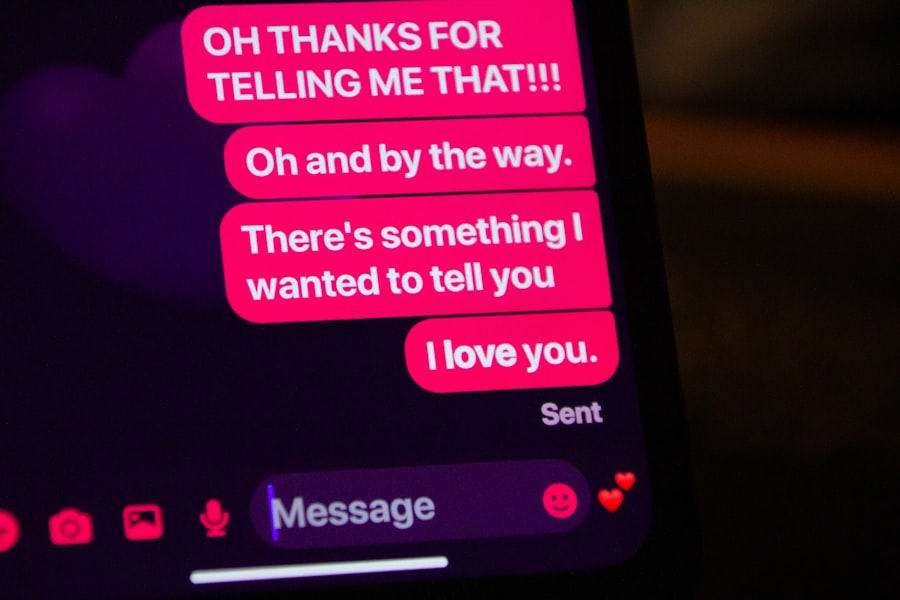
In an era dominated by texting and messaging apps, effective communication has become both easier and more challenging for me. While instant messaging allows for quick exchanges of thoughts and feelings, it can also lead to misunderstandings due to the lack of non-verbal cues. I’ve found myself grappling with how best to express emotions through screens while ensuring that my intentions are clear.
To enhance communication in my relationships, I’ve made a conscious effort to prioritize face-to-face conversations whenever possible. While texting is convenient for quick updates or casual chats, deeper discussions require a more personal touch. By being mindful of how I communicate—whether through words or emojis—I strive to foster clarity and connection with those I care about.
Embracing Diversity and Inclusivity in Modern Love
As society evolves, so too does our understanding of love’s many forms. Embracing diversity and inclusivity in modern love has become increasingly important to me as I navigate relationships in an ever-changing world. Recognizing that love transcends gender identities, sexual orientations, and cultural backgrounds has opened my eyes to the beauty of varied experiences.
I’ve come to appreciate how diverse perspectives enrich our understanding of love itself. Engaging with individuals from different backgrounds has challenged me to confront biases while fostering empathy and compassion within myself. By celebrating diversity in all its forms—whether through friendships or romantic partnerships—I find greater fulfillment in connecting with others on a deeper level.
Seeking Professional Help and Support for Relationship Issues
In navigating the complexities of love in today’s world, seeking professional help has proven invaluable for me at times when challenges arise within my relationships. Therapy or counseling provides a safe space for exploration—allowing me to unpack emotions, address conflicts, and gain insights into patterns that may hinder growth. I’ve learned that seeking support is not a sign of weakness but rather an act of courage that demonstrates a commitment to personal development and healthier connections with others.
Whether through individual therapy or couples counseling, these resources have equipped me with tools to communicate effectively while fostering understanding within my relationships. In conclusion, love in the digital age presents both opportunities and challenges that require introspection, adaptability, and open-mindedness. As I navigate this ever-evolving landscape, I remain committed to fostering authentic connections while embracing diversity and inclusivity in all its forms.
Through effective communication, self-awareness, and seeking support when needed, I strive to cultivate meaningful relationships that enrich my life journey.
In exploring the complexities of modern love, one can gain valuable insights from the article found at this link. The piece delves into the challenges and nuances of contemporary relationships, highlighting how technology and societal changes have reshaped our understanding of love and connection.
WATCH THIS! 🤯 She Proposed Open Marriage… My Response LEFT HER SPEECHLESS! 😱
FAQs
What are some common complexities of modern love?
Modern love can be complicated by factors such as digital communication, changing social norms, diverse relationship structures, and the balance between personal independence and intimacy.
How has technology impacted modern relationships?
Technology has transformed how people meet, communicate, and maintain relationships. Online dating apps, social media, and instant messaging can both facilitate connections and introduce challenges like miscommunication and privacy concerns.
What role do social norms play in modern love?
Social norms around love and relationships have evolved, with greater acceptance of diverse relationship types, gender roles, and family structures. This evolution can create both opportunities and challenges for individuals navigating love today.
How do modern relationships differ from traditional ones?
Modern relationships often emphasize equality, open communication, and flexibility. They may also involve non-traditional arrangements such as long-distance partnerships, cohabitation without marriage, or polyamory.
What challenges do people face in maintaining modern relationships?
Challenges include managing expectations, balancing career and personal life, dealing with digital distractions, and addressing emotional needs in a fast-paced, often fragmented social environment.
Can modern love be more fulfilling than traditional love?
Fulfillment in love depends on individual values and circumstances. Modern love offers new possibilities for connection and self-expression, but also requires effort to navigate its complexities effectively.
How important is communication in modern relationships?
Communication is crucial in modern relationships to build trust, resolve conflicts, and ensure mutual understanding, especially given the complexities introduced by technology and changing social dynamics.
Are there any psychological effects associated with modern love?
Yes, modern love can impact mental health positively by providing support and intimacy, but it can also lead to stress, anxiety, or loneliness if relationships are unstable or if digital interactions replace meaningful connection.