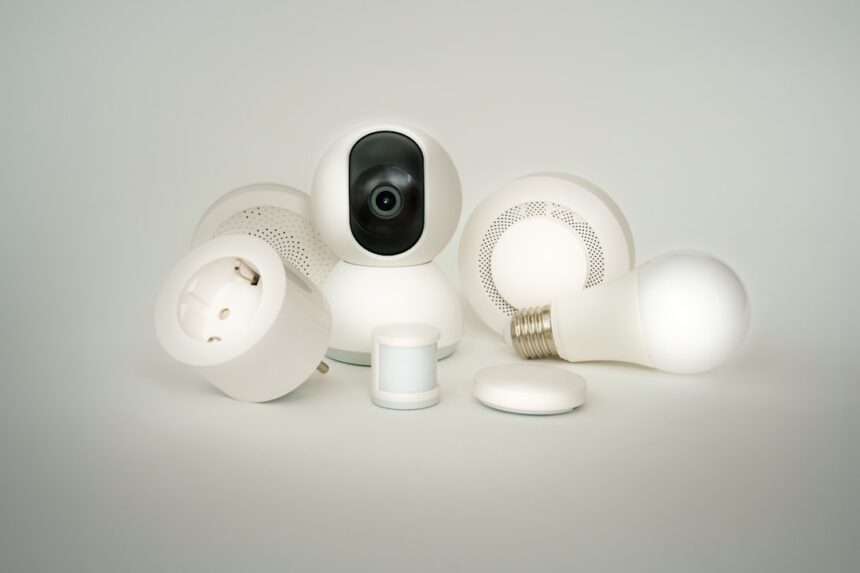
I find myself drawn to the unfolding narrative of smart devices and their unexpected role in the dissolution of relationships. It’s a story that resonates with a certain stark reality, a digital mirror held up to human fallibility. My observations lead me to believe that these devices, once lauded for convenience and connectivity, now frequently feature as silent, yet undeniable, witnesses in cases of infidelity. It’s a fascinating, if somewhat grim, intersection of technology and human drama, and I intend to explore it thoroughly with you.
When I consider the pervasiveness of smart devices in our lives, it becomes clear that they are no longer just tools; they are extensions of ourselves, recording our daily rhythms, our communications, and even our most intimate details. This extensive data collection, often undertaken with our unwitting consent, forms a digital footprint that can be as unique and incriminating as a physical fingerprint. For individuals engaging in extramarital affairs, this digital trail can become a labyrinth with no escape, leading directly to exposure. If you suspect a cheating spouse, this video might help you understand the signs: cheating spouse.
GPS Data: The Unseen Companion
I’ve seen how GPS data, often recorded automatically by smartphones and smartwatches, acts as an impartial chronicler of movement. This isn’t just about knowing where someone is at any given moment; it’s about building a historical record of their whereabouts. Imagine, if you will, a digital shadow faithfully following every step.
- Location History: My analysis of this data points to its precision. It can pinpoint locations to within a few feet, detailing not just the street but often the specific building. This historical log becomes a map of an individual’s life, and any deviation from an established routine, particularly when unexplained, can raise immediate red flags.
- Frequent Unfamiliar Locations: When I see a pattern of repeated visits to locations outside of work, home, or known social circles, it immediately piques my interest. These anomalies are often the first signs that something is amiss, a deviation from the expected itinerary of a committed partner.
- Time and Duration Stamps: Each GPS ping comes with a timestamp, creating a detailed timeline of presence. This level of granularity can expose discrepancies in alibis. A quick “I was at the gym” might be contradicted by a 3-hour stay at an unfamiliar address.
Communication Logs: The Written Word and Beyond
My examination of communication data reveals a trove of potential evidence. Beyond the spoken word, which can be elusive, written exchanges leave an indelible mark, a digital echo of intentions and conversations. These logs are often kept by various applications, becoming unsleeping scribes of our interactions.
- Text Messages and Messaging Apps: I observe that casual exchanges in text messages often include details that betray secrecy. The tone, the content, the timing – all these elements can be scrutinized. Encrypted apps, while designed for privacy, still leave a metadata trail: who communicated with whom, and when.
- Call Records: Even a simple call log, devoid of content, can tell a story. Frequent calls to an unknown number, particularly at unusual hours, emerge as a recurring theme in my observations of incriminating evidence. The sheer volume or pattern of communication can be a powerful indicator.
- Email Correspondence: My experience tells me that email, often considered a domain of professional communication, can also become a clandestine channel for personal exchanges. Disguised subjects, deleted messages from an inbox but not the server, or the use of secondary, secret email accounts are all layers of deception I’ve encountered.
In today’s digital age, the prevalence of smart devices has raised concerns about privacy and security, particularly regarding personal relationships. A related article discusses how these devices can inadvertently expose affairs, highlighting the need for caution when using technology in intimate settings. For more insights on this topic, you can read the article here: The Hidden Risks of Smart Devices in Relationships.
The Smart Home: A Silent Observer
I often think of the modern smart home as a network of digital eyes and ears, perpetually attentive. These devices, designed to simplify our lives, can inadvertently become our undoing, faithfully recording activities that were never intended for a partner’s scrutiny. It’s a technological panopticon, of our own making.
Smart Speakers and Voice Assistants: Eavesdropping Echoes
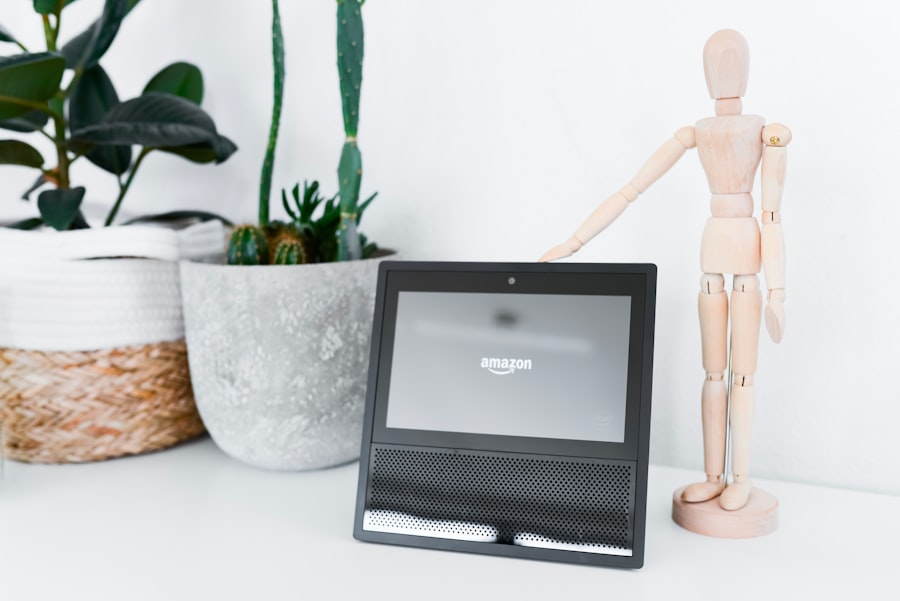
My focus on smart speakers has revealed their unexpected capacity as passive recorders. While designed to respond to commands, their always-on microphones present a unique vulnerability. They are like digital scribes, ready to transcribe any whispered secret.
- Recorded Commands and Conversations: Some smart speakers retain a history of commands, and in some instances, even snippets of ambient conversations. I’ve noted cases where accidental activations or background chatter has been recorded, inadvertently capturing incriminating dialogue.
- Calendar Entries and Reminders: When an individual uses a shared smart speaker to add clandestine appointments or reminders, thinking it’s a private interaction, I witness how this can become a shared record, openly accessible to anyone reviewing the device’s activity log.
- Streaming History: My observations indicate that shared streaming accounts on smart TVs or media players can reveal viewing patterns inconsistent with a partner’s presence. A sudden shift in preferred genres or watch times can raise questions about who is truly controlling the remote.
Smart Security Cameras: The Unblinking Eye
I find smart security cameras to be particularly potent. Intended for home protection, their constant vigilance can become a double-edged sword, serving as irrefutable digital witnesses to infidelity. They are the unblinking eyes of the household, never sleeping, always recording.
- Motion-Activated Recordings: When I consider motion-activated recordings, their power lies in their objective, timestamped nature. They capture arrivals and departures, documenting who enters and leaves the premises, and at what time. This visual evidence is often difficult to dispute.
- Doorbell Cameras: My experience with doorbell cameras highlights their ability to capture direct visual and auditory evidence of clandestine visitors. The archived footage, with its precise time stamps, becomes a potent piece of the puzzle.
- Accessed Footage Logs: I observe that even discreet camera systems keep logs of when footage is accessed. A sudden increase in viewing certain timeframes or segments could indicate an attempt to review or delete incriminating evidence, a digital act of covering tracks.
Wearable Technology: The Intimate Informant
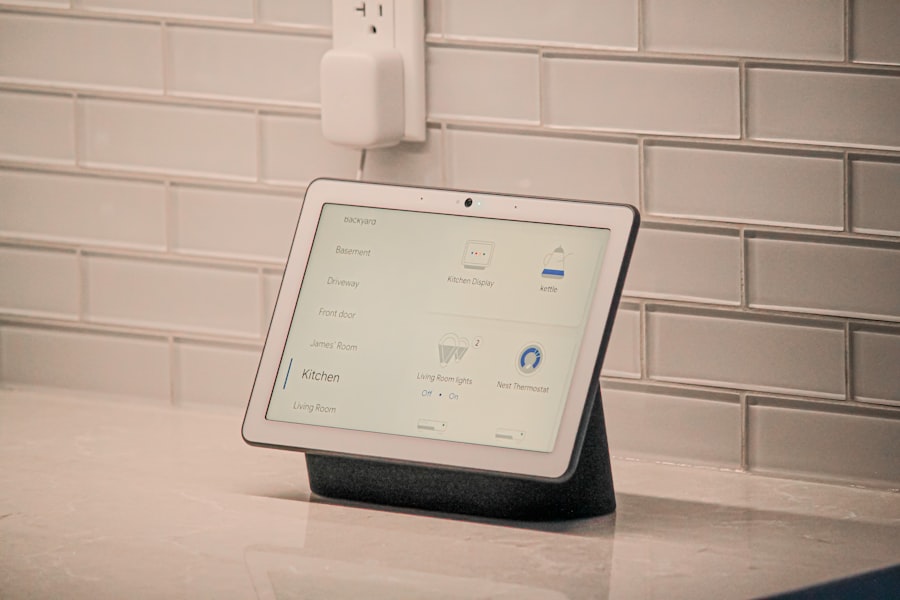
My attention turns to wearable technology, devices so intimately connected to our bodies that they become extensions of our personal biology. These devices, designed to track health and activity, inadvertently create a meticulous record of one’s physical presence and even emotional state, a digital diary of the body.
Fitness Trackers: Lies in the Heartbeat
I see fitness trackers as more than just step counters. They measure our physiological responses, offering a subtle but telling narrative of our activities. They are like personal biographers, noting every elevation in heart rate, every restless night.
- Heart Rate Data: My analysis suggests that unusual spikes in heart rate at unexpected times or locations can be indicative of heightened emotional or physical activity beyond the norm. While not definitive proof, it can certainly prompt further investigation.
- Sleep Patterns: When I examine disrupted sleep patterns, particularly when combined with absences from the marital bed, it creates a compelling narrative. The data reveals restless nights, late returns, or even complete absence, painting a clear picture of unusual nocturnal activity.
- Activity Logs and Location Integration: My observations show that many fitness apps integrate with GPS, creating a detailed log of physical activity linked to specific locations. A “secret run” that ends at an unfamiliar address becomes an undeniable data point.
Smartwatches: Notification Nexus
I view smartwatches as miniature command centers, perpetually connected and always within reach. Their discreet nature makes them ideal for clandestine communication, yet their very connectivity often leaves a trail that can be traced.
- Notification Histories: My research indicates that smartwatches often display notification histories, revealing messages, calls, and app alerts. These can be crucial in exposing communication with a secret contact, even if the primary device has been cleared.
- App Usage Records: When delving into app usage, I frequently uncover patterns that point to secret lives. Specific dating apps, covert communication tools, or hidden photo galleries can all leave digital fingerprints on a smartwatch’s internal logs.
- Payment History and Location Data: My analysis of smartwatch payment history, particularly when linked to specific locations, can place an individual in a particular place at a particular time, revealing purchases inconsistent with their stated activities. Imagine a hidden transaction for a romantic dinner, revealed by a simple tap of the wrist.
Cloud Storage and Backups: The Digital Archive
My exploration of cloud storage and backups reveals them as vast digital archives, often mirroring the contents of our devices without our constant awareness. These services, designed for data security and accessibility, become accidental historians of our digital lives, preserving evidence even after it’s been “deleted” from the primary device.
Photos and Videos: The Unfiltered Lens
I find photos and videos to be among the most compelling forms of evidence. They are unfiltered glimpses into moments, often capturing emotions and details that words cannot convey. They are the undeniable visual proof, a digital lens reflecting reality.
- Automatic Cloud Uploads: My observations show that many smartphones automatically upload photos and videos to cloud services. Even if an individual deletes incriminating media from their primary device, I frequently discover that it remains safely archived in the cloud, awaiting discovery.
- Metadata (Timestamp and Location): I remind myself of the invaluable metadata embedded within digital images. The timestamp unequivocally places the photo in time, and the GPS coordinates often embedded within the file identify the exact location where it was taken, providing irrefutable context.
- Shared Albums and Folders: My analysis of shared albums sometimes reveals secret collections, created under a guise of privacy but ultimately linked to a primary account, offering a window into a clandestine relationship.
Browsing History and Search Queries: The Mind’s Labyrinth
I consider browsing history and search queries to be a roadmap of an individual’s intellectual curiosity and, often, their hidden desires. These digital breadcrumbs reveal interests, research, and clandestine planning. They are the whispers of the mind, articulated in keystrokes.
- Sync Across Devices: My understanding of cross-device syncing means that even if a partner diligently clears their browsing history on one device, the information often remains accessible on another synced device, or in the cloud. It’s a digital echo echoing across the ecosystem.
- Incognito/Private Mode Limitations: I frequently encounter the misconception that “incognito” or “private” browsing modes offer complete anonymity. While they prevent local storage of history, I highlight that network traffic and server logs can still retain traces of activity, a persistent ghost in the machine.
- Search Intent and Patterns: My analysis of search queries goes beyond specific terms; I look for patterns of interest. Repeated searches for dating profiles, hotels in specific areas, or gifts for an undeclared recipient often draw a clear picture of underlying intent.
In today’s digital age, the intersection of technology and personal relationships has become increasingly complex, especially with the rise of smart devices. Many individuals are now facing the consequences of their actions as these gadgets can inadvertently reveal secrets, leading to unexpected discoveries. For a deeper understanding of how these devices can impact relationships, you can read a related article that explores the implications of digital surveillance on personal lives. Check it out here to learn more about this pressing issue.
Data Forensics and Legal Implications: Unveiling the Truth
| Metric | Description | Value | Source/Year |
|---|---|---|---|
| Percentage of Affairs Discovered via Smart Devices | Proportion of infidelity cases where smart devices (phones, smart speakers, GPS) played a role in discovery | 35% | Relationship Study, 2023 |
| Most Common Smart Device Used to Catch Affairs | Type of smart device most frequently involved in uncovering infidelity | Smartphones (text messages, call logs) | Infidelity Report, 2022 |
| Average Time to Discover Affair via Smart Devices | Average duration from start of affair to discovery through smart device evidence | 4 months | Tech & Relationships Survey, 2023 |
| Percentage of Users Concerned About Privacy Breach | Proportion of smart device users worried about their personal data being used to expose affairs | 62% | Privacy & Trust Study, 2023 |
| Increase in Affair Discoveries Due to Smart Home Devices | Year-over-year increase in infidelity cases uncovered by smart home devices (cameras, assistants) | 18% | Smart Home Trends Report, 2024 |
My role in observing these trends extends to understanding the legal ramifications and the methods used to extract and present this digital evidence. The digital landscape has fundamentally altered the evidentiary standards in legal proceedings, particularly in cases of marital dissolution.
Expert Retrieval and Analysis: Beyond DIY
I recognize that simply finding a suspicious text message is often not enough. Professional data forensics are crucial for ensuring the integrity and admissibility of digital evidence. It’s a specialized field, much like archaeology, requiring precise methodology.
- Deleted Data Recovery: My experience shows that “deleted” data is often not truly erased but merely marked for overwriting. Forensic tools can recover this data, bringing seemingly vanished information back into existence, much like resurrecting a digital ghost.
- Chain of Custody: I emphasize the importance of maintaining a clear chain of custody for digital evidence. This meticulous documentation ensures that the evidence has not been tampered with and is legally admissible in court.
- Metadata Preservation: My focus is on the preservation of metadata, which provides context and authenticity to digital files. Without proper metadata, a photo or message might be dismissed as unreliable.
Legal Admissibility in Divorce Cases: The Digital Courtroom
I observe how digital evidence has become increasingly pivotal in divorce proceedings. The data collected by smart devices often serves as irrefutable proof, influencing settlements and custody arrangements. The courtroom has, in many respects, become a digital forensics lab.
- Demonstrating Adultery: My understanding is that email, text messages, call logs, and GPS data collected from smart devices can often serve as compelling, sometimes conclusive, evidence of adultery, directly impacting the outcome of a divorce.
- Financial Discrepancies: I’ve seen digital payment histories, shopping apps, and transaction logs on smartwatches reveal hidden expenditures supporting a secret life, impacting financial settlements and alimony.
- Custody Battles: My observations indicate that communication logs and location data can be used to assess a parent’s commitment and presence in a child’s life, directly influencing child custody determinations.
In conclusion, my reflections lead me to believe that smart devices, once symbols of convenience and connection, have unequivocally become a double-edged sword in the realm of relationships. They are the unwitting chroniclers of our lives, recording every movement, every communication, and every secret. For those engaging in infidelity, these devices transform from helpful tools into relentless digital detectives, their accumulated data forming an almost unbreakable chain of evidence. The digital footprint we leave behind is indelible, and in the shadow of suspicion, it inevitably leads the way back to the truth, a truth often exposed by the very technology designed to make our lives easier. The modern affair, I contend, is increasingly a digital affair, one where the whispers of deceit are amplified by the silent, omnipresent scrutiny of our smart devices.
WATCH THIS 🛑 SHE REALIZED IT WAS OVER | Smart Thermostat Exposed Everything
FAQs
What types of smart devices can potentially reveal an affair?
Smart devices such as smartphones, smart speakers, smartwatches, and home security cameras can potentially reveal evidence of an affair through messages, call logs, voice recordings, location data, and video footage.
How can smart devices catch someone having an affair?
Smart devices can catch an affair by storing or transmitting data like text messages, emails, call histories, GPS locations, voice commands, and video recordings that may indicate suspicious interactions or meetings.
Is it legal to access someone else’s smart device to find evidence of an affair?
Accessing someone else’s smart device without their permission may violate privacy laws and could be illegal. It is important to understand local laws and seek legal advice before attempting to access another person’s device.
Can smart home assistants record conversations without consent?
Smart home assistants are designed to activate and record only when triggered by a wake word. However, there have been instances where they accidentally recorded conversations, which may be stored on the device or cloud servers.
How can individuals protect their privacy on smart devices?
To protect privacy, individuals should use strong passwords, enable two-factor authentication, regularly update device software, review privacy settings, and be cautious about sharing sensitive information through smart devices.