I find myself navigating a landscape of shifting legal and technological paradigms as a legal professional, and none are more fascinating and fraught with implications than the intersection of smart home devices and divorce proceedings. The very fabric of our private lives, once confined to our memories and limited documentation, is now being meticulously recorded by devices we invite into our homes – silent witnesses, if you will, to the unraveling of relationships. My aim in this article is to shed light on how I approach the utilization of these digital footprints as potential evidence in divorce cases, offering a factual and insightful perspective on their capabilities and limitations.
I perceive smart home devices as offering a unique, often unfiltered, glimpse into the daily routines, interactions, and even emotional states of individuals within a household. This isn’t just about security cameras; the ecosystem of connected devices has expanded exponentially. From thermostats to voice assistants, each device is a potential wellspring of data, painting a nuanced picture that can corroborate or contradict claims made in a divorce dispute. I am particularly interested in how these devices transform the concept of “he said, she said” into a more objective “device recorded, therefore it is.”
Types of Smart Home Devices and Their Evidential Potential
I frequently encounter a diverse array of smart home devices in my casework, each with its own specific data output. It’s crucial for me to understand the nuances of each.
Security Cameras and Video Doorbells
I often find myself scrutinizing footage from security cameras and video doorbells. These devices, like silent sentinels, record entrances, exits, and activity within their field of vision. I look for timestamps that can establish a person’s presence or absence at a specific location, the frequency of visitors, or even contentious interactions occurring at a doorstep. For instance, a recording of a spouse frequently leaving during alleged periods of childcare or returning at unusual hours can be compelling. I caution, however, that these devices only capture a partial view; they are not omniscient eyes.
Voice Assistants and Smart Speakers
I view voice assistants like Amazon Echo or Google Home as particularly powerful, and potentially intrusive, sources of information. While privacy concerns are paramount, if properly obtained and consented to (or if no reasonable expectation of privacy exists, depending on jurisdiction and specific circumstances), their logs can reveal spoken commands, queries, and even background conversations. I once encountered a scenario where repeated commands to “call my lawyer” or searches for “divorce filings” on a shared device provided insightful context into pre-separation planning. I must emphasize the significant legal hurdles in accessing such audio recordings, often requiring court orders or explicit consent, as the expectation of privacy surrounding spoken words in one’s home is generally high.
Smart Thermostats and Energy Monitoring Devices
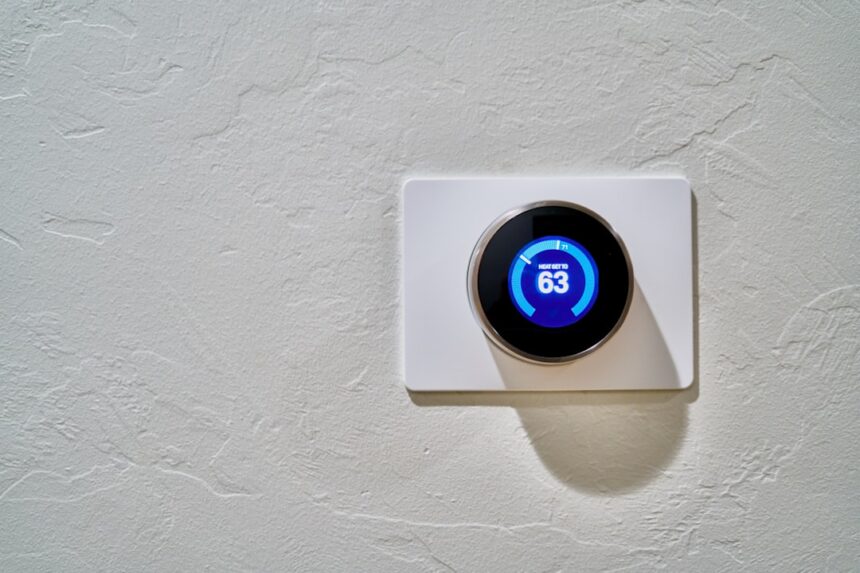
I may consider data from smart thermostats as more subtle, yet still informative. Patterns of heating and cooling can reveal occupancy patterns. For example, consistent temperature adjustments when a spouse claims to be away can raise questions. Similarly, energy monitoring devices, by tracking electricity consumption, can provide a macro-level view of when a home is active or dormant. I admit that these are often secondary pieces of evidence, used to corroborate stronger claims rather than standing alone.
Smart Home Automation Systems
I find integrated smart home automation systems, which connect various devices, particularly intriguing. These systems often maintain logs of all device interactions and rule executions. A log showing frequent activation of an “away” mode when a spouse is allegedly present, or unusual patterns of light or appliance usage, can present a granular timeline of activity within the home. I look for inconsistencies between these logs and the narrative presented by either party.
Location Tracking Devices and Wearables
While technically not always “smart home” in the strictest sense, I include location tracking devices and wearables here because their data often intertwines with the home environment. If a spouse has a smartwatch or a car with GPS tracking, I may explore the possibility of using this data to establish their whereabouts in relation to the marital home. I always proceed with extreme caution and a deep understanding of privacy laws when considering such information.
In today’s digital age, smart home devices can play a significant role in legal matters, including divorce proceedings. For those interested in understanding how to effectively use these devices as evidence in court, a related article can provide valuable insights. You can read more about this topic in the article found at this link, which discusses the implications and best practices for utilizing smart home technology in legal situations.
Legal Precedents and Admissibility: Navigating the Minefield
I cannot stress enough that the mere existence of data does not automatically translate into admissible evidence. This is where my role as a legal professional becomes critical. I must navigate a complex web of legal precedents, privacy laws, and evidentiary rules to determine whether information gleaned from smart home devices can be presented in court.
Privacy Concerns and Expectations
I consistently grapple with the tension between the desire for comprehensive evidence and deeply ingrained privacy rights. The Fourth Amendment in the United States, for instance, protects individuals from unreasonable searches and seizures. While this primarily applies to government action, I recognize its philosophical underpinnings extend to the expectation of privacy within one’s home. I frequently encounter arguments that recording devices, especially audio, violate a spouse’s expectation of privacy. My approach is to thoroughly research the specific jurisdiction’s laws on privacy, wiretapping, and consent. In many states, all-party consent is required for audio recording, making unilaterally recorded conversations inadmissible without clear exceptions.
Chain of Custody and Data Integrity
I understand that the integrity of digital evidence is paramount. Any data I intend to present must have a clear chain of custody, demonstrating how it was collected, stored, and retrieved. I must be able to prove that the data has not been tampered with or altered. This often involves working with digital forensics experts who can extract data in a forensically sound manner, ensuring its authenticity and reliability. I find that screenshots or informal recordings are often easily challenged and carry less weight than data extracted through proper forensic protocols.
Relevance and Hearsay Rules
I apply standard evidentiary rules, such as relevance and hearsay, to smart home device data. Is the data directly pertinent to a disputed fact in the divorce case? Does it contain out-of-court statements offered for the truth of the matter asserted? While raw data like timestamps or temperature readings are generally not considered hearsay, recorded conversations might be, depending on the purpose for which they are introduced. I must carefully craft my arguments for admissibility, demonstrating the probative value of the evidence while addressing any potential hearsay concerns.
Ethical Considerations: The Unseen Costs of Digital Surveillance

I believe that my professional responsibility extends beyond mere legal compliance. I must also consider the ethical ramifications of introducing smart home data into divorce proceedings. The potential for misuse, the erosion of trust, and the profound impact on individuals’ lives weigh heavily on me.
The Erosion of Privacy and Trust
I recognize that the widespread use of smart home devices in divorce cases can contribute to a broader erosion of privacy. When every corner of our homes can be monitored, the sense of personal sanctuary diminishes. This can be particularly true in a family context, where children may be unknowingly recorded or observed. I find myself wrestling with the ethical implications of using data that might have been gathered without explicit consent, even if legally permissible in certain contexts. The long-term impact on familial relationships, especially co-parenting relationships, can be severely damaged if a spouse feels constantly under surveillance.
The “Big Brother” Effect and Unintended Consequences
I am conscious of the “Big Brother” effect that can arise when smart home devices become tools for evidence gathering. This can create an atmosphere of paranoia and distrust, transforming once-private spaces into surveillance zones. I’ve seen situations where the pursuit of comprehensive digital evidence leads to an escalation of conflict, making amicable resolutions more difficult. My goal is always to use this evidence judiciously, not as a weapon, but as a flashlight to illuminate truths.
Data Security and Confidentiality
I bear the responsibility of ensuring that any data I obtain from smart home devices is handled with the utmost security and confidentiality. This sensitive information, which often reveals intimate details of a person’s life, must be protected from unauthorized access or disclosure. I adhere to strict protocols for data storage and access, ensuring compliance with privacy regulations like HIPAA (if health-related data is incidentally captured) or other data protection laws.
Practical Considerations for Practitioners: Guidance for the Road Ahead
As a practitioner, I’ve developed a methodical approach to dealing with smart home device evidence. It’s a road fraught with technical and legal complexities, but one that has become increasingly common.
Identifying Relevant Devices and Data
I begin by collaboratively interviewing my client to identify all smart home devices present in the marital home. This requires a detailed inventory, as many devices blend seamlessly into daily life and are easily overlooked. I ask about voice assistants, smart TVs, security systems, smart appliances, and even Wi-Fi routers, as these can log connectivity data. My aim is to be comprehensive, leaving no stone unturned in the initial information gathering phase.
Preservation and Discovery Strategies
I advise my clients on the critical importance of preserving any potentially relevant data. Once a divorce is contemplated, the temptation to delete or alter data can be strong, but this can lead to spoliation of evidence claims. I often recommend sending preservation letters to the opposing party, formally requesting that they maintain all data from smart home devices. During the discovery phase, I will typically issue specific interrogatories and requests for production of documents pertaining to smart home device data, often requesting access to account information (with appropriate protective orders) or working with forensic experts to extract the data.
Expert Testimony and Interpretation
I recognize that raw data from smart home devices often requires expert interpretation to be meaningful in a legal context. While I can understand the basic functions, the nuances of data logs, timestamps, or network traffic often necessitate the expertise of a digital forensics specialist. These experts can not only authenticate the data but also explain its significance to a judge or jury in an understandable manner. I often work closely with these experts, acting as the bridge between technical findings and legal arguments.
Cost-Benefit Analysis
I always conduct a thorough cost-benefit analysis before pursuing an extensive deep dive into smart home device data. Forensic data extraction can be expensive, and legal challenges to admissibility can further increase costs. I carefully consider whether the potential probative value of the evidence outweighs the financial and emotional toll on my client. Not every case warrants this level of technological investigation; sometimes, simpler, more traditional forms of evidence suffice. My ultimate goal is to represent my client effectively and efficiently.
In today’s digital age, smart home devices can play a crucial role in legal matters, including divorce proceedings. These devices often collect data that can serve as evidence, shedding light on behaviors and interactions that may be relevant in court. For those interested in exploring this topic further, a related article discusses how to effectively gather and present such evidence in a divorce case. You can read more about it by visiting this informative resource. Understanding the implications of smart technology in legal situations can empower individuals to navigate their circumstances more effectively.
The Future Landscape: Anticipating Innovations and Challenges
| Smart Home Device | Type of Data Collected | Potential Use in Divorce Evidence | Privacy Considerations | Example Scenario |
|---|---|---|---|---|
| Smart Cameras (Indoor/Outdoor) | Video footage, timestamps, motion detection logs | Documenting presence or absence, visitor logs, unusual activity | Consent required for recording; data access laws vary by jurisdiction | Showing spouse’s whereabouts during disputed times |
| Smart Speakers (e.g., Alexa, Google Home) | Voice commands, audio recordings, interaction logs | Proving conversations, presence, or commands given | Data may be encrypted; legal access may require warrants or consent | Confirming spouse’s statements or presence at home |
| Smart Thermostats | Temperature settings, occupancy detection, usage patterns | Showing home occupancy patterns or unusual activity times | Data is less sensitive but still protected under privacy laws | Demonstrating spouse was home or away during certain periods |
| Smart Locks | Entry/exit logs, timestamps, user access records | Tracking who entered or left the home and when | Access logs may be private; legal permission needed for evidence use | Proving unauthorized entry or absence of spouse |
| Smart Lighting Systems | On/off times, motion sensor activity | Corroborating presence or absence in rooms or home | Less sensitive but still subject to privacy policies | Showing activity patterns inconsistent with spouse’s claims |
| Smart Appliances (e.g., fridge, oven) | Usage logs, timestamps | Indicating daily routines or presence at home | Data access may be limited; privacy laws apply | Showing spouse’s use of appliances during contested times |
I believe that the role of smart home devices in divorce proceedings is only going to intensify. As technology progresses, so too will the complexity of the evidentiary landscape.
Advancements in AI and Data Integration
I anticipate that artificial intelligence will play an even larger role in smart home devices, leading to more sophisticated data collection and analysis. Future devices may not only record events but also interpret them, offering “insights” into household dynamics. This will present new challenges regarding the admissibility of AI-generated conclusions versus raw data. I foresee the need for legal professionals to become increasingly conversant in the principles of AI and machine learning to effectively challenge or leverage such evidence.
Regulatory Evolution and Privacy Legislation
I expect to see a continuous evolution in privacy legislation specifically addressing data collected by smart home devices. Governments are gradually catching up to technological advancements, and new laws may define consent, data ownership, and access rights in ways that directly impact divorce cases. I will remain vigilant in monitoring these legal developments, adapting my strategies accordingly to ensure compliance and ethical practice. The legal framework is a living document, constantly being rewritten by the hand of innovation.
The Blurring Lines Between Public and Private
I also foresee a further blurring of the lines between public and private spaces as smart home technology becomes more ubiquitous. Devices that monitor public-facing areas of a property, such as video doorbells, already straddle this line. As technology continues to embed itself more deeply into our environments, the legal definition of “private” will be continuously re-evaluated in the context of our digital footprints. I fully expect the metaphors of the “digital shadow” and “electronic witness” to become even more pervasive in legal discourse.
In conclusion, I approach the use of smart home device data in divorce as a powerful, yet double-edged sword. It offers unparalleled opportunities to bring clarity and truth to contentious disputes, often providing an objective narrative where subjective memories clash. However, I am acutely aware of the ethical minefields and legal complexities involved. My commitment remains to navigate this evolving landscape with diligence, integrity, and a profound respect for both legal principles and individual privacy.
FAQs
1. Can smart home devices be used as evidence in divorce cases?
Yes, data from smart home devices such as voice assistants, security cameras, and smart locks can potentially be used as evidence in divorce proceedings, provided the data is legally obtained and relevant to the case.
2. What types of information can smart home devices provide for divorce evidence?
Smart home devices can provide various types of information including audio recordings, video footage, timestamps of activities, access logs, and environmental data like temperature or motion detection, which may help establish timelines or behaviors.
3. Is it legal to use data from smart home devices without the other party’s consent?
The legality of using smart home device data without consent varies by jurisdiction. Generally, if the device is owned jointly or by one party, and the data is obtained lawfully, it may be admissible. However, privacy laws and consent requirements should be carefully considered.
4. How can one preserve smart home device data for use in divorce proceedings?
To preserve data, avoid deleting or altering any information on the devices, back up relevant data securely, and consider consulting a legal professional to ensure proper handling and chain of custody for evidence.
5. Should individuals consult a lawyer before using smart home device data in divorce cases?
Yes, it is highly recommended to consult a family law attorney before using smart home device data as evidence to understand legal implications, admissibility, and to ensure compliance with privacy laws and court procedures.