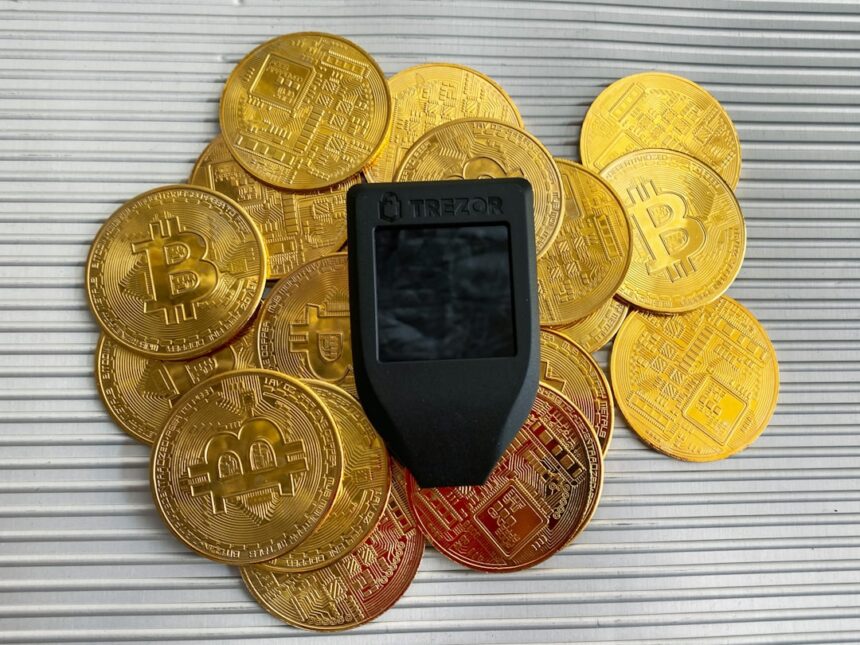
I’ve come to understand that the digital age, for all its perceived transparency, harbors secrets as potent and as deeply buried as any in history. My journey into the realm of cryptocurrency began, as it does for many, with a spark of curiosity, a whisper of the future of finance. But what truly threw me into the labyrinth I now find myself navigating was what I’ve come to call “The Secret Hardware Wallet.” This isn’t a tale of fortunes made or lost in the blink of an eye; this is a chronicle of shattered trust, of intimate revelations brought to light by the very device meant to safeguard assets. It’s a story where the cold, hard logic of cryptography intersected with the messy, unpredictable landscape of human relationships, leaving me, its unwilling protagonist, to untangle the wreckage.
The Allure of Security
It started innocuously enough. Discussions around cryptocurrency often drift towards security, and rightly so. The decentralized nature of these digital assets, while liberating, also places a significant burden of responsibility squarely on the shoulders of the individual. I was no different. The idea of losing my digital holdings to a hack, a phishing scam, or even simple human error was a persistent, nagging worry. This fear, a common currency in the crypto world, painted hardware wallets as the impenetrable fortresses they are often marketed to be. They promised an offline sanctuary, a digital vault where my private keys, the very DNA of my crypto, would reside, safe from the prying eyes of the internet. The concept was seductive: absolute control, ultimate peace of mind.
My Partner’s Enthusiasm
My partner, Sarah, shared this nascent interest. She was, in many ways, more tech-savvy than I was, quicker to grasp the intricacies of blockchain technology and the potential paradigm shift it represented. When I began researching hardware wallets, she was immediately on board. We spent evenings poring over reviews, comparing features, and discussing the merits of different brands. It felt like a shared project, a collaborative step into this new financial frontier. We were building our digital ark, preparing for whatever the future might hold. The shared responsibility fostered a sense of unity. We were a team, navigating this uncharted territory together.
The Choice of the Fortress
The decision to purchase a particular hardware wallet—let’s call it the “Aegis”—was a joint one. We weighed its reputation for robustness, its user-friendly interface (relatively speaking, in the crypto world), and its compatibility with the various cryptocurrencies we envisioned holding. The price, while not negligible, felt like a worthwhile investment in our financial future. The Aegis arrived in a sleek, understated package, and unboxing it felt like a momentous occasion. It was a tangible symbol of our commitment to securing our digital assets. We treated it with a reverence usually reserved for priceless artifacts.
In the world of relationship drama, the complexities of trust and secrecy often take center stage, much like the intriguing story of a secret hardware wallet that holds more than just cryptocurrency. This article delves into the unexpected consequences of hidden financial assets on personal relationships, exploring how the discovery of such a wallet can lead to tension and betrayal. For a deeper understanding of how financial secrets can impact love and trust, check out the full article at Ami Wrong Here.
The Seeds of Unease Sown
Initial Setup: A Shared Ritual
The setup process for the Aegis was as meticulously planned as any secure vault installation. We laid out the instructions on the coffee table, our faces illuminated by the glow of our laptops, a scene that, in retrospect, was pregnant with irony. We meticulously generated our seed phrase, writing it down on the provided paper, then carefully laminating it. We discussed the importance of anonymity, of keeping this information absolutely secret. We even debated the best physical location to store the laminated seed phrase – a complex cipher of its own, disguised as something mundane. It was a bonding experience, a testament to our shared commitment to this endeavor.
The Invisible Divide
As we integrated the Aegis into our routine, a subtle shift began to occur. While we had initially approached the setup as a unified front, the day-to-day management of the wallet, the actual transactions and account monitoring, gradually became my domain. I found myself spending more time researching market trends, understanding transaction fees, and generally immersing myself in the technical aspects of our holdings. Sarah, while still supportive and interested in the broader picture, wasn’t as drawn to the granular details. This wasn’t a conscious decision, but rather a slow drift, like tectonic plates shifting imperceptibly beneath the surface. The shared ritual began to fissure, creating an invisible divide.
Unspoken Concerns
There were moments, fleeting and easily dismissed at the time, where unease flickered. A casual comment about a forgotten password, a slightly too-quick change of topic when I asked about her crypto activity. These were the whispers in the wind that I, in my tunnel vision of securing our assets, failed to truly hear. I attributed them to stress, to busy schedules, to the general complexities of life. The Aegis, intended to be a shield, had inadvertently become a silent witness to a growing disconnect. It sat on my desk, a gleaming, inert object, unaware of the relational entropy it was passively observing.
The Unveiling: More Than Just Keys
The Accidental Discovery
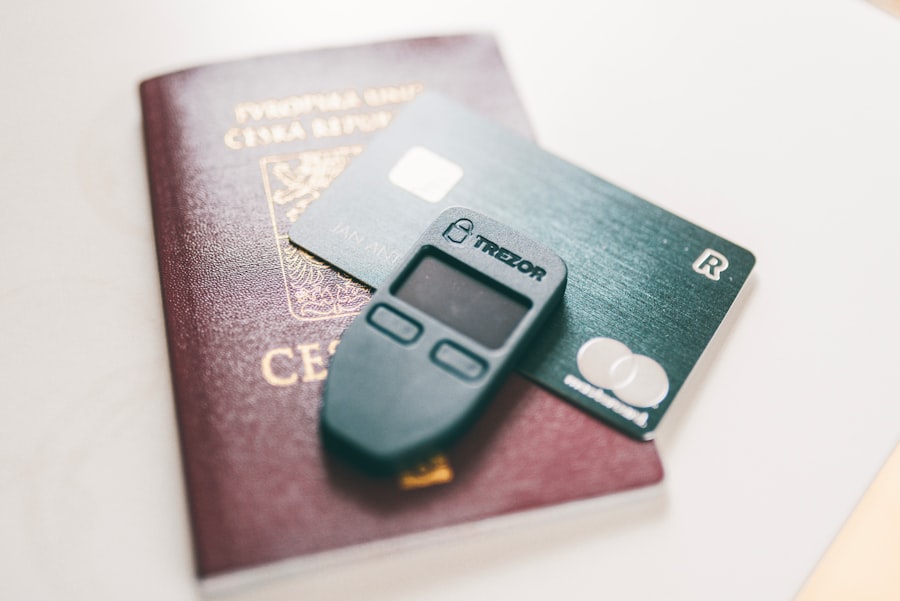
The unraveling began not with a dramatic confrontation, but with a mundane necessity. I needed to access the Aegis, to perform a routine transaction, and in the process, I encountered a slight technical glitch. In my troubleshooting, I needed to access some of the backup password information I had stored on a shared cloud drive. It was there, buried within a folder labeled “Important Documents,” that I found it. Not a single document, but a series of files, meticulously organized, that detailed a separate hardware wallet, a separate set of accounts, and a separate seed phrase. My stomach plummeted. It was like finding a hidden room in a house you thought you knew intimately.
The Second Key
This wasn’t just any second hardware wallet; it was a wallet that contained a significant portion of what I believed to be “our” crypto. The seed phrase was meticulously documented, along with detailed explanations of its purpose, its origin, and its separate, independent management. It was evident that this had been a deliberate and long-term undertaking, conducted entirely without my knowledge. The Aegis, the fortress we had so carefully constructed together, was, in fact, only one half of our digital kingdom. The other half had been a secret kept under lock and key, a phantom vault.
The Nature of the Deception
The shock wasn’t just about the existence of a second wallet, but the nature of the deception. It wasn’t a hasty, ill-conceived secret; it was a well-planned, sustained effort. The level of detail in the documentation suggested a long-term strategy. This wasn’t a financial maneuver born out of desperation; it felt more like a strategic divergence, a means of creating an independent financial trajectory. The trust I had placed in our shared venture, in our partnership, felt like a foundation built on sand, washed away by this unexpected revelation.
The Fallout: Fractured Trust, Digital Ghosts
The Confrontation: A Cold Exchange
The confrontation itself was surprisingly anticlimactic. There were no raised voices, no tears, no theatrical outbursts. When I presented Sarah with the evidence, her initial reaction was one of defensiveness, quickly followed by a quiet, almost resigned acknowledgment. The explanations, when they came, were delivered with a chilling pragmatism. She spoke of wanting independence, of a desire to secure her own future, independent of our shared financial goals. The words, devoid of emotional resonance, felt like the cold, hard lines of code that underpin the blockchain itself.
The “My Crypto,” “Your Crypto” Divide
The revelation instantly redefined our financial landscape, shattering the illusion of a shared inheritance. What I had believed to be “our” collective savings, our jointly built digital fortress, was now bifurcated. The Aegis represented one silo, and this secret wallet, a phantom limb of our financial relationship, represented another, independent entity. The emotional ramifications were immense. The shared dream had devolved into two distinct financial realities, each operating on its own blockchain, its own set of rules, its own security protocols. We were no longer building together; we were operating in parallel universes, our finances now a stark reflection of our fractured intimacy.
The Ghosts in the Machine
The irony of the situation was not lost on me. The very technology that promised transparency and decentralization had, in this instance, facilitated a profound level of opacity within our most intimate relationship. The hardware wallets, designed to be secure and private, had become vessels of deceit. The digital assets, meant to be a source of future security and stability, had become the very instruments of our relational breakdown. The “ghosts” were not digital specters but the intangible manifestations of broken promises and hidden truths, haunting the digital landscape of our shared past and our diverging futures.
In the world of relationship drama, trust can often be as fragile as a secret kept hidden away, much like the elusive hardware wallet that safeguards digital assets. This intriguing parallel is explored in a recent article that delves into the complexities of relationships intertwined with financial secrets. The article highlights how the concealment of something as seemingly innocuous as a hardware wallet can lead to misunderstandings and conflicts between partners. For a deeper understanding of this dynamic, you can read more about it in the article found here.
The Aftermath: Rebuilding in Digital Ruins
| Metric | Description | Value | Impact on Relationship |
|---|---|---|---|
| Secret Hardware Wallet Ownership | Whether one partner owns a hidden hardware wallet | Yes | High – Breach of trust |
| Duration of Secrecy | Length of time the wallet was kept secret | 6 months | Medium – Growing suspicion |
| Value Stored in Wallet | Approximate amount of assets held | 50,000 units | High – Financial implications |
| Discovery Method | How the secret was uncovered | Accidental discovery | High – Shock and betrayal |
| Communication Post-Discovery | Level of openness after revelation | Low | High – Ongoing conflict |
| Resolution Attempts | Efforts made to resolve the issue | Couples therapy sessions | Medium – Potential reconciliation |
| Trust Rebuilding Time | Estimated time to regain trust | 12 months | Long-term impact |
The Weight of Shared Responsibility (or Lack Thereof)
The initial euphoria of entering the world of cryptocurrency had been replaced by the heavy burden of understanding the true cost. It wasn’t just the financial fluctuations or the technical complexities; it was the profound realization that trust, when absent, can render even the most secure digital fortress an empty shell. The shared responsibility I had so readily embraced now felt like a one-sided commitment. The Aegis, once a symbol of our partnership, now stood as a monument to what had been. Its cold, metallic exterior was a stark contrast to the warmth of the trust that had once resided within its digital walls.
Navigating the New Financial Landscape
The path forward was, and continues to be, a challenging one. We are now navigating a financial landscape that is no longer shared but individual. This requires a new kind of communication, a redefinition of our financial boundaries, and a sober reassessment of what it means to build a future, both individually and, potentially, together in some new, redefined capacity. The digital assets remain, a constant reminder of the complex interplay between technology and human behavior. They are no longer simply investments; they are markers in the timeline of our relationship, each holding significant emotional weight.
The Lesson of the Secret Hardware Wallet
The lesson of the “Secret Hardware Wallet” is a stark one, not just for those venturing into the world of cryptocurrency, but for anyone engaged in a partnership where financial matters are a shared concern. It is a potent reminder that the most advanced security protocols in the digital realm cannot compensate for a lack of open communication, honesty, and mutual trust. The Aegis, the fortress I believed was protecting our shared future, ultimately became the silent witness to its own dismantlement. It taught me, in the most painful of ways, that the true security of any endeavor, digital or otherwise, lies not solely in the strength of its defenses, but in the integrity of those who stand within its walls. The digital age, I’ve learned, can be a double-edged sword, capable of both empowering and exposing the deepest vulnerabilities of the human heart. And sometimes, the most devastating hacks aren’t perpetrated by malicious actors online, but by those closest to us.
FAQs
What is a hardware wallet in the context of cryptocurrency?
A hardware wallet is a physical device designed to securely store the private keys of cryptocurrency assets offline, protecting them from online hacks and unauthorized access.
Why might a hardware wallet cause relationship drama?
Relationship drama can arise if one partner keeps the hardware wallet secret, leading to issues of trust, financial transparency, and concerns about control over shared assets.
Is it common for couples to share access to a hardware wallet?
While some couples choose to share access for transparency and joint management, others prefer to keep wallets separate for privacy or security reasons. Communication about access is key to avoiding misunderstandings.
What are the risks of hiding a hardware wallet from a partner?
Hiding a hardware wallet can lead to mistrust, potential disputes over asset ownership, and complications in managing or recovering funds if one partner is unaware of the wallet’s existence.
How can couples prevent relationship issues related to hardware wallets?
Couples can prevent issues by openly discussing their cryptocurrency holdings, agreeing on access and management protocols, and ensuring both parties understand the security measures involved.