
I find myself in a peculiar position, tasked with an exploration that many might deem intrusive, yet one I believe is increasingly relevant in our interconnected world. We’re embarking on a journey into the digital shadows of personal finance, a realm where secrets can be held and futures subtly reshaped. I’m referring, of course, to the possibility of uncovering clandestine investment applications on a partner’s phone. My aim is not to advocate for suspicion, but rather to illuminate a growing trend and the tools that facilitate it, so that you, my reader, can navigate your personal relationships with greater awareness.
I observe a curious duality in the modern era: an unprecedented level of interconnectedness juxtaposed with an equally unprecedented capacity for discrete action. The smartphone, this ubiquitous extension of our selves, acts as both a window and a wall. It connects us to global markets with a tap but can also shield personal financial maneuvers from a partner’s gaze.
The Rise of Retail Investing Apps
I’ve personally witnessed the explosion of retail investing platforms. Gone are the days when investing was solely the domain of seasoned brokers and complex financial institutions. Now, a multitude of apps makes it accessible to anyone with an internet connection and a modest sum.
Democratization of Access
I recall a time when I perceived investing as an exclusive club. Today, I see individuals from all walks of life, often with limited financial literacy, engaging in sophisticated trading strategies. This democratization is a double-edged sword: empowering for many, but also a fertile ground for speculative ventures or undisclosed financial activities.
Behavioral Economics and Gamification
I’ve noted how many of these applications are expertly designed. They employ principles of behavioral economics, turning the often-dry world of finance into an engaging, almost game-like experience. Push notifications, leaderboards, and simplified interfaces encourage frequent interaction, making them incredibly sticky.
The Erosion of Financial Transparency in Relationships
I believe that financial transparency is a cornerstone of a healthy partnership. However, as the tools for individual financial management become more sophisticated and accessible, the temptation for one partner to maintain separate financial “spheres” can grow.
The “My Money” vs. “Our Money” Divide
I often encounter the philosophical debate in relationships regarding individual versus shared finances. While maintaining separate accounts for discretionary spending is common, undisclosed investments can represent a far greater departure from shared financial planning, potentially impacting a couple’s long-term goals.
The Appeal of Secrecy
From my perspective, there are various reasons why someone might choose to keep investments hidden. It could be a desire for independence, an attempt to surprise a partner, a fear of judgment for risky endeavors, or, more concerningly, an effort to shield assets during difficult times. I aim to uncover the how, not to judge the why.
If you’re concerned about the possibility of hidden investment apps on your spouse’s phone, you may find it helpful to read a related article that discusses various methods for detecting such applications. The article provides insights into identifying suspicious behavior and offers tips on how to approach the situation delicately. For more information, you can check out the article here: Detecting Hidden Investment Apps.
Identifying Digital Footprints
My exploration necessitates a focus on the practical. How does one, in my position, even begin to look for these hidden financial instruments? The challenge lies in the increasingly sophisticated camouflage of these apps.
Obscured Icons and Folders
I’ve observed that many apps now offer customizable icons, allowing them to blend seamlessly with other, seemingly innocuous applications. A vibrant stock chart icon can be swapped for a mundane calculator or weather app graphic.
The “Invisible” App
I sometimes marvel at the ingenuity developers employ. Some platforms allow users to literally hide the app from the home screen, requiring a specific gesture or search term to reveal it. This creates a digital ‘trapdoor’ into a secret financial world.
Deeply Nested Folders
I’ve seen phones where multiple layers of folders are used to bury applications. A “Utilities” folder might contain a “Tools” folder, which in turn holds “Calculators,” and within that, the subtle icon of a trading platform. It’s a digital nesting doll.
Notification Trails and Browser History
Even the most meticulously hidden app often leaves digital breadcrumbs. I consider these as vital clues, fragments of information that can lead to a larger picture.
Push Notifications
I’ve learned that notification settings are crucial. Even if an app is hidden, push notifications about trades, account updates, or price alerts can flash across the screen, albeit briefly. I pay attention to unfamiliar app names in these fleeting glimpses.
Browser History Anomalies
I delve into browser histories with a detective’s eye. Repeated visits to obscure financial news sites, investment forums, or the web versions of specific trading platforms can be telling. Even incognito mode isn’t foolproof; while it doesn’t save history, it doesn’t prevent access to these sites.
Common Channels for Secret Investing
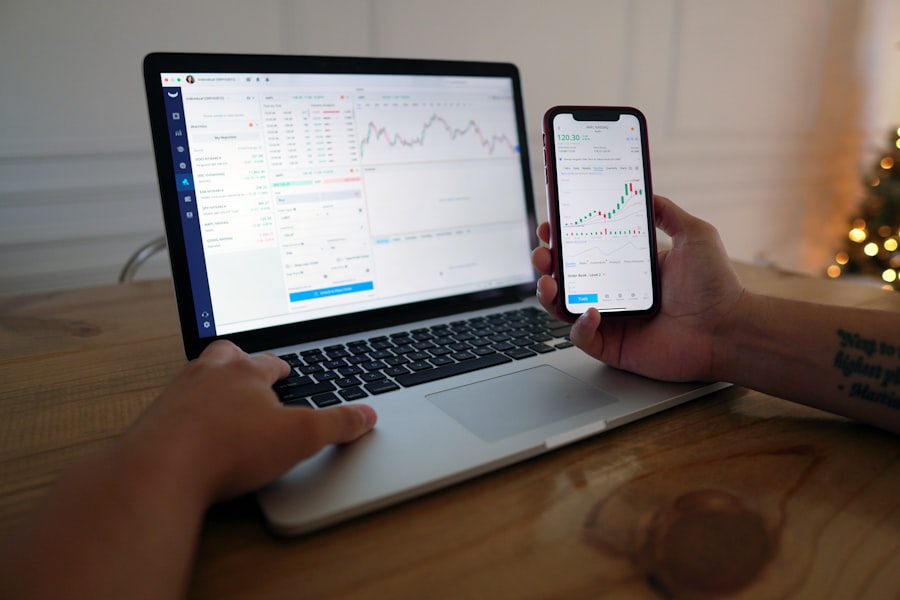
I find it useful to categorize the types of platforms that are most frequently used for these clandestine activities. This provides a framework for my investigation.
Traditional Brokering Platforms with Modern Interfaces
I’ve noticed that even established brokerage firms have adapted to the mobile-first generation. Their apps can be just as sleek and user-friendly as newer fintech startups.
Established Legacy Brokers (E.g., Charles Schwab, Fidelity, Vanguard)
I understand that these platforms, while reputable, can still be used for undisclosed investments. Their apps often offer a wide range of investment products, from stocks and bonds to mutual funds and ETFs.
Discount Brokers (E.g., E*TRADE, TD Ameritrade)
I’ve observed that these platforms cater to both active traders and long-term investors. Their mobile applications are robust, providing real-time data and advanced trading tools, making them attractive for those seeking more control and potentially higher-risk ventures.
Fintech Innovators and Commission-Free Trading
I believe this category represents the fastest-growing segment for secret investing, primarily due to their low barriers to entry and often aggressive marketing campaigns.
Commission-Free Stock Trading Apps (E.g., Robinhood, Webull, Moomoo)
I often see these platforms championed for democratizing investing. Their “free” trading model has attracted millions, making it simple to dabble in stocks, options, and even cryptocurrencies without significant upfront costs. This accessibility naturally lends itself to discrete financial dabbling.
Fractional Share Investing Platforms (E.g., Stash, Acorns, Public)
I’ve noted how these apps allow users to invest small amounts, often as little as $1, into diversified portfolios or individual stocks. This ‘micro-investing’ can feel less significant, making it easier to keep under wraps, even as small amounts accumulate over time.
Cryptocurrency Exchanges and Wallets
I consider cryptocurrency a particularly fertile ground for hidden investments due to its decentralized and often pseudonymous nature.
Centralized Exchanges (E.g., Coinbase, Binance, Kraken)
I’ve seen these platforms act as gateways for many into the crypto world. They offer a relatively user-friendly interface for buying, selling, and storing various cryptocurrencies. The volatility and high-risk, high-reward nature of crypto can make it an appealing, albeit risky, secret investment avenue.
Decentralized Exchanges and Software Wallets (E.g., MetaMask, Trust Wallet)
I recognize that these options offer even greater anonymity and control but come with a steeper learning curve. Stored as apps on a phone, these wallets can hold substantial digital assets that are entirely outside conventional financial systems and thus incredibly difficult to trace without direct access to the device.
The Digital Forensics Toolkit (Ethical Considerations Apply)
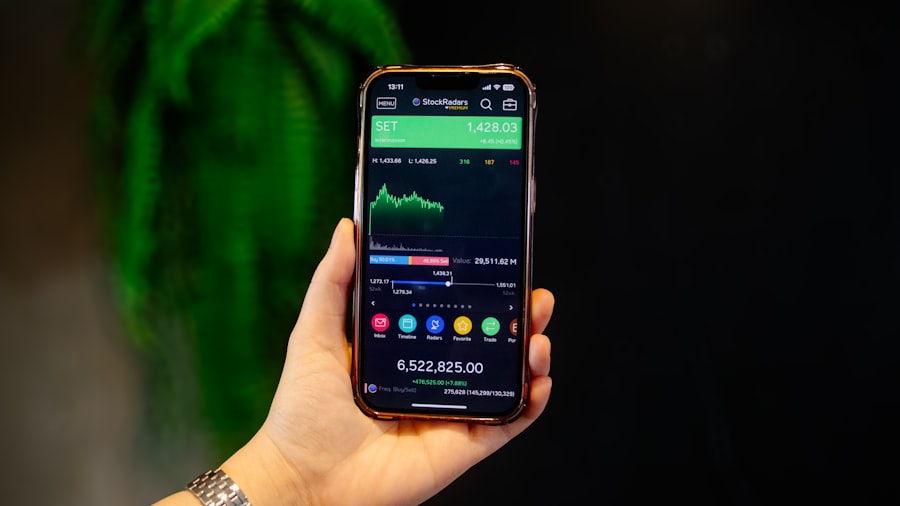
My exploration must touch upon the practicalities of investigation, but I must also underscore the critical importance of ethical boundaries. My role is to inform, not to instruct unauthorized access.
App Permission Review
I understand that app permissions can reveal a lot about an application’s true purpose. I often look for apps requesting access to unusual data or capabilities.
Discrepancies in Permissions
I sometimes notice that a seemingly innocent “calculator” app might demand network access, location services, or access to photos – permissions that are highly unusual for its stated function. This is a red flag in my opinion.
Background Data Usage
I observe that investment apps, especially those providing real-time data, often consume significant background data. Monitoring data usage statistics on a phone can sometimes highlight an application that is constantly active, even when not explicitly opened.
Device Search Functionality
I’ve found the built-in search functions on smartphones to be surprisingly powerful tools. They often cut through the layers of obfuscation.
Spotting Keywords
I sometimes use keyword searches within the phone’s operating system. Terms like “invest,” “trade,” “stock,” “crypto,” or even company names like “Robinhood” or “Coinbase” can reveal hidden applications or shortcuts that lead to financial platforms.
Examining App Lists in Settings
I find that the most definitive way to see all installed applications is through the device’s settings menu. This list often bypasses custom icons or folder hiding, providing a comprehensive catalog of every app on the device.
If you’re concerned about potential hidden investment apps on your spouse’s phone, you might find it helpful to read a related article that discusses various methods for detecting such applications. This resource provides insights into identifying suspicious behavior and offers practical tips for monitoring digital activity. For more information, you can check out the article on detecting hidden investment apps here.
Navigating the Aftermath: Communication and Trust
| Metric | Description | Typical Value/Range | Notes |
|---|---|---|---|
| Number of Installed Apps | Total apps installed on the spouse’s phone | 50 – 150 | Higher than average may indicate hidden apps |
| Hidden App Detection Rate | Percentage of apps not visible on home screen but installed | 1% – 5% | Apps hidden via app hiders or disguised icons |
| Investment App Presence | Number of known investment apps detected | 0 – 3 | Includes apps like Robinhood, E*TRADE, Acorns |
| Unusual App Usage Time | Hours spent on investment apps during odd hours | 0 – 2 hours/night | Late night usage may indicate secrecy |
| App Permissions | Number of apps with financial data access permissions | 0 – 5 | Check for apps requesting SMS, contacts, or banking info |
| App Size | Average size of investment apps installed | 20 – 100 MB | Smaller apps may be disguised or lightweight versions |
| Frequency of App Updates | Number of updates per month for investment apps | 1 – 4 | Frequent updates may indicate active use |
I recognize that discovering hidden financial activities is not merely a technical exercise; it’s a profound interpersonal one. The ethical considerations become paramount.
The Erosion of Trust
I believe that the very act of secretly investing, regardless of intent, can be a trust-eroding event. It signifies a lack of openness and potentially shared decision-making in a fundamental aspect of a partnership.
Financial Infidelity
I’ve heard the term “financial infidelity” used to describe situations where one partner makes significant financial decisions without the other’s knowledge. This discovery can be as damaging as other forms of infidelity to the core fabric of a relationship.
Emotional Impact
I understand that the emotional fallout can be significant. Feelings of betrayal, anger, confusion, and anxiety about the future are common. It’s a discovery that can shake the foundation of shared financial security.
Strategies for Open Dialogue
I advocate for a path of open communication, however difficult it may seem. Confrontation without understanding can exacerbate the situation.
Choosing the Right Moment
I suggest approaching the conversation calmly and thoughtfully. A heated accusation can shut down dialogue before it even begins. Choosing a time when both partners are relaxed and can speak without interruption is crucial.
Focusing on Feelings, Not Accusations
I believe that expressing how the discovery makes one feel is more constructive than launching direct accusations. “I’m concerned about our shared financial future because I’ve found evidence of undisclosed investments” is often more effective than “You’ve been secretly investing behind my back!”
Seeking Professional Guidance
I recognize that these are deeply sensitive issues. If communication breaks down, or if the financial implications are significant, I strongly recommend seeking the guidance of a couples’ therapist or a financial advisor who specializes in relationship dynamics. These professionals can provide a neutral space for discussion and help navigate complex financial reconciliation.
My journey through the landscape of hidden investment apps has shown me one undeniable truth: while technology offers unparalleled convenience and avenues for personal enrichment, it also provides new opportunities for opacity in our most intimate relationships. To be aware of these tools and their methods is not to be inherently suspicious, but rather to be informed, to understand the digital currents beneath the surface, and ultimately, to encourage the open financial dialogue that is the bedrock of any solid partnership.
FAQs
1. How can I identify if my spouse has hidden investment apps on their phone?
You can look for unusual app icons, check for apps with generic or disguised names, review the list of installed apps in the phone settings, or use the phone’s search function to find investment-related keywords. Some apps may also be hidden in folders or use stealth modes.
2. Are there specific apps designed to hide other apps on a phone?
Yes, there are apps known as app lockers or vaults that can conceal other apps or files. These apps often require a password or biometric authentication to access hidden content, making it harder to detect hidden investment apps.
3. Can checking the phone’s app permissions help detect hidden investment apps?
Yes, reviewing app permissions can provide clues. If an app has permissions related to financial transactions, internet access, or notifications but seems unrelated to its stated purpose, it might be hiding investment activities.
4. Is it legal to check my spouse’s phone for hidden investment apps?
Legality varies by jurisdiction and relationship agreements. Generally, accessing a spouse’s phone without consent may violate privacy laws. It’s advisable to discuss concerns openly or seek legal advice before attempting to check their phone.
5. What are some signs that my spouse might be using hidden investment apps?
Signs include secretive behavior with their phone, sudden changes in financial status, unexplained transactions, frequent phone usage at odd hours, or reluctance to share financial information. These indicators may warrant a respectful conversation or professional guidance.