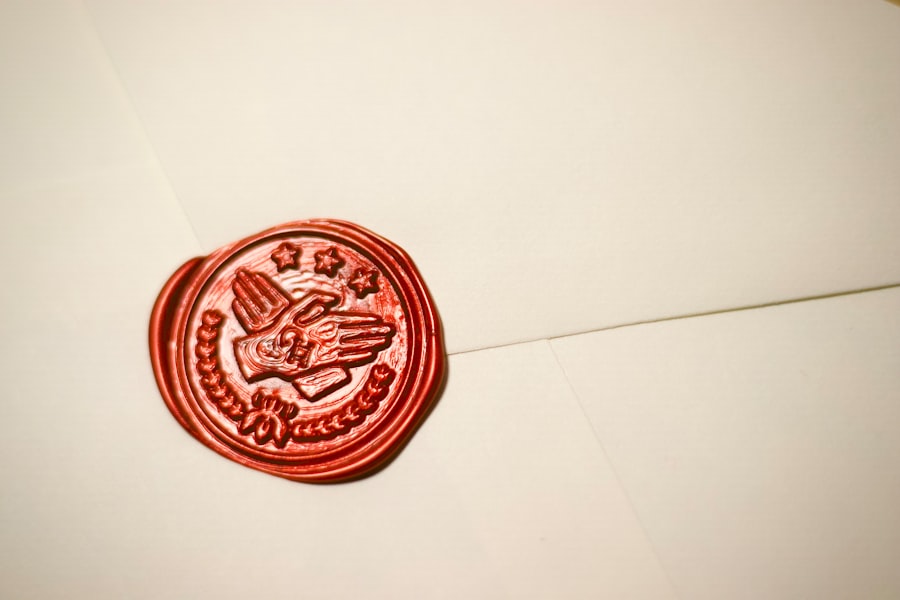
As a notary public, I am entrusted with a significant responsibility: to act as an impartial witness to the signing of documents and to verify the identities of the signers. My notary seal, a unique device that imprints my official information onto a document, is not merely a fancy stamp; it is the physical manifestation of my authority and the cornerstone of the trust placed in me by the public and legal system. Misusing this seal, therefore, is not a trivial offense. It is a profound breach of trust, carrying an array of legal consequences that can dramatically alter my professional and personal life. My intention with this article is to shed light on these repercussions, serving as a cautionary tale and a guide for myself and my fellow notaries.
Before delving into the penalties, it’s imperative that I understand the fundamental role my notary seal plays. It’s an instrument of verification, a symbol of authenticity, and a gatekeeper against fraud. When I affix my seal to a document, I am essentially declaring to the world that I have personally witnessed a signature, verified the signer’s identity, and confirmed their willingness to sign the document without coercion.
Verification and Authentication
My notary seal serves as a primary tool for verification. When I apply it, I am attesting to the legitimacy of a signature. This is not a mere formality; it is a critical step in countless legal and financial transactions. Without this verification, documents could be easily forged, leading to widespread fraud and undermining the integrity of legal proceedings. My seal acts as a bulwark against such illicit activities.
Legal Weight and Presumption of Validity
The presence of my notary seal carries significant legal weight. In many jurisdictions, a properly notarized document is presumed to be valid. This presumption can be incredibly powerful in court, shifting the burden of proof to anyone attempting to challenge the document’s authenticity. My seal, therefore, is an emblem of legal certainty, lending credibility and enforceability to documents that might otherwise be questioned.
Deterrent to Fraud
Just as a lighthouse guides ships away from perilous shoals, my notary seal acts as a deterrent to fraud. Individuals contemplating fraudulent activities are less likely to attempt them when they know an official notary seal will be affixed, signifying a formal, witnessed transaction. The presence of my seal is a clear signal that the document has undergone a specific verification process, making it less susceptible to falsification.
Misuse of a notary seal can lead to serious legal consequences, including fines and potential criminal charges. For more detailed information on the penalties associated with notary seal misuse, you can refer to a related article that discusses the implications and legal ramifications in depth. To read more, visit this article.
Defining Misuse: What Constitutes an Offense?
Understanding what constitutes misuse is paramount for me, as a notary public, to avoid inadvertently crossing legal boundaries. Misuse isn’t always calculated malice; sometimes, it can stem from ignorance, carelessness, or a misguided attempt to expedite a process. The spectrum of misuse is broad, ranging from minor infractions to egregious criminal acts.
Unauthorized Use
Perhaps the most straightforward form of misuse is unauthorized use. This occurs when I, or anyone else, affixes my notary seal to a document without having personally witnessed the signing or verified the signer’s identity. It’s akin to forging my own signature, betraying the very essence of my notarization duties. This could involve pre-notarizing documents, where I apply my seal before the signer is present, or allowing another person to use my seal.
Improper Acknowledgment or Jurat
My role dictates specific actions for acknowledgments and jurats. An acknowledgment confirms the signer’s identity and their voluntary signature. A jurat, on the other hand, involves the signer taking an oath or affirmation before me, swearing to the truthfulness of the document’s contents. Misusing my seal in these contexts means I’ve failed to perform the required actions. For example, affixing my seal to an acknowledgment when the signer wasn’t present, or applying it to a jurat without administering the oath, are clear instances of misuse.
Fraudulent Intent
The most severe form of misuse involves fraudulent intent. This is when I deliberately use my notary seal to facilitate deception or to aid in a criminal enterprise. This could include notarizing a document I know to be false, notarizing a document for someone I know is impersonating another individual, or participating in a scheme to defraud others using my notarial authority. Such actions transform me from an impartial witness into an accomplice.
Negligent or Careless Use
While not always driven by malicious intent, negligent or careless use of my notary seal can still lead to significant problems. This could involve failing to properly secure my seal, allowing it to be stolen or used by others, or notarizing a document without fully understanding its contents or implications, thereby lending my authority to something I haven’t adequately vetted. My duty extends to safeguarding my seal and exercising due diligence in all my notarial acts.
Civil Penalties: Financial Repercussions
The consequences of misusing my notary seal are not solely theoretical; they manifest as tangible penalties that can severely impact my financial well-being. These civil penalties aim to compensate victims and deter future misconduct.
Liability for Damages
If my misuse of a notary seal causes financial harm to an individual or entity, I can be held personally liable for those damages. This is not a hypothetical scenario; it’s a realistic risk. For instance, if I negligently notarize a fraudulent deed, and that fraudulent deed leads to an individual losing their property, I could be sued for the value of that property and any associated costs. My notary bond, which is typically a relatively small amount, often serves as initial protection, but if the damages exceed the bond amount, my personal assets could be at risk.
Notary Bond Claims
My notary bond, a surety bond required by most states, is a financial guarantee that I will faithfully perform my notarial duties. If I misuse my seal, a wronged party can file a claim against my bond to recover their losses. While this provides some protection for the public, it also directly impacts me. After a claim is paid, the surety company will often seek reimbursement from me, the principal, turning a perceived safety net into a direct financial obligation.
Personal Asset Exposure
Should the damages exceed my notary bond’s coverage, my personal assets – my savings, my home, even future earnings – could be targeted in a civil lawsuit. This is where the true gravity of negligent or fraudulent notarization becomes starkly clear. My entire financial future could be jeopardized by a single act of misuse.
Fines and Administrative Penalties
Beyond direct civil liability for damages, I can also face administrative fines imposed by the state’s commissioning authority. These fines are often levied for violations of notary laws, even if no direct financial harm to a third party can be proven. The amounts can vary significantly depending on the severity of the infraction and state statutes, but they serve as a clear indicator that the state takes notary duties seriously.
License Suspension or Revocation
One of the most immediate and significant administrative penalties I could face is the suspension or outright revocation of my notary commission. This means I would lose my authority to act as a notary public, effectively ending my ability to perform notarizations and, for many, impacting their professional livelihood. The length of suspension and the likelihood of revocation depend on the nature and repeatedness of the offense. A revocation often comes with a significant waiting period before I can even reapply, if ever.
Reputational Damage
While not a direct legal or financial penalty, the damage to my professional reputation is a profound consequence of notary seal misuse. Trust is the currency of the notary profession. Once that trust is eroded by allegations or findings of misuse, it is incredibly difficult, if not impossible, to regain. My credibility would be shattered, impacting my ability to secure future employment or clients.
Criminal Penalties: When Misuse Becomes a Crime
The line between civil infraction and criminal offense can sometimes feel blurred, but I must understand that certain acts of notary seal misuse cross firmly into the realm of criminal law, carrying with them the potential for imprisonment and a permanent criminal record.
Forgery and Uttering a Forged Instrument
If I deliberately use my notary seal on a forged document, or if I create a forged document and then apply my genuine seal to it, I can be charged with forgery. This crime involves creating a false document or altering an existing one with the intent to defraud. Uttering a forged instrument means presenting a forged document as genuine. Both carry significant criminal penalties, including felony charges, substantial fines, and lengthy prison sentences. My notary seal, in such a context, becomes an accessory to a grave crime.
Identity Theft
Should I misuse my notary seal to facilitate identity theft – for example, by notarizing a document for an imposter, knowing they are not the rightful signer – I could be implicated in identity theft charges. This crime involves unlawfully obtaining and using another person’s personal identifying information for financial gain or to commit other crimes. The penalties for identity theft are severe, reflecting the significant harm it inflicts on victims.
Perjury
In situations involving jurats, where I administer an oath or affirmation, if I knowingly notarize a document containing false statements after the signer has sworn to their truthfulness, I could potentially face charges of perjury. While the primary liability for perjury rests with the signer, my knowing participation in such a fraudulent act could lead to me being an accessory or facing other related criminal charges. My duty is to administer the oath, not to validate the content, but if I am complicit in a false sworn statement, my role shifts from witness to perpetrator.
Fraud and Embezzlement
When my misuse of the notary seal is part of a larger scheme to defraud others, I can be charged with various forms of fraud, such as mortgage fraud, real estate fraud, or insurance fraud. If I am in a position of trust and misappropriate funds or property facilitated by my notarial acts, I could also face charges of embezzlement. These are serious white-collar crimes that carry significant prison sentences and hefty fines, forever tarnishing my reputation and prospects.
Misuse of a notary seal can lead to serious legal repercussions, including fines and potential criminal charges. Understanding the implications of such actions is crucial for anyone involved in notarization. For more detailed information on the consequences of improper use of notary seals, you can refer to this informative article that outlines the penalties and legal ramifications. If you’re interested in learning more about this topic, check out the article here.
Professional and Ethical Consequences: Beyond the Law
| Jurisdiction | Penalty Type | Description | Typical Penalty |
|---|---|---|---|
| United States (General) | Criminal Penalty | Misuse of a notary seal, such as unauthorized use or forgery, is often considered a misdemeanor or felony depending on severity. | Fines, imprisonment up to several years, or both |
| California | Criminal and Administrative | Unauthorized use of a notary seal can lead to criminal charges and revocation of notary commission. | Up to 1 year in county jail, fines, and commission revocation |
| New York | Criminal Penalty | Misuse of a notary seal is a Class A misdemeanor. | Up to 1 year imprisonment and/or fines |
| Texas | Criminal and Civil Penalty | Misuse can result in criminal charges and civil liability for damages caused. | Jail time, fines, and civil damages |
| Florida | Criminal Penalty | Misuse of a notary seal is a third-degree felony. | Up to 5 years imprisonment and fines |
Beyond the strict legal ramifications, I must also consider the profound professional and ethical consequences that accompany the misuse of my notary seal. These are not always codified in statutes, but they impact my standing within my profession and my personal integrity.
Breach of Public Trust
My role as a notary public is founded entirely on public trust. I am an impartial, objective officer of the state, meant to inspire confidence in the documents I authenticate. When I misuse my seal, I betray that trust, not just for myself, but for the entire notarial profession. This breach erodes the public’s faith in the integrity of notarized documents, leading to increased scrutiny and potentially more burdensome processes for all. It’s like a single rotten apple spoiling the whole barrel; my actions can cast a shadow on all notaries.
Ethical Violations and Disciplinary Actions
Every state has a code of ethics or professional standards that I, as a notary, am expected to uphold. Misusing my seal is a direct violation of these ethical principles. The commissioning authority can initiate disciplinary actions, even if no criminal charges are filed or civil lawsuit is won. These actions can include warnings, mandatory retraining, public reprimands, and as mentioned earlier, suspension or revocation of my commission. These disciplinary measures are a public record and can follow me indefinitely.
Loss of Professional Standing
My professional standing is built on a foundation of reliability, integrity, and adherence to legal and ethical standards. Misuse of my notary seal shatters this foundation. I would no longer be viewed as a trustworthy or credible professional. Referrals would dry up, and opportunities would disappear. In a world where reputation is key, such a loss can be career-ending, effectively blacklisting me from related fields that require a high degree of trust.
Preventing Misuse: My Oath-Bound Responsibility
Given the severe consequences, preventing misuse of my notary seal is not merely a recommendation; it is an oath-bound responsibility. As a notary public, I must actively embrace strategies and best practices to safeguard my seal and my integrity.
Thorough Training and Ongoing Education
My initial notary training provides a foundational understanding, but the legal landscape and best practices evolve. I must commit to thorough ongoing education. This includes regularly reviewing my state’s notary laws and regulations, attending continuing education courses, and staying informed about any updates or changes. An informed notary is a protected notary. Ignorance of the law is never an excuse, and in my role, it can be a catastrophic vulnerability.
Secure Storage of My Seal and Journal
My notary seal and journal are my most vital tools, and they must be treated with the utmost care. I must store them in a secure location, preferably locked, when not in use. They should never be left unattended, especially in public spaces or where others could easily access them. My seal is a powerful instrument, and like a loaded gun, it demands respect and careful handling. The loss or theft of my seal must be reported immediately to the commissioning authority and, if appropriate, to law enforcement.
Careful Identity Verification and Witnessing
The core of my duty lies in identity verification and witnessing. I must meticulously follow the prescribed procedures for identifying signers, using acceptable forms of identification, and being physically present to witness the signature. I must never succumb to pressure to notarize for someone I don’t adequately identify or for a signature I haven’t personally witnessed. My senses – sight, hearing, and judgment – are my primary tools in preventing fraud.
Maintaining an Accurate Notary Journal
My notary journal is my legal record of every notarial act I perform. It is a shield against false accusations and a sword in the fight against fraud. I must meticulously record every detail required by my state law for each notarization, including signer details, document type, and the fee charged. This journal provides a clear audit trail and serves as irrefutable evidence of my actions, or lack thereof, should any questions arise regarding a notarization. It is my memory on paper, and keeping it current and accurate is non-negotiable.
In conclusion, my notary seal is more than just an instrument; it is a symbol of trust, authority, and impartiality. Misusing it, whether intentionally or through negligence, is a betrayal of that trust and carries a cascade of severe legal, financial, and professional consequences. I must remain vigilant, educated, and ethical in every notarial act, understanding that my adherence to the law and my commitment to integrity are not just recommendations but essential safeguards for myself and for the public I serve. The weight of this responsibility is immense, but it is a burden I must carry with the utmost care and diligence.
FAQs
What constitutes misuse of a notary seal?
Misuse of a notary seal typically involves using the seal for unauthorized purposes, such as notarizing documents without proper authority, forging signatures, or using the seal after a notary commission has expired or been revoked.
What are the common penalties for misusing a notary seal?
Penalties can include fines, suspension or revocation of the notary commission, criminal charges, and in some cases, imprisonment depending on the severity of the misuse and local laws.
Can misuse of a notary seal lead to criminal charges?
Yes, misuse of a notary seal can result in criminal charges such as fraud, forgery, or identity theft, which may lead to prosecution and penalties including fines and jail time.
Is it possible to lose a notary commission for seal misuse?
Yes, a notary can have their commission suspended or permanently revoked if found guilty of misusing their notary seal, as it violates the ethical and legal responsibilities of the office.
How can notaries prevent misuse of their seals?
Notaries should keep their seals secure, only use them for authorized notarizations, follow all state laws and regulations, and immediately report lost or stolen seals to the appropriate authorities to prevent misuse.