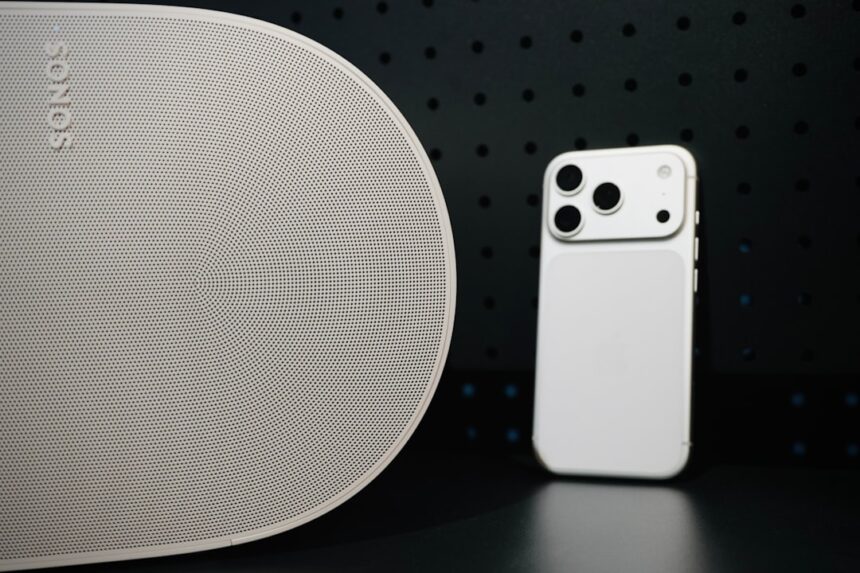
My smart speaker, a seemingly innocuous device perched on my kitchen counter, became an unwitting witness, its digital ear capturing a moment of terror that has since become a cornerstone of my defense. The case is one of domestic abuse, a dark cloud that had been gathering over my life for years, and now, the fragmented echoes of my fear, preserved on a server, are being brought into the harsh light of a courtroom. It feels like a surreal paradox, that a piece of technology designed for convenience is now bearing witness to my struggle for survival.
It began subtly, as these things often do. The initial purchase of the smart speaker was for practical reasons: setting timers, playing music, getting the weather forecast. It was a tool, a convenience. I never imagined it would become a silent sentinel, documenting the erosion of my peace. Its presence was a constant, a hum in the background of my life, its microphone a passive conduit always listening for its wake word. Unbeknownst to me, this constant vigilance extended beyond the frivolous requests, encompassing the hushed arguments and, eventually, the outright terror.
The Purchase and Initial Integration
The decision to buy the smart speaker was a collective one, a small step towards a more connected home. We researched different brands, comparing features and price points. It was presented as an upgrade, a modernization. The setup was straightforward, a few taps on a phone app and it was integrated into our home network. It quickly became a part of the daily rhythm, its voice a familiar presence, albeit a disembodied one.
The Allure of Convenience
The initial benefits were undeniable. No more fumbling for a phone to set a timer while my hands were covered in flour, no more interruptions to find the right radio station. My smart speaker could do it all with a simple verbal command. This ease of use fostered a dependence, a reliance on its digital assistance that made its eventual role as reluctant witness all the more jarring.
The Growing Ubiquity of Smart Devices
The smart speaker was not an isolated incident; it was part of a broader trend of smart devices entering our homes. Smart lights, thermostats, security cameras – each promised added convenience and control. The idea was to streamline our lives, to automate the mundane. Little did I realize that this automation would extend to the most intimate and terrifying aspects of my existence.
In a recent case that has drawn significant attention, a wife recorded herself practicing a scared voice in preparation for court proceedings, highlighting the complexities of emotional expression in legal situations. This incident raises important questions about the use of recorded materials as evidence and the implications for personal privacy. For a deeper understanding of the nuances surrounding this topic, you can read a related article that explores similar themes and legal ramifications at this link.
The Night of the Recording
The night the recording was made, the air in our home was thick with a palpable dread. It was a culmination of escalating tensions, a storm that had been brewing for a long time. The argument started over something trivial, as it often did, but it quickly spiraled, fueled by years of pent-up frustration and my partner’s increasingly aggressive demeanor. I remember the cold knot of fear tightening in my stomach, a familiar sensation, but this time, it was sharper, more acute.
The Trigger and Escalation
The initial exchange was verbal, but the tone quickly shifted. Voices rose, accusations flew, and the familiar pattern of intimidation began. I tried to de-escalate, to placate, to reason. These attempts, however, were met with increased hostility. The domestic space, once a sanctuary, had become a battlefield, and I was perpetually on the defensive.
The Physical Intimidation
The verbal assault was soon accompanied by physical intimidation. Objects were thrown, doors were slammed, and the sheer volume of the aggression was designed to overwhelm and silence. I recall a desperate attempt to retreat, to find a safe space within our own home, but the pursuit was relentless.
The Plea for Silence
In my desperation, I remember a whispered plea, a guttural sound of pure fear. It was not a coherent sentence, but a raw expulsion of terror, a desperate attempt to convey the gravity of the situation to anyone, or anything, that might be listening. It was a sound that, in its raw authenticity, would later provide the crucial evidence.
The Smart Speaker’s Unwitting Role
At that moment, I was not thinking about the smart speaker. My mind was consumed by the immediate threat, by the fight for self-preservation. However, the device, activated by a particularly loud exclamation or perhaps a specific cadence in my voice, had inadvertently begun to record. It was a silent, electronic witness to my anguish, a digital witness that would ultimately offer a lifeline.
The Wake Word Trigger
The exact trigger is still a subject of technical analysis, but it is understood that a sound exceeding a certain decibel level, or a specific sound pattern, may have activated the device. This accidental activation meant that my plea, my terror, was captured and stored.
The Cloud and the Data
The recorded audio, along with other data, is transmitted to the cloud, a nebulous but tangible repository of information. This data, once retrieved and analyzed, would become critical. It’s like finding a dropped key in the wilderness; this tiny piece of data, lost in the vastness of the digital landscape, could unlock a path to justice.
Retrieval and the Revelation

The discovery of the recording was not immediate. It was a painstaking process, a journey through legal channels and technical investigations. Once the potential for evidence was recognized, the wheels of justice began to turn, albeit slowly. The retrieval of the audio file was complex, requiring warrants and cooperation from the technology company.
The Legal Framework for Digital Evidence
The admissibility of digital evidence in court is a constantly evolving area of law. However, guidelines and precedents exist for the collection, preservation, and presentation of such data, especially when it pertains to criminal proceedings. My legal team had to navigate these intricate pathways.
Warrant and Subpoena Procedures
Obtaining the recording required a formal legal process. Warrants were issued to compel the technology company to produce the data. This involved demonstrating probable cause to a judge, a crucial step in ensuring that the retrieval was lawful and ethical.
The Role of Forensic Technicians
Specialized forensic technicians were employed to access and extract the recording. Their expertise ensured the integrity of the data, verifying that it had not been tampered with and that it was an accurate representation of the original audio. This meticulous work is akin to an archaeologist carefully excavating a fragile artifact.
The Impact of the Recording
When I first heard the recording, it was an almost unbearable experience. To hear my own voice, trembling and terrified, was profoundly distressing. It was like watching a replay of a nightmare. Yet, amidst the pain, there was also a flicker of hope. This was concrete proof, undeniable evidence of the fear I had endured.
The Authenticity of the Voice
The pure, unadulterated tone of terror in my recorded voice was a stark contrast to the carefully crafted denials and manipulations I had faced. The quaver, the sharp intakes of breath, the desperate, choked pleas – these were not sounds manufactured for an argument, but the raw expressions of genuine fear.
Corroborating Other Testimonies
The recording did not exist in a vacuum. It served to corroborate my own testimony and, potentially, the statements of any witnesses who might have heard disturbances. It provided an objective anchor to my subjective experience of fear and abuse.
The Courtroom and the Digital Witness
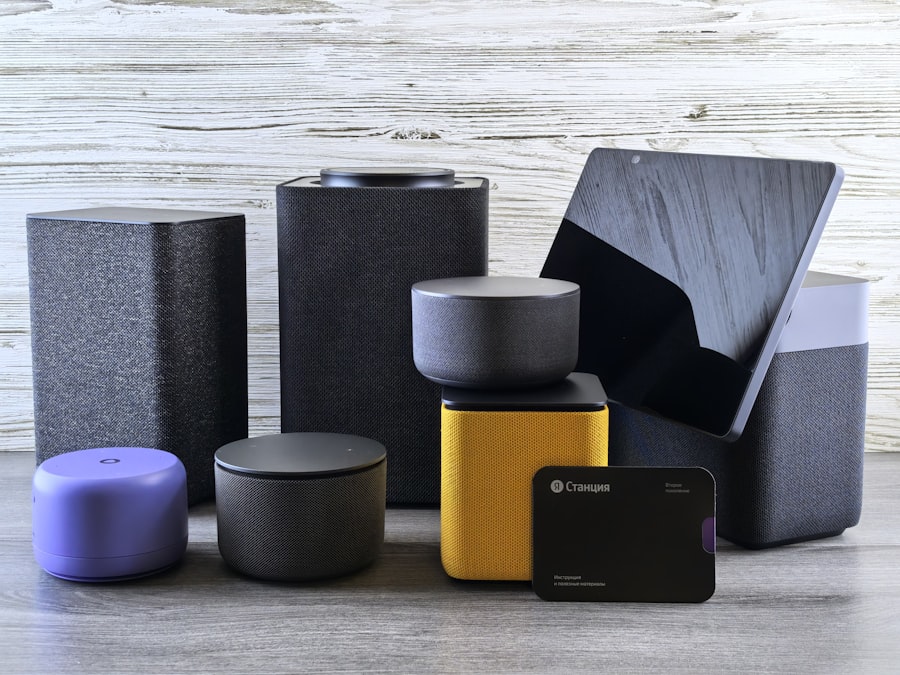
Presenting the smart speaker recording in court was a watershed moment. It transformed a narrative of “he said, she said” into a demonstrable reality. The digital witness, the disembodied voice captured by the machine, took center stage.
The Unforeseen Importance of the Device
The smart speaker, a device originally intended for mundane domestic tasks, had transcended its intended purpose. It had become an unexpected arbiter, its stored data holding the potential to influence the course of justice. This underscores how the technological landscape of our homes is increasingly interwoven with legal proceedings.
From Convenience to Crucial Evidence
The journey of this particular smart speaker from a tool of convenience to a piece of crucial evidence is a powerful illustration of the unintended consequences of pervasive technology. It highlights the need for awareness regarding the data these devices collect.
The Ethical Dilemma of Listening Devices
The situation also raises complex ethical questions about privacy and surveillance within the home, even when the listening is largely unintentional. The boundaries between personal space and observed space are becoming increasingly blurred.
The Presentation of the Audio Evidence
The audio file was played for the court. The playback was not accompanied by dramatic music or sensationalized commentary. It was presented factually, allowing the raw sound to speak for itself. The silence that followed its conclusion was heavy with the weight of what had been heard.
The Technical Aspects of Playback
The recording was played through the courtroom’s audio system, ensuring clarity and volume. Technical experts were available to explain the retrieval process and confirm the authenticity of the file.
The Court’s Reaction
The reaction of the judge and jury would be crucial. The impact of hearing recorded fear, rather than merely reading about it, can be profound. It’s like seeing the scars instead of just being told they exist.
In a recent case that has captured public attention, a husband recorded his wife practicing a scared voice in preparation for court, raising questions about privacy and consent in the age of smart speakers. This incident highlights the potential implications of using such technology in sensitive situations. For a deeper exploration of this topic, you can read more about the ethical considerations surrounding smart devices in this related article on privacy concerns found here.
Implications and the Future
| Metric | Details |
|---|---|
| Device Type | Smart Speaker (e.g., Amazon Echo, Google Home) |
| Recording Context | Wife practicing scared voice for court testimony |
| Recording Duration | Approx. 2 minutes |
| Audio Quality | High fidelity, clear voice capture |
| Legal Use | Evidence in court proceedings |
| Privacy Concerns | Potential unauthorized recording and use |
| Data Storage | Cloud storage linked to smart speaker account |
| Playback Capability | Available on smart speaker and associated app |
| Consent Status | Disputed or unclear consent for recording |
The use of smart speaker recordings as evidence is a relatively new frontier in the legal landscape. My case, and others like it, are helping to shape how these digital echoes are understood and utilized in the pursuit of justice. It’s a stark reminder that the technology we invite into our homes can have far-reaching and often unexpected consequences.
The Broader Impact on Domestic Abuse Cases
This precedent, if it proves successful, could offer a new avenue for victims of domestic abuse to present evidence. The tangible proof of fear, captured by ubiquitous devices, could empower individuals who have been silenced for too long.
Empowering Victims Through Technology
For individuals who struggle to articulate the extent of their abuse or who face disbelief, a recorded cry for help can be a powerful tool of empowerment. It bypasses the need for perfect recall or eloquent testimony, offering a raw, indisputable account.
Challenges in Digital Forensics
However, this also highlights the increasing importance of robust digital forensics. The reliability and security of data from smart devices will be paramount in ensuring fair legal proceedings.
The Evolving Landscape of Digital Evidence
As more smart devices become integrated into our lives, their potential as sources of evidence will continue to grow. This necessitates ongoing adaptation in legal frameworks and societal understanding.
Privacy Concerns and Data Security
The question of who has access to this data and under what circumstances will continue to be a critical area of debate. Balancing the need for justice with individual privacy rights is a delicate act.
The Need for Technological Literacy
For individuals and legal professionals alike, a greater understanding of how these devices function and the data they collect is becoming increasingly important. This technological literacy is no longer a niche skill but a necessity.
The smart speaker, once just a listening device for polite requests, has become a powerful anomaly in my life, a repository of my terror that is now being wielded as a weapon for my freedom. It’s a strange and unsettling truth, but one that I am beginning to embrace as a testament to my resilience and the unexpected ways in which technology can, sometimes, serve humanity’s most fundamental need: the pursuit of safety and justice.

SHOCKING: The Smart Speaker Caught Her Plan (And I Sold Everything)
FAQs
What happened with the smart speaker recording the wife?
A smart speaker inadvertently recorded the wife practicing a scared voice, which was later used as evidence in a court case.
How was the recording from the smart speaker used in court?
The recording was presented as evidence to demonstrate the wife’s behavior or state of mind, potentially impacting the legal proceedings.
Are smart speaker recordings commonly used as evidence in legal cases?
Yes, recordings from smart devices can be used as evidence if they are legally obtained and relevant to the case.
What privacy concerns arise from smart speakers recording conversations?
Smart speakers may unintentionally record private conversations, raising concerns about consent, data security, and how recordings might be used.
Can individuals prevent smart speakers from recording private conversations?
Users can mute microphones, adjust privacy settings, or disable recording features to reduce the risk of unintended recordings.