I’ve been reflecting recently on the increasing ubiquity of technology in our homes, particularly the way smart speakers have become almost sentient members of our households. They listen, they respond, they control – they are, in many ways, the gatekeepers of our domestic digital lives. My own experience recently brought this into sharp focus, a moment that felt like a scene lifted from a speculative fiction novel, yet was undeniably real. It involved my wife, a friend, and our rather unassuming smart speaker, which inadvertently became a rather intrusive eavesdropper.
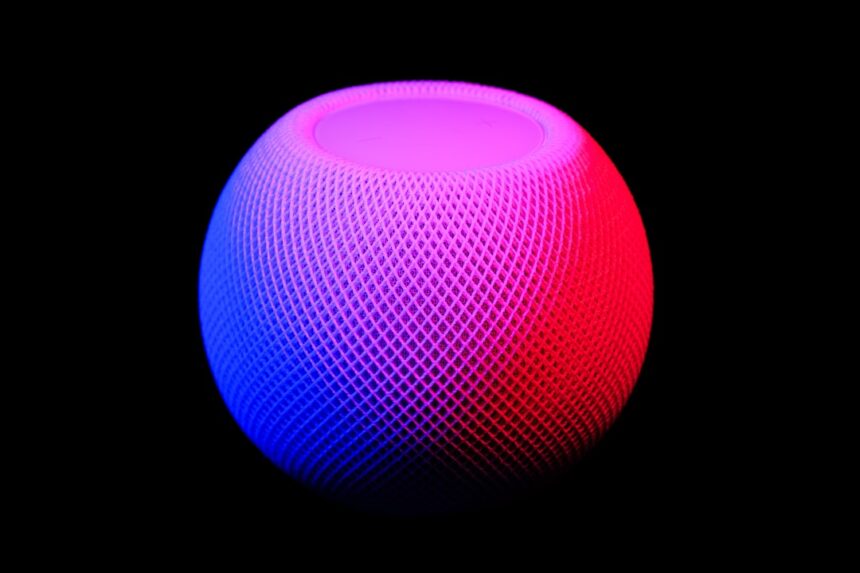
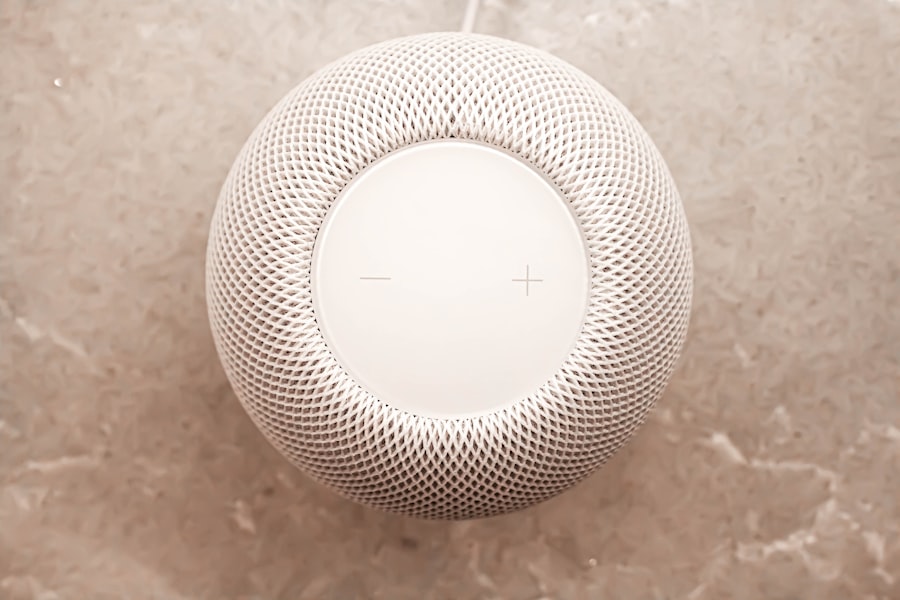
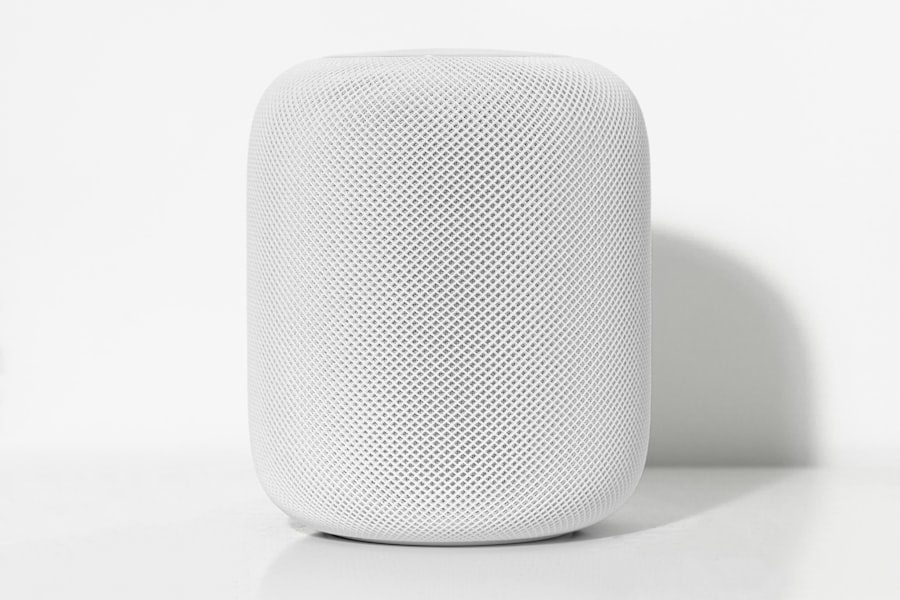
The smart speaker, a common cylindrical device perched on our bookshelf, had become an integral part of our daily routine. It played music, answered trivia, set timers for cooking, and even controlled our smart lights. We’d grown accustomed to its presence, its disembodied voice a familiar sound in our home. However, I hadn’t fully grappled with the implications of its constant, albeit passive, listening. It was a bit like having an unseen auditor present in every room, capable of recording every utterance, a digital scribe meticulously transcribing our lives.
The Nature of Listening Devices
These devices are designed to be always on, waiting for a specific wake word. This perpetual state of readiness, while essential for their functionality, also means that they are, in essence, always listening. The data they collect is often processed locally for the wake word detection, and then, upon activation, is transmitted to cloud servers for more complex tasks like understanding commands or answering queries. This distinction, while important in terms of privacy policy, can blur in the lived experience of a user. The feeling of being listened to is pervasive, regardless of the technical nuances of data processing.
The “Always On” Paradox
We invite these devices into our most private spaces, our homes, under the guise of convenience and assistance. Yet, the very mechanism that makes them convenient – their ability to respond instantly – is predicated on a continuous state of alertness. This creates a paradox: we desire seamless interaction, but this comes at the cost of a constant, invisible, digital ear. It’s a trade-off we’ve largely accepted without fully appreciating its potential ramifications. The smart speaker, in this context, is not merely a tool; it’s a porous boundary between our private lives and the digital ether.
In a recent incident that has raised eyebrows about privacy concerns surrounding smart speakers, a wife was caught whispering to her friend, leading to a discussion about the implications of such technology in our daily lives. This situation highlights the potential for unintended recordings and the need for users to be aware of their devices’ capabilities. For more insights on this topic, you can read the related article at this link.
A Casual Afternoon Brew
It was a mundane Saturday afternoon. The sun was dappling through the living room windows, casting warm patterns on the rug. My wife, Sarah, had invited her close friend, Emily, over for a catch-up. They often did this, a cherished ritual of shared stories and laughter. I was in my study, engrossed in some work, the soft hum of the smart speaker in the living room a distant, unobtrusive background noise. The scent of freshly brewed coffee wafted in, mingling with the faint floral notes of Sarah’s perfume. It was a scene of domestic tranquility, a snapshot of ordinary life unfolding.
The Dynamics of Friendship
Sarah and Emily share a bond that has weathered many years. Their conversations are often a rich tapestry woven with shared memories, inside jokes, and the gentle exploration of life’s complexities. They possess that rare ability to communicate not just with words, but with the subtle shifts in tone, the knowing glances, the comfortable silences. It’s a testament to their deep connection, forged through shared experiences and mutual understanding. Their conversations are a sanctuary, a space where they can be utterly themselves, unburdened by the need for pretense.
The Comfort of Familiar Voices
The sound of their voices, even at a distance, was a comforting presence. It was the soundtrack to my afternoon, a reassuring melody of connection and camaraderie. I’d grown so accustomed to the smart speaker’s presence that I rarely registered its auditory input, much like one becomes accustomed to the ticking of a clock or the distant drone of traffic. It had seamlessly integrated into the fabric of our home, becoming an almost invisible element of the environment.
The Unintended Disclosure
The conversation between Sarah and Emily, I later learned, had drifted into more personal territory. It involved a rather sensitive matter concerning a mutual acquaintance and some gossip that had been circulating. Sarah, in a moment of candor, leaned in and whispered to Emily, presumably to ensure the privacy of her words. It was a natural impulse, an ingrained desire to protect the intimacy of their shared confidence. She believed her words were confined to their small circle, a bubble of discretion.
The Mechanics of Wake Word Detection
The smart speaker, in its passive state, is designed to interpret sounds and identify its wake word. While it doesn’t record everything, it is constantly processing audio for this specific trigger. The proximity of their voices, the volume, and perhaps even the natural cadence of their hushed tones, all created a peculiar acoustic environment. It’s like a delicate instrument being played, and it registers vibrations, even subtle ones.
The Illusion of Privacy
The act of whispering is often employed as a signal of confidentiality, a physical manifestation of secrecy. It’s a gesture that implies a deliberate act of shielding words from unwanted ears. In this instance, however, the technological infrastructure of our home subverted this established norm. The whispered words, intended to be private, were somehow processed in a way that led to an unintended consequence. The illusion of privacy, so carefully constructed by the act of whispering, was unexpectedly shattered.
The Digital Echo
Later that evening, while Sarah and Emily were still chatting, I entered the living room. I asked the smart speaker to play some background music. As the first notes of a familiar song filled the air, the speaker, unprompted, offered a snippet of the earlier conversation. It wasn’t a full transcript, but rather a brief, contextualized echo of Sarah’s whispered remark to Emily, delivered in its synthesized, gender-neutral voice. It was a chillingly accurate repetition, a digital ghost of a moment meant only for two.
The “Accidental” Activation
The precise nature of the “activation” remains a subject of my own introspection. Was it a false positive, a misinterpretation of ambient sounds? Or was it a more direct consequence of the whispering itself, somehow triggering a protocol it wasn’t designed to engage with in that manner? The technology, designed for efficiency and responsiveness, can have unintended side effects. It’s like a meticulously crafted machine that occasionally produces an unexpected byproduct.
The Unsettling Replay
The experience was deeply unsettling. It wasn’t just the fact that a recording had been made, but that it had been replayed back to me, the very person who was not privy to the original whispered conversation. It felt like a breach, a violation of an unspoken trust. The smart speaker, which we had welcomed as a benign assistant, had inadvertently become an informant, revealing a private moment without our consent. The air in the room seemed to thicken with the implications of this digital trespass.
In a surprising turn of events, a smart speaker inadvertently recorded a conversation between a wife and her friend, leading to a discussion about privacy concerns surrounding smart devices. This incident highlights the potential risks of having such technology in our homes, as many users remain unaware of how often these devices are listening. For more insights on this topic, you can read a related article that delves deeper into the implications of smart speakers on personal privacy by following this link.
Navigating the New Reality
| Metric | Details |
|---|---|
| Incident Description | Smart speaker recorded wife whispering to her friend |
| Device Type | Smart Speaker (e.g., Amazon Echo, Google Home) |
| Recording Duration | Approx. 2 minutes |
| Privacy Concern | Unintended audio capture without consent |
| Outcome | Revealed private conversation, potential relationship impact |
| Security Measures Suggested | Mute microphone when not in use, review privacy settings |
| Legal Implications | Varies by jurisdiction; possible violation of wiretapping laws |
The incident forced me to confront the evolving landscape of domestic privacy. The smart speaker, once a symbol of technological advancement and convenience, now felt like a potential liability. I immediately began researching the privacy settings and data policies of the device, delving into the granular details of how our interactions were being logged and processed. It was a steep learning curve, akin to deciphering an ancient text, filled with jargon and complex algorithms.
Deeper Dive into Privacy Settings
I spent hours poring over the manufacturer’s website, exploring the intricate labyrinth of privacy controls. This involved understanding what data was collected, how it was stored, and for how long. It also meant grappling with the concept of opting out of certain data collection practices, a process that often felt like trying to un-ring a bell. The sheer volume of information and the nuanced language used in privacy policies can be overwhelming, creating a sense of passive resignation.
The Ethical Quandaries of AI
This experience brought into sharp relief the ethical quandaries surrounding artificial intelligence in our homes. We are increasingly ceding control over aspects of our lives to algorithms and machine learning. While the benefits are undeniable, the potential for unintended consequences and breaches of privacy is significant. We are navigating uncharted waters, and the ethical frameworks are still being developed. The smart speaker, in this context, is not just a piece of hardware; it’s a proxy for a broader societal debate about the future of our relationship with technology.
Re-evaluating Our Relationship with Devices
Ultimately, this event has prompted a fundamental re-evaluation of my relationship with smart devices. The convenience they offer is undeniable, but it must be balanced with a critical awareness of their capabilities and potential pitfalls. We need to be more discerning consumers, more informed users, and more vocal advocates for robust privacy protections. The future of our homes, increasingly populated by these intelligent assistants, hinges on our ability to strike this delicate balance. The smart speaker, in its unassuming way, has become a powerful symbol of this ongoing negotiation.

SHOCKING: The Smart Speaker Caught Her Plan (And I Sold Everything)
FAQs
What is a smart speaker?
A smart speaker is a voice-activated device that uses artificial intelligence to perform tasks such as playing music, answering questions, controlling smart home devices, and recording audio commands.
How can a smart speaker record private conversations?
Smart speakers are designed to listen for wake words and then record audio to process commands. Sometimes, due to malfunctions or misinterpretations, they may inadvertently record and store private conversations.
Is it common for smart speakers to capture unintended audio?
While not common, there have been reported instances where smart speakers have accidentally recorded conversations without the user’s intent, often due to false activation or software glitches.
Can recordings from smart speakers be accessed by others?
Recordings are typically stored on the device or in the cloud and may be accessed by the device owner or, in some cases, by the company providing the smart speaker service, depending on privacy settings and policies.
What privacy concerns arise from smart speakers recording conversations?
Privacy concerns include unauthorized recording, data breaches, misuse of personal information, and the potential for sensitive conversations to be overheard or stored without consent. Users are advised to review privacy settings and be cautious about what is said near these devices.