
The once-futuristic concept of a “smart home” has rapidly become a ubiquitous reality. Appliances, once stoic and silent workhorses, now hum with internal processors, connect to the internet, and, most notably, listen. My smart refrigerator, a gleaming monolith in my kitchen, is no exception. Its primary function remains food preservation, but beneath its sleek exterior lies a sophisticated network of microphones and software designed for convenience, a network that is now, unexpectedly, being scrutinized in the arena of marital dissolution: the divorce court. I, like many others, initially embraced the hands-free utility, unaware that these seemingly innocuous voice logs could become a digital Rosetta Stone for relationship breakdowns.
The proliferation of smart home devices, including refrigerators with integrated voice assistants, has introduced a new dimension to digital forensics. I recall the initial excitement of being able to add milk to my shopping list with a vocal command, or ask for a recipe while my hands were caked in flour. This convenience, however, carries with it an unseen baggage: the creation of personal data streams.
Voice Assistants and Data Collection
At the heart of this phenomenon are the pervasive voice assistants – Amazon’s Alexa, Google Assistant, Apple’s Siri, and others. These systems, embedded in refrigerators and countless other devices, operate on a principle of continuous listening, constantly poised for a wake word. Upon hearing this trigger, my refrigerator’s microphones activate, recording my subsequent commands and questions. This audio data, often snippets of my daily life, is then transmitted to cloud servers for processing. I have always understood this process in a conceptual sense, but the practical implications in legal contexts were, until recently, beyond my contemplation.
From Convenience to Consequence: The Legal Emergence
The legal world, ever a generation behind technological advancement, is now grappling with the implications of this data. Lawyers, particularly those specializing in family law, are increasingly exploring these voice logs as potential evidence. I’ve heard anecdotal accounts of attorneys requesting access to these logs, treating them as digital footprints of domestic life. The initial reaction might be surprise, even dismissal, but as I delve deeper, the logic becomes disturbingly clear.
In recent discussions about the intersection of technology and personal relationships, an intriguing article highlights the potential use of smart fridge voice logs as evidence in divorce proceedings. This raises important questions about privacy and the extent to which digital footprints can influence legal outcomes. For more insights on this topic, you can read the full article here: Using Smart Fridge Voice Logs for Divorce Evidence.
What Constitutes “Evidence” in a Smart Fridge Log?
The term “evidence” can cast a long shadow, and my smart fridge’s data, though seemingly benign, offers a granular perspective into my household’s daily rhythms. It’s not just about what I explicitly asked the fridge to do; it’s about the ambient sounds, the background conversations, and the emotional tone embedded within those recordings.
Incriminating Statements and Arguments
The most obvious form of evidence would be direct, incriminating statements captured during an argument or a contentious discussion. Imagine, for instance, a heated exchange between spouses, perhaps about finances or infidelity, inadvertently recorded by the ever-listening appliance. I can picture a sudden eruption, a raised voice, and the subsequent “Alexa, order more ice cream” command immediately following, creating a chilling timestamp. These recordings, despite their fragmented nature, can offer unedited, raw glimpses into marital disputes that might otherwise be denied or downplayed.
Patterns of Behavior and Household Dynamics
Beyond explicit arguments, courts might also consider patterns of behavior. If one spouse consistently requests food delivery when the other is away, or if commands related to children’s needs are disproportionately issued by one parent, these patterns can paint a picture of household dynamics. I have often wondered how my own patterns of requests reflect my role in the household. Do I consistently ask for healthy ingredients, or am I more inclined towards instant gratification? These subtle inferences, when aggregated over time, could support claims of neglect, unequal division of labor, or even emotional abuse. The fridge, therefore, becomes a quiet chronicler of my domestic routine, a digital fly on the wall.
Timestamps and Alibis
Perhaps less dramatic, but equally potent, are the timestamps associated with every interaction. Every command, every inquiry, is meticulously logged with its precise moment of utterance. This data can create an irrefutable timeline of presence or absence. If I claim to be out of the house during a specific incident, but my voice is captured making a request to the fridge, my alibi crumbles. Conversely, if I have an ironclad alibi because my voice is absent from the logs during a period of alleged misconduct, it could work in my favor. These timestamps are like breadcrumbs, leading directly to my location and activities within the home during critical periods.
The Ethical and Privacy Minefield
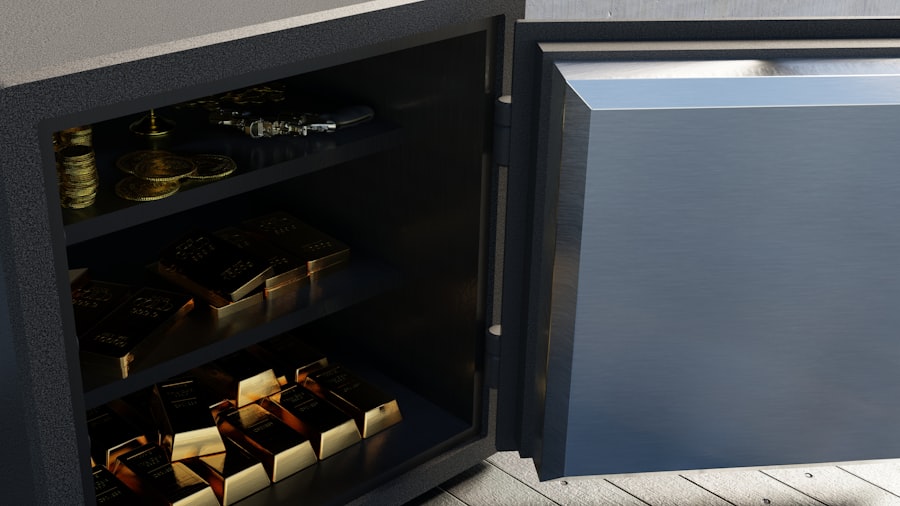
As I ponder the increasing legal utility of my smart fridge’s logs, an inescapable question arises concerning the ethical implications and the fundamental right to privacy. The home, traditionally a sanctuary, now feels like a porous border, susceptible to digital intrusion.
Consent and Awareness
One of the most significant challenges is the issue of informed consent. When I purchased my smart fridge, I scrolled through pages of terms and conditions, much like signing a digital carte blanche. Did I truly comprehend that my domestic utterances could one day become exhibits in a courtroom? I doubt many consumers do. The expectation of privacy within one’s own home is a cornerstone of personal liberty. The idea that a household appliance could be an unwitting informant challenges this deeply held belief. The fine print, often overlooked, becomes a legal tripwire.
Data Security and Access
Beyond consent, the security of this highly personal data is paramount. Who has access to these logs? How are they stored, and how vulnerable are they to breaches? The idea of my private conversations, even trivial ones, existing on a cloud server, accessible to third parties, irrespective of legal proceedings, is disquieting. The potential for misuse, or even an accidental leak, creates a chilling prospect. It’s not just about divorce; it’s about the broader implications for personal autonomy in an increasingly data-driven world. The digital key to my domestic kingdom is held by various corporate entities, a thought that gives me pause.
The Legal Landscape: Navigating Uncharted Digital Waters
The legal precedents for utilizing smart home data are still in their infancy, much like navigating a ship without a compass across an unknown sea. Courts are grappling with the admissibility and interpretation of these novel forms of evidence.
Admissibility Challenges
Lawyers seeking to introduce smart fridge voice logs face several hurdles. The first is authenticity: proving that the recordings are genuine and untampered with. The second is relevance: demonstrating how these snippets of audio directly pertain to the claims being made in the divorce proceedings. Finally, there’s the issue of hearsay: many statements captured by the fridge could be considered out-of-court statements offered for the truth of the matter asserted, thus falling under a legal exclusion. I can imagine a judge, a figure often steeped in analog traditions, struggling to interpret the digital nuances of these audio files.
Precedent and Future Evolution
While there are no widespread, definitive legal precedents specifically on smart fridge voice logs in divorce cases, the legal framework for other digital evidence provides a roadmap. Emails, text messages, social media posts, and even fitness tracker data have all been admitted as evidence in various civil and criminal cases. The smart fridge, therefore, is just the latest iteration in a long line of personal data streams being leveraged by legal professionals. As technology evolves, so too will the legal strategies to harness its evidentiary power. It’s an arms race of sorts, between innovation and legal adaptation.
In recent discussions about the implications of smart home technology in legal matters, an intriguing article explores the use of smart fridge voice logs as potential evidence in divorce cases. This innovative approach highlights how everyday appliances can inadvertently capture conversations that may be relevant in court. For more insights on this topic, you can read the full article here. As technology continues to evolve, it raises important questions about privacy and the boundaries of personal data in legal proceedings.
Protecting My Digital Domestic Sanctuary
| Metric | Description | Potential Use in Divorce Evidence | Data Source | Privacy Considerations |
|---|---|---|---|---|
| Voice Command Frequency | Number of voice commands issued to the smart fridge over a period | Indicates presence and activity patterns of individuals | Smart fridge voice logs | Requires consent; may reveal personal habits |
| Timestamp of Commands | Date and time when voice commands were recorded | Helps establish timelines and alibis | Smart fridge system logs | Must be handled securely to protect privacy |
| Voice Recognition Data | Identification of speaker based on voice profile | Determines who was present or interacting with the fridge | Voice biometric system integrated with fridge | Highly sensitive; legal restrictions apply |
| Command Content | Specific instructions or queries given to the fridge | May reveal disputes, lifestyle habits, or intentions | Recorded voice commands | Content may be private or confidential |
| Duration of Interaction | Length of time spent interacting with the fridge via voice | Can indicate emotional state or urgency | Voice log metadata | Interpretation requires context; privacy concerns |
Given the emerging reality, what steps can I take to safeguard my privacy and prevent my smart fridge from becoming a silent witness against me? The answer, I’ve found, lies in a combination of awareness, proactive measures, and a healthy dose of skepticism towards technological convenience.
Understanding Device Settings and Privacy Policies
The first step is undoubtedly understanding the privacy settings and policies of my smart devices. I need to actively seek out and read the fine print, the digital parchment that outlines how my data is collected, stored, and potentially shared. Many devices offer options to disable voice recording or limit data retention. These settings are often buried deep within menus, requiring a deliberate effort to locate and adjust. It is my responsibility, not just the manufacturer’s, to understand these digital boundaries.
Strategic Placement and Usage
Consider the physical placement of smart devices. If a smart fridge is in a central, high-traffic area of the home, it’s more likely to capture a wider range of conversations. Strategic placement, or even temporary disabling during sensitive discussions, can significantly reduce the risk of unwanted recordings. I’ve started thinking of my smart devices not as mere appliances, but as potential recorders, adjusting my interactions accordingly. It’s a subtle shift, but a necessary one in this new digital landscape.
The “Off” Switch: A Forgotten Friend
Perhaps the most straightforward and often overlooked solution is the simple “off” switch. Many smart devices, including refrigerators, have physical buttons or software controls to disable their listening capabilities. While it might inconvenience the hands-free experience I initially embraced, the peace of mind it offers in sensitive situations could be invaluable. Sometimes, the most advanced solutions are countered by the most basic of actions. Disconnecting my smart fridge from the internet or disabling its microphone is akin to drawing the curtains on a window, protecting my interior life from external gaze.
In conclusion, my smart fridge, once a symbol of domestic convenience, has transformed into a potential trove of personal data, capable of painting a surprisingly detailed picture of my domestic life. The emergence of smart fridge voice logs as divorce evidence is a stark reminder that technology, while offering undeniable utility, also introduces unforeseen vulnerabilities. As I continue to navigate this increasingly interconnected world, I am reminded that the price of convenience can sometimes be paid in the currency of privacy. The challenge, then, is to harness the benefits of these innovations without surrendering the sanctity of my digital domestic sanctuary.

SHOCKING: My Smart Fridge Exposed 10 Years Of Paternity Fraud
FAQs
What are smart fridge voice logs?
Smart fridge voice logs are audio recordings captured by the voice recognition features integrated into modern smart refrigerators. These devices can record voice commands and interactions to facilitate hands-free operation and other smart functionalities.
How can smart fridge voice logs be used as evidence in a divorce case?
Smart fridge voice logs can potentially be used as evidence in divorce cases if they contain relevant audio recordings that demonstrate behavior, conversations, or admissions pertinent to the case. For example, they might capture disputes, confessions, or other interactions between spouses.
Are smart fridge voice logs legally admissible in court?
The admissibility of smart fridge voice logs as evidence depends on jurisdiction and specific legal standards, including privacy laws and consent requirements. Courts typically evaluate whether the recordings were obtained legally and if they are relevant and reliable.
What privacy concerns arise from using smart fridge voice logs in legal proceedings?
Using smart fridge voice logs raises privacy concerns because these devices continuously listen for voice commands and may record private conversations without explicit consent. This can lead to debates about the legality and ethics of using such recordings in court.
How can individuals protect their privacy when using smart appliances with voice recording features?
Individuals can protect their privacy by reviewing and adjusting device settings to limit voice data collection, regularly deleting stored voice logs, disabling voice recognition features when not needed, and being aware of the device’s data policies and permissions.