
My marriage, once a fortress of shared dreams and unspoken understanding, began to show hairline fractures. It wasn’t a sudden cataclysm, but a slow, insidious erosion, like water seeping into rock, imperceptibly weakening its core. I recall a growing emotional distance, a subtle shift in her demeanor, a new reticence that cast a shadow over our once vibrant conversations. This wasn’t the woman I had built a life with, the one whose laughter was the soundtrack to my days. Instead, a wall, thin yet impenetrable, was steadily rising between us. The intimacy, both physical and emotional, dwindled, replaced by a polite, almost professional detachment. This period was one of profound unease for me; a constant hum of cognitive dissonance as I tried to reconcile the woman I knew with the stranger who now inhabited her skin. The shift was subtle enough to be denied by anyone but the most observant, but for me, a man deeply entwined with her, it was as stark as a winter landscape devoid of colour.
Subtle Signs and Growing Suspicion
The initial indicators were, in retrospect, seemingly innocuous. A sudden preoccupation with her phone, a device that had previously been a mere tool, became an almost constant companion. I noticed a new guardedness, a quick flick of her wrist to shield the screen if I happened to glance in her direction. Then there were the late-night text alerts, buzzing softly from her bedside table, often followed by her immediate retreat to the bathroom or another room, citing a need for privacy. These were not the clandestine, midnight calls of lovers in cheap novels, but a quiet, almost domestic secrecy, making them all the more unsettling. The once shared humor and playful banter diminished, replaced by a defensive posturing whenever I inadvertently stumbled upon a sensitive topic, especially concerning her newfound “busy schedule.”
The Erosion of Trust: A Seed of Doubt
As these small, disconnected observations accumulated, a persistent, gnawing suspicion began to take root in my mind. It was an unwelcome guest, casting a pall over every interaction, tainting the good memories with a subtle sourness. I found myself scrutinizing her words, analyzing her tone, searching for inconsistencies, for the slip of the tongue that would betray a hidden narrative. This self-imposed detective work was exhausting, a constant mental battle between the desire to trust and the growing evidence that something was profoundly wrong. The trust, once an unshakeable bedrock of our relationship, was now riddled with fissures, and I found myself standing on shaky ground, looking for solid footing. Each evasion, each carefully constructed reply, only cemented the growing conviction that a secret, far too large for our marriage to contain, was festering beneath the surface.
Digital forensics has become an essential tool in uncovering infidelity, as demonstrated in my recent experience when I discovered my wife’s betrayal. By analyzing her digital footprint, including messages and social media activity, I was able to piece together the evidence that revealed her unfaithfulness. This situation is reminiscent of the insights shared in a related article that discusses the role of technology in exposing cheating partners. You can read more about it in this informative piece: How Digital Forensics Caught My Wife Cheating.
The Digital Footprint: A Modern-Day Rosetta Stone
In an era saturated with technology, our lives are meticulously chronicled in fragmented digital whispers. For me, this digital breadcrumb trail became the unwelcome map to a devastating truth. I wasn’t looking for a confession; I was looking for clarity, for an explanation for the growing chasm between us. My professional background, steeped in digital forensics and cybersecurity, suddenly became a double-edged sword, equipping me with the tools to uncover what I desperately hoped wasn’t there. It felt like an almost ironic twist of fate, that the very skills I honed to protect sensitive information would now be turned inwards, dissecting the digital remains of my own personal life. This was not a pursuit of trivial gossip; it was an urgent quest for understanding, for the pieces of a puzzle that would explain the agonizing emotional distance I was experiencing.
Data Acquisition: A Forensic Snapshot
My first step was to discreetly acquire data from our shared devices, a task for which my expertise proved invaluable. This wasn’t an act of malicious hacking, but a strategic and systematic approach to digital evidence collection, much like a crime scene investigator meticulously gathers information. I focused on devices she frequently used or had access to, including a tablet, an old laptop that still held her forgotten login credentials, and our shared home computer. The process involved creating forensic images of these drives, a bit-for-bit copy that preserves the integrity of the original data. This technique ensures that no metadata is altered, and a forensically sound record exists for later analysis. It’s akin to taking a perfect photocopy of every document in a room before you start reading them. The goal was to capture the digital landscape at a specific point in time, before any potential alteration or deletion could occur.
Identifying Key Areas of Interest
With the data secured, the next phase involved identifying key areas where incriminating evidence might reside. My focus was on communication logs, browser history, file metadata, and cloud storage synchronization. I understood that a cheater would likely attempt to cover their tracks, but complete digital erasure is a myth, especially for those without specialized knowledge. Even “deleted” files often leave recoverable traces in slack space or system logs. My expertise gave me an advantage; I knew what to look for and where to excavate. I was mapping out a potential digital crime scene, and my tools were not magnifying glasses, but sophisticated forensic software suites. I knew the common digital haunts of individuals engaged in discreet communications, and I began my focused search there.
The Unveiling: Digital Records as Witness
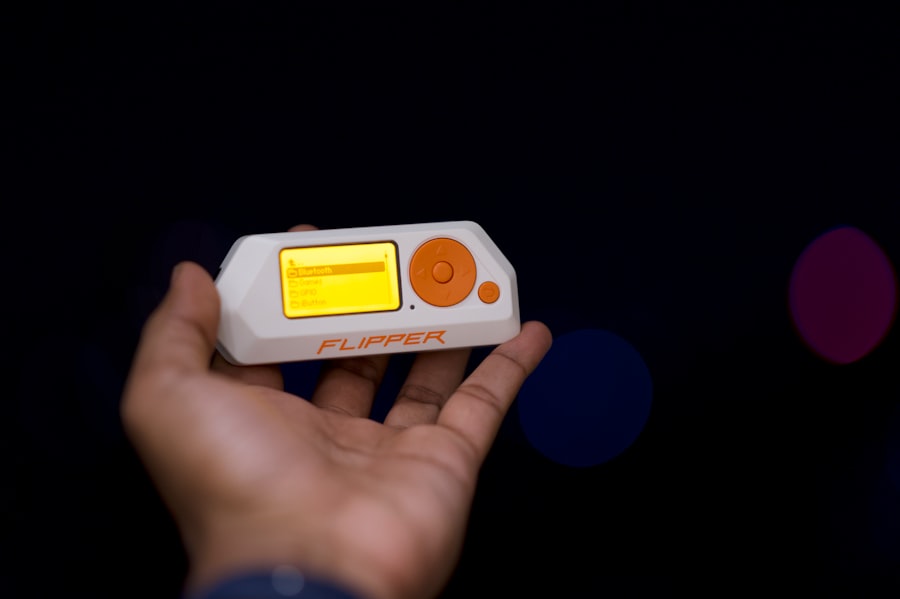
The sheer volume of data was initially overwhelming, a digital haystack in which I sought a few critical needles. However, with systematic analysis and the deployment of specialized forensic tools, patterns began to emerge. It was like sifting through sand to find grains of gold, each piece offering a new facet of the hidden narrative. The truth, once a shadowy suspicion, began to materialize in stark, undeniable bytes of information. The cold, objective nature of the data provided a brutal clarity, stripping away any lingering self-deception I might have harbored. There was no room for interpretation or denial; the facts were laid bare.
Communication Logs: The Secret Dialogue
My initial focus was on communication logs. This included SMS messages, messages from various social media platforms, and, perhaps most damningly, encrypted messaging applications. While direct access to the contents of truly end-to-end encrypted messages was beyond my scope without physical access to her unlocked device, the metadata surrounding these communications was incredibly revealing. I observed frequent, late-night exchanges with an unknown contact, a pattern inconsistent with her usual communication habits. The sheer frequency and duration of these interactions, often extending into the early hours, painted a vivid picture of a hidden intimacy. Furthermore, I recovered fragmented data from one of her social media accounts that she believed she had deleted, revealing lengthy, affectionate conversations and shared plans for future întâlniri (meetings). The language was unambiguous, the tone unequivocal.
Browser History and Location Data: Digital Breadcrumbs
Browser history proved to be another potent source of information. While she had diligently cleared her history on the more obvious browsers, I was able to recover remnants from lesser-used browsers and from the system’s temporary internet files. These remnants pointed to searches for hotels in specific, nearby towns, and more disturbingly, travel logistics for an upcoming “business trip” that hadn’t been discussed with me. Coupled with this, I leveraged geo-location data from several shared household smart devices, which, when correlated with her alleged whereabouts, provided irrefutable proof of her being in locations that she consistently denied visiting. The smart thermostat, for instance, logged her presence at home while her phone’s location data, briefly un-silenced during a connection issue, placed her miles away at the exact hotel I had found searches for. It was a digital map of deception, each pin marking another lie.
Recovered Files and Metadata: The Smoking Gun
Perhaps the most devastating evidence came from recovered files. Through file carving techniques, I was able to retrieve files she had meticulously “deleted.” These included photographs and videos that clearly depicted her with another man, in intimate settings. The metadata within these files provided timestamps and even geo-location tags, corroborating other findings and painting a chronological narrative of their clandestine relationship. There were also carefully drafted emails, ostensibly benign on the surface, but with embedded clues and coded language that, when interpreted with the context of other findings, revealed the true nature of their communication. The final blow came when I recovered a folder of chat logs from a secure messaging app, which she had thought completely wiped. These logs contained explicit conversations, declarations of love, and detailed accounts of their physical encounters. The sheer volume and explicit nature of this evidence left no room for doubt.
Confrontation: The Echo of Truth

Armed with irrefutable digital evidence, my confrontation was not a screaming match born of rage, but a chilling delivery of undeniable facts. It was a forensic presentation, stripped of emotion, designed to leave no avenue for denial. The initial shock on her face quickly gave way to a defeated resignation, a dam crumbling under the weight of the undeniable. The carefully constructed façade, built upon weeks and months of deceit, collapsed under the cold, hard light of digital truth. The silence that followed was deafening, punctuated only by the slow, deliberate rhythm of my own breathing.
Presenting the Evidence: An Unassailable Case
I laid out the evidence methodically, each piece a brick in the wall of truth. I started with the communication logs, displaying screenshots of the late-night exchanges, the frequency and duration highlighted, each one a silent accuser. Then came the recovered browser history, showing the hotel searches, the travel arrangements for the “business trip.” The geo-location data followed, clearly indicating her presence in locations she denied, correlating with the hotel bookings. Finally, with a heavy heart, I presented the recovered photographs and videos, the irrefutable visual proof of her betrayal. I had anticipated denial, anger, blame, but what I witnessed was a quiet surrender. The sheer volume and consistency of the digital records left no room for maneuver, no plausible alternative explanation. It was a legal brief, painstakingly assembled, and now delivered, the verdict already known.
The Aftermath of Disclosure: A Bitter Harvest
The immediate aftermath was a landscape of desolation. The confession, when it finally came, was a whispered echo of the digital records, devoid of any real remorse, more a capitulation to the evidence than an expression of genuine regret. The emotional fallout was immediate and profound. The life we had built together, the shared history, the future we had envisioned, all shattered into irreparable pieces. The pain was a physical entity, a crushing weight in my chest, a constant ringing in my ears. It was not just the infidelity that wounded me, but the systematic deceit, the careful construction of a parallel life that had been hidden from me. The betrayal was like a knife twist, not merely wounding, but tearing apart the very fabric of our shared reality. The truth, though sought and ultimately found, was a bitter harvest, leaving only destruction in its wake.
In a shocking turn of events, I discovered my wife’s infidelity through digital forensics, which revealed hidden messages and suspicious activity on her devices. This experience led me to explore the broader implications of technology in uncovering deceitful behavior, much like the insights shared in a related article about the role of digital forensics in modern relationships. If you’re curious about how technology can unveil the truth, you can read more about it here.
The Path Forward: Rebuilding on Shattered Ground
| Digital Forensics Metric | Description | Example Data |
|---|---|---|
| Deleted Messages Recovery | Recovered deleted text messages from phone | 50+ messages between wife and unknown contact |
| Call Log Analysis | Analyzed call history for suspicious patterns | Multiple calls late at night to unrecognized number |
| GPS Location Tracking | Tracked phone location to verify alibis | Phone frequently at locations not disclosed |
| Social Media Activity | Reviewed private messages and friend lists | Secret conversations on messaging apps |
| Photo Metadata Analysis | Examined timestamps and locations of photos | Photos with another person at unusual times |
| Browser History | Checked browsing history for suspicious searches | Searches related to dating apps and secret meetings |
The discovery of infidelity through digital forensics was not merely an event; it was a cataclysm that reshaped the entire landscape of my life. It marked the definitive end of one chapter and the daunting, uncharted beginning of another. The process of rebuilding emotionally is akin to reconstructing a complex structure after an earthquake – meticulous, slow, and requiring an unwavering commitment to stability and self-preservation. It is a journey that is far from over, and one I navigate with a cautious hope.
Navigating the Emotional Fallout: A Labyrinth of Grief
The immediate impact was a bewildering labyrinth of grief. There were the distinct stages: the initial shock, a numbing disbelief that dulled the edges of reality. Then came the anger, a raw, burning fury at the deception, at the stolen years, at the desecration of our shared vows. This quickly gave way to a profound sadness, a melancholic ache for what was lost, for the shattered innocence, for the future that would never be. I wrestled with feelings of inadequacy, questioning my judgment, replaying past conversations, searching for clues I might have missed. It was a period of intense self-reflection, often dwelling in dark corners of self-blame, a cruel irony considering I was the wronged party. Therapy became an invaluable anchor in this turbulent emotional sea, offering tools and perspectives to navigate the treacherous currents of betrayal.
Legal and Practical Considerations: Untangling a Shared Life
Beyond the emotional wreckage, there were the daunting practicalities of untangling a shared life. Our financial affairs, investments, property, and shared responsibilities became a complex web that required careful and deliberate unwinding. Legal counsel became essential, not just for the formal separation and divorce proceedings, but for navigating the intricate legal landscape of asset division and future arrangements. The digital evidence I had meticulously collected also served a crucial role in these legal proceedings, establishing a clear narrative of the events and mitigating any potential disputes regarding the circumstances leading to the divorce. It was a stark reminder that digital footprints, once a tool for discovery, could also provide critical leverage in the formal dissolution of a marriage. Every shared item, every joint account, became a painful reminder of a life that was now dismantling piece by piece.
Towards Healing and New Chapters: The Dawn After the Darkness
The road to healing is not linear, nor is it swift. It is a process of small, incremental victories, of learning to trust my own judgment again, of slowly piecing together a renewed sense of self. I have sought solace in personal interests I had neglected, in cultivating new friendships, and in rediscovering the joy of solitary pursuits. The experience has undeniably left scars, but it has also forged a new resilience within me. It has taught me the importance of boundaries, the unwavering value of honesty, and the necessity of self-preservation. While the trust I once placed so freely has been irrevocably altered, I am cautiously optimistic about the future. The darkness that descended upon my life with the uncovering of the truth is slowly receding, replaced by the faint but discernible glow of a new dawn, a testament to the human capacity for endurance and the unwavering pursuit of a future unburdened by deceit. The digital forensics, though a painful catalyst, ultimately provided the clarity needed to close a destructive chapter and begin the arduous, yet ultimately liberating, journey of starting anew.

SHOCKING: My Smart Fridge Exposed 10 Years Of Paternity Fraud
FAQs
What is digital forensics?
Digital forensics is the process of collecting, analyzing, and preserving electronic data from digital devices such as computers, smartphones, and tablets to uncover evidence related to criminal or personal investigations.
How can digital forensics be used to detect infidelity?
Digital forensics can uncover evidence of infidelity by analyzing communication records, text messages, emails, social media activity, call logs, and location data stored on digital devices, which may reveal suspicious interactions or hidden relationships.
Is it legal to use digital forensics to investigate a spouse?
The legality of using digital forensics to investigate a spouse varies by jurisdiction. Generally, accessing a spouse’s private digital data without consent may violate privacy laws, so it is important to consult legal advice before conducting such investigations.
What types of digital evidence are commonly examined in infidelity cases?
Common types of digital evidence include text messages, emails, photos, videos, social media messages, GPS location data, call history, and deleted files that can be recovered through forensic techniques.
Can digital forensic evidence be used in court for divorce proceedings?
Yes, digital forensic evidence can be admissible in court during divorce proceedings if it is collected legally and properly preserved, as it may help establish grounds for divorce or support claims related to infidelity.