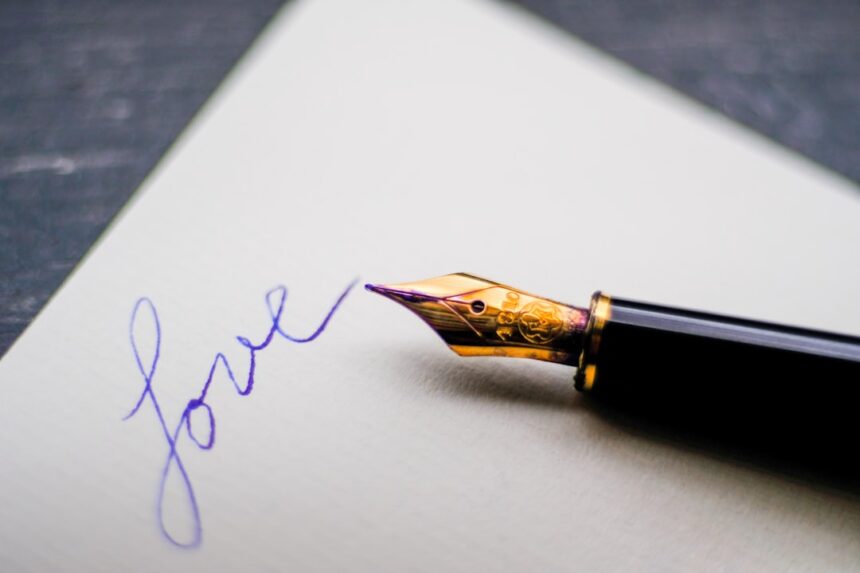
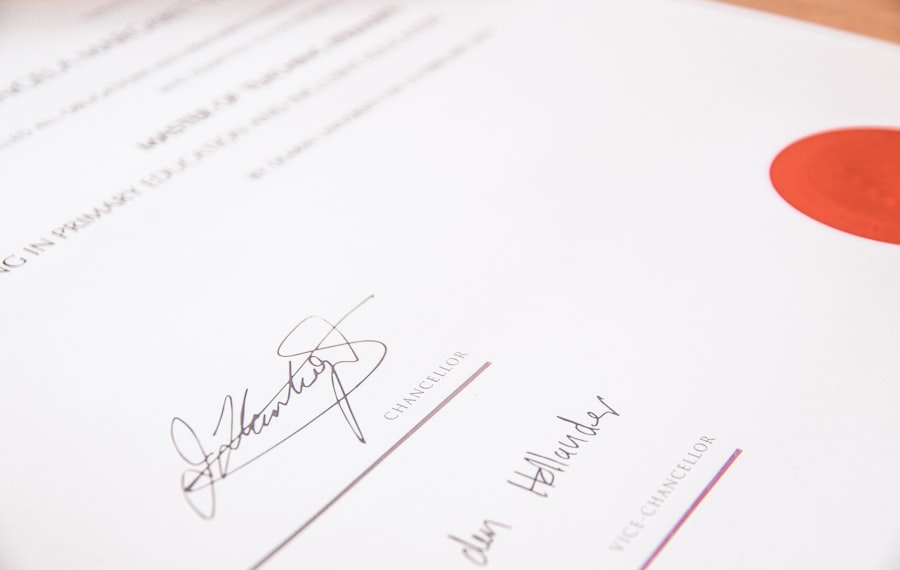
I am often presented with cases where the authenticity of a signature on a will is called into question. As a forensic document examiner, my role is to navigate the intricate labyrinth of lines, strokes, and pressure points that compose a handwritten mark, seeking truth within its topography. Proving a forged signature on a will is not merely an academic exercise; it is a critical endeavor that can profoundly impact the distribution of an individual’s estate and, subsequently, the lives of their beneficiaries. I understand that for many, the idea of a forged will feels like a betrayal, a violation of a loved one’s final wishes. My task is to objectively assess the evidence and provide a clear, defensible opinion based on scientific principles.
Before I can even contemplate a forgery, I must first establish a robust understanding of what constitutes a genuine signature. Imagine a signature as a unique fingerprint of an individual’s writing habits. No two genuine signatures are identical, but they share a consistent underlying pattern of characteristics.
The Idiosyncrasies of Handwriting
My analysis begins by recognizing that everyone’s handwriting, and therefore their signature, possesses a unique set of characteristics. This individuality is a cornerstone of forensic document examination. I look for:
- Natural Variation: A genuine signature will naturally exhibit minor variations in size, slant, and spacing. These aren’t errors; they are the natural ebb and flow of a hand in motion. A lack of variation can sometimes be a red flag.
- Line Quality: This refers to the fluency and continuity of the strokes. A genuine signature, especially from a practiced writer, will display smooth, natural lines, free from tremors or hesitations.
- Pressure Patterns: The pressure applied to the writing instrument varies throughout a signature, creating darker and lighter areas. These patterns are highly individualized and difficult to replicate consciously.
- Pen Lifts and Connections: The points where the pen is lifted from the paper and where letters are connected are often habitual and consistent. Deviations can be telling.
- Proportions and Placement: The relative size of letters to each other, and the overall placement of the signature on the document, are elements I carefully consider against exemplars.
The Importance of Adequate Exemplars
The bedrock of any signature comparison I undertake is the availability of suitable comparison material, known as exemplars. These are undisputed, genuine signatures of the deceased. Without sufficient exemplars, my ability to render a definitive opinion is severely hampered.
- Contemporaneous Exemplars: The most valuable exemplars are those created around the same time as the disputed will. Handwriting can evolve over time due to age, illness, or injury, so I strive for exemplars that reflect the signatory’s writing habits at the relevant period.
- Quantity and Quality: I need a sufficient number of exemplars (ideally 10-20 or more) to capture the natural range of variation in the genuine signature. The clarity and legibility of these exemplars are also paramount. Smudged or incomplete exemplars are of limited use.
- Similar Writing Conditions: If possible, I prefer exemplars written under similar conditions to the disputed signature (e.g., signing a formal document as opposed to a quick scribble).
If you are looking to understand the complexities involved in proving that a signature was forged on a will, you might find the article on forensic handwriting analysis particularly insightful. This resource delves into the techniques used by experts to determine the authenticity of signatures and can provide valuable information for anyone facing a similar legal challenge. For more details, you can read the article here: How to Prove a Signature Was Forged on a Will.
Unmasking the Deception: Identifying Forgery Characteristics
Once I have a solid understanding of the genuine signature, I turn my attention to the disputed signature on the will. This is where my detective work truly begins, meticulously searching for the tell-tale signs of a forgery. Imagine fitting a new, unfamiliar key into a lock; if it’s not the right cut, it simply won’t turn smoothly. Forged signatures are often similar discordant keys.
Potholes on the Path: Tracing and Simulation
Two common methods of forgery I encounter are tracing and simulation, each leaving its own distinct forensic footprint.
- Tracing: This involves copying a genuine signature by placing the disputed document over an authentic one and light-boxing or indenting the original. I look for:
- Unnatural Uniformity: An almost perfect match to an exemplar can be a strong indicator of tracing. As I mentioned, genuine signatures always have natural variation.
- Hesitations and Tremors: Tracers often struggle to maintain fluid movements, leading to tiny stops, starts, and wavering lines as they carefully follow the outline.
- Pencil Indentations: Sometimes, the initial pencil outline used for tracing is visible, or I can detect indentations even after erasure.
- Lifted Pen Strokes: A tracer may lift their pen more frequently than a genuine writer to realign their tracing, resulting in unnatural discontinuities.
- Simulation (Freehand Forgery): This is more challenging to detect as it involves an attempt to reproduce the genuine signature from memory or by looking at it, rather than directly tracing. I look for:
- Slow, Labored Strokes: Even skilled forgers will often execute a simulated signature slower and more deliberately than the genuine writer, resulting in a less fluid line quality.
- Inconsistent Pressure: The natural pressure patterns of the genuine signature are incredibly difficult to mimic. Forgers often apply uneven or awkward pressure.
- “Blueprint” Signatures: The forger might focus on individual letterforms rather than the overall flow, making the signature appear like a series of carefully drawn letters rather than a natural, continuous movement.
- Lack of Rhythm and Speed: A genuine signature has a certain rhythm and speed that is difficult to consciously control when attempting to simulate. The forged signature may appear “drawn” rather than “written.”
The Subtle Tells: Other Indicators of Forgery
Beyond tracing and simulation specific characteristics, I also look for more general indicators that can point towards a forged signature.
- Patching and Retouching: Forgers sometimes go back and “fix” perceived errors, leading to unnaturally heavy lines or superimposed strokes.
- Blunt or Abrupt Line Beginnings and Endings: A genuine signature typically has flowing, tapered starts and stops. Forgeries might exhibit abrupt, blunt beginnings or endings, especially if the forger was hesitant.
- Inconsistent Slant or Spacing: While some natural variation exists, a forged signature might display significant and inexplicable inconsistencies in the slant of letters or the spacing between them.
- Discrepancies in Pen Lifts: The placement and frequency of pen lifts can be an unconscious habit. A forged signature might have lifts in unusual places or a different number of lifts than the genuine signature.
- Size and Proportion Anomalies: The overall size and the relative proportions of individual letters to each other might be distorted in a forgery.
The Tools of My Trade: Scientific Analysis Techniques
My investigation is not based on guesswork or intuition, but on verifiable scientific techniques. I leverage specialized equipment to magnify, illuminate, and analyze the most minute details of the disputed signature.
Beyond the Naked Eye: Microscopy and Magnification
The first and most fundamental tool in my arsenal is the microscope. It allows me to delve into the microscopic world of ink flow and fiber structures.
- Stereomicroscope: This allows me to view the signature in three dimensions at various magnifications, revealing crucial details about line quality, pressure, and the presence of any underlying pencil marks that might indicate tracing.
- Digital Microscopy: High-resolution digital images captured through a microscope allow for further detailed examination, annotation, and presentation of findings.
Unveiling Hidden Features: Advanced Imaging Techniques
Beyond simple magnification, I employ a range of imaging techniques to uncover characteristics not visible to the unaided eye.
- Infrared (IR) Reflectance and Transmittance: Different inks react differently to infrared light. This can reveal alterations, obliterations, or the presence of multiple inks in a single signature, which could indicate a forgery or an attempt to modify an existing signature.
- Ultraviolet (UV) Light: UV light can reveal indentations, chemical alterations, or the presence of fluorescent materials used in some inks or papers that might not be visible under normal light.
- Electrostatic Detection Apparatus (ESDA): This remarkable device can detect indented writing – impressions left on underlying pages when the top page was written on. These indentations could, for example, reveal a practice run by a forger on a separate sheet of paper.
Measuring and Quantifying: Digital Image Analysis Software
Modern forensic document examination heavily relies on sophisticated software for objective measurements and comparisons.
- Measurement Tools: I use software to precisely measure angles, proportions, and spacing within signatures, allowing for objective comparison between the disputed signature and exemplars.
- Overlay Comparison: Digital overlays of the disputed signature and genuine exemplars can highlight subtle differences in alignment, size, and slant that might be difficult to discern by eye alone.
- Graphical Representation: The software can generate charts and graphs to visually represent characteristics like pressure patterns, providing a compelling way to illustrate discrepancies.
Building My Case: Constructing the Expert Opinion
My ultimate goal is to provide a comprehensive and defensible forensic opinion. This involves meticulously documenting my findings and articulating them in a clear, concise, and understandable manner.
The Chain of Evidence: Documentation and Reporting
Every step I take, every observation I make, is meticulously documented. This meticulous record-keeping is vital for maintaining the integrity of the examination and for presenting my findings in court.
- Photographic Documentation: I capture high-quality photographs of relevant areas of the disputed will and all exemplars under various lighting conditions and magnifications.
- Detailed Notes: My notes record every observation, every measurement, and every comparison I make throughout the examination.
- Expert Report: My final report synthesizes all my findings, outlining the methodology used, the characteristics observed, and the basis for my conclusion regarding the authenticity of the signature. I avoid colloquialisms or overly technical jargon, striving for clarity.
Navigating the Legal Landscape: Courtroom Testimony
Should the matter proceed to court, I am prepared to present my findings as an expert witness. This involves translating complex scientific observations into accessible language for a judge and jury.
- Clarity and Objectivity: My testimony is always presented with unwavering clarity and objectivity, focusing solely on the forensic evidence. I am not an advocate for a particular side, but a purveyor of scientific truth.
- Visual Aids: I often utilize enlarged photographs, digital overlays, and other visual aids to illustrate my findings and make them understandable to a lay audience.
- Cross-Examination: I anticipate and prepare for rigorous cross-examination, ensuring I can thoroughly explain my methodology and defend my conclusions under scrutiny.
Proving that a signature was forged on a will can be a complex process that often requires expert analysis and legal insight. For those interested in understanding the nuances of this topic, a related article provides valuable information on the steps involved in identifying forgery and gathering evidence. You can read more about it in this insightful piece on forensic handwriting analysis, which outlines the methods used to determine the authenticity of signatures and the legal implications of a forged will.
The Broader Implications: Safeguarding Testamentary Intent
| Method | Description | Evidence Required | Reliability |
|---|---|---|---|
| Handwriting Expert Analysis | Comparison of the questioned signature with known genuine signatures by a forensic handwriting expert. | Samples of genuine signatures, questioned will signature. | High |
| Ink and Paper Analysis | Scientific examination of ink and paper to determine if materials are consistent with the date of the will. | Will document, reference ink and paper samples. | Moderate to High |
| Witness Testimony | Statements from witnesses who saw the testator sign the will or can attest to the circumstances. | Witness affidavits or court testimony. | Moderate |
| Signature Dynamics Analysis | Analysis of the pressure, speed, and stroke order of the signature using digital tools (if available). | Digital signature data or high-quality scans. | Moderate |
| Comparison with Other Documents | Comparing the signature on the will with signatures on other legal documents signed by the testator. | Other signed documents by the testator. | Moderate |
| Expert Testimony in Court | Presentation of expert findings to a judge or jury to establish forgery. | Expert reports and credentials. | High |
My work in proving a forged signature on a will extends beyond the meticulous comparison of lines and curves. It is about upholding the fundamental principle of testamentary freedom – the right of individuals to determine how their assets are distributed after their passing. A forged will is a direct assault on this principle, and my contributions aim to rectify such injustices.
When I successfully identify a forged signature, I am not simply identifying a falsehood; I am helping to ensure that the true wishes of the deceased are honored. It can prevent wrongful disinheritance, expose fraudulent actors, and bring a measure of closure to grieving families. It reminds me that my profession is not just about science, but also about securing justice and protecting the integrity of our legal system. It is a responsibility I take very seriously, understanding that for the individuals involved, the outcome of my examination can be life-altering.

SHOCKING: My Sister Forged Grandpa’s Will But The Smart TV Snitched
FAQs
How can I determine if a signature on a will is forged?
To determine if a signature on a will is forged, you can compare the questioned signature with known genuine signatures of the person. Handwriting experts or forensic document examiners analyze characteristics such as stroke patterns, pressure, and letter formation. Additionally, inconsistencies in ink, paper, or signing circumstances may indicate forgery.
What evidence is needed to prove a signature was forged on a will?
Evidence to prove forgery typically includes expert testimony from handwriting analysts, discrepancies in the signature compared to authentic samples, witness statements about the signing event, and any physical evidence like altered documents or suspicious circumstances surrounding the will’s creation.
Can a handwriting expert testify in court about a forged signature?
Yes, handwriting experts can be called to testify in court. They provide professional opinions based on scientific analysis of the signature in question, helping the court understand whether the signature is genuine or forged.
What legal steps should I take if I suspect a will has a forged signature?
If you suspect forgery, you should consult an attorney experienced in probate or estate law. They can guide you on filing a contest to the will, gathering evidence, and possibly requesting a forensic examination of the signature to challenge the will’s validity in court.
Is it possible to invalidate a will if a signature is proven forged?
Yes, if a signature on a will is proven to be forged, the will can be declared invalid or void by the court. This may result in the estate being distributed according to a previous valid will or, if none exists, according to state intestacy laws.