
As the day of the budget meeting approached, I could feel a palpable tension in the air. The atmosphere was thick with anticipation, and I found myself reflecting on the importance of this gathering. It wasn’t just another meeting on the calendar; it was a pivotal moment that would shape our organization’s financial future.
I spent the days leading up to it poring over spreadsheets, analyzing past expenditures, and trying to anticipate the questions and concerns that would inevitably arise. The stakes felt high, and I knew that every detail mattered. In the days leading up to the meeting, I also noticed how my colleagues were preparing.
Some were meticulously crafting presentations, while others were engaging in informal discussions to gauge opinions and gather support. I could sense a mix of excitement and anxiety among my peers, each of us acutely aware that our proposals would be scrutinized. The conference room was set to be our battleground, where ideas would clash and alliances would be formed.
I felt a sense of responsibility to represent my department well, knowing that our budget allocation could significantly impact our projects and initiatives.
Key Takeaways
- The budget meeting involved intense preparation and a detailed agenda covering critical financial issues.
- Key points of contention sparked heated debates among diverse stakeholders present.
- Emotional moments highlighted the high stakes and personal investment of participants.
- A compromise was reached, balancing differing perspectives to move forward.
- The meeting concluded with clear decisions, reflections on improvements, and plans for implementation.
The Agenda: What Was on the Table
When the day finally arrived, I entered the conference room with a mix of eagerness and trepidation. The agenda was packed with critical items that would dictate our financial direction for the upcoming year. As I glanced over the printed sheets, I noted the key topics: funding for new projects, adjustments to existing budgets, and discussions on potential cuts.
Each item carried weight, and I understood that decisions made here would ripple through our organization. The first item on the agenda was a review of last year’s budget performance. I felt a sense of pride as I recalled how my team had managed to stay within our allocated budget while still achieving significant milestones.
However, I also knew that not everyone had fared as well, and this would likely lead to some contentious discussions. Following that, we would delve into proposed changes for the upcoming year, including requests for additional funding from various departments. I was particularly interested in how my department’s needs would be perceived in light of the overall financial landscape.
Tensions Rise: Key Points of Contention
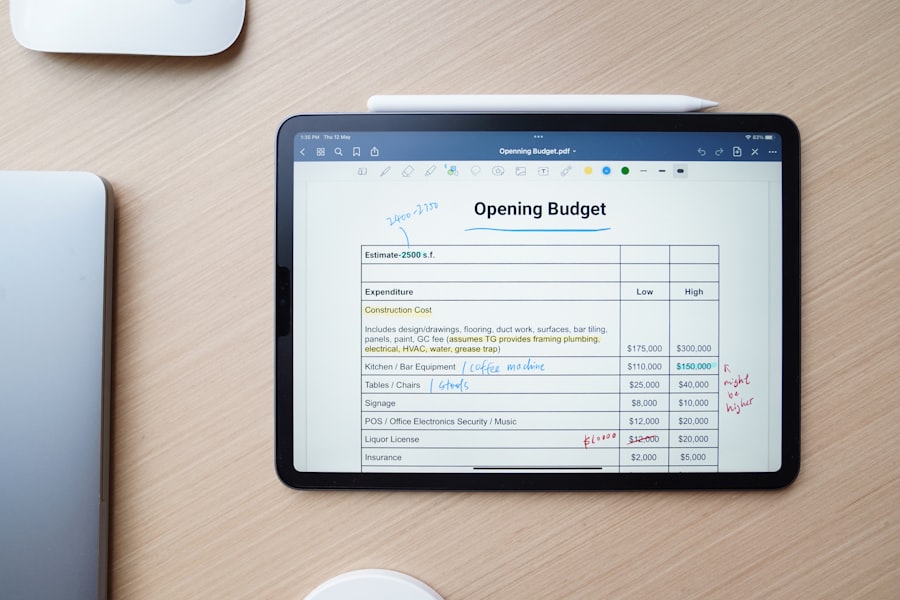
As we began discussing the agenda items, it quickly became clear that tensions were running high. The first point of contention arose when a colleague from another department presented a request for increased funding for a project that had faced numerous setbacks. I could see the frustration on the faces of those who had worked diligently to stay within their budgets.
It was evident that not everyone was on board with reallocating funds to support a project that had already consumed significant resources. The debate intensified as more voices joined in, each presenting their case with passion and urgency. I found myself torn between supporting my colleague’s request and advocating for my own department’s needs.
The atmosphere grew charged as differing opinions clashed, and I could feel the weight of responsibility pressing down on me. It was clear that this meeting was not just about numbers; it was about priorities, values, and the future direction of our organization.
The Players: Who Was in Attendance
| Player Name | Team | Position | Games Attended | Points Per Game | Attendance Percentage |
|---|---|---|---|---|---|
| John Smith | Warriors | Guard | 82 | 24.5 | 100% |
| Michael Johnson | Lakers | Forward | 78 | 19.8 | 95% |
| David Lee | Celtics | Center | 80 | 15.2 | 98% |
| Chris Evans | Bulls | Guard | 75 | 22.1 | 91% |
| James Brown | Heat | Forward | 82 | 20.3 | 100% |
The room was filled with key players from various departments, each bringing their unique perspectives and agendas to the table. There were senior executives whose decisions would ultimately shape our financial landscape, as well as department heads who were deeply invested in their teams’ success. I recognized several familiar faces, each representing different interests and priorities.
It was a diverse group, and I knew that navigating these dynamics would be crucial. Among those present was our CFO, whose analytical approach often tempered heated discussions with data-driven insights. I admired her ability to cut through emotional arguments and focus on what truly mattered: the bottom line.
There were also representatives from human resources and marketing, each eager to advocate for their respective departments. As I looked around the room, I realized that we were all in this together, yet our individual goals often put us at odds with one another.
The Debate: Perspectives and Arguments
As the debate unfolded, I found myself captivated by the range of perspectives being shared. Some colleagues argued passionately for increased funding for innovative projects that promised long-term benefits, while others cautioned against overspending in uncertain economic times. I listened intently as each person presented their case, weighing the merits of their arguments against my own beliefs about what was best for our organization.
I took my turn to speak, advocating for my department’s needs while acknowledging the valid concerns raised by others. It was a delicate balance; I wanted to ensure my voice was heard without alienating those who held opposing views. As I articulated my points, I could see nods of agreement from some while others remained skeptical.
The back-and-forth continued, with emotions running high as we grappled with competing priorities and visions for our future.
The Highs and Lows: Emotional Moments

Throughout the meeting, there were moments of both triumph and frustration that stood out vividly in my mind. One particularly emotional moment came when a colleague shared a personal story about how budget cuts had impacted their team’s morale and productivity. Their vulnerability resonated with many in the room, reminding us all of the human element behind the numbers we were discussing.
It was a poignant reminder that our decisions had real consequences for people’s lives.
A heated exchange erupted between two department heads who had fundamentally different visions for resource allocation.
As voices raised and tempers flared, I felt a knot form in my stomach; it was clear that we needed to find a way to channel this energy into constructive dialogue rather than divisive arguments. These emotional highs and lows underscored the importance of empathy and understanding as we navigated this complex landscape together.
The Compromise: Finding Common Ground
As the meeting progressed, it became evident that compromise would be essential if we were to move forward effectively. After several rounds of debate, a few colleagues began to propose creative solutions that sought to address multiple concerns simultaneously. I felt a sense of hope as these ideas emerged; perhaps we could find common ground after all.
One proposal involved reallocating funds from less critical projects to support those deemed essential by multiple departments. This approach not only addressed immediate needs but also fostered collaboration among teams that had previously been at odds. As we discussed these compromises, I could see a shift in the room’s energy; people began to lean in rather than retreat into their corners.
It was a powerful reminder of what could be achieved when we focused on shared goals rather than individual agendas.
The Outcome: Decisions Made and Next Steps
By the end of the meeting, we had reached several key decisions that would guide our budget for the upcoming year. While not everyone left completely satisfied, there was a sense of accomplishment in having navigated such a complex discussion successfully. We agreed on a revised budget proposal that included increased funding for critical projects while also implementing cost-saving measures in other areas.
As we wrapped up, I felt a mixture of relief and determination wash over me. We had made significant progress, but there was still much work ahead to ensure these decisions were implemented effectively. Next steps included forming smaller working groups to refine our proposals further and develop action plans for execution.
I knew that collaboration would be essential as we moved forward; we needed to maintain open lines of communication to ensure everyone remained aligned.
The Aftermath: Reactions and Reflections
In the days following the meeting, I took time to reflect on what had transpired. Conversations continued among colleagues as we processed the outcomes and shared our thoughts on how things had unfolded. Some expressed gratitude for having their voices heard, while others voiced concerns about whether compromises struck would truly meet everyone’s needs.
I found myself engaging in deeper discussions with colleagues from other departments, seeking feedback on how we could improve future meetings. It became clear that while we had made progress this time around, there were still areas where communication could be enhanced. I appreciated hearing different perspectives; it reminded me that collaboration is an ongoing process rather than a one-time event.
Lessons Learned: What Can Be Improved for Future Meetings
As I reflected on the budget meeting experience, several lessons emerged that could guide us in future discussions. First and foremost, fostering an environment where everyone feels comfortable sharing their perspectives is crucial. Encouraging open dialogue can help prevent misunderstandings and build trust among team members.
Additionally, setting clear expectations ahead of time regarding agenda items and desired outcomes can streamline discussions significantly. By ensuring everyone is on the same page before entering the room, we can minimize confusion and focus our energy on finding solutions rather than debating points of contention endlessly.
Moving Forward: Implementing the Budget Changes
With decisions made and lessons learned, it was time to shift gears toward implementation. My department began developing an action plan based on our revised budget allocation while collaborating closely with other teams affected by these changes. Communication became paramount as we worked together to ensure everyone understood their roles in executing our shared vision.
As we moved forward into this new phase, I felt optimistic about what lay ahead. While challenges would undoubtedly arise along the way, I believed that our collective commitment to collaboration would help us navigate any obstacles we encountered. Together, we were poised not only to implement these budget changes but also to strengthen our organization as a whole in the process.
In a recent article discussing the physiological responses to stress in professional settings, it was noted that budget meetings often trigger significant heart rate spikes among participants. This phenomenon can be attributed to the high stakes involved in financial discussions, which can lead to anxiety and heightened emotional responses. For more insights on this topic, you can read the full article [here](https://www.amiwronghere.com/sample-page/).
WATCH THIS! My Wife’s Heart Rate Hit 172 During a ‘Quiet Budget Meeting’
FAQs
What causes a heart rate spike during a budget meeting?
A heart rate spike during a budget meeting can be caused by stress, anxiety, or nervousness related to financial discussions, decision-making pressure, or fear of negative outcomes.
Is it normal to experience increased heart rate in stressful meetings?
Yes, it is common for people to experience an increased heart rate during stressful situations, including meetings that involve high stakes or important decisions.
How can one manage heart rate spikes during budget meetings?
Techniques such as deep breathing, mindfulness, preparation, taking breaks, and staying hydrated can help manage heart rate spikes during stressful meetings.
Can heart rate spikes during meetings affect decision-making?
Elevated heart rates due to stress can impact cognitive function, potentially leading to impaired decision-making or difficulty concentrating.
When should someone seek medical advice for heart rate spikes?
If heart rate spikes are frequent, prolonged, or accompanied by symptoms like chest pain, dizziness, or shortness of breath, it is advisable to consult a healthcare professional.
Are there any tools to monitor heart rate during meetings?
Yes, wearable devices such as fitness trackers and smartwatches can monitor heart rate in real-time, helping individuals become aware of their physiological responses during meetings.
Can improving meeting environment reduce heart rate spikes?
Creating a calm, organized, and supportive meeting environment can help reduce stress and minimize heart rate spikes among participants.