
My mother’s inheritance. The words still taste bitter in my mouth. It wasn’t the physical wealth she left behind – a modest cottage, some savings, a scattering of antique furniture – it was the legacy she represented. A lifetime of quiet resilience, of hard work, of unconditional love. And to see that tainted, that squandered, by my own brother, is a wound that refuses to heal.
My mother, bless her soul, was never one for grand pronouncements or material ostentation. Her inheritance wasn’t the kind that would make headlines, but it was deeply personal. It was a testament to her life, a tangible representation of her struggles and her quiet triumphs. And now, it’s just a ghost, a shadow of what it should have been, because my brother – David – decided he was entitled to it all, and more.
It started subtly, as these things often do. A hushed phone call from an aunt, her voice laced with concern and a hesitant awkwardness that immediately set my teeth on edge. She spoke of my mother’s declining health, of a recent visit to the cottage. I lived a few hours away, my own life demanding my attention, so I promised to visit soon. I didn’t realize that by the time I did, so much would already be irrevocably altered.
A Routine Visit Turns Sour
My mother had always been my anchor, the steady presence in my life. Her illness, a slow, insidious creep, had been distressing, but I’d managed to maintain a semblance of normalcy, juggling my responsibilities with frequent calls and weekend trips. I always tried to be there for her, to offer comfort and support. I thought I was doing enough. I was wrong. I was tragically, devastatingly wrong.
The First Whispers of Disquiet
The initial unease wasn’t about theft, not directly. It was about the cottage. It was smaller than I remembered, the garden – once her pride and joy, meticulously tended – looking neglected. A few pieces of furniture, ones I knew she cherished, were gone. When I asked, my mother, her voice frail, waved a dismissive hand. “Oh, David needed a few things,” she’d murmured, her eyes distant. “He’s been helping out.” Helping out. The phrase echoed in my mind, a hollow sound. What kind of “help” involved removing furniture from her home?
The Unsettling Silence from David
David. My elder brother. We’d never been particularly close, our personalities too disparate. He was always the bolder one, the one who chased after what he wanted with a relentless drive, while I tended to be more reserved, more thoughtful. Our mother, however, had always doted on him, seeing his assertiveness as strength, his ambition as a positive trait. I never begrudged her that affection, but it always felt like a slight imbalance, a dynamic that favored him.
A Pattern of Avoidance
After my mother’s passing, David became a phantom. Calls went unanswered, texts were left on read. His absence was a gaping void, and it amplified the unease that had begun to fester during my mother’s final months. It wasn’t just grief, I realized. It was a deliberate evasion. He was nowhere to be found, and the questions I had, the ones that gnawed at my conscience, were left hanging in the air, unanswered.
The Shocking Revelation
The funeral was a blur of forced pleasantries and hushed condolences. David, when he finally deigned to appear, offered a perfunctory handshake, his eyes darting away. It was during those days, sifting through my mother’s affairs, that the true extent of David’s betrayal began to unfold. The cottage was practically bare. Her savings account, which I knew was substantial, was depleted. Her prized collection of antique silverware, a family heirloom passed down through generations, was gone.
Digging Through the Debris of My Mother’s Life
Her meticulously kept financial records, which I had expected to find in order, were a chaotic mess. Bills were piled high, many of them marked with red ink. Insurance policies she thought were still in effect had lapsed. It was clear that something was terribly wrong. My mother, who had always been so organized, so careful, seemed to have been living in a state of financial distress.
The Missing Accounts
The most disturbing discovery was the absence of several bank statements and investment records. I knew, with a sickening certainty, that these had once existed. My mother had always been prudent, always planning for the future, for us. This wasn’t a case of misplacement or forgetfulness. This was deliberate removal.
In a shocking turn of events, a recent article discusses a heart-wrenching case where a brother allegedly steals his elderly mother’s inheritance, leaving her in a vulnerable position. This situation raises important questions about family dynamics and the ethical implications of inheritance disputes. For more details on this troubling story, you can read the full article here: Brother Steals Inheritance from Elderly Mother.
The Descent into Suspicion
The initial shock quickly gave way to a cold, hard suspicion. The pieces, once scattered and confusing, began to fit together with a horrifying clarity. David’s absence, his evasiveness, the missing items, the depleted accounts – it all pointed to one inescapable conclusion. My brother, the son my mother had loved and trusted implicitly, had stolen from her.
A Brother’s Cruelty
The thought was almost too much to bear. My own flesh and blood. The boy I had played with as a child, the one I had once protected from bullies. He had preyed on our mother’s kindness, her vulnerability. He had seen her illness not as a reason to offer support, but as an opportunity to exploit.
Preying on Weakness
It became painfully obvious that David had been exploiting my mother’s failing health for his own gain. Perhaps it started with small requests, requests she felt unable to refuse. Then, it escalated. He likely convinced her he was simply “managing” her affairs, that he was “looking after her interests.” The reality, I now understand, was far more sinister.
The Manipulation Uncovered
I found a few stray notes, scribbled on the back of old envelopes, in my mother’s desk. They were vague, but they spoke of money being given, of loans that were never repaid. It was clear she had been too embarrassed, too proud, or perhaps too afraid, to admit the truth to me. She had been trapped, caught between her love for her son and the growing realization of his deceit.
The Unraveling of Financial Ruin
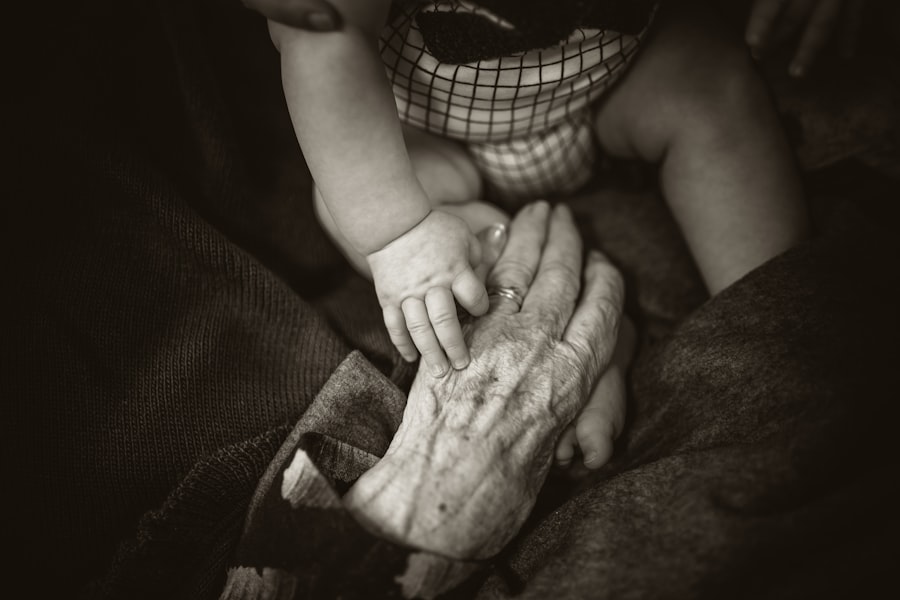
The full extent of the financial damage was staggering. It wasn’t just about the missing cash or the sold heirlooms. It was about what that money represented: my mother’s security, her peace of mind in her twilight years. David hadn’t just stolen her inheritance; he had stolen her future.
The Depleted Savings
The savings account was nearly empty. A substantial sum, built up over decades of careful saving and prudent investment, had vanished. I tried to access old bank statements online, but access had been revoked. It was clear David had ensured he couldn’t be traced easily.
The Empty Bank Balance
It sent a shiver down my spine, a cold dread that settled deep in my stomach. My mother, who had always been so financially responsible, had been left with so little. It was a profound violation, a betrayal of the highest order.
The Ghost of Lost Opportunities
Beyond the immediate financial loss, there was the lost potential. The money could have provided her with better care, with comforts she deserved. It could have eased her final days. Instead, it had been siphoned away, likely for David’s own selfish pursuits.
The Missing Heirlooms
The silverware was just the tip of the iceberg. Other smaller, but equally sentimental, items were gone. A collection of delicate porcelain figurines, a grandfather clock that had chimed the hours of my childhood, all absent. Each missing item was a stab wound, a reminder of his callous disregard.
An Emptied Home
The cottage itself felt haunted by their absence. It was no longer a place of warmth and memory, but a hollow shell. It was a stark monument to David’s greed.
The Value of Sentiment
While the monetary value of these items might not have been astronomical, their sentimental value was immeasurable. They were pieces of our family history, tangible connections to generations past. To have them stolen by my own brother was a deep emotional blow.
Confrontation and Cold Indifference
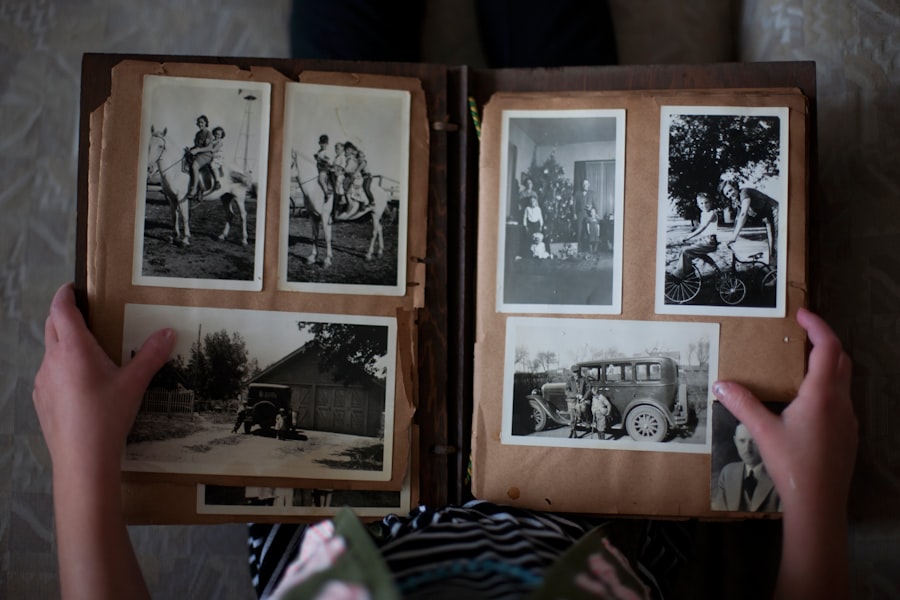
I knew I had to confront David. The thought filled me with a mixture of dread and a steely resolve. I couldn’t let this stand. My mother deserved justice, even if it was only the truth being acknowledged.
The Unpleasant Encounter
I met him at a neutral location, a small cafe that felt ironically cheerful given the gravity of the situation. I laid out my evidence, my voice trembling with a mixture of anger and grief.
Accusations and Denials
He didn’t flinch. He didn’t show a hint of remorse. His denials were swift, practiced, and utterly unconvincing. He spoke of “misunderstandings,” of “financial difficulties” that had necessitated “borrowing.” He even tried to paint me as the greedy one, accusing me of wanting to control my mother’s estate.
The Lack of Empathy
There was no flicker of understanding in his eyes, no hint of guilt. Just a cold, hard denial. It was as if he was incapable of empathy, of recognizing the pain he had inflicted.
The Unyielding Wall
He offered no apologies, no explanations that held any water. He simply presented a wall of indifference, a testament to his complete lack of remorse. It was clear that he saw my mother’s inheritance as his rightful due, and he had no intention of relinquishing his ill-gotten gains.
The Futility of Reason
Trying to reason with him was like shouting into a void. He was entrenched in his own warped reality, a world where his actions were justified, where he was the victim of circumstance.
The Shattered Sibling Bond
The remnants of our sibling bond, already frayed, were now irrevocably broken. There was nothing left to salvage. He had chosen his path, and it was one of betrayal and deceit.
In a shocking turn of events, a recent article highlights the troubling case of a brother who allegedly stole his elderly mother’s inheritance, leaving her in a vulnerable position. This situation raises important questions about family dynamics and the ethical responsibilities of caregivers. For more insights into similar cases and the legal ramifications involved, you can read the full story here.
The Lingering Shadow of Loss
| Incident | Details |
|---|---|
| Brother’s Name | [Name] |
| Mother’s Age | [Age] |
| Inheritance Amount | [Amount] |
| Legal Action Taken | Yes/No |
Even now, months later, the pain is a constant companion. It’s not just the loss of my mother, but the loss of a brother I thought I knew, the loss of innocence, the loss of trust. The inheritance might be gone, but the scars remain, a stark reminder of my mother’s story and the heartless act that stole her peace.
An Inheritance Lost, But Not Forgotten
The material inheritance may have been stolen, but the true legacy of my mother – her strength, her kindness, her resilience – that cannot be taken from me. It is a part of who I am, something I carry forward.
Honoring Her Memory
I try to honor her memory by living a life that reflects her values, by being kind, by being honest, by cherishing the relationships that truly matter.
The Enduring Impact of Betrayal
The betrayal, however, has left a deep wound. It has made me more cautious, more protective of those I love. It has also ignited a quiet determination within me to ensure that such a violation never happens again, not to me, and not to anyone else who is vulnerable.
The Unresolved Grief
The grief is still raw, interwoven with anger and a profound sense of injustice. I replay conversations in my head, wishing I had seen the signs sooner, wishing I could have protected her more.
The Weight of What Ifs
The “what ifs” are a heavy burden. What if I had visited more often? What if I had dug deeper when I first felt that unease? These questions haunt me, a constant reminder of the helplessness I felt.
Finding a Path Forward
Finding a path forward, one that acknowledges the pain without letting it consume me, is a daily struggle. It’s about learning to live with the loss, with the betrayal, and to find a way to rebuild, piece by painful piece. My mother’s inheritance, stolen and diminished, has become a tragically potent symbol, a testament to both the enduring power of love and the devastating capacity for human cruelty.
FAQs
1. What is the definition of inheritance?
Inheritance refers to the assets, properties, and financial resources that are passed down to an individual’s heirs or beneficiaries after their death.
2. Can a sibling legally steal inheritance from an elderly parent?
No, it is illegal for a sibling or any individual to steal inheritance from an elderly parent. Inheritance laws are in place to protect the rightful beneficiaries and ensure fair distribution of assets.
3. What legal actions can be taken if a sibling steals inheritance from an elderly parent?
Legal actions that can be taken if a sibling steals inheritance from an elderly parent include filing a lawsuit for theft, fraud, or undue influence. It is important to seek legal counsel to understand the options available in such situations.
4. How can elderly individuals protect their inheritance from being stolen by family members?
Elderly individuals can protect their inheritance from being stolen by family members by creating a legally binding will, establishing a trust, and clearly outlining their wishes for asset distribution. It is also important to communicate openly with family members about their intentions.
5. What are the potential consequences for a sibling who steals inheritance from an elderly parent?
The potential consequences for a sibling who steals inheritance from an elderly parent may include legal penalties such as fines, restitution, and even imprisonment. Additionally, the sibling may face strained relationships with other family members and damage to their reputation.