
Property rights constitute a foundational element of societal organization, establishing the legal framework for ownership and control over both tangible and intangible resources. These rights extend beyond simple possession to encompass a comprehensive set of entitlements that enable individuals and entities to utilize, manage, and transfer their property. The concept of property rights includes multiple dimensions of ownership: the authority to exclude others from the property, the right to use the property for various purposes, and the right to generate income from the asset.
This legal framework serves as a cornerstone for economic development and social stability. Property rights can be classified into three primary categories: private, public, and communal rights. Private property rights provide individuals or corporations with exclusive authority over their assets, enabling autonomous decision-making regarding use and disposition.
Public property rights govern resources owned by governmental entities and managed for collective benefit. Communal property rights involve shared ownership arrangements among specific groups, frequently observed in indigenous communities and traditional societies. Each category of property rights significantly influences resource allocation, utilization patterns, and management strategies within different social and economic contexts.
Key Takeaways
- Property rights are fundamental legal entitlements that define ownership and use of property.
- Legal protection and enforcement of property rights are crucial for economic stability and development.
- Governments and courts play key roles in safeguarding property rights through laws and legal remedies.
- Challenges in enforcement include disputes, corruption, and inadequate legal frameworks.
- International standards promote fair and equitable protection of property rights globally.
Importance of Legal Protection for Property Rights
The legal protection of property rights is paramount for several reasons.
I have observed that when people feel confident that their property rights are safeguarded by law, they are more likely to engage in economic activities, such as starting businesses or improving their homes.
This sense of security fosters innovation and entrepreneurship, which are vital for economic growth. Moreover, legal protection for property rights helps to prevent disputes and conflicts over ownership. In my experience, when property rights are clearly defined and enforced, it reduces the likelihood of misunderstandings and legal battles between parties.
This clarity not only promotes social harmony but also allows for smoother transactions in the marketplace. Without robust legal frameworks in place, the risk of expropriation or infringement increases, leading to a climate of uncertainty that can stifle economic progress.
Types of Property Rights

As I delve deeper into the various types of property rights, I find it fascinating how they shape our interactions with resources. The most commonly recognized form is private property rights, which grant individuals or entities exclusive control over their possessions. This type of ownership is crucial for personal autonomy and economic freedom.
I have seen how private property rights empower individuals to make decisions about their assets without interference from others, fostering a sense of responsibility and stewardship. In contrast, public property rights serve a different purpose. These rights pertain to resources owned by the government on behalf of the public, such as parks, roads, and public buildings.
I have come to understand that while public property is intended for communal use, it also requires careful management to ensure that it serves the needs of society effectively. Additionally, communal property rights highlight the importance of collective ownership among groups, often seen in indigenous cultures where land is held in trust for future generations. Each type of property right plays a unique role in our social fabric and economic landscape.
Legal Framework for Property Rights
The legal framework governing property rights is intricate and varies significantly across jurisdictions. In my research, I have discovered that laws related to property rights are often rooted in historical precedents and cultural norms. These laws establish the parameters within which individuals can claim ownership and exercise their rights.
For instance, land registration systems provide a formal mechanism for recognizing ownership, while zoning laws dictate how land can be used. I have also noted that international treaties and agreements can influence national laws regarding property rights. Countries may adopt specific legal standards to align with global norms or to attract foreign investment.
This interplay between domestic law and international standards highlights the complexity of property rights and underscores the need for a robust legal framework that balances individual interests with societal needs.
Role of Government in Protecting Property Rights
| Country | Property Rights Index (0-100) | Legal Framework Strength | Enforcement Efficiency | Judicial Independence | Corruption Perception Impact |
|---|---|---|---|---|---|
| United States | 85 | Strong | High | High | Low |
| Germany | 88 | Strong | High | High | Low |
| Brazil | 55 | Moderate | Moderate | Moderate | Moderate |
| India | 45 | Moderate | Low | Low | High |
| South Africa | 50 | Moderate | Moderate | Moderate | High |
| China | 40 | Weak | Low | Low | High |
The government plays a pivotal role in safeguarding property rights through legislation and enforcement mechanisms. I have observed that a strong legal system is essential for ensuring that property rights are respected and upheld. This involves not only creating laws that define ownership but also establishing institutions that can adjudicate disputes and enforce those laws effectively.
In my experience, government agencies responsible for land management and property registration are crucial in maintaining an orderly system of property rights. They provide the necessary infrastructure for individuals to assert their claims and protect their interests. Additionally, governments must be vigilant against corruption and abuse of power, as these can undermine public trust in the legal system and erode property rights.
Legal Remedies for Property Rights Violations
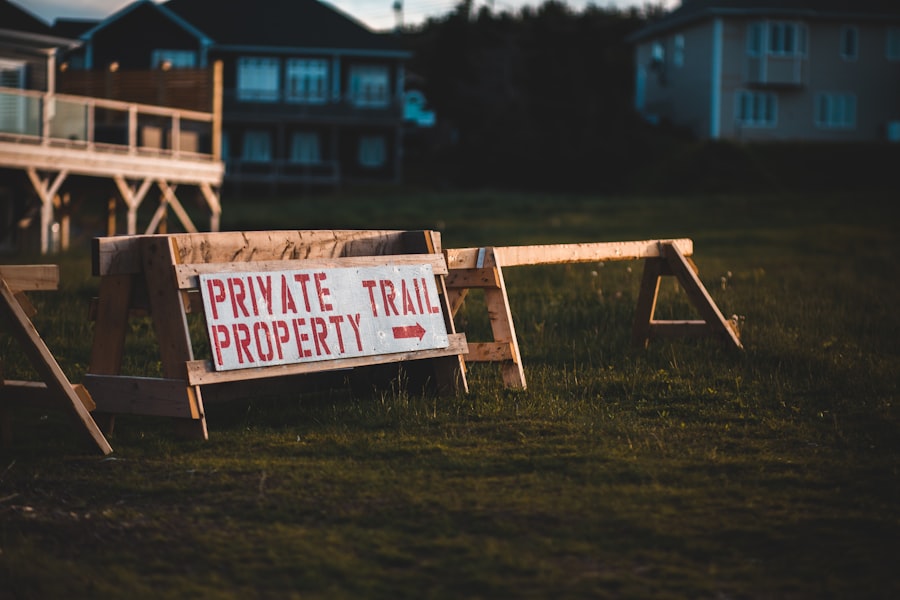
When property rights are violated, it is essential to have legal remedies available to address these grievances. I have learned that various forms of recourse exist, ranging from monetary compensation to restitution of property. Courts often play a central role in adjudicating these cases, providing a forum for individuals to seek justice when their rights have been infringed upon.
In my exploration of legal remedies, I have come across alternative dispute resolution mechanisms such as mediation and arbitration. These approaches can offer more efficient and less adversarial means of resolving conflicts related to property rights. By providing parties with options beyond traditional litigation, these methods can help preserve relationships while still ensuring that justice is served.
Challenges in Enforcing Property Rights
Despite the established legal frameworks designed to protect property rights, numerous challenges persist in their enforcement. I have observed that one significant issue is the lack of resources within judicial systems, which can lead to delays in resolving disputes and undermining confidence in the rule of law. When individuals perceive that justice is unattainable due to bureaucratic inefficiencies or corruption, they may resort to extralegal means to protect their interests.
Additionally, cultural attitudes toward property ownership can complicate enforcement efforts. In some societies, informal land tenure systems coexist with formal legal frameworks, leading to confusion over ownership claims. I have seen how this duality can create tensions between traditional practices and modern legal standards, making it difficult for authorities to enforce property rights consistently.
International Standards for Property Rights Protection
International standards for property rights protection have emerged as a response to globalization and the need for harmonization across borders. I have come to appreciate that organizations such as the United Nations have established guidelines aimed at promoting secure land tenure and protecting individual property rights worldwide. These standards serve as benchmarks for countries seeking to improve their legal frameworks and align with global best practices.
In my research on international standards, I have found that these guidelines often emphasize the importance of inclusivity in property rights protection. For instance, they advocate for recognizing the land rights of marginalized communities and indigenous peoples who may be disproportionately affected by land dispossession. By promoting equitable access to property rights, these international standards aim to foster social justice and sustainable development.
The Role of Courts in Protecting Property Rights
Courts play a crucial role in upholding property rights by interpreting laws and adjudicating disputes between parties.
When courts operate without bias or external influence, they can provide a level playing field for all parties involved.
In my exploration of court systems around the world, I have noted that some jurisdictions have specialized courts or tribunals dedicated to handling property disputes. These specialized bodies can offer expertise in complex cases involving land use or real estate transactions, leading to more informed decisions. Ultimately, the effectiveness of courts in protecting property rights hinges on their ability to maintain impartiality and uphold the rule of law.
Property Rights and Economic Development
The relationship between property rights and economic development is profound and multifaceted. I have come to understand that secure property rights are essential for fostering investment and economic growth. When individuals feel confident that their assets are protected by law, they are more likely to invest in improvements or start new ventures.
Moreover, strong property rights can facilitate access to credit markets by allowing individuals to use their assets as collateral for loans. In my observations, this access to financing can empower entrepreneurs and small business owners to expand their operations or innovate new products and services. As a result, robust property rights contribute not only to individual prosperity but also to broader economic development within communities.
Ensuring Fair and Equitable Property Rights Protection
Ensuring fair and equitable protection of property rights requires ongoing efforts from governments, civil society organizations, and international bodies. I have learned that addressing historical injustices related to land ownership is crucial for creating a more just society. This may involve recognizing the land claims of indigenous peoples or providing restitution for those who have been wrongfully dispossessed.
Additionally, public awareness campaigns can play a vital role in educating individuals about their property rights and available legal remedies. I believe that empowering citizens with knowledge about their entitlements fosters a culture of respect for property rights within society. By promoting transparency and accountability in land governance, we can work towards a future where everyone has access to fair and equitable protection of their property rights.
In the ongoing discussion about the importance of property rights protection, a relevant article can be found at this link. This article delves into the legal frameworks that safeguard property rights and highlights the implications of inadequate protection on economic development and individual freedoms. Understanding these legal principles is crucial for anyone interested in the intersection of law and property ownership.
📌WATCH THIS! They Tried to Steal My House, So I Made the City Tear It Down
FAQs
What are property rights?
Property rights refer to the legal rights to possess, use, and dispose of property. These rights allow individuals or entities to control tangible or intangible assets, such as land, buildings, intellectual property, and personal belongings.
Why is legal protection of property rights important?
Legal protection of property rights ensures that owners can securely use and transfer their property without unlawful interference. It promotes economic development, encourages investment, and helps maintain social order by preventing disputes and unauthorized use.
What laws govern property rights protection?
Property rights protection is governed by various laws, including constitutional provisions, property laws, intellectual property laws, contract laws, and regulations related to land use and ownership. These laws vary by jurisdiction but generally provide mechanisms for ownership recognition, transfer, and dispute resolution.
How can property owners enforce their rights?
Property owners can enforce their rights through legal actions such as filing lawsuits for trespass, theft, or infringement. They may also seek remedies like injunctions, damages, or specific performance through courts or administrative bodies.
What role do courts play in property rights protection?
Courts interpret and apply property laws to resolve disputes, uphold ownership claims, and ensure that property rights are respected. They provide a formal mechanism for adjudicating conflicts and enforcing legal protections.
Can property rights be limited or restricted?
Yes, property rights can be subject to limitations or restrictions imposed by law, such as zoning regulations, eminent domain, environmental protections, or public interest considerations. These limitations must generally be lawful and proportionate.
What is intellectual property and how is it protected?
Intellectual property (IP) refers to creations of the mind, such as inventions, literary works, trademarks, and patents. IP rights are protected through specific legal frameworks that grant exclusive rights to creators and inventors for a limited time.
How does property rights protection impact economic growth?
Strong property rights protection encourages investment, innovation, and entrepreneurship by providing security and predictability. This fosters economic growth by enabling individuals and businesses to capitalize on their assets and ideas.
What are common challenges in protecting property rights?
Challenges include illegal seizures, weak enforcement mechanisms, corruption, unclear property titles, and conflicts between customary and formal legal systems. Addressing these issues is crucial for effective property rights protection.
How can individuals ensure their property rights are protected?
Individuals can protect their property rights by properly registering ownership, maintaining accurate documentation, understanding relevant laws, and seeking legal advice when necessary. Staying informed about local regulations and promptly addressing disputes also helps safeguard rights.