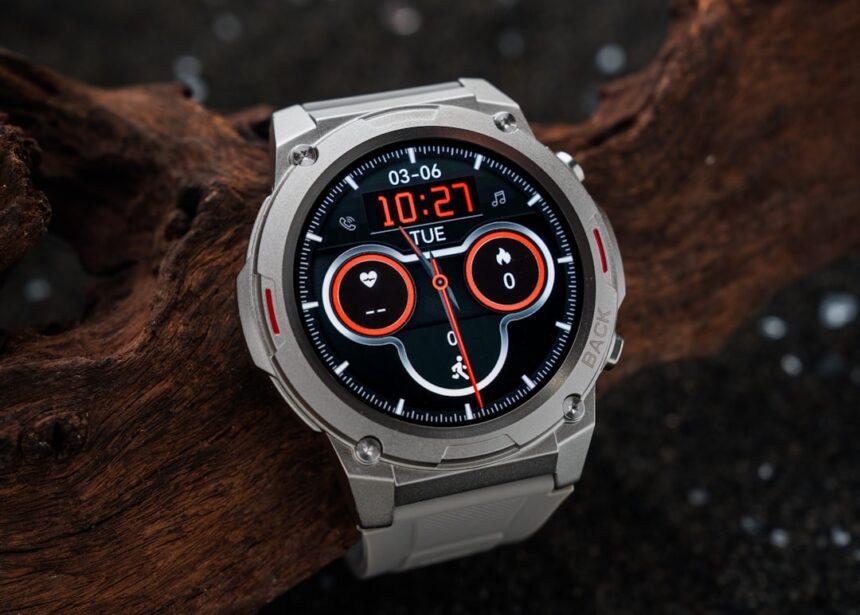
In recent years, fitness trackers have surged in popularity, becoming an essential accessory for many health-conscious individuals. These devices, often worn on the wrist or integrated into smartphones, monitor various aspects of physical activity, including steps taken, calories burned, heart rate, and even sleep patterns. As someone who has embraced this technology, I find it fascinating how these gadgets can provide insights into our daily lives and overall well-being.
They serve not only as motivators for personal fitness goals but also as tools for self-awareness and accountability. However, the capabilities of fitness trackers extend beyond mere health monitoring. They can inadvertently reveal patterns and behaviors that may indicate deeper issues within personal relationships.
As I delve into the world of fitness trackers, I am increasingly aware of their potential to uncover infidelity. The data collected by these devices can paint a picture of a person’s daily routine, revealing discrepancies that may raise suspicions about their fidelity. This intersection of technology and personal relationships is a complex and often sensitive topic that warrants exploration.
Key Takeaways
- Fitness trackers can provide unexpected insights into a partner’s activities, potentially revealing signs of infidelity.
- Anomalies in fitness data, such as unusual location patterns or inconsistent activity levels, may indicate unfaithful behavior.
- Legal considerations are important when using fitness tracker data as evidence in infidelity disputes.
- Infidelity can negatively impact both physical health and emotional well-being, as reflected in fitness and psychological data.
- Open communication and trust rebuilding are crucial when addressing concerns raised by fitness tracker information.
How Fitness Trackers Can Reveal Infidelity
Fitness trackers collect a wealth of data that can be revealing in more ways than one. For instance, the information about my daily activities, such as the times I exercise or the duration of my workouts, can be meticulously logged and analyzed. If I were to suddenly change my routine—perhaps by exercising at unusual hours or increasing my activity level without a clear reason—it could raise questions among those close to me.
This is particularly true in romantic relationships, where partners often share their fitness journeys and routines. Moreover, fitness trackers often include GPS tracking features that can pinpoint my location during workouts or other activities. If I were to frequently visit places that are out of the ordinary or spend time in locations that I had not previously disclosed to my partner, it could lead to suspicions.
The very nature of these devices means they can inadvertently expose secrets, making them a double-edged sword in the realm of personal relationships. As I reflect on this, I realize how easily trust can be undermined when technology is involved.
Signs of Infidelity in Fitness Tracker Data
When examining fitness tracker data for signs of infidelity, there are several key indicators to consider.
If I typically maintain a consistent exercise routine and then experience a drastic increase in workouts—especially at odd hours—it could suggest that something is amiss.
This change might indicate that I am trying to cover up time spent away from home or engaging in activities that I would prefer to keep hidden. Another red flag is the inconsistency between reported activities and actual data. For example, if my fitness tracker shows that I have been running for an hour but my partner knows I was supposed to be at work during that time, it could lead to questions about my honesty.
Additionally, if I frequently log workouts in locations that are not part of my usual routine, it may raise suspicions about where I am spending my time. These discrepancies can create a narrative that suggests infidelity, even if the truth is more benign.
Case Studies of Infidelity Uncovered Through Fitness Trackers
| Case Study | Fitness Tracker Brand | Key Metric Monitored | Uncovered Activity | Duration of Suspicious Activity | Outcome |
|---|---|---|---|---|---|
| Case A | Fitbit Charge 4 | Heart Rate & Location | Unexpected elevated heart rate at unfamiliar location | 2 hours, 3 consecutive days | Confrontation and counseling |
| Case B | Apple Watch Series 6 | Step Count & Sleep Patterns | High activity during supposed sleep hours | Several nights over 1 month | Relationship ended |
| Case C | Garmin Vivosmart 4 | GPS Tracking & Exercise Logs | Frequent visits to a location not disclosed | Multiple weeks | Trust rebuilt after discussion |
| Case D | Samsung Galaxy Fit | Heart Rate & Activity Level | Sudden spikes in heart rate during work hours | Several days | Revealed affair, separation followed |
There are numerous real-life examples where fitness trackers have played a pivotal role in uncovering infidelity. In one case that caught my attention, a woman noticed that her partner’s fitness tracker data showed an unusual spike in activity late at night. When she confronted him about it, he initially denied any wrongdoing but eventually admitted to meeting someone else during those late-night runs.
The data from his fitness tracker provided concrete evidence that contradicted his claims, leading to a painful but necessary confrontation. Another compelling case involved a couple who shared their fitness tracker data as part of their commitment to health and wellness. The husband began logging workouts at odd hours and visiting unfamiliar locations.
His wife became suspicious when she noticed these patterns did not align with his stated schedule. After some investigation, she discovered he was meeting someone else under the guise of exercising. The fitness tracker data served as a catalyst for her to confront him about his infidelity, ultimately leading to the dissolution of their marriage.
Legal Implications of Using Fitness Tracker Data in Infidelity Cases
The use of fitness tracker data in infidelity cases raises important legal questions regarding privacy and admissibility in court. As someone who values personal privacy, I find it concerning how easily this data can be accessed and interpreted. In many jurisdictions, fitness tracker data may be considered personal information, and its use in legal proceedings could be contested on privacy grounds.
However, if the data is deemed relevant to a case—such as proving infidelity—it may be admissible in court. Additionally, the legal implications extend beyond privacy concerns; they also touch on issues of trust and consent within relationships. If I were to access my partner’s fitness tracker data without their knowledge or consent, it could lead to legal repercussions and further damage our relationship.
Understanding the legal landscape surrounding this technology is crucial for anyone considering using fitness tracker data as evidence in an infidelity case.
Impact of Infidelity on Physical Fitness and Health
Infidelity can have profound effects on physical fitness and overall health. When faced with betrayal, many individuals experience heightened stress and anxiety, which can manifest in various ways. Personally, I know that emotional turmoil can lead to changes in appetite and sleep patterns—both of which are critical components of maintaining good health.
The psychological impact of infidelity can disrupt my routine and motivation to stay active. Moreover, the aftermath of infidelity often leads to a reevaluation of personal goals and priorities. For some, this may mean doubling down on fitness as a form of self-care and empowerment; for others, it may result in neglecting physical health altogether.
The emotional fallout from infidelity can create a cycle where physical well-being is compromised due to mental distress. Recognizing this connection between emotional health and physical fitness is essential for anyone navigating the complexities of infidelity.
Emotional and Psychological Effects of Infidelity Revealed Through Fitness Tracker Data
The emotional and psychological effects of infidelity can be profound and far-reaching. When I think about how fitness tracker data might reveal these effects, I realize that changes in activity levels can serve as indicators of emotional distress.
Additionally, fitness trackers often provide insights into sleep patterns—another area that can be affected by emotional turmoil. If my partner’s sleep quality deteriorates after an incident of infidelity, it may indicate they are grappling with anxiety or guilt. These changes in behavior can provide valuable context for understanding the emotional landscape following infidelity and highlight the importance of addressing both physical and mental health during the healing process.
Tips for Using Fitness Trackers to Monitor Relationship Health
While fitness trackers can reveal potential issues within relationships, they can also serve as tools for promoting relationship health when used mindfully. One approach is to establish shared fitness goals with my partner, creating a sense of teamwork and accountability. By working together towards common objectives—whether it’s training for a race or simply committing to regular exercise—we can strengthen our bond while also prioritizing our health.
Another tip is to maintain open communication about our fitness journeys. Sharing insights from our fitness trackers can foster transparency and trust within the relationship. If I notice any unusual patterns in my partner’s data or vice versa, discussing these observations openly can help prevent misunderstandings before they escalate into larger issues.
Ultimately, using fitness trackers as a means of enhancing communication and collaboration can contribute positively to relationship dynamics.
How to Approach a Partner About Suspicious Fitness Tracker Data
If I find myself in a situation where I suspect my partner’s fitness tracker data indicates infidelity, approaching the topic requires sensitivity and care. It’s essential to create an environment where open dialogue is encouraged rather than accusatory. Starting the conversation by expressing concern rather than suspicion can help set a constructive tone.
For example, I might say something like, “I’ve noticed some changes in your activity levels lately; is everything okay?” This approach allows for an honest discussion without placing blame upfront. Additionally, it’s crucial to listen actively during this conversation. If my partner feels defensive or attacked, they may shut down or become evasive rather than engaging openly about their feelings or experiences.
By fostering an atmosphere of trust and understanding, we can navigate difficult conversations more effectively and work towards resolving any underlying issues together.
Rebuilding Trust and Healing After Infidelity Revealed by Fitness Tracker Data
Rebuilding trust after infidelity is a challenging journey that requires commitment from both partners. If I find myself in this situation, it’s important to acknowledge the pain caused by betrayal while also focusing on healing together. Open communication is vital during this process; discussing feelings honestly can help both partners understand each other’s perspectives better.
Establishing new boundaries around technology use may also be beneficial as we work towards rebuilding trust. For instance, we might agree on how we share our fitness tracker data moving forward or set guidelines for privacy that respect each other’s autonomy while fostering transparency. This collaborative approach can help create a sense of safety within the relationship as we navigate the complexities of healing after infidelity.
The Role of Technology in Uncovering Infidelity and Promoting Relationship Health
In conclusion, fitness trackers represent a fascinating intersection between technology and personal relationships. While they have the potential to reveal signs of infidelity through data analysis, they also offer opportunities for enhancing relationship health when used mindfully. As someone who values both physical fitness and emotional well-being, I recognize the importance of navigating these complexities with care.
Ultimately, technology should serve as a tool for fostering connection rather than division within relationships. By embracing open communication and mutual support while utilizing fitness trackers responsibly, we can promote healthier partnerships built on trust and understanding—regardless of the challenges we may face along the way.
In a surprising turn of events, a recent article highlighted how a fitness tracker played a crucial role in uncovering infidelity. The device, which was initially intended to monitor health and fitness goals, inadvertently revealed discrepancies in activity patterns that raised suspicions. For more details on this intriguing case, you can read the full article [here](https://www.amiwronghere.com/sample-page/).
WATCH THIS! My Wife’s Heart Rate Hit 172 During a ‘Quiet Budget Meeting’
FAQs
What is a fitness tracker?
A fitness tracker is a wearable device designed to monitor and record various physical activities such as steps taken, heart rate, sleep patterns, and calories burned.
How can a fitness tracker prove infidelity?
A fitness tracker can provide data on a person’s location, activity levels, and heart rate at specific times. If this data contradicts their stated whereabouts or activities, it may serve as evidence suggesting infidelity.
What types of data do fitness trackers collect?
Fitness trackers typically collect data on steps, distance traveled, heart rate, sleep quality, calories burned, and sometimes GPS location.
Is it legal to use fitness tracker data as evidence in infidelity cases?
The legality of using fitness tracker data as evidence varies by jurisdiction and depends on how the data was obtained. Consent and privacy laws must be considered before using such data in legal proceedings.
Can fitness tracker data be manipulated or inaccurate?
While fitness trackers are generally reliable, they can sometimes produce inaccurate data due to device errors, improper wear, or technical issues. Data manipulation is also possible but requires technical expertise.
Are there privacy concerns related to fitness trackers?
Yes, fitness trackers collect sensitive personal data, raising privacy concerns about data security, unauthorized access, and how the data is shared or used by third parties.
How can fitness tracker data be accessed?
Fitness tracker data can usually be accessed through the device’s companion app or online account, often requiring the user’s login credentials.
Can fitness trackers track location continuously?
Some fitness trackers have built-in GPS or connect to a smartphone’s GPS to track location during activities, but continuous location tracking depends on the device’s features and settings.
What should someone do if they suspect infidelity based on fitness tracker data?
If infidelity is suspected, it is advisable to communicate openly with the partner and consider seeking professional counseling or legal advice before taking further action.
Are fitness trackers commonly used in relationship disputes?
While not common, fitness tracker data has occasionally been used in relationship disputes or legal cases to provide objective information about a person’s activities and whereabouts.