
As I reflect on the evolution of influencer culture, I can’t help but marvel at how it has transformed the landscape of marketing and personal branding. What began as a niche phenomenon has burgeoned into a multi-billion-dollar industry, with influencers wielding significant power over consumer behavior. Social media platforms have become the new marketplace, where individuals can cultivate their personal brands and monetize their online presence.
However, this rise to fame often comes with immense financial pressures that are not immediately visible to the casual observer. The allure of luxury lifestyles, glamorous trips, and high-end products can create an illusion of effortless success, but behind the scenes, many influencers grapple with the harsh realities of financial instability. The pressure to maintain a certain image can be overwhelming.
I’ve seen countless influencers feel compelled to invest in expensive clothing, lavish experiences, and extravagant events to keep up with their peers and meet the expectations of their followers. This constant need for validation can lead to a cycle of overspending, where the desire to appear successful outweighs the reality of their financial situation. As I navigate this world, I’ve come to understand that while influencer culture offers opportunities for creativity and entrepreneurship, it also fosters an environment where financial mismanagement can thrive.
Key Takeaways
- The rise of influencer culture has brought financial pressures and challenges for many content creators.
- Living beyond means has led to the reality of influencer debt, as many struggle to maintain their lifestyle and image.
- Influencers face financial struggles, including debt, as they try to keep up with the demands of their audience and the industry.
- Influencers often hide their debt, creating an illusion of success, which can have long-term consequences on their financial well-being.
- Debt can have a significant impact on the mental health and well-being of influencers, leading to stress and anxiety.
Living Beyond Means: The Reality of Influencer Debt
Living beyond one’s means is a common theme among influencers, and I’ve witnessed firsthand how easily it can happen. The pressure to project an image of success often leads influencers to make impulsive financial decisions. I’ve seen friends and colleagues take out loans or use credit cards to fund their lifestyles, believing that the return on investment will come from brand partnerships or increased follower counts.
Unfortunately, this often results in a precarious financial situation where debt accumulates faster than income can keep pace.
Unlike traditional jobs with predictable salaries, influencer earnings can fluctuate dramatically based on engagement rates, sponsorship deals, and market trends.
This unpredictability can create a false sense of security, leading influencers to spend as if they have a steady stream of income. I’ve had conversations with fellow influencers who have found themselves in deep financial trouble, struggling to pay off credit card bills while trying to maintain their online personas. It’s a precarious balancing act that can quickly spiral out of control.
A Closer Look at the Financial Struggles of Influencers

When I delve deeper into the financial struggles faced by influencers, I realize that many are caught in a web of unrealistic expectations and societal pressures. The constant comparison to others in the industry can lead to feelings of inadequacy and the urge to overspend in order to keep up. I’ve seen influencers invest in elaborate photo shoots or high-end products that they cannot afford, all in the name of creating content that will attract more followers and potential brand deals.
This cycle of spending often leads to a precarious financial situation that is difficult to escape. Moreover, the lack of financial education within the influencer community exacerbates these struggles. Many influencers enter the space without a solid understanding of budgeting, saving, or investing.
I’ve spoken with peers who have never been taught how to manage their finances effectively, leading them to make poor decisions that result in mounting debt. The glamorization of influencer lifestyles often overshadows the importance of financial literacy, leaving many feeling lost when it comes to managing their money.
The Illusion of Success: How Influencers Hide Their Debt
| Influencer | Debt Amount | Number of Followers | Engagement Rate |
|---|---|---|---|
| Emily Influencer | 10,000 | 100,000 | 5% |
| John Influencer | 15,000 | 150,000 | 7% |
| Sarah Influencer | 8,000 | 80,000 | 4% |
The illusion of success is a powerful force in the influencer world, and I’ve seen how it can lead individuals to hide their financial struggles from their followers. Many influencers curate their online personas meticulously, showcasing only the highlights of their lives while concealing the challenges they face behind closed doors. I’ve encountered influencers who present an image of wealth and success while grappling with significant debt, creating a stark contrast between their online presence and reality.
This facade can be damaging not only to the influencers themselves but also to their followers. When I scroll through social media feeds filled with perfectly curated images and aspirational lifestyles, it’s easy to forget that many influencers are struggling financially. The pressure to maintain this illusion can lead to feelings of isolation and shame for those who are facing financial difficulties.
I’ve spoken with influencers who feel trapped by their own narratives, unable to share their struggles for fear of losing followers or brand partnerships.
The Impact of Debt on Mental Health and Well-being
The impact of debt on mental health is profound, and I’ve witnessed how it can take a toll on influencers’ well-being. The stress of financial instability can lead to anxiety, depression, and feelings of inadequacy. I’ve had friends confide in me about sleepless nights spent worrying about unpaid bills or looming deadlines for sponsorships that may not materialize.
The pressure to maintain an image while dealing with financial stress can create a perfect storm for mental health challenges. Moreover, the stigma surrounding debt often prevents influencers from seeking help or discussing their struggles openly. I’ve seen how this silence can exacerbate feelings of shame and isolation.
Many influencers feel they must uphold a façade of success at all costs, leading them to suffer in silence rather than reaching out for support. It’s crucial for those in the influencer community to recognize that they are not alone in their struggles and that seeking help is a sign of strength rather than weakness.
Seeking Help: How Influencers are Addressing Their Financial Struggles
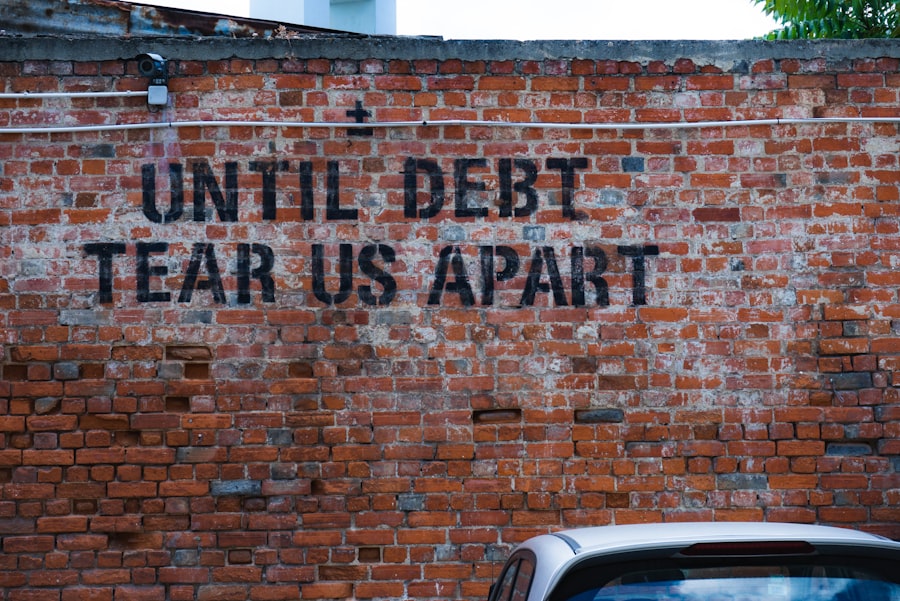
In recent years, there has been a growing movement among influencers to address their financial struggles openly and seek help when needed. I’ve noticed more influencers sharing their stories about debt and financial mismanagement on social media platforms, creating a sense of community and support among those facing similar challenges. This shift towards transparency is refreshing and necessary, as it helps break down the stigma surrounding financial difficulties.
I’ve also seen influencers turn to financial advisors or coaches for guidance on managing their finances more effectively. By seeking professional help, they can gain valuable insights into budgeting, saving, and investing strategies tailored to their unique situations. This proactive approach not only empowers influencers to take control of their finances but also sets an example for their followers about the importance of financial literacy and responsibility.
The Role of Brands and Sponsorships in Influencer Debt
Brands and sponsorships play a significant role in the financial landscape for influencers, but this relationship is not without its complexities. While lucrative partnerships can provide much-needed income, they can also create pressure to maintain a certain lifestyle or image. I’ve seen influencers feel compelled to accept sponsorships that don’t align with their values simply because they need the money to cover expenses or pay off debt.
Additionally, the unpredictability of brand deals can lead to financial instability for many influencers.
This reliance on brand partnerships can create a precarious situation where influencers feel they must constantly chase new deals while managing existing debts.
It’s essential for influencers to strike a balance between pursuing opportunities and maintaining authenticity in their content.
Tips for Managing Finances as an Influencer
As I navigate my own journey as an influencer, I’ve learned valuable lessons about managing finances effectively. One crucial tip is to create a budget that reflects both personal expenses and business-related costs. By tracking income and expenditures diligently, I can gain a clearer picture of my financial situation and make informed decisions about spending.
Another important strategy is to prioritize saving for emergencies or unexpected expenses. I’ve found that setting aside a portion of my income each month helps create a safety net that provides peace of mind during leaner times. Additionally, diversifying income streams—such as exploring affiliate marketing or creating digital products—can help mitigate the risks associated with relying solely on brand partnerships.
Learning from Mistakes: Influencers Share Their Financial Lessons
Many influencers have experienced financial missteps along their journeys, but these mistakes often serve as valuable learning experiences. I’ve heard stories from fellow creators who have overspent on extravagant trips or high-end products only to find themselves struggling financially afterward. These experiences have prompted them to reevaluate their spending habits and prioritize financial responsibility moving forward.
Sharing these lessons publicly can be empowering for both influencers and their followers. By being transparent about their mistakes, influencers can foster a sense of community and encourage others to learn from their experiences rather than repeating them. I believe that open discussions about financial challenges can help demystify the influencer lifestyle and promote healthier attitudes toward money management.
The Importance of Financial Literacy for Influencers
Financial literacy is an essential skill for anyone navigating the complexities of personal finance, but it holds particular significance for influencers who operate in an unpredictable industry. I’ve come to realize that understanding basic financial principles—such as budgeting, saving, investing, and managing debt—can empower influencers to make informed decisions about their money. Investing time in learning about personal finance has been transformative for me as an influencer.
By educating myself on topics like taxes, retirement planning, and investment strategies, I feel more equipped to navigate the financial landscape with confidence. Encouraging fellow influencers to prioritize financial literacy can help create a more sustainable industry where creators are empowered to manage their finances effectively.
Moving Forward: How Influencers Can Overcome Debt and Build Financial Stability
As I look toward the future, I’m optimistic about the potential for influencers to overcome debt and build lasting financial stability. By fostering open conversations about financial struggles and prioritizing education around money management, we can create a supportive community that encourages responsible spending habits. I believe that embracing transparency about finances will not only benefit individual influencers but also contribute to a healthier industry overall.
As we move forward, it’s crucial for influencers to prioritize long-term financial goals over short-term gains and cultivate habits that promote sustainability in both their personal lives and careers. By doing so, we can pave the way for a new generation of influencers who are not only successful but also financially savvy and resilient in the face of challenges.
In recent years, the phenomenon of influencer debt has become a topic of increasing concern, as many social media personalities find themselves struggling to maintain the lavish lifestyles they project online. A related article on this subject can be found on the website “Am I Wrong Here,” which delves into the pressures and financial pitfalls that influencers often face. This article provides a deeper understanding of how the pursuit of online fame can lead to significant financial strain. For more insights, you can read the full article by visiting this link.
WATCH THIS! She Took My $50K And Lost Her House
FAQs
What is influencer debt?
Influencer debt refers to the financial burden that influencers may face due to overspending, mismanagement of funds, or relying on inconsistent income from brand partnerships and sponsorships.
What are some common reasons for influencer debt?
Some common reasons for influencer debt include overspending on luxury items, not budgeting for taxes, relying on inconsistent income, and not having a financial plan in place.
Can influencer debt have long-term consequences?
Yes, influencer debt can have long-term consequences such as damaging credit scores, limited access to loans or mortgages, and impacting future career opportunities.
How can influencers avoid falling into debt?
Influencers can avoid falling into debt by creating a budget, saving for taxes, diversifying their income streams, and seeking financial advice from professionals.
What are some tips for influencers to manage their finances effectively?
Some tips for influencers to manage their finances effectively include tracking expenses, saving a portion of their income, investing in retirement accounts, and being mindful of their spending habits.