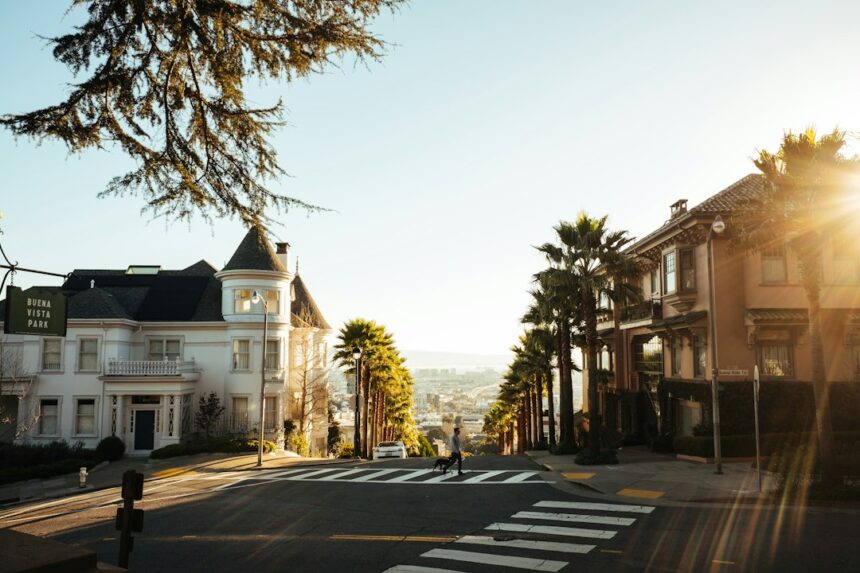
I often find myself drawn to the tangible remnants of the past. Old photographs, in particular, possess a unique power. They are windows, not just into moments, but into places. The faded hues, the grainy textures, the subject matter itself – all whisper stories. Yet, sometimes, these stories feel incomplete without a crucial element: location. I’ve spent considerable time delving into the practice of retrieving GPS coordinates from old photos, a process that blends detective work, technological understanding, and a healthy dose of patience. It’s not always straightforward, but the reward of pinpointing a forgotten scene is substantial.
There’s a peculiar magnetism to an image without a clear geographical anchor. It invites speculation, fuels curiosity, and presents a puzzle waiting to be solved. I recall a particular set of sepia-toned photographs from my grandmother’s belongings. They depicted family members, likely from the early to mid-20th century, posing in what appeared to be outdoor settings. The backdrops were generic enough – trees, a bit of sky, perhaps a distant fence – but offered no definitive clues about where these individuals were standing. I recognized the faces, but the context of their lives, the places they inhabited, remained elusive. This ignorance, while not debilitating, felt like a gap in my understanding of my own history. It sparked a desire to bridge that gap, to bring those static images to life by grounding them in a specific geographic reality.
Personal Archives and Familial Puzzles
My own family albums are a rich source of these photographic mysteries. Imagine finding a picture of your great-aunt laughing with friends on what could be a beach, but is it the Jersey Shore, or perhaps a lake in the Midwest? The clothing might offer some broad temporal clues, but the precise latitude and longitude are lost to time. These are not just images; they are fragments of lives lived, and understanding where those lives unfolded can add a profound layer of meaning. The absence of a caption, a date, or a location on the back of a photograph is a common occurrence, a testament to a different era where such details were perhaps less prioritized or assumed to be known by those who would view them.
Historical Research and Contextualization
Beyond personal history, I’ve encountered situations where historical research has been hampered by a lack of location data in photographs. A historian studying a particular social movement might have powerful images of rallies or gatherings, but without knowing the exact street or square where they occurred, understanding the urban context, the surrounding infrastructure, or potential influences becomes much more difficult. The juxtaposition of a photograph with maps and historical records can unlock new insights, allowing for a more comprehensive understanding of past events.
Genealogical Tracing and Ancestral Journeys
For genealogists, locating ancestral homes or significant places from old photographs can be an emotionally charged and incredibly rewarding endeavor. Discovering where an ancestor lived, worked, or even vacationed can provide concrete connections to them, moving beyond names and dates to a more visceral understanding of their existence. It transforms dry research into a tangible journey through time and space.
If you’re interested in uncovering the GPS location from your old photos, you might find this article particularly helpful: How to Find GPS Location from Old Photos. It provides a step-by-step guide on how to extract geolocation data embedded in your images, as well as tips on using various tools and software to enhance your search. Whether you’re looking to revisit cherished memories or trace your travels, this resource can assist you in pinpointing where those moments were captured.
Decoding the Visual Clues: The Initial Investigation
The first step in trying to glean GPS coordinates from an old photograph is to treat the image itself as a piece of evidence. It requires a keen eye for detail and a methodical approach to observation. I don’t just glance at a photo; I scrutinize it, looking for anything that might serve as a geographic marker. This is where the real detective work begins, and it’s often more art than pure science in the initial stages.
Examining the Landscape and Natural Features
I start with the most obvious elements. Are there distinct types of trees that are native to specific regions? Can I identify mountain ranges, coastlines, or prominent rock formations? Even seemingly mundane features like the type of grass or the presence of specific flora can offer clues. For instance, a photograph showing a certain species of cactus would immediately narrow down the possibilities to arid or semi-arid regions.
Identifying Flora and Fauna
The plant life is often a significant indicator. Are there palm trees? Evergreen forests? Deciduous trees? Identifying the species, if possible, can be incredibly helpful. Similarly, if any animals are visible, their type can also provide context. This often requires a bit of research into regional botany and zoology.
Analyzing Geological Formations
The shape of hills, the presence of cliffs, or the characteristics of soil can all point to specific geological areas. I’ve learned to look for distinctive geological formations that might be unique to certain parts of the world.
Scrutinizing Man-Made Structures and Objects
Beyond the natural environment, man-made elements are often even more informative. Buildings, bridges, roads, vehicles, and even smaller objects like signposts or lamp posts can provide crucial clues. The architectural style of a building can be a strong indicator of its time period and location, especially if it’s a distinctive style associated with a particular region or culture.
Architectural Styles and Their Regional Quirks
I’ve spent time studying architectural styles from different eras and regions. Victorian homes, adobe structures, colonial buildings – each has a recognizable footprint that can help narrow down the search. Even the materials used in construction can be informative.
Identifying Vehicle Models and Their Origins
If there are vehicles in the photograph, their make, model, and era can be surprisingly useful. Certain car manufacturers or models were more prevalent in specific countries or regions during certain periods. This is especially true for older photographs.
Deciphering Signage and Ephemera
Any visible signs, posters, or other ephemeral elements are invaluable. Even if the text is partially obscured or in a foreign language, the style of typography, the colors used, or the presence of specific symbols can offer hints. This sometimes leads to an internet search for historical advertisements or public notices from potential regions.
Assessing Environmental Conditions and Atmospheric Clues
While less precise, environmental conditions can also contribute to the puzzle. The quality of light, the presence or absence of fog, the apparent weather – these can offer a general sense of climate.
The Quality of Light and Shadow
The angle and intensity of sunlight can sometimes indicate the latitude and time of year, though this is a more advanced and often less reliable method without comparative data. However, in conjunction with other clues, it can add a subtle layer of confirmation.
Weather Patterns and Seasonal Indicators
The presence of snow, lush greenery, or dry, dusty landscapes can all point to general climatic conditions and potential seasons, which can then be cross-referenced with other identified clues.
The Digital Detective: Leveraging Online Resources

Once I’ve gathered as many visual clues as possible, the digital realm becomes my primary tool for analysis and verification. This is where the process shifts from pure observation to active research and comparison. The internet, with its vast repositories of information, is an indispensable ally in this quest.
Reverse Image Search and Its Limitations
My first go-to in the digital realm is often a reverse image search. Uploading the photograph to platforms like Google Images or TinEye can sometimes yield surprising results. If the image has been shared online before, a reverse search might link it to articles, websites, or forums where its location was previously identified or discussed. However, for older, less digitized photos, this is often hit-or-miss.
Finding Similar Images and Potential Matches
The hope is that someone else has already encountered this image or a very similar one and provided context. This can be a quick way to solve the puzzle.
Identifying Websites or Articles with Related Content
Even if the exact image isn’t found, similar images from the same era or location might surface, providing a helpful starting point.
Geographical Databases and Mapping Tools
The more powerful tools for locating GPS coordinates lie in specialized databases and mapping technologies. These require a more deliberate and analytical approach.
Utilizing Google Earth and Historical Satellite Imagery
Google Earth is an indispensable tool. I can zoom in on areas that I suspect the photograph might be from and compare the visual details in the photo to what is visible on the map. I look for the same buildings, street layouts, or natural features. The ability to view historical satellite imagery also allows me to see how a landscape has changed over time, which can be crucial for matching older photographs.
Exploring Online Archives of Historical Maps and Aerial Photographs
Many historical societies, libraries, and government agencies have digitized collections of old maps and aerial photographs. These resources can provide invaluable context, allowing me to compare the details in my photograph with historical records of a specific area.
Cross-Referencing with Wikipedia and Other Encyclopedic Resources
Wikipedia, for all its quirks, is an excellent starting point for researching architectural styles, historical landmarks, or regional characteristics. If I suspect a particular building or landmark, I will research it extensively on Wikipedia and other encyclopedic sites to gather information about its history, location, and appearance.
Engaging with Online Communities and Expert Forums
Sometimes, the collective knowledge of online communities can be the key to unlocking a stubborn photographic mystery.
Posting in Genealogy or History Forums
There are dedicated forums and subreddits for genealogy, local history, and photography enthusiasts. Posting the photograph and the clues I’ve gathered on these platforms can attract individuals with specialized knowledge who might recognize the location or offer valuable insights.
Seeking Help from Local Historical Societies or Archives Online
Many local historical societies have a presence online and may be willing to assist with identifying photographs from their area. Their staff often possess a deep understanding of local history and geography.
The Power of Metadata and Embedded Information

While most old photographs don’t have readily apparent metadata, there are instances where technical information can be extracted, offering a direct route to location data. This is less common for physical prints but can be a goldmine for digitized images.
Examining Digital File Properties
If the photograph is a digital scan or was originally taken with a digital camera, I always check the file’s metadata. This EXIF (Exchangeable Image File Format) data can contain a wealth of information, including the date and time the photo was taken, the camera model, and, crucially, GPS coordinates if the camera or device had location services enabled.
Uncovering EXIF Data for Location, Date, and Time
I use various software tools, both built-in operating system functions and dedicated EXIF viewers, to extract this information. Sometimes, the GPS data is directly embedded.
The Role of Geotagging in Modern Photography
While the focus is on old photos, it’s worth noting the advancements in modern photography, where geotagging is often automatic. This contrast highlights the challenges of working with older media.
Forensic Examination of Physical Photographs
For physical photographs, the process of extracting embedded information is more akin to forensic analysis and relies on careful physical examination.
Looking for Faint Markings or Inscriptions
Sometimes, even faint pencil marks or handwritten notes on the back of a photograph, when magnified and analyzed, can reveal details like a street name, town, or even a more specific location. I’ve learned to use high-resolution scanners and magnifying tools to uncover these subtle clues.
Analyzing Paper Type and Manufacturer Marks
The type of photographic paper used, the manufacturer’s watermark, or even the specific developing process can sometimes be traced back to a particular studio or region, offering a tangential clue.
If you’re curious about how to find GPS location from old photos, you might find it helpful to explore related techniques and tools that can enhance your understanding of geolocation in photography. A great resource for this topic is an article that discusses various methods for extracting metadata from images, which can be particularly useful for identifying where a photo was taken. You can read more about it in this insightful piece on geolocation techniques. This information can help you uncover the stories behind your cherished memories captured in those old snapshots.
The Art of Cross-Referencing and Triangulation
| Method | Description |
|---|---|
| Exif Data | Check the Exif data of the photo to see if it contains GPS coordinates. |
| Online Tools | Use online tools or software that can extract GPS location from photos. |
| Map Applications | Upload the photo to map applications like Google Maps to find the location. |
| Manual Search | If the above methods fail, try to manually identify the location based on visual clues in the photo. |
Once I have gathered potential clues from various sources, the process often involves a significant amount of cross-referencing and triangulation. No single piece of evidence is usually sufficient on its own. It’s about seeing how multiple fragments of information align to form a coherent picture.
Corroborating Visual Evidence with Historical Records
If I suspect a location based on architectural style, for instance, I will then look for historical records, old maps, or other photographs from that specific period and region to see if the visual details match. This is a crucial step in building confidence in a hypothesized location.
Matching Building Features with Historical Architectural Drawings
Comparing the details of a building in a photograph with architectural drawings or blueprints from historical archives can provide strong corroboration.
Comparing Street Layouts and Urban Infrastructure with Old Maps
If the photograph shows a street scene, I will compare the arrangement of buildings, street width, and any visible infrastructure (like streetcar tracks or lampposts) with historical maps of potential locations.
Using Multiple Clues to Narrow Down Possibilities
The more independent clues I can gather that all point to the same general area, the more confident I can be in my findings. This iterative process of gathering, analyzing, and cross-referencing is key.
The “Snowball Effect” of Information
As I uncover one piece of information, it often leads to another, creating a snowball effect where the body of evidence grows, making the eventual identification more secure.
Identifying Discrepancies and Re-evaluating Assumptions
It’s equally important to be willing to re-evaluate my assumptions if new information contradicts my initial hypotheses. Sometimes, a seemingly strong clue can be misleading, and it’s essential to be open to discarding a theory if it doesn’t hold up under scrutiny.
The Final Verification: Visiting the Location (If Possible)
The ultimate verification, if feasible, is to visit the suspected location. Seeing the place with my own eyes, walking the same ground, and comparing the modern landscape to the old photograph can be incredibly affirming and often reveals details that were not apparent in the image alone.
Site Visits and On-the-Ground Comparison
Standing in the spot where the photograph was taken, if it can be identified, offers a unique perspective. Subtle changes in the landscape or the persistence of certain features can provide strong confirmation.
The Emotional Resonance of a Verified Location
There’s an undeniably powerful emotional resonance in standing at a place from a photograph and feeling a direct connection to the past. It transforms the abstract coordinates into a tangible, lived experience. This endeavor, while sometimes challenging, has consistently enriched my understanding of history, my family, and the enduring power of place.
FAQs
1. How can I find the GPS location from old photos?
To find the GPS location from old photos, you can use online tools or software that can read the metadata embedded in the photo file. This metadata often includes the GPS coordinates of where the photo was taken.
2. What is metadata and how does it relate to finding GPS location from old photos?
Metadata is information embedded in a photo file that includes details such as the date and time the photo was taken, the camera settings, and the GPS coordinates of where the photo was taken. By accessing this metadata, you can find the GPS location from old photos.
3. Are there specific software or apps that can help in finding GPS location from old photos?
Yes, there are several software and apps available that can help in extracting the GPS location from old photos. Some popular options include ExifTool, GeoSetter, and Photo Investigator.
4. Can I find the GPS location from old printed photos?
Unfortunately, it is not possible to find the GPS location from old printed photos unless the location information was manually recorded or stored separately at the time the photo was taken.
5. Are there any privacy or ethical considerations when using GPS location from old photos?
When using GPS location from old photos, it’s important to consider privacy and ethical implications. Always obtain consent from individuals who may be identifiable in the photos, and be mindful of sharing location information that could compromise someone’s privacy or safety.