
Navigating the intricate web of family dynamics can be particularly challenging when it comes to real estate. The emotional ties and shared histories among family members can complicate what might otherwise be straightforward transactions. The stakes are high, as real estate often represents not just financial investment but also a legacy, a home, or a cherished memory.
When disagreements arise, they can quickly escalate into conflicts that threaten relationships and create lasting rifts. Understanding these dynamics is crucial for anyone involved in family real estate matters. Family conflicts in real estate often stem from differing expectations and values.
For instance, one family member may view a property as an investment opportunity, while another sees it as a sentimental family home. These contrasting perspectives can lead to misunderstandings and resentment. Additionally, the pressure of financial implications can exacerbate tensions, as family members may feel that their interests are being overlooked or undervalued.
Recognizing these underlying issues is the first step toward addressing them constructively.
Key Takeaways
- Family conflict in real estate requires understanding underlying dynamics to manage disputes effectively.
- Clear communication and setting boundaries are essential for smooth family real estate transactions.
- Professional mediation and counseling can help resolve conflicts and facilitate fair asset distribution.
- Managing emotions and establishing decision-making plans reduce tension and improve outcomes.
- Addressing legal, financial, and emotional aspects supports long-term peace and closure in family real estate matters.
Communicating Effectively with Family Members in Real Estate Transactions
Effective communication is the cornerstone of resolving family conflicts in real estate transactions. I have learned that approaching discussions with empathy and openness can significantly alter the course of negotiations. It is essential to create an environment where all family members feel heard and respected.
I often find that setting aside time for open dialogue, free from distractions, allows for more honest conversations about each person’s needs and concerns. Moreover, I have discovered that using “I” statements rather than “you” statements can help reduce defensiveness during discussions. For example, instead of saying, “You never consider my opinion,” I might express, “I feel overlooked when my ideas aren’t discussed.” This subtle shift in language fosters a more collaborative atmosphere and encourages others to share their thoughts without feeling attacked.
Setting Clear Boundaries and Expectations in Real Estate Negotiations

Establishing clear boundaries and expectations is vital when engaging in real estate negotiations with family members. I have found that defining roles and responsibilities early on can prevent misunderstandings and conflicts down the line. For instance, if one family member is taking the lead on selling a property, it is essential to clarify what decisions they are authorized to make independently and which ones require group consensus.
This clarity helps to manage expectations and reduces the likelihood of disputes arising from perceived overreach. In addition to defining roles, I believe it is equally important to set clear timelines and goals for the negotiation process. By agreeing on specific milestones and deadlines, all parties can stay aligned and focused on the end goal.
I have seen how this approach not only streamlines the decision-making process but also fosters a sense of accountability among family members. When everyone understands their responsibilities and the overall timeline, it becomes easier to navigate potential conflicts as they arise.
Seeking Professional Mediation and Counseling for Family Conflict in Real Estate
When family conflicts escalate beyond what can be resolved through direct communication, seeking professional mediation or counseling can be a valuable option. I have witnessed firsthand how a neutral third party can facilitate discussions and help family members find common ground. Mediators are trained to navigate emotionally charged situations and can provide tools for effective communication that may not be readily available within the family dynamic.
In my experience, involving a professional mediator not only helps to resolve immediate conflicts but also equips family members with skills for future interactions. The mediator can guide discussions around interests rather than positions, encouraging family members to express their underlying needs and desires. This shift in focus often leads to more creative solutions that satisfy everyone involved.
Ultimately, seeking professional help can be a proactive step toward preserving familial relationships while addressing real estate issues.
Exploring Options for Fair Distribution of Real Estate Assets within the Family
| Metric | Description | Typical Value/Range | Impact on Real Estate |
|---|---|---|---|
| Percentage of Family Disputes Involving Real Estate | Proportion of family conflicts that center around property or inheritance issues | 30% – 50% | High potential to delay property sales or transfers |
| Average Duration of Real Estate Family Conflicts | Time taken to resolve disputes related to family-owned properties | 6 months – 3 years | Prolonged legal and emotional strain on family members |
| Common Causes | Primary reasons for family conflicts over real estate | Inheritance disagreements, unequal distribution, unclear wills | Leads to litigation and property value depreciation |
| Percentage of Conflicts Resolved Through Mediation | Share of disputes settled outside court via mediation or arbitration | 40% – 60% | Reduces legal costs and preserves family relationships |
| Impact on Property Value | Effect of ongoing family disputes on market value of property | 5% – 20% decrease | Lower marketability and potential financial loss |
| Legal Costs Incurred | Average expenses related to resolving family real estate conflicts | Varies widely, often thousands to tens of thousands | Financial burden on family members involved |
When it comes to distributing real estate assets within a family, fairness is often a subjective concept that can lead to significant conflict. I have learned that exploring various options for distribution is essential to ensure that all family members feel valued and respected in the process. One approach I have found effective is to engage in open discussions about each person’s preferences and priorities regarding the property in question.
For instance, some family members may prefer to keep the property within the family for future generations, while others may wish to sell it and divide the proceeds. By discussing these options openly, I can help facilitate a more collaborative decision-making process. Additionally, considering alternative solutions such as co-ownership or creating a family trust can provide avenues for fair distribution that align with everyone’s interests.
Managing Emotions and Personal Relationships in Real Estate Transactions
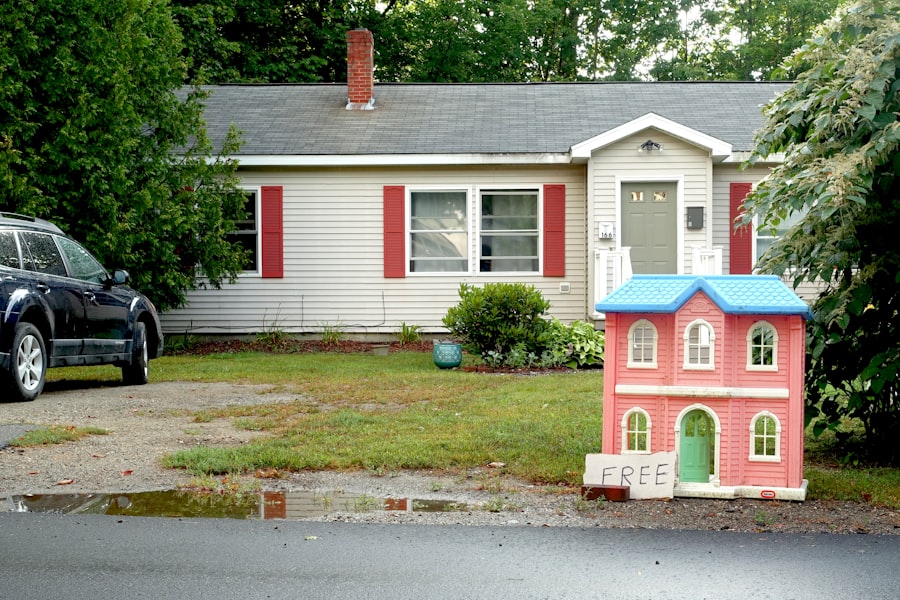
Managing emotions during real estate transactions involving family members is a delicate balancing act that I have come to appreciate deeply. The emotional weight of familial relationships can cloud judgment and lead to impulsive decisions driven by frustration or hurt feelings. I have found that acknowledging these emotions is crucial; rather than suppressing them, it is essential to create space for open dialogue about how each person feels regarding the transaction.
In my experience, taking breaks during heated discussions can be beneficial. Stepping away from the negotiation table allows everyone to cool down and reflect on their feelings without the pressure of immediate decision-making. When we reconvene, I encourage each person to express their emotions constructively, focusing on how they impact the negotiation process rather than assigning blame.
This approach fosters understanding and empathy among family members, ultimately leading to more productive discussions.
Creating a Plan for Decision-Making and Conflict Resolution in Real Estate Matters
Having a structured plan for decision-making and conflict resolution can significantly ease tensions during real estate transactions within families. I have found that collaboratively developing a decision-making framework at the outset helps set clear expectations for how disagreements will be handled if they arise. This plan might include steps such as identifying key decision-makers, establishing timelines for decisions, and outlining methods for resolving disputes.
In my experience, involving all family members in creating this plan fosters a sense of ownership and commitment to the process. When everyone has a say in how decisions will be made, they are more likely to respect the agreed-upon framework during negotiations. Additionally, having a clear plan in place provides a reference point during conflicts, allowing family members to return to the established guidelines rather than getting lost in emotional disputes.
Considering the Impact of Family Conflict on Real Estate Investments and Property Management
Family conflict can have far-reaching implications not only for individual relationships but also for real estate investments and property management strategies. I have observed that unresolved disputes can lead to poor decision-making regarding property maintenance or investment opportunities, ultimately affecting the property’s value over time. When emotions run high, it becomes challenging to make rational choices that benefit everyone involved.
Moreover, I have seen how ongoing conflicts can create an environment of distrust among family members, leading to miscommunication about property management responsibilities. For instance, if one person feels sidelined in decision-making processes, they may neglect their responsibilities or act out of spite, further exacerbating tensions. Recognizing these potential impacts has motivated me to prioritize conflict resolution strategies early on in any real estate dealings with family members.
Addressing Legal and Financial Implications of Family Conflict in Real Estate
The legal and financial implications of family conflict in real estate cannot be overlooked. I have learned that unresolved disputes can lead to costly legal battles or financial losses that affect not only individual family members but also the family’s overall wealth. It is essential to approach these matters with a clear understanding of each person’s rights and responsibilities regarding the property involved.
In my experience, consulting with legal professionals who specialize in real estate law can provide valuable insights into potential pitfalls and help navigate complex situations. They can offer guidance on issues such as property division during divorce or inheritance disputes among siblings. By addressing these legal considerations proactively, I can help mitigate risks associated with family conflict and ensure that all parties are informed about their options moving forward.
Building a Support Network for Dealing with Family Conflict in Real Estate
Building a support network is crucial when dealing with family conflict related to real estate transactions. I have found that surrounding myself with trusted friends or professionals who understand the complexities of familial relationships can provide invaluable perspective during challenging times. These individuals can offer advice based on their experiences or simply lend an empathetic ear when emotions run high.
Additionally, I believe it is essential to seek out resources such as support groups or workshops focused on navigating family dynamics in real estate matters. Engaging with others who have faced similar challenges allows me to learn from their experiences while also providing an opportunity for mutual support. By cultivating this network, I am better equipped to handle conflicts constructively while maintaining my emotional well-being.
Finding Peace and Closure in Family Conflict Related to Real Estate
Ultimately, finding peace and closure in family conflict related to real estate requires intentional effort from all parties involved. I have learned that acknowledging past grievances while focusing on future possibilities is essential for healing relationships within the family unit. This process may involve difficult conversations about feelings of hurt or betrayal but can lead to greater understanding and reconciliation.
In my experience, celebrating small victories along the way—such as reaching agreements on specific issues—can foster a sense of progress and hope for resolution. Additionally, taking time to reflect on what truly matters—whether it’s preserving familial bonds or ensuring fair treatment—can guide decision-making processes toward outcomes that honor both personal relationships and financial interests. Ultimately, by prioritizing peace over conflict, I can help create an environment where families can thrive together even amidst challenging real estate matters.
Family conflicts in real estate can often arise from misunderstandings and differing expectations among relatives. For a deeper understanding of how these disputes can be navigated, you might find the article on family dynamics in property ownership insightful. It discusses common issues and offers strategies for resolution. You can read more about it in this related article.
📌WATCH THIS! They Tried to Steal My House, So I Made the City Tear It Down
FAQs
What are common causes of real estate family conflicts?
Common causes include disagreements over property inheritance, unequal distribution of assets, disputes over property management or sale, unclear ownership titles, and differing opinions on the use or development of the property.
How can families prevent conflicts related to real estate?
Families can prevent conflicts by creating clear legal documents such as wills or trusts, maintaining open communication, involving all stakeholders in decision-making, seeking professional advice from lawyers or mediators, and regularly updating estate plans.
What legal steps can be taken to resolve real estate family disputes?
Legal steps may include mediation, arbitration, filing a lawsuit for partition or ownership clarification, or seeking court intervention to enforce or contest wills and trusts. Consulting a real estate attorney is often advisable.
Can real estate family conflicts affect property value?
Yes, ongoing disputes can delay property sales, reduce marketability, and lead to neglect or mismanagement, potentially decreasing the property’s value.
What role does a mediator play in resolving family real estate conflicts?
A mediator facilitates communication between parties, helps identify common interests, and assists in negotiating mutually acceptable agreements without resorting to litigation.
Is it necessary to have a will to avoid real estate family conflicts?
While not legally required, having a clear and legally valid will significantly reduces the risk of disputes by specifying how real estate assets should be distributed among family members.
How does joint ownership impact family real estate conflicts?
Joint ownership can complicate decision-making, especially if co-owners have differing views on property use or sale. Clear agreements and communication are essential to manage joint ownership effectively.
What are the tax implications in family real estate transfers?
Tax implications vary by jurisdiction but may include capital gains tax, gift tax, or inheritance tax. Consulting a tax professional can help families understand and plan for these obligations.
Can family real estate conflicts be resolved without going to court?
Yes, many conflicts are resolved through negotiation, mediation, or arbitration, which can be less costly and preserve family relationships better than court proceedings.
When should families seek professional help for real estate conflicts?
Families should seek professional help when disputes become complex, communication breaks down, legal rights are unclear, or when they need assistance drafting or interpreting legal documents related to the property.