
Property disputes encompass several distinct categories that frequently occur in real estate matters. Boundary disputes represent one of the most common forms of property conflict, occurring when adjacent property owners disagree about the precise location of property lines. These disputes typically arise when one party believes another is encroaching on their land or when property boundaries are unclear due to inadequate documentation or conflicting surveys.
Resolution often requires professional land surveys, examination of property deeds, and consultation with local zoning authorities to establish accurate boundary lines. Ownership disputes constitute another significant category of property conflicts, particularly in situations involving inheritance or joint ownership arrangements. These disputes commonly emerge when multiple parties claim rights to the same property, often following the death of a property owner or in cases where ownership documentation is incomplete or contested.
Inheritance-related disputes frequently occur among family members who disagree about property management, usage rights, or sale decisions. Joint ownership conflicts may arise between business partners, divorced spouses, or co-investors who have differing views on property use or disposition. Understanding these primary categories of property disputes is essential for property owners, as it enables better preparation for potential conflicts and facilitates more effective resolution strategies through appropriate legal channels and professional consultation.
Key Takeaways
- Property disputes often arise from unclear boundaries, inheritance issues, and financial obligations.
- Effective communication and mediation can help prevent conflicts among family members.
- Legal advice is crucial for navigating complex property division and documentation.
- Emotional impacts should be acknowledged to maintain healthy relationships during disputes.
- Establishing clear agreements and future management plans supports long-term resolution.
Communicating Effectively with Family Members
Effective communication is vital when navigating property disputes, especially within families. I’ve learned that approaching conversations with empathy and openness can significantly reduce tension. When discussing property issues, I strive to create a safe space where everyone feels heard.
This means actively listening to each family member’s concerns and validating their feelings, even if I don’t necessarily agree with their perspective. By fostering an environment of respect, I find that it becomes easier to address the underlying issues that may be contributing to the dispute. Additionally, I’ve discovered that setting clear communication guidelines can be beneficial.
For instance, I try to avoid discussing sensitive topics during family gatherings or holidays when emotions may run high. Instead, I suggest scheduling dedicated times to talk about property matters, allowing everyone to prepare mentally and emotionally for the discussion. This approach not only helps in maintaining family harmony but also ensures that we can focus on finding solutions rather than getting caught up in emotional reactions.
Seeking Legal Advice and Mediation
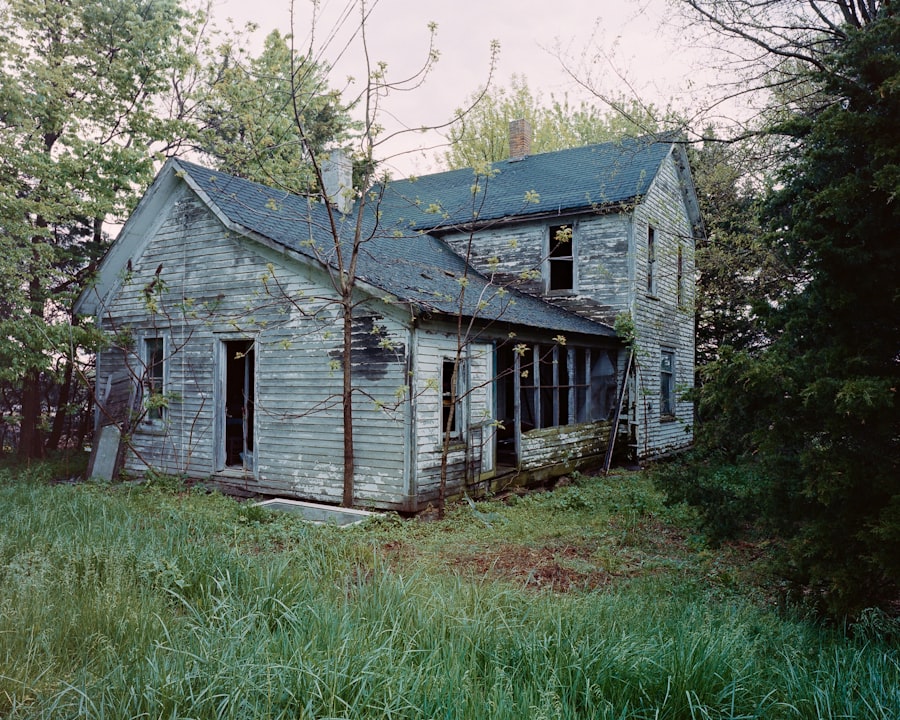
When property disputes escalate beyond what can be resolved through communication alone, seeking legal advice becomes a necessary step. I’ve found that consulting with a knowledgeable attorney can provide clarity on my rights and options. Legal professionals can help me understand the complexities of property law and guide me through the process of resolving disputes effectively.
They can also assist in drafting agreements that protect my interests while considering the needs of other parties involved. Mediation is another valuable tool I’ve encountered in resolving property disputes. This process involves a neutral third party who facilitates discussions between disputing parties, helping them reach a mutually agreeable solution.
I appreciate mediation because it allows for more flexible outcomes than traditional litigation, which can be lengthy and costly. Through mediation, I’ve seen families come together to negotiate terms that respect everyone’s interests while preserving relationships. It’s a reminder that collaboration often leads to better results than confrontation.
Establishing Clear Boundaries and Expectations
Establishing clear boundaries and expectations is crucial in preventing property disputes from arising in the first place. I’ve learned that having open discussions about how property will be used or maintained can prevent misunderstandings down the line. For instance, if multiple family members are involved in managing an inherited property, it’s essential to outline each person’s responsibilities clearly.
By doing so, everyone knows what is expected of them, reducing the likelihood of conflict. Moreover, I find it helpful to document these agreements formally. Whether it’s a written contract or a simple email summarizing our discussions, having a record of our expectations can serve as a reference point if disagreements arise later.
This practice not only clarifies roles but also reinforces accountability among all parties involved. By taking these proactive steps, I feel more confident in navigating potential disputes and fostering a cooperative environment.
Documenting Agreements and Transactions
| Metric | Description | Typical Range/Value | Notes |
|---|---|---|---|
| Average Duration | Time taken to resolve a property dispute with a family member | 6 months to 3 years | Varies based on complexity and jurisdiction |
| Common Causes | Primary reasons for disputes | Inheritance issues, unclear ownership, unequal distribution | Often linked to lack of legal documentation |
| Resolution Methods | Ways disputes are typically resolved | Mediation, Arbitration, Court Litigation | Mediation preferred for preserving family relationships |
| Success Rate of Mediation | Percentage of disputes resolved through mediation | 60% – 80% | Depends on willingness of parties to cooperate |
| Legal Costs | Typical legal expenses involved | Varies widely | Costs increase with court involvement and duration |
| Emotional Impact | Effect on family relationships | High | Disputes often cause long-term strain |
| Preventive Measures | Steps to avoid disputes | Clear wills, property agreements, open communication | Legal documentation is key |
In my experience, documenting agreements and transactions related to property is one of the most effective ways to prevent disputes from escalating. Whenever I enter into an agreement with family members regarding property use or management, I make it a point to put everything in writing. This documentation serves as a tangible record of our discussions and decisions, which can be invaluable if disagreements arise later on.
I’ve also found that keeping detailed records of any financial transactions related to the property is essential. Whether it’s maintenance costs, rental income, or expenses incurred during renovations, having clear documentation helps ensure transparency among all parties involved. This practice not only protects my interests but also fosters trust within the family.
Considering the Emotional Impact of Property Disputes

Navigating property disputes often involves more than just legal and financial considerations; it also requires acknowledging the emotional impact these conflicts can have on individuals and families. I’ve seen firsthand how disputes over property can evoke feelings of anger, betrayal, and sadness, especially when family dynamics are involved. Recognizing these emotions is crucial for me as I work towards resolution because it allows me to approach discussions with sensitivity and understanding.
I’ve learned that addressing the emotional aspects of property disputes can lead to more constructive conversations. For instance, when discussing a contentious issue, I try to acknowledge the feelings at play rather than dismissing them as irrelevant. By validating each person’s emotions, I create an atmosphere where everyone feels respected and understood.
This approach not only helps in resolving the immediate dispute but also strengthens family bonds in the long run.
Exploring Options for Property Division
When it comes to dividing property among family members or co-owners, exploring various options is essential for finding a fair solution. In my experience, there are several approaches to consider, depending on the specific circumstances of the dispute. One option is selling the property and dividing the proceeds among all parties involved.
This approach can be particularly effective when maintaining joint ownership is no longer feasible or desirable. Another option I’ve encountered is creating a co-ownership agreement that outlines how the property will be used and maintained moving forward. This agreement can specify details such as how expenses will be shared and how decisions will be made regarding the property’s future.
By exploring these options collaboratively with all parties involved, I find that we can often reach a solution that respects everyone’s interests while minimizing conflict.
Resolving Inherited Property Disputes
Inherited property disputes can be particularly challenging due to the emotional ties individuals have to their family legacies. In my experience, these disputes often arise when family members have differing opinions on how to manage or divide inherited assets. To navigate this sensitive terrain, I’ve found it helpful to approach discussions with compassion and an understanding of each person’s perspective.
One strategy I’ve employed is to encourage open dialogue about each family member’s wishes regarding the inherited property. By allowing everyone to express their thoughts and feelings about what they hope for the future of the property, we can identify common ground and work towards a resolution that honors our shared history while addressing individual needs. This collaborative approach not only helps in resolving disputes but also fosters a sense of unity among family members during a challenging time.
Handling Financial Responsibilities and Obligations
Financial responsibilities associated with property ownership can often lead to disputes if not addressed proactively. In my experience, it’s crucial for all parties involved to have a clear understanding of their financial obligations related to the property. This includes expenses such as mortgage payments, property taxes, maintenance costs, and insurance premiums.
To avoid misunderstandings, I make it a point to discuss these financial responsibilities openly with all co-owners or family members involved in managing the property. By establishing a shared understanding of who is responsible for what expenses, we can prevent conflicts from arising later on. Additionally, keeping detailed records of all financial transactions related to the property helps ensure transparency and accountability among all parties involved.
Creating a Plan for Future Property Management
Creating a comprehensive plan for future property management is essential for preventing disputes from arising down the line. In my experience, this plan should outline how decisions will be made regarding the property’s use, maintenance, and any potential changes in ownership structure. By establishing clear guidelines for how we will manage the property together, we can minimize misunderstandings and conflicts.
I’ve found that involving all parties in this planning process fosters a sense of ownership and commitment among everyone involved. By discussing our goals for the property and how we envision its future, we can create a shared vision that aligns with each person’s interests. This collaborative approach not only strengthens our relationships but also sets us up for success in managing the property effectively.
Maintaining Healthy Relationships Throughout the Process
Throughout any property dispute resolution process, maintaining healthy relationships should always be a priority for me. I’ve learned that conflicts over property can strain familial bonds if not handled with care and respect. To navigate this delicate balance, I strive to approach discussions with empathy and understanding while remaining focused on finding solutions rather than assigning blame.
I also make an effort to celebrate small victories along the way—whether it’s reaching an agreement on a specific issue or simply having an open conversation without conflict. Acknowledging these moments helps reinforce positive interactions among family members and reminds us all of our shared goals: preserving relationships while resolving disputes effectively. By prioritizing healthy communication and mutual respect throughout this process, I believe we can emerge stronger as a family despite any challenges we may face regarding property matters.
In the context of property disputes among family members, it is essential to understand the legal implications and potential resolutions. A related article that delves into this topic can be found at amiwronghere.
com/sample-page/’>this link, which provides insights into navigating familial conflicts over property ownership and the importance of clear communication and legal guidance.
📌WATCH THIS! They Tried to Steal My House, So I Made the City Tear It Down
FAQs
What is a property dispute with a family member?
A property dispute with a family member refers to a disagreement or conflict over ownership, use, or division of property among relatives. This can involve real estate, personal belongings, or inherited assets.
What are common causes of property disputes within families?
Common causes include unclear or contested wills, unequal distribution of inheritance, disagreements over property management, lack of proper documentation, and misunderstandings about ownership rights.
How can property disputes with family members be resolved?
Disputes can be resolved through negotiation, mediation, arbitration, or, if necessary, legal action in court. Open communication and seeking professional legal advice often help in reaching an amicable solution.
Is it necessary to have a written agreement for family property ownership?
Yes, having a written agreement or clear documentation regarding property ownership and rights helps prevent misunderstandings and provides legal clarity in case of disputes.
Can a verbal agreement about property be legally binding among family members?
While verbal agreements can sometimes be legally binding, they are difficult to prove and enforce. It is advisable to have all property agreements documented in writing.
What role does a will play in preventing property disputes?
A will clearly outlines the distribution of property after a person’s death, reducing ambiguity and potential conflicts among heirs. Properly drafted wills are crucial in preventing disputes.
What should I do if I am involved in a property dispute with a family member?
Seek legal advice to understand your rights and options. Attempt to communicate and negotiate with the other party, and consider mediation before pursuing litigation.
Can family property disputes affect relationships permanently?
Yes, property disputes can strain or damage family relationships. It is important to handle such conflicts sensitively and seek resolution methods that preserve family ties.
Are there legal time limits to file a property dispute claim?
Yes, there are statutes of limitations that vary by jurisdiction, which set deadlines for filing property dispute claims. It is important to act promptly and consult a lawyer to avoid losing legal rights.
What documents are important to gather in a family property dispute?
Important documents include property deeds, wills, trusts, purchase agreements, tax records, and any written agreements related to the property. These help establish ownership and rights.