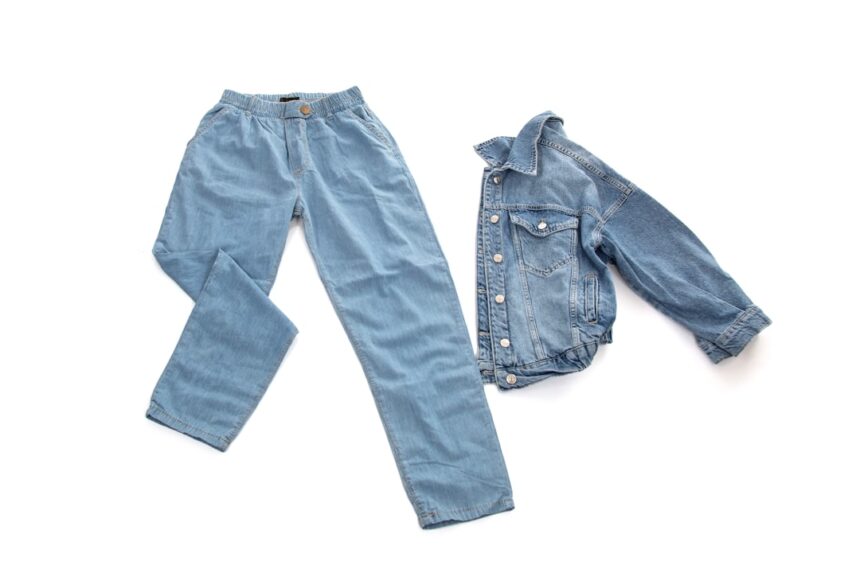
I’ve always been drawn to the quiet confidence of neutral colors in my wardrobe. While vibrant hues have their place, I find myself consistently returning to the reliable embrace of grays and beiges season after season. It’s not about a lack of imagination; rather, it’s about a deliberate appreciation for the enduring presence and multifaceted utility of these foundational shades. They are, in my experience, the bedrock of a well-considered wardrobe, offering a subtle power that transcends fleeting trends.
The appeal of neutral grays and beiges lies in their inherent versatility and understated elegance. Unlike bolder colors that demand attention, these shades offer a calm assurance. They don’t shout; they simply are. This allows them to blend seamlessly with nearly any other color, acting as a sophisticated canvas or a grounding element in an ensemble. For me, this translates to fewer decisions in the morning and a greater sense of preparedness for whatever the day might bring.
Why Neutrals Work in Any Situation
There’s a reason why so many professional environments favor neutral tones. They project an image of seriousness, professionalism, and a certain degree of maturity. When I’m dressing for an important meeting or an event where I want to be taken seriously, my go-to pieces are often in shades of charcoal, dove gray, or a warm taupe. This isn’t about conformity; it’s about presenting myself in a way that allows my contributions, rather than my clothing, to be the primary focus.
Beyond the professional sphere, neutrals provide a sense of polish that is equally effective in casual settings. A well-fitting pair of beige chinos can elevate a simple t-shirt, and a soft gray knit sweater adds a touch of refinement to jeans. This adaptability means I can often wear the same pieces for a variety of occasions, simply by altering the accompanying accessories or other garments.
Building a Foundation of Trustworthy Hues
My wardrobe isn’t built overnight, but the core of it is undeniably composed of these neutral essentials. I’ve found that when I invest in quality pieces in shades of gray and beige, they tend to last longer, both in terms of fabric wear and aesthetic relevance. They become the pieces I reach for instinctively, knowing they will always look good and complement the rest of my collection. This builds a kind of trust in my own sartorial choices.
For those interested in exploring the latest trends in neutral grays and beiges clothing, a related article can provide valuable insights into how to style these versatile colors effectively. The article discusses various outfit combinations and accessories that complement neutral tones, making it a perfect read for fashion enthusiasts. You can check it out here: Neutral Tones: Styling Grays and Beiges.
The Spectrum of Grays: From Soot to Silver
Grays, in particular, offer a surprisingly broad range of expression. They can be cool and almost metallic, or warm and reminiscent of stone or earth. This variability means there’s a gray to suit almost any skin tone and personal preference. I’ve come to appreciate the subtle nuances within this shade, realizing that the difference between a cool slate gray and a warmer charcoal can significantly alter the overall feel of an outfit.
Cool Grays: The Understated Sophisticate
Cool grays, those with a bluer undertone, possess a crisp, modern quality. They remind me of winter skies or polished concrete. I find these shades particularly effective in sharper silhouettes, such as a well-tailored blazer or a sleek pencil skirt. They have a clean, almost architectural feel that I find very appealing.
Charcoal: The Deepest Form
Charcoal is, for me, the quintessence of this cool gray spectrum. It’s a deep, rich shade that offers the gravitas of black without the starkness. A charcoal wool coat is an investment piece that serves me exceptionally well, providing warmth and an undeniable sense of polish. It can anchor brightly colored scarves or statement jewelry, allowing those elements to truly pop against its dark backdrop.
Dove Gray: The Soft Embrace
Dove gray, on the other hand, offers a gentler, more approachable feel. It’s lighter, carrying a subtle softness that can make an outfit feel less severe. I often opt for dove gray in knitwear or softer suiting fabrics. It’s a shade that feels perpetually chic, whether I’m wearing it in a chunky cable knit or a fine-gauge cashmere sweater.
Warm Grays: The Earthy Anchor
Warm grays, those with hints of brown or yellow, are an excellent bridge between true grays and beiges. They evoke natural elements like stone, dry earth, or even weathered wood. These shades have a grounding effect that I find incredibly comforting.
Slate Gray: The Textured Neutral
Slate gray, with its subtle variations and often matte finish, offers a more textured take on the cool gray family. It’s a shade that feels effortlessly grounded and sophisticated, particularly in fabrics like wool or linen. I find it to be a particularly successful alternative to black for trousers or outerwear, offering a softer yet equally authoritative presence.
Ash Gray: The Muted Elegance
Ash gray, a more muted and desaturated shade, possesses an understated elegance. It’s a neutral that doesn’t compete for attention but rather subtly enhances the overall look. I find it to be exceptionally versatile, appearing in everything from casual tees to more formal shirting.
The Enduring Charm of Beiges: From Sand to Sienna

Beiges, much like grays, offer a delightful spectrum that ranges from pale, almost white, tones to deeper, earthier hues. They evoke warmth, natural materials, and a sense of relaxed sophistication. My appreciation for beige has grown over the years, as I’ve come to understand its ability to add a touch of natural beauty to any ensemble.
Light Beiges: The Subtle Illuminator
Lighter beiges can have a brightening effect, almost like a soft-focus lens for an outfit. They are reminiscent of sand, cream, or even undyed linen. I find these shades particularly effective in warmer weather, as they reflect light and contribute to a sense of airiness.
Cream: The Gentle Start
Cream is a wonderfully versatile shade that offers a softer alternative to stark white. It has a subtle warmth that makes it more approachable and flattering for many skin tones. I often find myself choosing cream-colored blouses or lightweight knitwear for a touch of understated luxury.
Khaki: The Practical Classic
Khaki, a more practical and robust shade of beige, is a staple in my wardrobe. It’s a color associated with utility and adventure, but in well-cut garments, it projects an undeniable sense of understated style. My collection of khaki trousers are some of the most worn and most appreciated items I own.
Mid-Toned Beiges: The Versatile Middle Ground
Mid-toned beiges offer a balanced and universally flattering option. They are not too light as to feel washed out, nor too dark as to be overwhelming. These are the workhorses of the beige family, capable of adapting to a wide range of combinations.
Camel: The Timeless Elegance
Camel is, for me, the epitome of timeless elegance. It’s a rich, warm beige that exudes a sense of luxury and sophistication. A camel coat is an investment that pays dividends year after year. It elevates any outfit, from jeans and a t-shirt to a more formal dress. I find its warmth makes it particularly effective in cooler months.
Taupe: The Complex Neutral
Taupe, a shade that often contains hints of both gray and brown, is a wonderfully complex neutral. It’s not quite gray, not quite brown, and possesses a sophisticated ambiguity that I find very appealing. Taupe knitwear or suiting can add an unexpected depth to an outfit.
Darker Beiges: The Earthy Richness
Darker beiges bring a sense of richness and grounding to the palette. They are closer to browns but retain that characteristic softness that makes them so adaptable. I find these shades particularly effective for outerwear or more substantial garments.
Sienna: The Warm Undertone
Sienna, with its reddish-brown undertones, offers a richer, more robust take on beige. It’s a color that feels earthy and grounded, and I find it particularly effective in autumn collections. A sienna-colored trench coat or a pair of suede boots can add a beautiful warmth to my seasonal attire.
Muted Brown: The Subdued Depth
Muted browns, while technically within the brown family, often have enough beige-like qualities to be considered in this context. They offer a deep, subdued richness that can be incredibly sophisticated. I’ve found that a well-fitting pair of dark brown trousers can be as versatile as a black pair, offering a slightly softer approach.
The Synergy of Grays and Beiges: Creating Harmonious Outfits
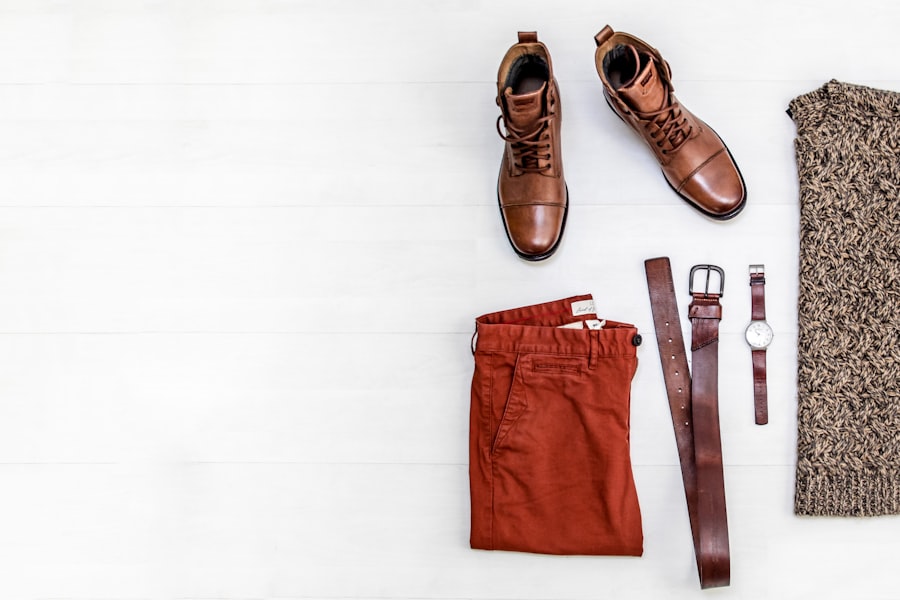
The true magic of neutral grays and beiges lies in their ability to be combined with each other and with other colors. They don’t compete; they collaborate. This allows for a vast array of outfit possibilities, from monochromatic explorations to subtle color pairings.
Monochromatic Magic: Playing with Texture and Shade
One of my favorite sartorial exercises is creating monochromatic outfits using different shades of gray and beige. The key to making this approach work is to introduce variation in texture. A chunky knit gray sweater paired with slim-fit charcoal trousers, for example, creates visual interest through the contrast in fabric.
Textural Contrast in Grays
When I build an outfit from various grays, I always consider the texture of each piece. A smooth silk blouse in dove gray paired with a ribbed knit scarf in a slightly darker gray, for instance, will create a more dynamic look than if both pieces were of the same fabric. This adds depth without the need for clashing colors.
Layering Beiges for Depth
Similarly, when layering different shades of beige, texture is paramount. A linen shirt in a light khaki can be layered under a chunky wool sweater in camel. The difference in weave and weight adds a subtle but significant visual appeal, preventing the outfit from feeling flat.
The Art of Blending: Pairing Neutrals with Color
Grays and beiges are not just for solitary confinement; they are excellent companions to color. They act as sophisticated backdrops, allowing bolder hues to shine without overwhelming the overall aesthetic.
Grays as a Canvas for Brights
A charcoal gray skirt or a dove gray blazer can provide the perfect canvas for a vibrant fuchsia top or a bright emerald green scarf. The neutral shade grounds the bolder color, making it feel more intentional and less jarring. I find this approach to be particularly effective for adding a pop of personality to professional attire.
Beiges as a Harmonizing Partner
Beiges, with their inherent warmth, tend to harmonize beautifully with a wide range of colors. A camel coat, for example, can soften the intensity of a royal blue dress or a bold red sweater. They create a sense of calm and balance, making even the most vibrant colors feel more palatable.
The Power of a Neutral Color Palette
My commitment to neutral grays and beiges isn’t about limiting my options; it’s about expanding them through thoughtful curation. By focusing on these foundational colors, I’ve discovered a greater freedom in my dressing habits. It’s a quiet rebellion against the constant pressure to chase trends and a celebration of enduring style.
In the world of fashion, the trend of neutral grays and beiges has gained significant popularity, particularly in creating a minimalist aesthetic that is both chic and versatile. For those looking to explore this style further, a related article offers insights into how to effectively incorporate these muted tones into your wardrobe. You can read more about this trend and its impact on modern fashion by visiting this article, which provides tips on styling and pairing these colors for various occasions.
Essential Garments: The Cornerstones of a Neutral Wardrobe
| Category | Metrics |
|---|---|
| Color | Neutral grays and beiges |
| Clothing Style | Thumbnail |
Certain garments, when rendered in shades of gray and beige, become indispensable. These are the pieces I rely on to build a cohesive and functional wardrobe, the true workhorses that make outfit creation a streamlined process.
The Impeccable Gray Blazer
A well-fitting gray blazer is, in my opinion, one of the most versatile pieces of clothing one can own. It can instantly elevate jeans and a t-shirt for a smart-casual look, or provide a polished finish to a dress or skirt for a more formal occasion. My preference leans towards charcoal or a mid-tone slate gray, as these shades offer gravitas without being as absolute as black.
The Versatility of a Charcoal Blazer
This piece has seen me through countless client meetings, networking events, and even informal dinners. It’s the kind of garment that, when worn, immediately instills a sense of preparedness and confidence. I often pair it with lighter gray trousers for a monochromatic look, or with deep navy or even a muted burgundy for a more unexpected combination.
The Timeless Beige Trench Coat
The beige trench coat is another icon of timeless style. Its inherent practicality, with its water-resistant fabric and practical pockets, is matched by its undeniable chic. A classic camel or a lighter khaki shade is my preference, as they feel perpetually relevant.
When to Reach for the Trench
This is my go-to outerwear for transitional seasons. It’s sophisticated enough for dressier occasions but casual enough to throw over a weekend outfit. I find that the structured silhouette of a trench coat can add a sense of polish to even the most relaxed ensembles.
The Staple Gray or Beige Trousers
A good pair of trousers in either gray or beige is fundamental. Whether it’s a slim-fit charcoal suit pant, a relaxed-fit khaki chino, or a wide-leg dove gray wool trouser, these are the pieces that anchor the lower half of many of my outfits.
Investing in Quality Fits
The fit of trousers is paramount, and I’ve learned to invest in tailoring when necessary. A perfectly fitting pair in a neutral shade feels effortlessly chic and can be dressed up or down with ease. My collection includes everything from sharp wool trousers for work to more casual linen blends for warmer days.
The Cozy Neutral Knitwear
From fine-gauge cashmere sweaters to chunky wool cardigans, knitwear in neutral shades is a cornerstone of my comfort and style. These pieces are not only warm but also add a welcome layer of texture to any outfit.
The Ubiquitous Gray Sweater
A simple gray crew-neck sweater is a workhorse. It pairs effortlessly with almost anything in my wardrobe. I own them in various shades of gray, from a light heather to a deep charcoal, and in different weights for varying temperatures.
The Warmth of a Camel Cardigan
A camel cardigan offers a touch of relaxed elegance. It’s perfect for layering over dresses, skirts, or trousers. The warmth of the color adds a welcoming feel, and the neutral shade means it complements a wide spectrum of other colors.
Maintaining the Integrity of Your Neutrals: Care and Longevity
The enduring appeal of grays and beiges is partly due to their ability to withstand the rigors of daily wear. However, proper care is essential to ensure these pieces maintain their intended shade and fabric integrity for years to come.
Gentle Washing Techniques
When it comes to washing neutral garments, particularly those made from delicate fabrics like wool or cashmere, gentle is key. I always opt for hand-washing or using a delicate cycle on my machine with a mild detergent. This helps to prevent shrinkage, fading, and pilling.
Cold Water is Your Friend
For most neutral items, washing in cold water is the best practice. It helps to preserve the dye and prevent colors from bleeding into one another. This is especially important for lighter shades of beige and gray, where any discoloration would be highly noticeable.
Stain Removal Without Compromise
Accidents happen, and dealing with stains on neutral clothing requires a careful approach. My first line of defense is usually to blot the stain gently with a clean cloth and cool water. For more stubborn marks, I’ll consider a specialized stain remover, always testing it on an inconspicuous area first.
Targeted Treatments for Specific Stains
Different stains require different treatments. For grease stains, I might use talcum powder to absorb the oil. For ink stains, rubbing alcohol can be effective. The key is to be informed about the type of stain and the appropriate removal method to avoid damaging the fabric or altering the color.
Proper Storage for Preservation
How you store your neutral garments plays a significant role in their longevity. Folding items like sweaters can prevent stretching, while hanging structured pieces like blazers and trousers can help them retain their shape.
The Importance of Breathable Storage
I always store my clothing in a cool, dry, and well-ventilated area. Using breathable garment bags made of cotton or canvas is preferable to plastic, as it allows air to circulate and prevents moisture buildup, which can lead to mildew and damage.
Avoiding Direct Sunlight
Direct sunlight can cause colors to fade over time, even with seemingly stable neutral shades. I ensure that my wardrobe is stored away from windows and direct light sources to maintain the integrity of the colors.
The Personal Philosophy: Embracing Enduring Style
My journey with neutral grays and beiges has been a process of discovery and refinement. It’s about recognizing the quiet power of these colors and harnessing their versatility to create a wardrobe that is both functional and aesthetically pleasing. It’s not about adhering to rigid rules, but about understanding the principles of good design and applying them to my personal style.
A Conscious Approach to Wardrobe Building
Instead of impulsively buying items based on fleeting trends, I’ve learned to be more deliberate in my purchases. I ask myself how a new garment will integrate with my existing collection, and whether its neutral hue will provide lasting value. This conscious approach has led to a more curated and intentional wardrobe.
The Freedom in Simplicity
There’s a profound freedom in embracing a simpler color palette. It reduces decision fatigue and allows me to focus on other aspects of my life. When I know that most of my wardrobe pieces will work together, getting dressed becomes a more enjoyable and less stressful experience.
Beyond Trends: Building a Legacy Wardrobe
The pieces I choose in grays and beiges are not just for this season; they are intended to be worn and loved for years to come. This philosophy of building a legacy wardrobe is deeply satisfying. It’s about investing in quality and timelessness, creating a collection that reflects my personal style and evolves with me. My neutral essentials are the quiet anchors in this ongoing sartorial narrative.
FAQs
What are neutral grays and beiges in clothing?
Neutral grays and beiges are colors that are considered to be neutral because they do not have a strong undertone of any other color. They are often used as a base or foundation for outfits and can be easily paired with other colors and patterns.
What is the style of clothing associated with neutral grays and beiges?
The style associated with neutral grays and beiges is often considered to be minimalist, classic, and timeless. These colors are often used in wardrobe staples such as blazers, trousers, and sweaters, and are popular in both casual and professional settings.
How can neutral grays and beiges be incorporated into a wardrobe?
Neutral grays and beiges can be incorporated into a wardrobe by investing in key pieces such as a tailored blazer, a versatile pair of trousers, a classic trench coat, and simple knitwear. These pieces can be mixed and matched with other colors and patterns to create a variety of looks.
What are the benefits of wearing neutral grays and beiges?
Wearing neutral grays and beiges can provide a polished and sophisticated look. These colors are also versatile and can easily transition from season to season. Additionally, they can serve as a foundation for building a cohesive and timeless wardrobe.
Are there any tips for styling neutral grays and beiges?
When styling neutral grays and beiges, it’s important to pay attention to fit and silhouette. Tailored pieces in these colors can create a sleek and polished look. Additionally, incorporating different textures and accessories can add interest and depth to an outfit.