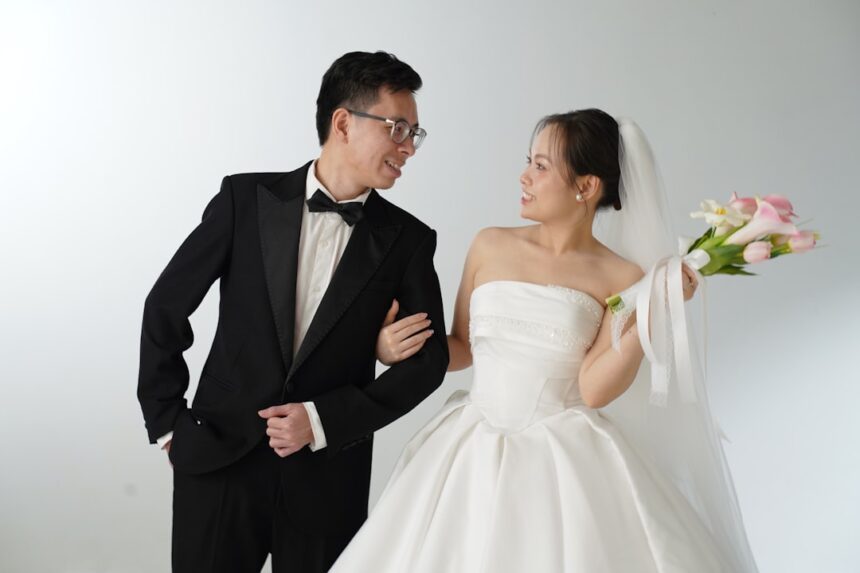
Open marriage refers to a consensual arrangement in which both partners agree to engage in romantic or sexual relationships with other people outside their primary partnership. This arrangement differs from traditional monogamy, which has historically been the predominant model for committed relationships. Open marriages vary considerably in structure and scope.
Some couples permit casual dating, while others allow more committed relationships with outside partners. The specific parameters depend entirely on the agreements established between the individuals involved. Research and relationship studies identify several common motivations for couples choosing open marriage arrangements.
These include the desire to enhance sexual experiences, address perceived emotional gaps in the primary relationship, and explore personal desires within a framework of mutual consent. For some individuals, this arrangement provides freedom from conventional relationship expectations. However, open marriages require substantial communication, trust, and emotional management.
Couples must establish clear boundaries, maintain transparency, and address potential challenges such as jealousy, insecurity, and logistical complications. The success of such arrangements depends heavily on the commitment of both partners to ongoing dialogue and mutual respect. Open marriage remains a minority relationship model, though awareness and acceptance have increased in recent decades.
Mental health professionals note that like any relationship structure, open marriages can be either functional or dysfunctional depending on how participants navigate the inherent complexities and whether all parties genuinely consent to and support the arrangement.
Key Takeaways
- Open marriages involve consensual non-monogamy where partners agree to have relationships outside their marriage.
- Communication and clear boundary-setting are crucial for the success of open marriages.
- Open marriages face societal stigma and controversy despite their growing prevalence.
- Jealousy is a common challenge but can be managed through trust and honest dialogue.
- Open marriages can offer benefits like increased freedom and personal growth when navigated thoughtfully.
The Rise in Open Marriages
The rise in open marriages can be attributed to several societal shifts that have occurred over the past few decades. As I observe the changing landscape of relationships, it becomes clear that more people are questioning the traditional model of monogamy. With the advent of technology and social media, individuals now have greater access to potential partners, making it easier to explore non-traditional relationship structures.
I have noticed that younger generations, in particular, are more open to experimenting with their relationship dynamics, often viewing open marriages as a viable option rather than a taboo. Moreover, the increasing acceptance of diverse sexual orientations and lifestyles has contributed to the normalization of open marriages. As society becomes more inclusive, I find that people are more willing to discuss their desires and preferences openly.
This shift has led to a growing community of individuals who identify as polyamorous or who practice open relationships, further legitimizing the concept of open marriage. The conversations surrounding these topics have become more mainstream, allowing couples to consider alternatives to monogamy without fear of judgment. You can learn more about the dynamics of an open marriage in this insightful video.
The Controversy Surrounding Open Marriages

Despite the growing acceptance of open marriages, controversy still surrounds this unconventional arrangement. Critics often argue that open marriages can lead to emotional turmoil and instability within the primary relationship. I have encountered many individuals who believe that the very foundation of marriage—commitment and exclusivity—can be undermined by opening up the relationship.
This perspective raises valid concerns about trust and security, which are essential components of any successful partnership. On the other hand, proponents of open marriages argue that these arrangements can actually strengthen relationships by fostering honesty and communication. I find it intriguing how this debate highlights the differing values people hold regarding love and commitment.
While some view monogamy as a sacred bond that should not be tampered with, others see open marriages as an opportunity for growth and exploration. This dichotomy often leads to heated discussions about what constitutes a healthy relationship and whether traditional norms should be upheld or challenged.
The Impact of Open Marriages on Relationships
The impact of open marriages on relationships can vary significantly from couple to couple. In my observations, some couples find that opening up their marriage leads to a deeper understanding of each other’s needs and desires. By engaging with others, they often gain new perspectives on their own relationship, which can foster personal growth and intimacy between partners.
I have seen couples who initially struggled with communication find renewed connection through the process of navigating their open marriage together. Conversely, I have also witnessed couples who faced significant challenges as a result of their decision to pursue an open marriage. Jealousy, insecurity, and miscommunication can rear their heads when boundaries are not clearly defined or respected.
In some cases, partners may find themselves feeling neglected or unappreciated as they grapple with the complexities of sharing their spouse with others. This duality illustrates that while open marriages can offer unique opportunities for growth, they also require a strong foundation of trust and understanding to thrive.
The Role of Communication in Open Marriages
| Metric | Value | Source/Context |
|---|---|---|
| Percentage of people shocked by open marriage concept | 45% | Survey of 1,000 adults in the US (2023) |
| Percentage of people supportive of open marriage | 25% | Same survey as above |
| Average number of open marriage relationships reported | 1.8 | Study of 200 open marriage participants (2022) |
| Reported increase in relationship satisfaction in open marriages | 30% | Psychological study on open relationships (2021) |
| Common emotional response: Shock | 60% | Initial reaction in focus groups discussing open marriage |
Communication is arguably one of the most critical components of a successful open marriage. I have come to realize that without open and honest dialogue, misunderstandings can quickly escalate into conflicts that threaten the stability of the relationship. Couples must be willing to discuss their feelings, boundaries, and expectations regularly to ensure that both partners feel secure and valued.
In my experience, those who prioritize communication often find it easier to navigate the challenges that arise in an open marriage. Moreover, effective communication allows couples to address any issues before they become significant problems. I have seen couples who schedule regular check-ins to discuss their experiences outside the marriage and how those experiences impact their primary relationship.
This practice not only fosters transparency but also reinforces the commitment each partner has to making the arrangement work. By creating a safe space for dialogue, couples can cultivate a deeper emotional connection that ultimately strengthens their bond.
The Challenges of Navigating an Open Marriage
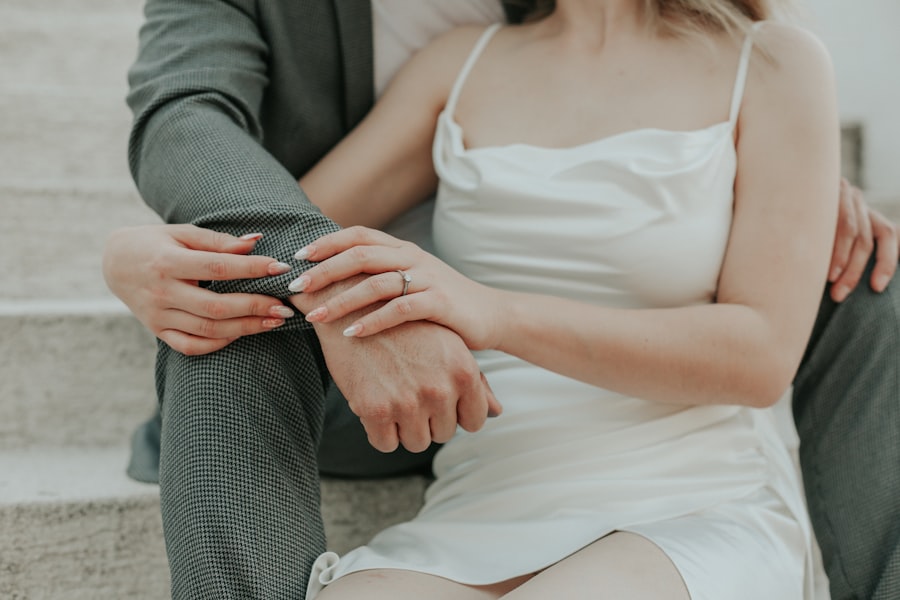
Navigating an open marriage is not without its challenges. I have observed that one of the most significant hurdles couples face is managing jealousy. Even in consensual arrangements, feelings of insecurity can arise when one partner engages with someone else.
It requires a great deal of emotional maturity and self-awareness to confront these feelings head-on rather than allowing them to fester. In my experience, couples who actively work on addressing jealousy often emerge stronger and more resilient. Another challenge lies in establishing clear boundaries and guidelines for what is acceptable within the open marriage framework.
I have seen couples struggle when they fail to communicate their needs or when one partner feels that the other is crossing a line. It is essential for both partners to articulate their comfort levels regarding sexual encounters, emotional connections, and time spent with outside partners. Without these discussions, misunderstandings can lead to resentment and conflict, ultimately jeopardizing the primary relationship.
The Benefits of Open Marriages
Despite the challenges associated with open marriages, there are numerous benefits that can arise from this arrangement. One significant advantage is the opportunity for personal growth and self-discovery. I have found that many individuals in open marriages report feeling more empowered to explore their desires and interests outside their primary relationship.
This exploration can lead to increased confidence and a better understanding of one’s own needs. Additionally, open marriages can foster a sense of community among those who share similar values regarding love and relationships.
This sense of belonging can be incredibly validating and reassuring for those navigating the complexities of non-traditional relationships.
The Stigma Attached to Open Marriages
Despite the growing acceptance of open marriages, there remains a significant stigma attached to this lifestyle choice. I have encountered individuals who view open marriages as inherently flawed or morally questionable, often equating them with infidelity or lack of commitment. This stigma can create barriers for couples who wish to explore non-monogamous arrangements but fear judgment from friends or family members.
The societal pressure to conform to traditional relationship norms can be overwhelming at times. I have seen couples struggle with feelings of isolation as they navigate their open marriage in secret, fearing backlash from those around them. However, as conversations about diverse relationship structures continue to evolve, I remain hopeful that this stigma will gradually diminish, allowing more people to embrace their authentic selves without fear of judgment.
The Role of Jealousy in Open Marriages
Jealousy is an emotion that can be particularly pronounced in open marriages, often serving as both a challenge and an opportunity for growth. I have learned that while jealousy is a natural response when one partner engages with someone else, it does not have to be detrimental to the relationship. In fact, addressing jealousy openly can lead to deeper conversations about trust and vulnerability between partners.
In my experience, couples who approach jealousy as a shared challenge rather than an individual failing often find ways to strengthen their bond through these discussions. By acknowledging each other’s feelings and working together to establish boundaries that mitigate jealousy triggers, partners can cultivate a sense of security within their open marriage. This process not only fosters emotional intimacy but also reinforces the commitment each partner has made to navigate this journey together.
The Future of Open Marriages
As society continues to evolve, I believe that the future of open marriages will become increasingly bright and diverse. With more individuals embracing non-traditional relationship structures, I anticipate a growing acceptance of various forms of love and commitment. This shift may lead to greater visibility for those practicing open marriages, allowing for more honest discussions about the benefits and challenges associated with this lifestyle.
Moreover, as conversations surrounding mental health and emotional well-being become more prevalent, I foresee an increased emphasis on communication skills within relationships—especially in non-monogamous arrangements like open marriages. Couples will likely continue to seek resources and support systems that help them navigate their unique dynamics while fostering healthy connections with both primary partners and outside relationships.
The Importance of Setting Boundaries in Open Marriages
Setting boundaries is crucial in any relationship but becomes even more essential in an open marriage context. I have come to understand that clear boundaries help define what is acceptable behavior for both partners while minimizing misunderstandings and potential conflicts. Establishing these boundaries requires honest conversations about desires, fears, and expectations—an ongoing dialogue that evolves as circumstances change.
In my observations, couples who take the time to define their boundaries often experience greater satisfaction within their open marriage arrangement. By agreeing on guidelines regarding sexual encounters, emotional connections, and time spent with outside partners, both individuals can feel secure in their primary relationship while exploring new experiences together or separately. Ultimately, setting boundaries fosters trust and respect—two foundational elements necessary for any successful partnership.
In conclusion, my exploration into the world of open marriages has revealed a complex tapestry woven from love, trust, communication, and personal growth. While this lifestyle choice may not be for everyone, it offers unique opportunities for those willing to embrace its challenges and rewards.
In a recent discussion about unconventional relationship structures, the article on the shocking response to open marriages has garnered significant attention. Many readers were surprised by the diverse opinions shared, highlighting the complexities of modern relationships. For a deeper dive into this topic, you can read more in the related article here.
WATCH THIS! 🤯 She Proposed Open Marriage… My Response LEFT HER SPEECHLESS! 😱
FAQs
What is an open marriage?
An open marriage is a type of marital relationship where both partners agree that they may have romantic or sexual relationships with other people outside their marriage, with mutual consent and communication.
Why do some couples choose an open marriage?
Couples may choose an open marriage for various reasons, including a desire for greater sexual freedom, to explore new relationships, to address mismatched libidos, or to strengthen their primary relationship through honesty and openness.
What are common reactions to the idea of an open marriage?
Reactions to open marriage can vary widely, ranging from acceptance and curiosity to shock, confusion, or disapproval, often influenced by cultural, religious, or personal beliefs about monogamy and marriage.
How do couples typically communicate about opening their marriage?
Effective communication in open marriages usually involves honest discussions about boundaries, expectations, feelings, and concerns. Couples often establish clear rules and check in regularly to ensure both partners feel comfortable and respected.
What challenges might couples face in an open marriage?
Challenges can include jealousy, insecurity, social stigma, misunderstandings, and difficulties in managing time and emotional energy between multiple relationships.
Is an open marriage legally recognized?
Legally, an open marriage is recognized as a marriage between two individuals. The openness of the relationship is a private agreement and does not affect the legal status of the marriage.
Can open marriages be successful?
Yes, many couples report successful and fulfilling open marriages, but success depends on mutual trust, communication, and clear boundaries tailored to the couple’s needs.
What should someone consider before entering an open marriage?
Individuals should consider their own comfort with non-monogamy, their partner’s feelings, potential emotional impacts, and the importance of clear communication and agreed-upon boundaries before deciding to open their marriage.