
As I delve into the intricacies of prenuptial agreements, I find it essential to grasp their fundamental purpose. A prenuptial agreement, often referred to as a “prenup,” is a legal contract entered into by two individuals before they marry. This document outlines the distribution of assets and responsibilities in the event of a divorce or separation.
It serves as a proactive measure, allowing couples to address financial matters and protect their interests before tying the knot. By establishing clear terms, a prenup can help mitigate potential conflicts and misunderstandings that may arise during a marriage or in the unfortunate event of its dissolution. In my exploration of prenuptial agreements, I also recognize that they can cover a wide range of topics beyond just asset division.
For instance, they may include provisions regarding spousal support, debt responsibilities, and even stipulations about how certain assets will be managed during the marriage. Understanding these nuances is crucial for anyone considering a prenup, as it allows for tailored agreements that reflect the unique circumstances and values of both parties. Ultimately, a well-crafted prenuptial agreement can provide peace of mind, fostering open communication and trust between partners as they embark on their journey together.
Key Takeaways
- Prenuptial agreements require clear understanding and proper legal counsel to ensure enforceability.
- Filing the agreement with the court is a crucial step in formalizing its legal status.
- Courts consider various factors and evidence when enforcing or challenging prenuptial agreements.
- Mediation and settlement attempts are encouraged before proceeding to court litigation.
- Remedies, appeals, and post-judgment relief options exist for disputes related to prenuptial agreements.
The Importance of Legal Counsel
Navigating the complexities of a prenuptial agreement is not something I would recommend doing alone. Seeking legal counsel is paramount to ensure that the agreement is valid, enforceable, and tailored to my specific needs. An experienced attorney can provide invaluable guidance throughout the process, helping me understand the legal implications of various clauses and ensuring that my rights are protected.
They can also assist in negotiating terms that are fair and equitable for both parties, which is essential for fostering a sense of mutual respect and understanding. Moreover, having legal representation can help me avoid common pitfalls that may arise during the drafting of a prenup. For instance, if one party feels pressured or coerced into signing the agreement, it could be deemed invalid in court.
An attorney can help ensure that both parties enter into the agreement voluntarily and with a clear understanding of its terms. Additionally, they can provide insights into state-specific laws that may impact the enforceability of the prenup, allowing me to make informed decisions that align with my long-term goals.
Filing the Prenuptial Agreement with the Court
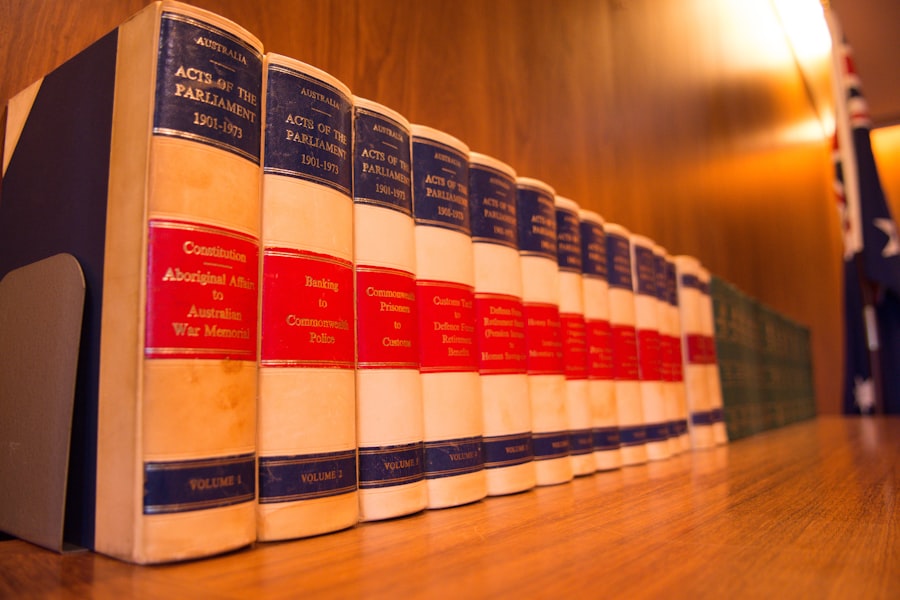
Once I have successfully negotiated and drafted my prenuptial agreement, the next step involves filing it with the appropriate court. While it may not be mandatory in all jurisdictions to file a prenup, doing so can provide an added layer of protection and ensure that the agreement is recognized legally. By submitting the document to the court, I am essentially creating a public record of our intentions regarding asset distribution and other financial matters in the event of a divorce.
Filing the prenup also serves as a safeguard against potential disputes in the future. If my spouse were to contest the validity of the agreement later on, having it filed with the court can bolster my position by demonstrating that we both took the necessary steps to formalize our intentions. Additionally, this process may involve a review by a judge to ensure that the agreement complies with legal standards, further solidifying its enforceability.
Therefore, I view filing as an essential step in solidifying my prenuptial agreement’s legitimacy.
Grounds for Challenging a Prenuptial Agreement
Despite my best efforts to create a solid prenuptial agreement, I must acknowledge that challenges can arise. There are several grounds on which a prenup may be contested in court. One common reason is if one party claims that they were not provided with full financial disclosure before signing the agreement.
Transparency is crucial in these situations; if I were to hide assets or fail to disclose debts, it could render the agreement invalid. Another ground for challenge could be if one party argues that they were coerced or pressured into signing the prenup without fully understanding its implications. This highlights the importance of having independent legal counsel for both parties during the drafting process.
If either party can demonstrate that they did not enter into the agreement voluntarily or with informed consent, it could lead to its unenforceability in court. Understanding these potential challenges helps me appreciate the importance of clarity and fairness in creating a prenuptial agreement.
Mediation and Settlement Attempts
| Metric | Description | Typical Value/Range | Notes |
|---|---|---|---|
| Enforcement Rate | Percentage of prenuptial agreements upheld by courts | 70% – 90% | Varies by jurisdiction and agreement quality |
| Average Time to Resolution | Time taken for courts to decide on enforcement disputes | 3 – 12 months | Depends on court backlog and case complexity |
| Common Grounds for Non-Enforcement | Reasons courts reject prenuptial agreements | Unconscionability, fraud, duress, lack of disclosure | Must be proven by the challenging party |
| Jurisdiction Variability | Differences in enforcement standards across regions | High | Some states/countries have stricter requirements |
| Percentage of Marriages with Prenuptial Agreements | Proportion of couples entering marriage with prenups | 10% – 20% | Higher in second marriages and high-net-worth individuals |
| Legal Costs for Enforcement Disputes | Average cost incurred in court enforcement cases | Varies widely | Can range from a few thousand to tens of thousands |
In cases where disputes arise regarding a prenuptial agreement, mediation can serve as an effective alternative to litigation. I find that mediation allows both parties to engage in open dialogue with a neutral third party who facilitates discussions aimed at reaching a mutually agreeable resolution. This process can be less adversarial than going to court and often results in more amicable outcomes, preserving relationships and reducing emotional stress.
During mediation, I have the opportunity to express my concerns and negotiate terms without the pressure of a courtroom setting. This collaborative approach can lead to creative solutions that may not have been considered otherwise. Additionally, mediation can save time and money compared to lengthy court battles, making it an appealing option for couples seeking to resolve their differences amicably.
Ultimately, I believe that mediation fosters communication and understanding, which are vital components in navigating any disputes related to prenuptial agreements.
Court Procedures for Prenuptial Agreement Enforcement

If mediation fails and I find myself needing to enforce my prenuptial agreement through court proceedings, I must familiarize myself with the relevant procedures. The first step typically involves filing a petition with the court outlining my intent to enforce the prenup and providing evidence supporting its validity. This may include documentation such as financial disclosures, correspondence between parties during negotiations, and any other relevant materials that demonstrate both parties’ understanding and acceptance of the agreement.
Once my petition is filed, the court will schedule a hearing where both parties can present their arguments regarding the enforceability of the prenup. During this process, I must be prepared to articulate why I believe the agreement should be upheld while addressing any challenges raised by my spouse. The judge will then evaluate the evidence presented and make a determination based on applicable laws and precedents.
Understanding these court procedures empowers me to navigate this complex process more effectively.
Evidence and Burden of Proof
In pursuing enforcement of my prenuptial agreement in court, I must recognize that I carry the burden of proof. This means it is my responsibility to provide sufficient evidence demonstrating that the prenup is valid and should be enforced as intended. To meet this burden, I may need to present various forms of evidence, including witness testimonies from individuals who were present during negotiations or who can attest to my spouse’s understanding of the agreement.
Additionally, documentation such as emails or text messages exchanged during discussions about the prenup can serve as valuable evidence supporting my case. It is crucial for me to compile all relevant materials meticulously to strengthen my position in court. The more comprehensive and compelling my evidence is, the greater my chances of successfully enforcing the prenuptial agreement will be.
Factors Considered by the Court
When evaluating whether to enforce a prenuptial agreement, courts consider several factors that may influence their decision. One significant factor is whether both parties entered into the agreement voluntarily and with full knowledge of its implications. If there are indications of coercion or lack of understanding on either side, it could lead to challenges regarding enforceability.
Another critical consideration is whether the terms of the prenup are fair and reasonable at the time of enforcement. Courts often assess whether one party would be left in an unjust position if the prenup were upheld. This means that even if I have a well-drafted agreement, if it disproportionately favors one party over another or leaves one party without adequate support or resources post-divorce, it may be deemed unenforceable by the court.
Potential Remedies for Breach of Prenuptial Agreement
If I find myself in a situation where my spouse breaches our prenuptial agreement, there are potential remedies available through legal channels. One common remedy is seeking specific performance, which means asking the court to enforce the terms of the prenup as originally agreed upon. This could involve compelling my spouse to adhere to asset distribution or financial obligations outlined in our agreement.
Alternatively, I may seek monetary damages if specific performance is not feasible or appropriate in my case. This could involve requesting compensation for losses incurred due to my spouse’s breach of contract. The court will evaluate the circumstances surrounding the breach and determine an appropriate remedy based on applicable laws and precedents.
Appeals and Post-Judgment Relief
In some instances, even after going through court proceedings regarding a prenuptial agreement, I may find myself dissatisfied with the outcome. If I believe that errors were made during the trial or that new evidence has come to light post-judgment, I have options for pursuing appeals or post-judgment relief. The appeals process allows me to challenge decisions made by lower courts based on legal grounds rather than re-evaluating factual determinations.
To initiate an appeal, I must file a notice within a specified timeframe after receiving judgment. This process involves presenting arguments to an appellate court regarding why I believe the lower court’s decision should be overturned or modified. Understanding this avenue for recourse provides me with reassurance that there are mechanisms in place for addressing potential injustices related to prenuptial agreements.
Navigating the Court Process for Prenuptial Agreement Enforcement
As I reflect on my journey through understanding prenuptial agreements and their enforcement within legal frameworks, I recognize that this process requires careful consideration and preparation. From drafting an effective prenup with legal counsel to navigating court procedures and potential challenges, each step plays a crucial role in ensuring that my rights are protected. Ultimately, being informed about my options empowers me to make sound decisions throughout this journey.
Whether through mediation or litigation, knowing how to navigate disputes related to prenuptial agreements equips me with tools necessary for achieving fair outcomes while minimizing conflict. As I move forward in life’s journey—whether married or contemplating future relationships—I carry with me valuable insights into safeguarding my interests through thoughtful legal planning.
In the context of prenuptial agreement enforcement, it’s essential to understand the legal nuances that can affect their validity in court. For a deeper insight into this topic, you can refer to a related article that discusses various aspects of prenuptial agreements and their implications. Check it out here: Prenuptial Agreement Insights.
WATCH THIS! She Drained Our Bank Account, So I Drained Her Future (With Interest) 💰⚖️
FAQs
What is a prenuptial agreement?
A prenuptial agreement is a legal contract entered into by a couple before marriage that outlines the division of assets, debts, and financial responsibilities in the event of divorce or death.
When is a prenuptial agreement enforced by the court?
A prenuptial agreement is enforced by the court if it is deemed valid, entered into voluntarily by both parties, and does not violate public policy or laws. The agreement must be fair, fully disclosed, and signed without coercion.
What factors do courts consider when enforcing a prenuptial agreement?
Courts typically consider whether both parties had independent legal counsel, if there was full financial disclosure, whether the agreement was signed voluntarily, and if the terms are conscionable and not unconscionable or fraudulent.
Can a prenuptial agreement be challenged in court?
Yes, a prenuptial agreement can be challenged if one party claims it was signed under duress, fraud, misrepresentation, lack of disclosure, or if the terms are unconscionable or violate state laws.
Does a prenuptial agreement cover child custody and support?
Generally, prenuptial agreements cannot predetermine child custody or child support arrangements, as these decisions are made based on the child’s best interests at the time of divorce or separation.
Is legal representation necessary when drafting a prenuptial agreement?
While not always legally required, it is highly recommended that both parties have independent legal counsel to ensure the agreement is fair, understood, and enforceable.
Can a prenuptial agreement be modified after marriage?
Yes, a prenuptial agreement can be modified or revoked after marriage if both parties agree in writing and follow the legal requirements for amendments.
Are prenuptial agreements recognized in all states?
Prenuptial agreements are recognized in all U.S. states, but enforcement standards and requirements can vary by jurisdiction. It is important to comply with the specific laws of the state where the agreement will be enforced.
What happens if a prenuptial agreement is found to be invalid?
If a court finds a prenuptial agreement invalid, the parties’ assets and debts will be divided according to state laws governing marital property, which may differ significantly from the terms of the agreement.