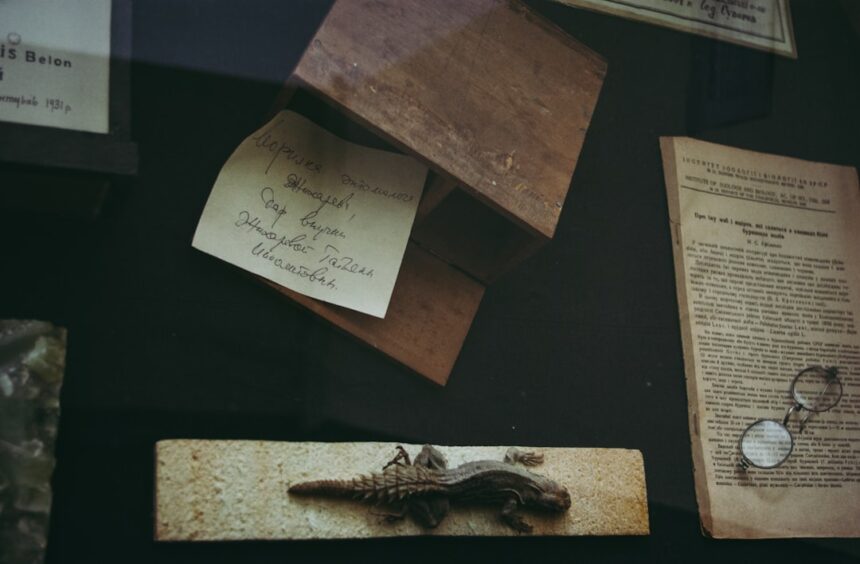
The preservation of evidence is a cornerstone of the criminal justice system, serving as the bedrock upon which investigations and prosecutions are built.
When evidence is preserved correctly, it can provide crucial insights into the events that transpired, helping to establish timelines, identify suspects, and corroborate witness statements.
Conversely, mishandling or neglecting to preserve evidence can lead to wrongful convictions or the dismissal of legitimate cases, undermining public trust in law enforcement and the judicial process. Moreover, the importance of evidence preservation extends beyond the immediate context of a single case. It has broader implications for the legal system as a whole.
I have seen how well-preserved evidence can serve as a reference point for future cases, contributing to the development of legal precedents and enhancing the overall quality of investigations. In this way, evidence preservation is not merely a procedural requirement; it is an ethical obligation that upholds justice and accountability within society.
Key Takeaways
- Preserving evidence properly is crucial to maintaining its integrity and ensuring its admissibility in legal proceedings.
- The chain of custody must be meticulously documented to track evidence from collection to courtroom.
- Accurate documentation, including photographing and labeling, is essential for clear evidence identification.
- Specialized handling and packaging techniques are required for biological, DNA, and digital evidence to prevent contamination or loss.
- Ongoing training and adherence to legal and ethical standards are vital for effective evidence preservation and investigation.
Understanding the Chain of Custody
The chain of custody is a critical concept that I have learned to appreciate deeply in my journey through the realm of evidence preservation. It refers to the chronological documentation that outlines who collected, handled, and analyzed evidence from the moment it was discovered until it is presented in court. This meticulous record-keeping is essential for establishing the authenticity and reliability of evidence.
Without a clear chain of custody, I recognize that the integrity of evidence can be called into question, potentially jeopardizing an entire case. In my experience, maintaining a proper chain of custody involves several key steps. First, I must ensure that every piece of evidence is collected in a manner that minimizes contamination or alteration.
This includes documenting the time, date, and location of collection, as well as identifying all individuals who come into contact with the evidence. Each transfer of custody must be recorded meticulously, creating a transparent trail that can be followed if necessary. By understanding and adhering to these principles, I can help ensure that the evidence remains credible and admissible in court.
Documenting and Photographing Evidence

One of the most vital aspects of evidence preservation is thorough documentation and photography. I have learned that capturing detailed photographs of a crime scene and any relevant evidence is essential for creating an accurate record of what was discovered. These images serve as visual proof that can be referenced later during investigations or trials.
I find it fascinating how a single photograph can convey so much information, from the positioning of objects to the condition of the scene at the time of discovery. In addition to photography, I also recognize the importance of written documentation. Detailed notes about the scene, including descriptions of evidence, environmental conditions, and any actions taken during the investigation, are crucial for creating a comprehensive account.
This documentation not only aids in preserving evidence but also provides context that can be invaluable during legal proceedings. By combining both visual and written records, I can create a robust narrative that supports the integrity of the evidence collected.
Proper Packaging and Labeling
Proper packaging and labeling are fundamental components of effective evidence preservation that I have come to prioritize in my work. Each piece of evidence must be packaged in a way that protects it from contamination or degradation while also allowing for easy identification. For instance, I have learned to use appropriate materials such as evidence bags, boxes, or containers that are designed specifically for this purpose.
The choice of packaging can significantly impact the condition of the evidence when it is eventually analyzed. Labeling is equally important; each package must include essential information such as case numbers, descriptions of the contents, dates, and signatures of those who handled the evidence. This attention to detail not only aids in maintaining an organized system but also reinforces the chain of custody.
I have found that clear labeling helps prevent confusion during investigations and ensures that all parties involved can easily access and understand the evidence being presented.
Securing the Scene
| Technique | Description | Purpose | Common Tools/Methods | Challenges |
|---|---|---|---|---|
| Chain of Custody Documentation | Recording the chronological documentation of evidence handling | Ensures evidence integrity and admissibility in court | Logs, forms, digital tracking systems | Human error, incomplete records |
| Forensic Imaging | Creating bit-by-bit copies of digital storage devices | Preserves original data without alteration | Write blockers, imaging software (e.g., FTK Imager, EnCase) | Large data size, time-consuming process |
| Physical Evidence Packaging | Using appropriate containers to protect physical evidence | Prevents contamination, degradation, or loss | Evidence bags, tamper-evident seals, gloves | Environmental factors, improper sealing |
| Environmental Controls | Maintaining proper temperature, humidity, and lighting | Preserves evidence quality over time | Climate-controlled storage, refrigeration | Resource intensive, monitoring required |
| Data Encryption and Hashing | Applying cryptographic hashes to verify data integrity | Detects tampering and ensures authenticity | MD5, SHA-1, SHA-256 hashing algorithms | Hash collisions (rare), algorithm obsolescence |
| Documentation and Photography | Detailed recording and visual capture of evidence state | Provides context and supports evidence authenticity | Notes, sketches, digital cameras | Incomplete documentation, poor image quality |
Securing the scene is one of the first steps I take when responding to an incident requiring evidence collection. It is imperative to establish a perimeter around the area to prevent unauthorized access and potential contamination of evidence. In my experience, this initial step sets the tone for the entire investigation; if the scene is compromised early on, it can lead to irreparable damage to crucial evidence.
I have learned various techniques for securing a scene effectively. This includes using barriers such as tape or cones to delineate boundaries and ensuring that only authorized personnel are allowed entry. Additionally, I make it a priority to document any individuals who enter or exit the scene during this critical phase.
By taking these precautions, I can help safeguard the integrity of the evidence and maintain a controlled environment for further investigation.
Utilizing Protective Equipment

In my work with evidence preservation, I have come to understand the importance of utilizing protective equipment to ensure both my safety and the integrity of the evidence being collected. Personal protective equipment (PPE) such as gloves, masks, and goggles serves as a barrier against contamination from biological materials or hazardous substances present at a crime scene. By wearing appropriate PPE, I not only protect myself but also minimize the risk of altering or damaging potential evidence.
Moreover, I have learned that using protective equipment extends beyond personal safety; it also reflects professionalism and respect for the investigative process. When I arrive at a scene equipped with proper gear, it signals to others involved that I take my responsibilities seriously and am committed to preserving evidence with care. This attention to detail fosters trust among colleagues and reinforces the importance of maintaining high standards throughout an investigation.
Handling Biological and DNA Evidence
Handling biological and DNA evidence requires specialized knowledge and techniques that I have diligently studied throughout my career. Biological materials such as blood, saliva, or other bodily fluids are particularly sensitive and can degrade quickly if not handled properly. I have learned that it is crucial to collect these samples using sterile tools and techniques designed to minimize contamination.
In addition to careful collection methods, I understand that proper storage conditions are vital for preserving biological evidence. This often involves refrigeration or freezing to prevent degradation over time. Furthermore, I recognize that DNA analysis can provide powerful insights into investigations; therefore, ensuring that biological samples are preserved correctly is paramount for obtaining reliable results in forensic testing.
Preserving Digital Evidence
In today’s technology-driven world, preserving digital evidence has become an increasingly important aspect of my work in evidence preservation. Digital devices such as computers, smartphones, and tablets often contain critical information related to criminal activity. I have learned that handling digital evidence requires a unique set of skills and protocols to ensure its integrity.
One key principle I follow is to avoid altering any digital devices during initial examination. This means using write-blockers when accessing hard drives or other storage media to prevent any changes from being made inadvertently. Additionally, creating forensic images or copies of digital data allows me to analyze information without risking damage to the original source.
By adhering to these practices, I can help ensure that digital evidence remains intact and usable in legal proceedings.
Maintaining Integrity of Evidence
Maintaining the integrity of evidence is an ongoing responsibility that I take very seriously throughout every stage of an investigation. From collection to analysis and eventual presentation in court, I must remain vigilant in ensuring that all procedures are followed meticulously. This commitment not only protects the validity of individual pieces of evidence but also upholds public confidence in the justice system.
I have learned that regular audits and reviews can be beneficial in maintaining integrity over time.
This proactive approach helps reinforce best practices among colleagues and ensures that everyone involved understands their role in preserving evidence effectively.
Adhering to Legal and Ethical Standards
Adhering to legal and ethical standards is paramount in my work with evidence preservation. The legal framework surrounding evidence collection and handling is designed to protect both individuals’ rights and the integrity of investigations. I have come to appreciate how crucial it is to stay informed about relevant laws and regulations governing my field.
Ethical considerations also play a significant role in my approach to evidence preservation. I strive to treat all individuals involved with respect while ensuring that their rights are upheld throughout investigations. By maintaining transparency in my actions and decisions, I contribute to fostering trust within communities and reinforcing public confidence in law enforcement practices.
Training and Education for Evidence Preservation
Finally, I recognize that ongoing training and education are essential components for effective evidence preservation practices. As technology evolves and new methodologies emerge within forensic science, it is vital for me to stay current with best practices in this field. Participating in workshops, seminars, and courses allows me to enhance my skills while learning from experts who share their insights on emerging trends.
Moreover, fostering a culture of continuous learning within my organization encourages collaboration among colleagues who may have different areas of expertise. By sharing knowledge and experiences related to evidence preservation techniques, we can collectively improve our practices while ensuring that we uphold high standards throughout our work. Ultimately, investing in training not only benefits individual professionals but also strengthens our commitment to justice as a whole.
In conclusion, my journey through understanding evidence preservation has illuminated its critical role within the criminal justice system. From recognizing its importance to mastering techniques for handling various types of evidence, each aspect contributes significantly toward achieving justice for victims while safeguarding individual rights within society at large.
In the realm of evidence preservation techniques, understanding the importance of proper documentation is crucial. For a deeper insight into this topic, you can refer to the article on the significance of maintaining a clear chain of custody, which can be found at this link. This resource provides valuable information on how meticulous record-keeping can enhance the integrity of evidence in legal proceedings.
WATCH THIS! She Drained Our Bank Account, So I Drained Her Future (With Interest) 💰⚖️
FAQs
What is evidence preservation?
Evidence preservation refers to the methods and procedures used to maintain the integrity, condition, and reliability of physical or digital evidence from the time it is collected until it is presented in court or used for analysis.
Why is evidence preservation important?
Preserving evidence is crucial to ensure that it remains uncontaminated, unaltered, and admissible in legal proceedings. Proper preservation helps maintain the chain of custody and supports the credibility of the evidence.
What are common techniques used in evidence preservation?
Common techniques include proper packaging, labeling, and sealing of evidence; storing items in controlled environments; using gloves and tools to avoid contamination; documenting the chain of custody; and employing digital preservation methods such as creating forensic images of electronic data.
How is physical evidence preserved at a crime scene?
Physical evidence is preserved by carefully collecting it using appropriate tools, placing it in suitable containers (e.g., paper bags for biological samples), labeling it accurately, and storing it in conditions that prevent degradation, such as refrigeration for biological materials.
What steps are taken to preserve digital evidence?
Digital evidence preservation involves creating exact bit-by-bit copies (forensic images) of storage devices, using write-blockers to prevent data alteration, maintaining detailed logs of access, and storing the copies securely to prevent tampering or data loss.
What is the chain of custody in evidence preservation?
The chain of custody is a documented and unbroken record of all individuals who have handled the evidence, including details of when, where, and how the evidence was collected, transferred, stored, and analyzed, ensuring its authenticity and integrity.
Can evidence be preserved indefinitely?
While some evidence can be preserved for long periods if stored properly, factors such as material type, environmental conditions, and storage methods affect longevity. Biological samples may degrade over time, whereas digital evidence can be preserved indefinitely if maintained correctly.
What are the consequences of improper evidence preservation?
Improper preservation can lead to contamination, degradation, or loss of evidence, which may result in evidence being inadmissible in court, wrongful convictions, or failure to prosecute offenders.
Who is responsible for preserving evidence?
Law enforcement officers, forensic specialists, crime scene investigators, and legal personnel all share responsibility for proper evidence preservation throughout the investigation and judicial process.
Are there standardized guidelines for evidence preservation?
Yes, many law enforcement agencies and forensic organizations follow standardized protocols and guidelines, such as those provided by the FBI, INTERPOL, or national forensic science institutes, to ensure consistent and reliable evidence preservation.