
Theft Risk in Family Businesses
Family businesses face unique theft risks due to their trust-based operational structure. The close relationships between family members often lead to reduced security measures and oversight, creating vulnerabilities within the organization. Financial losses resulting from theft can significantly impact these businesses, potentially threatening their sustainability and long-term viability.
The intersection of personal and professional relationships in family businesses presents distinct challenges for security management. Professional boundaries may become blurred, making it difficult to implement proper controls or address suspicious activities when they involve relatives. Common theft issues in family businesses include embezzlement, inventory theft, and cash misappropriation.
Identifying these vulnerabilities is essential for developing effective preventive measures to protect the business’s assets and ensure its continued operation.
Key Takeaways
- Family businesses face unique theft risks that require tailored prevention strategies.
- Access control, surveillance, and background checks are essential to safeguard assets.
- Regular inventory audits and secure cash handling reduce opportunities for theft.
- Employee training and a strong code of conduct foster a culture of accountability.
- Legal measures and insurance provide critical protection against financial losses.
Implementing Access Control Measures
To mitigate the risk of theft, I have found that implementing access control measures is essential.
This can be achieved through various means, such as keycard systems, biometric scanners, or even traditional lock-and-key methods.
Each approach has its advantages, and I have learned that selecting the right system depends on the specific needs and layout of the business. In addition to physical access control, I also recognize the importance of digital security measures. With the increasing reliance on technology in business operations, safeguarding digital assets is just as critical as protecting physical ones.
I have implemented password policies, two-factor authentication, and regular software updates to ensure that our digital infrastructure remains secure. By combining both physical and digital access control measures, I can create a comprehensive security strategy that addresses multiple facets of theft prevention.
Conducting Background Checks on Employees
One of the most effective ways to protect a family business from theft is by conducting thorough background checks on potential employees. I have come to understand that hiring individuals with a clean record and a trustworthy reputation is paramount in maintaining a secure environment. Background checks can reveal past criminal behavior, financial issues, or other red flags that may indicate a propensity for theft.
By taking this proactive approach, I can make informed hiring decisions that ultimately benefit the business. Furthermore, I have learned that background checks should not be limited to new hires alone. Regularly reviewing the records of existing employees can also be beneficial in identifying any changes in circumstances that may pose a risk to the business.
This ongoing vigilance helps me stay ahead of potential threats and fosters a culture of accountability among staff members. By prioritizing thorough background checks, I can create a safer workplace and protect the family business from internal theft.
Installing Surveillance Systems
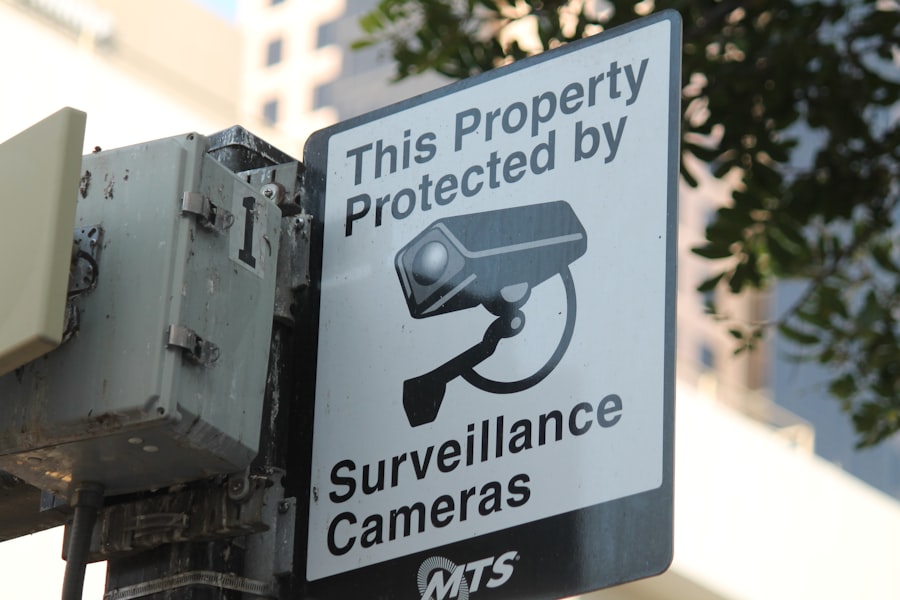
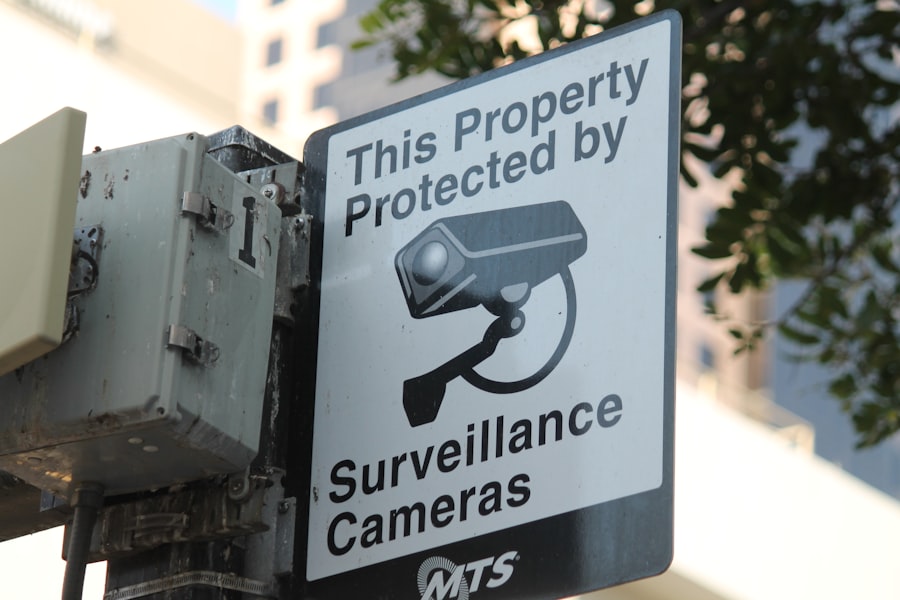
In my quest to enhance security within the family business, I have found that installing surveillance systems is an invaluable step. These systems serve as both a deterrent and a means of monitoring activities within the premises. The mere presence of cameras can discourage potential thieves from attempting to steal or engage in dishonest behavior.
I have witnessed how employees tend to act more responsibly when they know they are being observed. Moreover, surveillance systems provide me with concrete evidence in case theft does occur. Having recorded footage allows me to investigate incidents thoroughly and take appropriate action against wrongdoers.
I have also discovered that modern surveillance technology offers advanced features such as remote monitoring and motion detection, which further enhance security measures. By investing in a robust surveillance system, I can create a safer environment for both employees and customers while protecting the assets of the family business.
Securing Inventory and Assets
| Metric | Description | Typical Value/Range | Importance for Family Business Theft Prevention |
|---|---|---|---|
| Employee Theft Incidence Rate | Percentage of employees involved in theft or fraud | 1% – 5% | Helps identify risk level and need for controls |
| Inventory Shrinkage Rate | Percentage of inventory lost due to theft, damage, or error | 1% – 3% | Indicator of internal theft and process weaknesses |
| Number of Theft Prevention Policies | Count of formal policies implemented to prevent theft | 3 – 7 | Reflects commitment to theft prevention |
| Frequency of Employee Background Checks | How often background checks are conducted on new hires | 100% of new hires | Reduces risk of hiring individuals with theft history |
| Percentage of Staff Trained on Theft Prevention | Proportion of employees receiving theft prevention training | 80% – 100% | Increases awareness and reduces theft incidents |
| Use of Surveillance Systems | Presence of cameras and monitoring tools in business areas | Yes/No | Deters theft and provides evidence if theft occurs |
| Internal Audit Frequency | How often internal audits are conducted to detect theft | Quarterly or Biannual | Helps identify discrepancies and prevent ongoing theft |
| Loss Recovery Rate | Percentage of stolen assets or value recovered | 10% – 50% | Measures effectiveness of theft response and recovery |
Securing inventory and assets is another critical aspect of theft prevention that I have prioritized in my family business. I have learned that implementing proper storage solutions and inventory management practices can significantly reduce the risk of loss. For instance, organizing inventory in a way that makes it easy to track and monitor stock levels helps me identify discrepancies quickly.
Additionally, using inventory management software allows me to maintain accurate records and streamline operations. I have also recognized the importance of physical security measures for high-value items. Utilizing locked storage areas or safes for valuable inventory not only protects against theft but also instills confidence among employees and customers alike.
By taking these steps to secure inventory and assets, I can minimize losses and ensure that the family business remains profitable and sustainable.
Establishing a Code of Conduct for Employees
Establishing a code of conduct for employees has proven to be an essential component of my theft prevention strategy. This code outlines expected behaviors and ethical standards within the workplace, creating a clear framework for accountability. By communicating these expectations to all employees, I foster an environment where integrity is valued and unethical behavior is discouraged.
I have found that involving employees in the development of this code can enhance its effectiveness. When team members feel they have a stake in creating guidelines, they are more likely to adhere to them. Regular training sessions on the code of conduct reinforce its importance and provide opportunities for open discussions about ethical dilemmas that may arise in the workplace.
By prioritizing a strong code of conduct, I can cultivate a culture of honesty and responsibility within the family business.
Implementing Regular Inventory Audits
Regular inventory audits are another crucial measure I have adopted to combat theft in my family business. These audits allow me to assess stock levels accurately and identify any discrepancies between recorded inventory and actual counts. By conducting these audits on a routine basis, I can quickly pinpoint potential issues and address them before they escalate into significant losses.
I have learned that involving multiple employees in the audit process promotes transparency and accountability. When team members collaborate on inventory checks, it reduces the likelihood of collusion or dishonesty among staff members. Additionally, documenting audit findings helps me track trends over time, enabling me to make informed decisions about inventory management and security measures.
Through regular audits, I can maintain control over inventory and safeguard against theft effectively.
Training Employees on Theft Prevention
Training employees on theft prevention has become an integral part of my strategy for protecting the family business. I recognize that employees play a vital role in maintaining security, and equipping them with knowledge about potential risks empowers them to take proactive measures against theft. Through comprehensive training programs, I educate staff on recognizing suspicious behavior, understanding security protocols, and reporting incidents promptly.
Moreover, I have found that fostering open communication about theft prevention encourages employees to share their concerns or observations without fear of repercussions. Creating an environment where team members feel comfortable discussing security issues enhances overall vigilance within the workplace. By investing in employee training on theft prevention, I not only protect the family business but also promote a sense of shared responsibility among staff members.
Utilizing Secure Cash Handling Procedures
In my experience running a family business, secure cash handling procedures are paramount in preventing theft and ensuring financial integrity. Implementing strict protocols for cash transactions minimizes opportunities for theft by both employees and external parties. For instance, I have established clear guidelines for cash register operations, including regular cash drops and limited access to cash drawers.
Additionally, training employees on secure cash handling practices reinforces their understanding of the importance of safeguarding financial assets. By emphasizing accountability during cash transactions and encouraging staff to report any discrepancies immediately, I create an environment where financial integrity is prioritized. Through diligent cash handling procedures, I can protect the family business from potential losses due to theft or mismanagement.
Creating a Culture of Accountability
Creating a culture of accountability within my family business has been instrumental in deterring theft and promoting ethical behavior among employees. When team members understand that their actions are monitored and that there are consequences for unethical behavior, they are less likely to engage in dishonest practices. I strive to lead by example, demonstrating integrity in all aspects of my work while encouraging others to do the same.
I have found that recognizing and rewarding ethical behavior further reinforces this culture of accountability. Celebrating employees who exemplify honesty and responsibility fosters an environment where integrity is valued and encouraged. By prioritizing accountability at every level of the organization, I can cultivate a workplace where theft is less likely to occur.
Seeking Legal and Insurance Protection for the Business
Finally, seeking legal and insurance protection for my family business has proven essential in safeguarding against potential losses due to theft or other unforeseen circumstances. Consulting with legal professionals ensures that I am aware of my rights and responsibilities as a business owner while also helping me navigate any legal complexities related to theft prevention measures. Additionally, investing in comprehensive insurance coverage provides peace of mind knowing that my business is protected against financial losses resulting from theft or property damage.
By taking these proactive steps toward legal and insurance protection, I can further fortify my family business against potential threats while ensuring its long-term viability. In conclusion, addressing the risk of theft in family businesses requires a multifaceted approach that encompasses various strategies ranging from access control measures to employee training programs. By understanding these risks and implementing effective prevention techniques, I can create a secure environment that protects both my family’s legacy and our hard-earned assets.
In the realm of family business theft prevention, understanding the dynamics of trust and security is crucial. A valuable resource on this topic can be found in the article titled “Family Business Theft Prevention Strategies,” which provides insights into effective measures that can be implemented to safeguard family-owned enterprises. For more information, you can read the article [here](https://www.amiwronghere.com/sample-page/).
FAQs
What are common types of theft in family businesses?
Common types of theft in family businesses include employee theft, inventory theft, cash theft, and sometimes theft by family members themselves. This can involve stealing money, products, or sensitive information.
How can family businesses prevent theft effectively?
Family businesses can prevent theft by implementing clear policies, conducting regular audits, using surveillance systems, segregating duties, and fostering a culture of trust and accountability among employees and family members.
Why is theft prevention important in family businesses?
Theft prevention is crucial in family businesses because theft can lead to financial losses, damage to reputation, and strained family relationships. Protecting assets ensures business sustainability and family harmony.
What role does employee screening play in theft prevention?
Employee screening helps identify trustworthy candidates and reduces the risk of hiring individuals who may engage in theft. Background checks and reference verification are common screening methods.
How can technology aid in preventing theft in family businesses?
Technology such as security cameras, point-of-sale monitoring systems, inventory management software, and access control systems can help detect and deter theft by providing real-time oversight and accurate record-keeping.
Should family members be involved in theft prevention strategies?
Yes, involving family members in theft prevention strategies promotes transparency and accountability. It also helps establish clear roles and responsibilities, reducing the risk of internal theft.
What are some signs that theft might be occurring in a family business?
Signs include discrepancies in financial records, missing inventory, unexplained cash shortages, employee behavior changes, and irregularities in sales or expense reports.
How often should family businesses review their theft prevention measures?
Family businesses should review their theft prevention measures regularly, ideally quarterly or biannually, to ensure policies remain effective and adapt to any changes in the business environment.