
Patent filing represents a fundamental component of intellectual property protection for inventors and innovators. Patents provide legal protection by granting inventors exclusive rights to their inventions for a predetermined period, typically 20 years from the filing date. This exclusivity prevents unauthorized parties from manufacturing, using, or selling the patented invention without the patent holder’s consent, thereby establishing a competitive advantage in commercial markets.
The patent system serves multiple functions beyond basic protection. It creates a legal framework that recognizes and rewards innovation while encouraging disclosure of technical information that advances scientific knowledge.
From a business perspective, patents function as valuable intellectual property assets that can enhance an organization’s market position and financial value. Investors and business partners frequently evaluate patent portfolios when assessing the viability and potential of technology companies or innovative ventures. A robust patent portfolio can indicate technological sophistication, market readiness, and competitive positioning.
Patents also serve strategic purposes in business negotiations, including merger and acquisition discussions, licensing arrangements, and investment funding. They can provide leverage in competitive markets and create barriers to entry for competitors. For entrepreneurs and technology developers, understanding patent filing procedures and requirements is essential for protecting innovations and maximizing commercial opportunities in competitive markets.
Key Takeaways
- Patent filing is crucial for protecting inventions and securing intellectual property rights.
- Conducting a thorough patent search helps identify existing patents and assess patentability.
- Choosing the appropriate type of patent application impacts the scope and duration of protection.
- Navigating the examination process and responding to office actions are key to successful patent approval.
- Maintaining patents and staying updated on legal changes ensure ongoing protection and enforcement.
Identifying Patentable Inventions
Identifying what constitutes a patentable invention is a critical step in my journey as an innovator. Not every idea or concept qualifies for patent protection; therefore, I must carefully evaluate my invention against established criteria. Generally, for an invention to be patentable, it must be novel, non-obvious, and useful.
This means that my invention should not have been previously disclosed to the public, should not be an obvious improvement over existing solutions, and must serve a practical purpose. By understanding these requirements, I can better assess whether my invention is worth pursuing through the patent process. In addition to these criteria, I also need to consider the different types of inventions that can be patented.
These include utility patents for new processes or machines, design patents for new ornamental designs, and plant patents for new varieties of plants. Each category has its own set of rules and requirements, which I must familiarize myself with to ensure that I am on the right track. By thoroughly evaluating my invention and understanding its potential for patentability, I can make informed decisions about how to proceed with the patent filing process.
Conducting a Thorough Patent Search
Before I embark on the journey of filing a patent application, conducting a thorough patent search is an essential step that I cannot overlook. This search allows me to determine whether similar inventions already exist and whether my idea is truly novel. By examining existing patents and published applications, I can gain insights into the landscape of my field and identify potential obstacles that may arise during the patent examination process.
This proactive approach not only saves me time and resources but also helps me refine my invention if necessary. The process of conducting a patent search can be intricate and time-consuming. I often start by utilizing online databases such as the United States Patent and Trademark Office (USPTO) or the European Patent Office (EPO) to search for relevant patents.
I use various keywords and classifications to ensure that I cover all possible angles related to my invention. Additionally, I may consider enlisting the help of professionals who specialize in patent searches to ensure that I do not miss any critical information. Ultimately, this thorough search equips me with the knowledge needed to make informed decisions about pursuing a patent.
Choosing the Right Type of Patent Application
Once I have established that my invention is indeed patentable, the next step is to choose the right type of patent application to file. There are several options available, each tailored to different circumstances and types of inventions. The most common types are provisional applications and non-provisional applications.
A provisional application allows me to secure a filing date while giving me up to a year to further develop my invention before filing a non-provisional application. This option is particularly appealing if I need more time to refine my idea or seek funding. On the other hand, if my invention is fully developed and ready for protection, I may opt for a non-provisional application right away.
This application requires a more detailed description of my invention and must meet specific legal requirements. Additionally, there are design patents and plant patents that cater to specific types of inventions. By carefully considering my options and understanding the implications of each type of application, I can make an informed decision that aligns with my goals as an inventor.
Drafting a Comprehensive Patent Application
| Metric | Description | Typical Value / Range | Notes |
|---|---|---|---|
| Average Patent Filing Time | Time taken from application submission to patent grant | 18-36 months | Varies by jurisdiction and patent complexity |
| Patent Grant Rate | Percentage of filed patents that are granted | 40%-70% | Depends on patent office and field of technology |
| Inventor Rights Duration | Length of time inventor rights are protected | 20 years from filing date | Standard for utility patents in most countries |
| Maintenance Fees | Fees required to keep a patent active | Periodic fees every 3-5 years | Non-payment can lead to patent expiration |
| Number of Inventors per Patent | Average count of inventors listed on a patent | 1-5 inventors | Varies by project and collaboration level |
| Patent Filing Cost | Typical cost to file a patent application | 1,000 – 15,000 (excluding legal fees) | Costs vary by country and patent complexity |
| Inventor Attribution Rights | Legal rights to be named as inventor | Mandatory in patent applications | Incorrect attribution can invalidate patent |
Drafting a comprehensive patent application is one of the most critical steps in securing patent protection for my invention. This document serves as the foundation for my patent rights and must clearly articulate the details of my invention in a manner that meets legal standards. A well-drafted application includes several key components: a detailed description of the invention, claims that define the scope of protection sought, drawings or diagrams illustrating the invention, and an abstract summarizing its key features.
As I embark on this drafting process, I must pay close attention to language and clarity. The claims section is particularly important because it defines what aspects of my invention are protected by the patent. Ambiguities or vague language can lead to challenges during examination or enforcement down the line.
Therefore, I often find it beneficial to seek assistance from experienced patent attorneys or agents who can help me navigate this complex process and ensure that my application meets all necessary requirements.
Filing for International Patent Protection
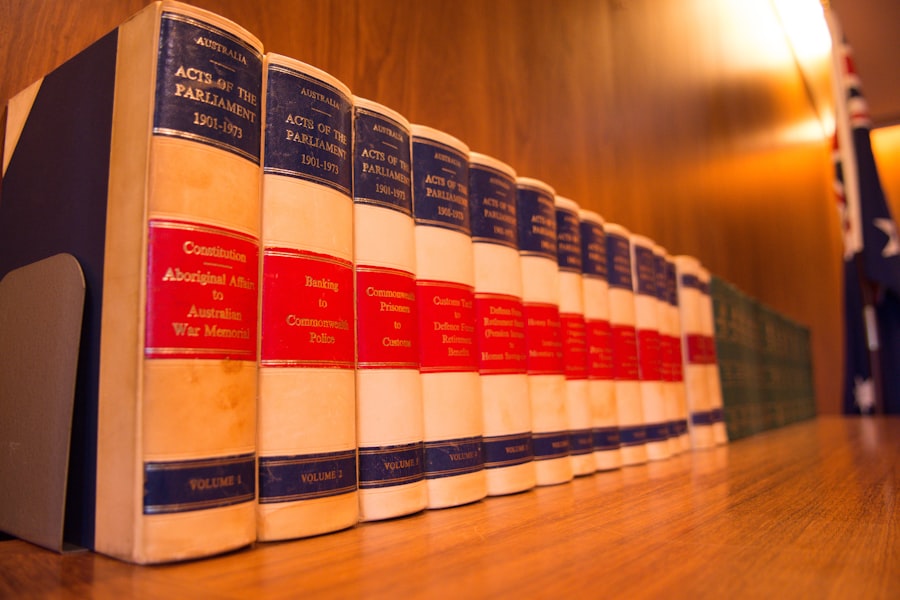
In our increasingly globalized world, seeking international patent protection has become essential for many inventors like myself who wish to expand their reach beyond domestic markets. The process of filing for international patents can be daunting due to varying laws and regulations across different countries. However, understanding international treaties such as the Patent Cooperation Treaty (PCT) can simplify this process significantly.
The PCT allows me to file a single international application that can later be converted into national applications in multiple member countries. By utilizing the PCT system, I can secure an international filing date while gaining additional time to assess market potential in various regions before committing to national filings.
As I navigate this complex landscape, staying informed about each country’s specific requirements becomes crucial in ensuring that my international patent strategy is effective.
Navigating the Patent Examination Process
Once I have submitted my patent application, it enters the examination phase—a critical stage where patent examiners assess its compliance with legal standards and determine whether it meets the criteria for patentability. This process can vary significantly depending on the jurisdiction but generally involves a thorough review of prior art and an evaluation of whether my invention is novel and non-obvious. Understanding this process helps me prepare for potential challenges that may arise during examination.
During this phase, communication with the patent office becomes vital. I may receive office actions outlining any objections or rejections from the examiner regarding my application. It’s essential for me to respond promptly and effectively to these communications while addressing any concerns raised by the examiner.
By being proactive and engaging in constructive dialogue with the patent office, I can increase my chances of successfully navigating this critical stage in securing patent protection.
Responding to Patent Office Actions
Receiving an office action from the patent office can be daunting; however, it is an integral part of the patent examination process that requires careful attention and strategic response on my part. An office action typically outlines any objections or rejections raised by the examiner regarding my application. It’s crucial for me to thoroughly review these documents and understand the examiner’s concerns before crafting a response.
In responding to an office action, clarity and precision are paramount. I must address each point raised by the examiner systematically while providing additional arguments or amendments as necessary. This may involve refining claims or providing further evidence supporting the novelty and non-obviousness of my invention.
Engaging with a knowledgeable patent attorney during this stage can be invaluable; their expertise can help me navigate complex legal language and ensure that my response is compelling enough to sway the examiner’s decision in my favor.
Maintaining and Enforcing Patent Rights
Once I successfully obtain a patent, my responsibilities do not end there; maintaining and enforcing my patent rights becomes paramount in protecting my intellectual property. To keep my patent active, I must pay maintenance fees at regular intervals as required by the jurisdiction where it was granted. Failing to do so could result in losing valuable rights over my invention.
Staying organized and keeping track of these deadlines is essential for ensuring that I do not inadvertently let my hard work go unprotected. Enforcement is another critical aspect of maintaining patent rights. If someone infringes upon my patent by using or selling my invention without permission, it is up to me to take action against them.
This may involve sending cease-and-desist letters or pursuing legal action if necessary. Understanding how to navigate these situations effectively is crucial; therefore, having a solid legal strategy in place can help me protect my interests while also deterring potential infringers from encroaching on my rights.
Understanding the Role of Patent Attorneys
Throughout this intricate journey of securing patent protection for my inventions, I have come to appreciate the invaluable role that patent attorneys play in this process. These legal professionals possess specialized knowledge in intellectual property law and are equipped with the skills necessary to guide inventors like myself through every stage—from conducting initial searches to drafting applications and responding to office actions. Their expertise can significantly enhance my chances of success in obtaining a patent.
Moreover, patent attorneys serve as advocates for inventors during negotiations with patent offices or potential licensees. They understand the nuances of patent law and can provide strategic advice tailored to my specific situation. By collaborating with a skilled attorney, I can navigate complex legal landscapes more effectively while ensuring that my rights are protected throughout the entire process.
Staying Informed about Patent Law Changes
The field of intellectual property law is constantly evolving; therefore, staying informed about changes in patent law is essential for anyone involved in innovation like myself. Legislative updates, court rulings, and shifts in international treaties can all impact how patents are filed, examined, maintained, and enforced. By keeping abreast of these developments through reputable sources such as legal journals or industry publications, I can adapt my strategies accordingly.
Additionally, attending seminars or workshops focused on intellectual property issues allows me to engage with experts in the field while networking with fellow inventors facing similar challenges. This continuous learning approach not only enhances my understanding but also empowers me to make informed decisions regarding my inventions and their protection in an ever-changing legal landscape. In conclusion, navigating the world of patents requires diligence, strategic thinking, and an understanding of various processes involved in protecting intellectual property rights.
From identifying patentable inventions to responding effectively during examination phases—each step plays a vital role in ensuring that innovators like myself can safeguard our creations while contributing meaningfully to society through our ideas.
In the realm of patent filing and inventor rights, understanding the intricacies of the process is crucial for protecting intellectual property. A valuable resource on this topic can be found in the article titled “Understanding Patent Filing and Inventor Rights,” which provides insights into the legal framework surrounding patents. You can read more about it by visiting this link: Understanding Patent Filing and Inventor Rights. This article offers guidance on how inventors can navigate the complexities of patent applications and safeguard their innovations effectively.
WATCH THIS🎯 They STOLE My Million-Dollar Idea, So I Got Them Fired And Took Their Boss’s Job
FAQs
What is patent filing?
Patent filing is the process of submitting a patent application to a patent office to seek legal protection for an invention. This application includes detailed descriptions, claims, and drawings that define the invention and its unique aspects.
Who can file a patent?
Typically, the inventor or inventors of the invention can file a patent. In some cases, employers or companies may file patents on behalf of their employees if the invention was created as part of employment.
What rights does a patent grant to an inventor?
A patent grants the inventor exclusive rights to make, use, sell, and license the invention for a limited period, usually 20 years from the filing date. This prevents others from exploiting the invention without permission.
How long does the patent filing process take?
The patent filing process can vary widely but generally takes between one to three years or more, depending on the complexity of the invention and the patent office’s workload.
What types of inventions can be patented?
Inventions that are new, non-obvious, and useful can be patented. These include processes, machines, manufactured items, compositions of matter, and improvements to existing inventions.
Can an invention be patented in multiple countries?
Yes, inventors can seek patent protection in multiple countries by filing separate applications in each country or through international treaties like the Patent Cooperation Treaty (PCT).
What is the difference between a patent and a copyright?
A patent protects inventions and functional aspects of products or processes, while copyright protects original works of authorship such as literature, music, and art.
What happens if someone infringes on a patent?
If a patent is infringed, the patent holder can take legal action to stop the infringement and may seek damages or compensation through the courts.
Can an inventor lose their rights to a patent?
Yes, an inventor can lose rights if they fail to pay maintenance fees, if the patent is invalidated, or if they assign or license their rights to another party.
Is it necessary to hire a patent attorney for filing a patent?
While not mandatory, hiring a patent attorney or agent is highly recommended to navigate the complex legal and technical requirements of patent filing effectively.