
Navigating the complexities of relationships, especially those involving family, can be fraught with potential risks. I have come to realize that these risks can manifest in various forms, from emotional turmoil to financial disputes. The reality is that family dynamics are often unpredictable, and the stakes can be high when it comes to shared assets or responsibilities.
I have learned that understanding these risks is the first step in protecting myself and my interests. Whether it’s a disagreement over inheritance or a misunderstanding about shared property, the potential for conflict is always present. Moreover, I have found that the emotional aspect of these risks can be just as significant as the financial ones.
Family members may not always act in what I perceive to be a rational manner, especially when emotions run high. This unpredictability can lead to situations where I feel vulnerable or exposed. By acknowledging these risks upfront, I can better prepare myself for potential challenges and create strategies to mitigate them.
It’s essential to recognize that while I cannot control the actions of others, I can control my responses and the measures I take to protect myself.
Key Takeaways
- Recognize and address potential risks by setting clear boundaries with family members.
- Use legal tools like trusts, wills, and pre-nuptial agreements to protect assets.
- Enhance home security and safeguard financial resources proactively.
- Maintain open communication and seek professional advice for informed decisions.
- Regularly review and update protections to adapt to changing circumstances.
Setting Boundaries with Family Members
Establishing clear boundaries with family members has been a crucial step in my journey toward safeguarding my interests. I have learned that boundaries are not just about saying “no” but also about defining what is acceptable behavior in my relationships. By communicating my limits, I create a framework that helps prevent misunderstandings and conflicts.
For instance, I have found it beneficial to discuss financial matters openly, setting clear expectations about what I am willing to share or contribute. In addition to financial boundaries, I have also recognized the importance of emotional boundaries. It’s vital for me to protect my mental well-being by ensuring that family interactions do not become toxic or draining.
This means being honest about my feelings and standing firm when I need space or time for myself. By setting these boundaries, I not only protect my interests but also foster healthier relationships with my family members. It’s a delicate balance, but one that has proven essential for my peace of mind.
Establishing Legal Protections

Establishing legal protections has become a priority for me as I navigate the complexities of family relationships. I have come to understand that having legal safeguards in place can provide me with peace of mind and security. This might include drafting legal documents such as power of attorney or healthcare proxies, which ensure that my wishes are respected in case of an emergency.
Knowing that I have taken these steps allows me to focus on nurturing my relationships without the constant worry of what might happen if something goes wrong.
They also encompass financial assets and property rights.
This proactive approach not only shields me from potential disputes but also clarifies my rights and responsibilities within family dynamics. Establishing these legal protections has been an empowering experience, allowing me to take control of my future.
Creating a Trust or Will
| Metric | Description | Typical Range | Notes |
|---|---|---|---|
| Cost to Create | Average legal fees or service costs to create a trust or will | 500 – 3,000 | Varies by complexity and location |
| Time to Create | Average time required to draft and finalize documents | 1 – 4 weeks | Depends on client responsiveness and attorney workload |
| Validity Period | Duration for which the trust or will remains legally valid | Indefinite | Until revoked or amended |
| Number of Beneficiaries | Typical number of individuals or entities named | 1 – 10+ | Depends on estate size and family structure |
| Probate Avoidance | Whether the document helps avoid probate process | Trust: Yes, Will: No | Trusts generally avoid probate; wills do not |
| Amendment Frequency | How often documents are updated or amended | Every 3 – 5 years | Recommended to reflect life changes |
Creating a trust or will has been one of the most significant steps I have taken in securing my legacy and ensuring that my wishes are honored after my passing. I have realized that having a clear plan in place alleviates potential conflicts among family members during an already difficult time. By outlining how I want my assets distributed, I can minimize misunderstandings and disputes that may arise after I’m gone.
This process has encouraged me to reflect on what truly matters to me and how I want to be remembered. Moreover, establishing a trust offers additional benefits beyond just asset distribution. It allows me to manage how and when my beneficiaries receive their inheritance, which can be particularly important if there are minors involved or if I have concerns about financial responsibility among family members.
This level of control gives me peace of mind, knowing that my intentions will be honored even when I’m no longer around to advocate for them. Creating a trust or will is not just about protecting my assets; it’s about ensuring that my values and wishes are upheld.
Utilizing Pre-Nuptial Agreements
As I consider entering into a marriage or long-term partnership, utilizing a pre-nuptial agreement has become an essential topic for me. While discussing finances and assets with a partner can feel uncomfortable, I have learned that being upfront about these matters is crucial for building a strong foundation for our relationship. A pre-nuptial agreement serves as a practical tool that outlines each partner’s rights and responsibilities regarding property and finances, which can help prevent misunderstandings down the line.
I have come to appreciate that a pre-nuptial agreement is not just about protecting myself; it’s also about fostering open communication with my partner. By discussing our financial situations and expectations before tying the knot, we can address any concerns early on and work together toward common goals. This proactive approach not only strengthens our relationship but also ensures that we are both on the same page regarding our financial future.
Ultimately, utilizing a pre-nuptial agreement is an investment in our partnership, allowing us to navigate potential challenges with clarity and confidence.
Implementing Home Security Measures
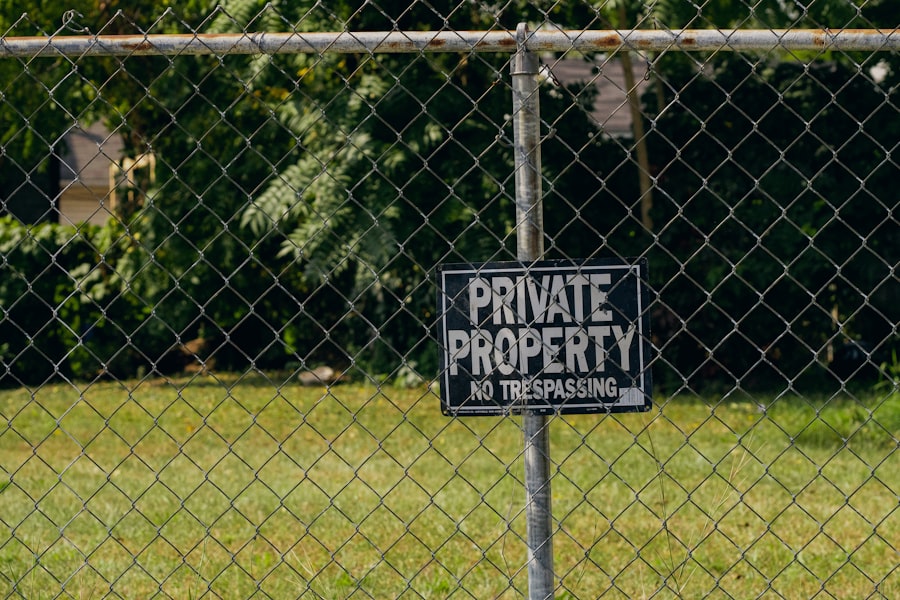
In today’s world, implementing home security measures has become increasingly important for me as I seek to protect my physical space and personal belongings. I have realized that feeling safe in my home is paramount to my overall well-being. This has led me to explore various security options, from installing alarm systems to utilizing smart home technology that allows me to monitor my property remotely.
These measures not only deter potential intruders but also provide me with peace of mind when I’m away from home. Additionally, I have learned that home security extends beyond just physical barriers; it also involves creating a sense of community awareness. Engaging with neighbors and participating in local watch programs has proven beneficial in fostering a supportive environment where we look out for one another.
By building these connections, I feel more secure knowing that there are people nearby who care about our collective safety. Implementing home security measures is not just about protecting my possessions; it’s about creating a safe haven where I can thrive.
Safeguarding Financial Assets
Safeguarding my financial assets has become a top priority as I navigate the complexities of life and relationships. I have learned that being proactive in managing my finances is essential for ensuring long-term stability and security. This includes diversifying my investments, regularly reviewing my financial portfolio, and being mindful of potential risks associated with market fluctuations or economic downturns.
By taking these steps, I can better protect myself against unforeseen circumstances that could jeopardize my financial well-being. Moreover, I have come to understand the importance of maintaining clear records and documentation related to my financial assets. Keeping track of investments, property deeds, and other important documents allows me to have a comprehensive view of my financial landscape.
This organization not only aids in decision-making but also provides clarity in case of disputes or misunderstandings with family members or partners. Safeguarding my financial assets is an ongoing process that requires diligence and attention, but it ultimately empowers me to take control of my financial future.
Communicating Openly and Clearly
Open and clear communication has been a cornerstone of my efforts to protect myself within family dynamics. I have learned that expressing my thoughts and feelings honestly can prevent misunderstandings and foster healthier relationships. Whether discussing financial matters or personal boundaries, being transparent about my needs allows others to understand where I’m coming from and helps establish mutual respect.
Additionally, I have found that active listening plays a crucial role in effective communication. By genuinely engaging with family members and considering their perspectives, I create an environment where everyone feels heard and valued. This two-way communication fosters trust and encourages collaboration when addressing potential conflicts or challenges.
Ultimately, prioritizing open dialogue has strengthened my relationships and provided a solid foundation for navigating the complexities of family life.
Seeking Professional Advice
Seeking professional advice has been an invaluable resource for me as I navigate the intricacies of protecting myself within family dynamics. Whether consulting with legal experts, financial advisors, or therapists, having access to knowledgeable professionals has provided me with insights and strategies tailored to my unique situation. These experts offer guidance on various matters, from estate planning to conflict resolution, equipping me with the tools necessary to make informed decisions.
Moreover, I have learned that seeking professional advice is not a sign of weakness but rather an acknowledgment of the complexities involved in family relationships. By leveraging their expertise, I can approach challenges with confidence and clarity. This proactive approach allows me to address potential issues before they escalate into larger conflicts, ultimately safeguarding both my interests and those of my loved ones.
Educating Yourself on Property Rights
Educating myself on property rights has been an essential aspect of protecting my interests within family dynamics. Understanding the legal framework surrounding property ownership has empowered me to make informed decisions regarding shared assets or investments. By familiarizing myself with local laws and regulations, I can navigate potential disputes more effectively and advocate for my rights when necessary.
Additionally, this knowledge extends beyond just personal property; it encompasses understanding how property rights may impact family relationships as well. For instance, knowing how inheritance laws work can help me navigate discussions around estate planning with greater confidence. By educating myself on property rights, I am better equipped to engage in meaningful conversations with family members while ensuring that my interests are safeguarded.
Reassessing and Updating Protections Regularly
Reassessing and updating protections regularly has become an integral part of my strategy for safeguarding myself within family dynamics. Life is constantly changing—relationships evolve, financial situations fluctuate, and personal circumstances shift—and it’s essential for me to adapt accordingly. By periodically reviewing legal documents such as wills or trusts, I ensure that they reflect my current wishes and circumstances.
Moreover, this ongoing assessment allows me to identify any new risks or challenges that may arise over time. Whether it’s changes in family dynamics or shifts in financial markets, staying vigilant enables me to adjust my strategies proactively rather than reactively. Regularly reassessing protections not only provides peace of mind but also reinforces my commitment to safeguarding both myself and those I care about most.
In conclusion, navigating the complexities of family dynamics requires a multifaceted approach to protection—one that encompasses emotional boundaries, legal safeguards, open communication, and ongoing education. By understanding the risks involved and taking proactive steps to safeguard myself, I empower myself to build healthier relationships while ensuring that my interests are protected for the future.
To effectively protect your property from potential disputes with family members, it’s essential to understand the legal and practical measures you can take. A helpful resource on this topic can be found in the article titled “How to Protect Your Property from Family” available at this link. This article provides valuable insights and strategies to ensure your assets are safeguarded against familial claims and misunderstandings.
WATCH THIS! I Let My Sister Live in My Vacation Home. She Tried to Sell It
FAQs
What does it mean to protect your property from family members?
Protecting your property from family members involves taking legal and financial steps to ensure that your assets are distributed according to your wishes and are not unintentionally claimed or contested by relatives.
Why might someone want to protect their property from family?
People may want to protect their property to prevent disputes, avoid unintended inheritance claims, safeguard assets from divorce or creditors, or ensure that their property benefits specific individuals or causes.
What legal tools can help protect property from family claims?
Common legal tools include wills, trusts, prenuptial agreements, property deeds with specific ownership designations, and powers of attorney. These documents clarify ownership and distribution intentions.
How does a trust help in protecting property?
A trust allows you to transfer property to a trustee who manages it on behalf of beneficiaries according to your instructions, which can help avoid probate and reduce the risk of family disputes.
Can a will alone protect my property from family disputes?
While a will specifies how your property should be distributed, it can still be contested by family members. Additional measures like trusts or clear legal agreements may provide stronger protection.
Is it necessary to consult a lawyer to protect property from family?
Yes, consulting a lawyer is advisable to ensure that your property protection strategies comply with local laws and effectively address your specific family and financial situation.
How can I prevent family members from contesting my property distribution?
Clear legal documentation, open communication about your intentions, and using tools like no-contest clauses in wills or trusts can help minimize the risk of disputes.
Can property protection measures affect family relationships?
Yes, taking steps to protect property can sometimes lead to misunderstandings or conflicts. It is important to communicate openly and consider family dynamics when planning.
Are there tax implications when protecting property from family?
Certain property protection strategies may have tax consequences, such as gift taxes or estate taxes. Consulting a tax professional or attorney can help you understand and plan for these implications.
What should I do if a family member is already claiming my property?
Seek legal advice promptly to understand your rights and options. Documentation of ownership and any prior agreements will be important in resolving disputes.