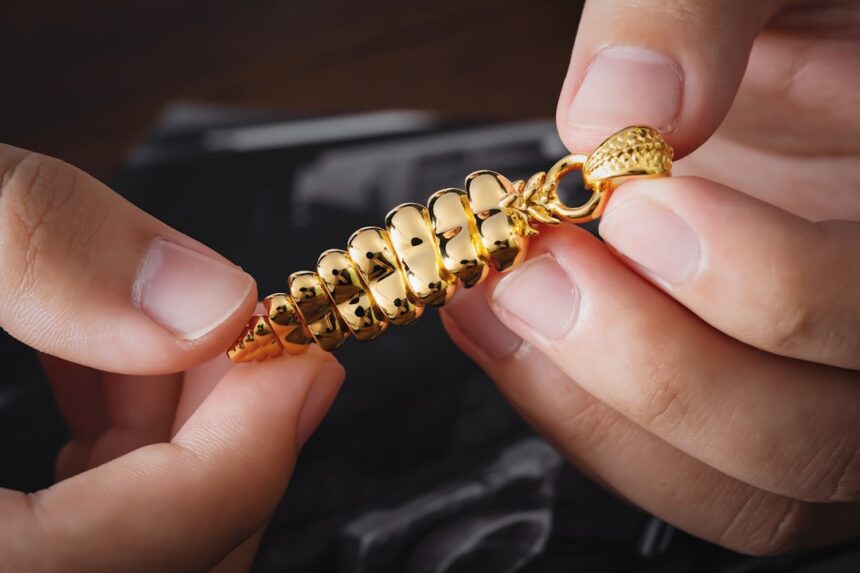
Jewelry engraving is a decorative technique that has been practiced for centuries, involving the carving or etching of designs, text, or symbols onto metal surfaces. This process transforms standard jewelry pieces into customized items with personal significance. Engraving adds sentimental value to jewelry, making pieces suitable as commemorative gifts or keepsakes.
Several engraving methods exist, ranging from traditional hand-engraving using specialized cutting tools to contemporary laser engraving technology. Hand-engraving requires skilled craftsmanship and produces unique, artisanal results, while laser engraving offers consistent precision and faster production times. Each technique produces distinct aesthetic qualities and accommodates different design requirements.
Jewelry engraving serves multiple purposes beyond decoration, primarily functioning as a method of personalization and commemoration. Common applications include inscribing wedding dates on rings, adding names to pendants, or etching meaningful messages onto various jewelry pieces. These engravings typically carry emotional significance related to important life events, relationships, or personal milestones.
Circumstances may arise where engraving removal or modification becomes necessary.
Understanding engraving techniques and their characteristics is important for jewelry owners, as different methods affect the feasibility and approach required for subsequent removal or modification procedures.
Key Takeaways
- Jewelry engraving adds personalized details but may need removal for resale or redesign.
- Different metals like gold, silver, platinum, and stainless steel require specific engraving removal techniques.
- Professional services offer safe and precise engraving removal, minimizing damage to the jewelry.
- DIY methods exist but carry risks; proper precautions and tools are essential to avoid harming the piece.
- Aftercare following engraving removal is crucial to maintain the jewelry’s appearance and durability.
The Importance of Removing Engraving
Removing engraving from jewelry can be a delicate matter, often driven by personal circumstances or aesthetic preferences. I have come to appreciate that the reasons for wanting to remove an engraving can be as varied as the engravings themselves. For instance, a piece that once symbolized love may now serve as a reminder of a past relationship, prompting the desire for change.
In such cases, removing the engraving can provide a sense of closure and allow for new beginnings. It’s not just about erasing the past; it’s about reclaiming the piece and redefining its significance in my life. Moreover, there are practical reasons for removing engravings as well.
Over time, engravings can become worn or faded, detracting from the overall appearance of the jewelry. I’ve noticed that some people may want to update an engraving to reflect new milestones or achievements, such as adding a child’s name or commemorating a new marriage.
Understanding the importance of this process helps me appreciate the emotional and practical implications behind it.
Traces of Engraving: What to Look For
When considering the removal of an engraving, it’s crucial to identify the traces left behind. I’ve learned that engravings can vary in depth and visibility, which can significantly influence the removal process. Some engravings are shallow and may only leave faint marks on the surface, while others can be deeply etched into the metal, making them more challenging to eliminate completely.
Observing these details is essential for determining the best approach to take. In addition to depth, I also pay attention to the type of metal involved. Different metals react differently to engraving techniques, and this can affect how easily an engraving can be removed.
For instance, gold may show signs of wear more readily than stainless steel, which is known for its durability. By closely examining the piece and understanding its material composition, I can better assess what methods might be most effective for removing any unwanted engravings.
Techniques for Removing Engraving from Gold Jewelry
When it comes to gold jewelry, I’ve discovered that there are several effective techniques for removing engravings. One common method is polishing, which involves using a fine abrasive compound to gently buff away the engraved area. This technique works particularly well for shallow engravings and can restore the piece’s original shine without compromising its integrity.
I find that using a professional-grade polishing wheel can yield impressive results, but it requires careful handling to avoid over-polishing and damaging the surrounding areas. Another technique I’ve encountered is laser removal, which offers precision and control. This method uses focused laser beams to vaporize the engraved material without affecting the surrounding gold.
I appreciate this approach because it minimizes the risk of altering the overall design of the jewelry. However, it’s essential to have this done by a skilled technician who understands how to operate laser equipment safely and effectively. Ultimately, choosing the right technique depends on the specific characteristics of the engraving and my desired outcome.
Techniques for Removing Engraving from Silver Jewelry
| Metric | Description | Typical Values | Measurement Method |
|---|---|---|---|
| Trace Depth | Depth of engraving removal marks on jewelry surface | 5 – 50 micrometers | Optical profilometry or microscopy |
| Surface Roughness (Ra) | Average roughness of the area after engraving removal | 0.2 – 1.5 micrometers | Contact or non-contact surface profilometer |
| Trace Width | Width of visible engraving removal lines or scratches | 10 – 200 micrometers | Microscopic imaging |
| Reflectivity Change | Change in surface reflectivity due to removal traces | 5% – 30% decrease | Gloss meter or spectrophotometer |
| Material Loss | Amount of metal removed during engraving removal | 0.01 – 0.1 grams (depending on jewelry size) | Weighing before and after removal |
| Visual Detectability | Ease of detecting removal traces by naked eye | Low to High (subjective scale) | Visual inspection under standard lighting |
Silver jewelry presents its own unique challenges when it comes to engraving removal. One effective method I’ve found is using a combination of sanding and polishing. By carefully sanding down the engraved area with fine-grit sandpaper, I can gradually remove the unwanted markings while maintaining control over the depth of removal.
This technique requires patience and precision, as I want to ensure that I don’t inadvertently damage other parts of the piece. Additionally, chemical solutions designed for silver can also aid in removing engravings. These solutions work by reacting with the metal surface to dissolve or lift away engraved areas.
However, I must exercise caution when using chemicals, as they can sometimes alter the finish of the silver if not used correctly. It’s always wise to test any solution on a small, inconspicuous area first before applying it more broadly. By understanding these techniques and their implications, I feel more equipped to tackle engraving removal on silver jewelry.
Techniques for Removing Engraving from Platinum Jewelry
Platinum is known for its durability and resistance to wear, but this also means that removing engravings from platinum jewelry can be more challenging than with other metals. One effective method I’ve learned about is using specialized grinding tools designed for platinum. These tools allow me to carefully grind away the engraved area while preserving the integrity of the surrounding metal.
It’s crucial to approach this method with care, as excessive grinding can lead to uneven surfaces or even compromise the piece’s structure. Another option for platinum engraving removal is laser technology, similar to what is used for gold jewelry. The precision offered by lasers makes them an excellent choice for platinum pieces with intricate designs or deep engravings.
I appreciate that this method minimizes physical contact with the metal, reducing the risk of damage during the process. Regardless of which technique I choose, understanding platinum’s unique properties helps me make informed decisions about how best to proceed with engraving removal.
Techniques for Removing Engraving from Stainless Steel Jewelry
Stainless steel is often favored for its strength and resistance to corrosion, but this durability also presents challenges when it comes to removing engravings. One effective technique I’ve discovered is using a rotary tool equipped with a diamond-tipped bit. This method allows me to carefully grind away at the engraved area while maintaining control over depth and pressure.
It’s important for me to work slowly and methodically to avoid creating scratches or uneven surfaces on the stainless steel. Another approach involves using abrasive pads specifically designed for stainless steel surfaces. These pads can help smooth out engraved areas without damaging the surrounding metal.
I find that combining these methods—grinding followed by polishing—can yield excellent results in restoring the original appearance of stainless steel jewelry. As with any removal process, patience and attention to detail are key in achieving a satisfactory outcome.
Professional Engraving Removal Services
While DIY methods can be effective for some individuals, there are times when seeking professional engraving removal services is the best course of action. I’ve come to appreciate that experienced jewelers possess specialized tools and techniques that can ensure a high-quality finish without risking damage to my jewelry. When considering professional services, I look for jewelers who have a solid reputation and experience in engraving removal specifically.
One advantage of opting for professional services is access to advanced technology such as laser engraving removal systems. These systems are often more precise than manual methods and can produce results that are difficult to achieve at home. Additionally, professionals can provide valuable insights into whether an engraving can be fully removed or if it would be better to cover it up with a new design instead.
Ultimately, entrusting my jewelry to skilled hands gives me peace of mind knowing that it will be treated with care and expertise.
DIY Engraving Removal Methods
For those who prefer a hands-on approach, there are several DIY methods available for removing engravings from jewelry. One popular technique involves using fine-grit sandpaper or polishing cloths to gently buff away engraved areas. I find that starting with a lower grit and gradually moving up allows me to control the process better while minimizing potential damage.
Another DIY option is using chemical solutions designed specifically for metal cleaning and restoration. These solutions can help dissolve or lift away engravings but require careful application and testing on small areas first. It’s essential for me to follow instructions closely and take necessary precautions when working with chemicals to ensure safety and effectiveness.
Precautions to Take When Removing Engraving
Regardless of whether I choose professional services or DIY methods for engraving removal, taking precautions is vital in ensuring both safety and success in the process. First and foremost, I always make sure to wear protective gear such as gloves and goggles when working with tools or chemicals. This helps safeguard against potential injuries or skin irritations.
Additionally, I take care to work in a well-ventilated area when using chemical solutions or power tools. Ensuring proper ventilation minimizes exposure to fumes or dust particles that could pose health risks. Lastly, I remind myself that patience is key; rushing through any step could lead to mistakes or damage that may be irreversible.
Aftercare for Jewelry Post-Engraving Removal
Once I’ve successfully removed an engraving from my jewelry, proper aftercare becomes essential in maintaining its appearance and longevity. One important step is cleaning the piece thoroughly to remove any residue left behind from sanding or chemical treatments. I typically use a gentle soap solution and soft cloth to avoid scratching the surface.
Following cleaning, I often apply a protective polish designed for the specific metal type of my jewelry. This not only enhances its shine but also provides a layer of protection against future scratches or tarnishing. Regular maintenance checks are also part of my aftercare routine; by keeping an eye on my jewelry’s condition over time, I can address any issues before they become significant problems.
In conclusion, understanding jewelry engraving and its removal processes has been an enlightening journey for me. Whether driven by personal circumstances or aesthetic preferences, knowing how to approach engraving removal empowers me to reclaim my jewelry pieces while preserving their beauty and significance.
If you’re looking for effective methods to remove traces of jewelry engraving, you might find valuable insights in this related article. It discusses various techniques and tools that can help restore your jewelry to its original state. For more information, check out the article here: Jewelry Engraving Removal Techniques.
FAQs
What is jewelry engraving removal?
Jewelry engraving removal is the process of eliminating or reducing the appearance of engraved text or designs on a piece of jewelry. This can be done for various reasons, such as repurposing the jewelry or correcting mistakes.
How is engraving removed from jewelry?
Engraving can be removed using several methods, including polishing, buffing, laser treatment, or re-cutting the surface. The choice of method depends on the type of metal, depth of the engraving, and the desired finish.
Are there visible traces left after engraving removal?
In many cases, some traces or slight surface irregularities may remain after engraving removal, especially if the engraving was deep. Skilled professionals can minimize these traces, but complete removal without any sign is not always possible.
Does engraving removal damage the jewelry?
If done properly by a professional, engraving removal should not significantly damage the jewelry. However, excessive polishing or aggressive removal techniques can thin the metal or alter the jewelry’s shape.
Can all types of jewelry be engraved and then have the engraving removed?
Most metals used in jewelry, such as gold, silver, platinum, and stainless steel, can be engraved and have the engraving removed. However, softer metals or delicate pieces may be more susceptible to damage during removal.
Is engraving removal a costly process?
The cost of engraving removal varies depending on the complexity, size of the engraving, type of metal, and the jeweler’s expertise. Generally, it is less expensive than custom re-engraving or jewelry replacement.
How long does engraving removal take?
The time required for engraving removal depends on the method used and the extent of the engraving. Simple polishing may take a few minutes, while laser removal or re-cutting can take longer.
Can engraving removal affect the value of the jewelry?
Engraving removal can affect the value of jewelry, especially if it alters the original design or finish. In some cases, removing personalized engravings can increase resale value, but improper removal may decrease it.
Is it possible to re-engrave jewelry after removal?
Yes, once the original engraving is removed and the surface is properly prepared, the jewelry can be re-engraved with new text or designs.
Should engraving removal be done by a professional jeweler?
Yes, engraving removal should be performed by a professional jeweler or specialist to ensure the best results and to avoid damage to the jewelry.