
Ridesharing services have fundamentally transformed modern transportation systems. These platforms enable users to request vehicles through mobile applications, providing enhanced accessibility and convenience compared to traditional transportation methods. The functionality of ridesharing relies heavily on sophisticated location tracking technology, primarily GPS systems, which monitor the real-time positions of both drivers and passengers to facilitate efficient service delivery and maintain safety protocols.
Location tracking technology serves as a core operational component of ridesharing platforms rather than an auxiliary feature. GPS-enabled systems allow companies to determine precise user locations, enabling route optimization algorithms that reduce passenger wait times and improve overall service efficiency.
The implementation of location tracking in ridesharing raises significant considerations regarding data privacy and security. While these systems enhance operational efficiency and user experience, they also generate extensive datasets containing sensitive location information. The collection, storage, and utilization of this data present challenges related to user privacy protection, data security protocols, and regulatory compliance.
Understanding these technological and ethical dimensions is crucial for stakeholders navigating the evolving ridesharing industry landscape.
Key Takeaways
- Rideshare location tracking enhances safety, security, and customer experience but raises significant privacy concerns.
- Legal and ethical considerations are crucial in managing how location data is collected, stored, and used.
- Location tracking benefits drivers and passengers by improving navigation, emergency response, and service efficiency.
- Collaboration with law enforcement must balance public safety with user privacy rights.
- The future of rideshare location tracking involves advancing technology while striving to protect user privacy and data security.
The Legal and Ethical Implications of Location Tracking
As I explore the legal landscape surrounding rideshare location tracking, I realize that it is fraught with complexities. Various laws govern how companies can collect and use location data, often varying significantly from one jurisdiction to another. In many regions, rideshare companies are required to obtain explicit consent from users before tracking their locations.
This legal framework aims to protect my privacy while ensuring that I am aware of how my data is being utilized. However, the reality is that many users may not fully understand the implications of granting such consent, raising ethical questions about informed decision-making.
I often find myself questioning how rideshare companies handle the data they collect. Are they using it solely for operational purposes, or is there a risk that my location data could be sold to third parties? The potential for misuse of sensitive information looms large in my mind.
As I consider these factors, it becomes clear that rideshare companies must navigate a fine line between leveraging location data for business growth and respecting the privacy rights of their users.
Data Collection and Privacy Concerns
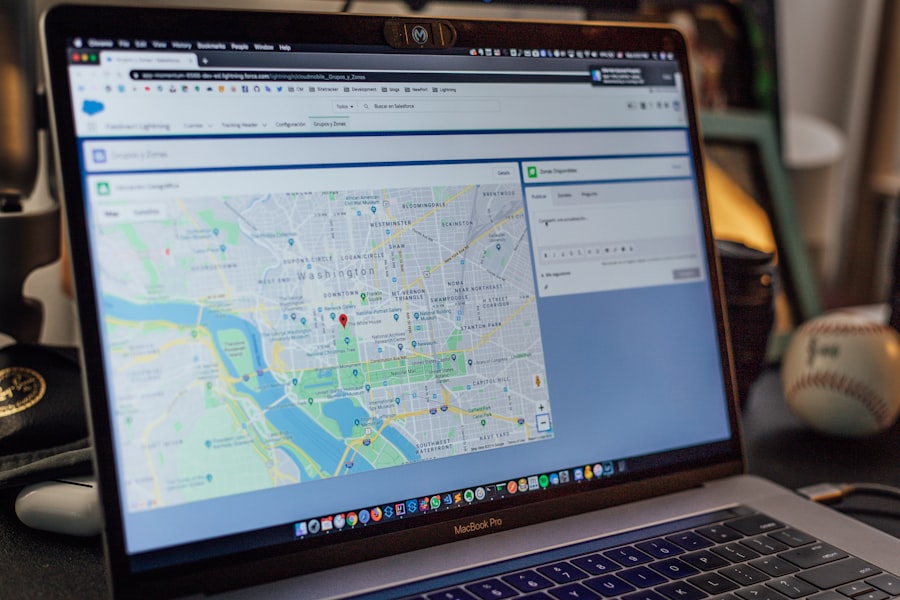
The collection of data in the rideshare industry is extensive, and as a user, I cannot help but feel a sense of unease about how much information is being gathered about me. Every ride I take generates a wealth of data points—my pickup and drop-off locations, the routes taken, and even the times of day when I typically request rides. While this data can enhance service efficiency, it also raises significant privacy concerns.
I often wonder who has access to this information and how securely it is stored. In an age where data breaches are increasingly common, my apprehension about privacy is justified. Rideshare companies must implement robust security measures to protect user data from unauthorized access.
However, even with these measures in place, I am left pondering whether any system can be entirely foolproof. The potential for my personal information to be compromised is a constant worry, leading me to question whether the convenience of ridesharing is worth the risk to my privacy.
How Rideshare Companies Use Location Tracking
Rideshare companies leverage location tracking in various ways to enhance their services and improve operational efficiency. For instance, when I request a ride, the app uses my GPS coordinates to connect me with the nearest available driver. This not only minimizes my wait time but also optimizes the driver’s route to ensure a timely arrival at my destination.
Additionally, real-time tracking allows me to monitor the driver’s progress on my screen, providing reassurance that help is on the way. Beyond immediate ride requests, location tracking plays a crucial role in data analytics for rideshare companies. By analyzing patterns in user behavior and traffic conditions, these companies can make informed decisions about where to deploy drivers during peak hours or identify areas with high demand.
This strategic use of location data ultimately benefits me as a rider by improving service availability and reducing wait times. However, while these operational advantages are evident, I remain cautious about how much of my personal information is being utilized in this process.
The Impact of Location Tracking on Safety and Security
| Metric | Description | Typical Data Source | Example Value | Relevance to Evidence |
|---|---|---|---|---|
| GPS Coordinates | Latitude and longitude points recorded during the ride | Rideshare app GPS logs | 37.7749° N, 122.4194° W | Pinpoints exact location of vehicle during trip |
| Timestamp | Date and time of each location ping | Rideshare app server logs | 2024-06-01 14:35:22 | Establishes timeline of ride events |
| Trip Start Location | Pickup point of the passenger | App booking data | 123 Main St, Cityville | Confirms where the ride began |
| Trip End Location | Drop-off point of the passenger | App booking data | 456 Oak Ave, Cityville | Confirms where the ride ended |
| Route Taken | Path traveled between start and end points | GPS tracking data | Map polyline coordinates | Shows actual route, useful for verifying detours |
| Speed Data | Vehicle speed recorded during trip | GPS telemetry | Average 25 mph | Can indicate driving behavior or anomalies |
| Device ID | Unique identifier of the driver’s or passenger’s device | App metadata | ABC123XYZ | Links data to specific user/device |
| Ride Duration | Total time from pickup to drop-off | App trip summary | 18 minutes | Helps verify trip length and timing |
| Distance Traveled | Total miles/kilometers covered during trip | GPS data and app calculations | 7.2 miles | Corroborates route and trip duration |
Safety is a paramount concern for anyone using rideshare services, and location tracking significantly contributes to enhancing security for both drivers and passengers. When I enter a vehicle through a rideshare app, I feel a sense of reassurance knowing that my location is being monitored in real-time. This feature not only allows me to share my ride details with friends or family but also enables rideshare companies to track trips for safety purposes.
In case of an emergency or an unexpected detour, help can be dispatched quickly. However, while location tracking enhances safety measures, it also raises questions about accountability. If something were to go wrong during a ride—whether it be an accident or an altercation—how effectively can rideshare companies respond?
The ability to access real-time location data can aid investigations and provide crucial information to law enforcement if necessary. Yet, I often wonder if this level of oversight could lead to complacency among drivers or passengers who might feel overly reliant on technology for their safety.
Location Tracking and Customer Experience

The customer experience in ridesharing is heavily influenced by location tracking technology. As I engage with these services, I appreciate features like estimated arrival times and route optimization that stem from accurate location data. Knowing when my driver will arrive allows me to plan my time more effectively, reducing frustration associated with waiting.
Additionally, real-time updates keep me informed throughout the journey, enhancing my overall experience. However, there are moments when location tracking can lead to dissatisfaction as well. For instance, if there are unexpected delays due to traffic or other factors beyond anyone’s control, I may feel frustrated if the app does not provide timely updates or explanations.
In such cases, transparency becomes crucial; I want to know why my ride is taking longer than expected. Striking a balance between leveraging technology for efficiency while maintaining open communication with customers is essential for rideshare companies aiming to enhance user satisfaction.
Location Tracking and Driver Experience
For drivers in the rideshare industry, location tracking serves as both a tool for efficiency and a source of stress. On one hand, GPS technology allows drivers like me to navigate unfamiliar areas with ease and find the quickest routes to pick up passengers or drop them off at their destinations. This capability not only improves my earnings potential by maximizing ride opportunities but also enhances my overall job satisfaction.
On the other hand, constant monitoring can create pressure for drivers to perform at their best at all times. Knowing that my every move is being tracked can lead to anxiety about maintaining high ratings or meeting performance metrics set by the company. Additionally, there are concerns about privacy; as a driver, I may feel uncomfortable with the idea that my location is being shared without my explicit consent beyond what is necessary for providing rides.
Balancing efficiency with respect for driver autonomy is crucial for fostering a positive working environment in the rideshare industry.
Location Tracking and Emergency Situations
In emergency situations, location tracking can be a lifesaver—literally. When I find myself in distress during a ride or if an accident occurs, having my precise location readily available can expedite emergency response efforts. Rideshare apps often include features that allow me to alert authorities or share my ride details with trusted contacts in case of an emergency.
This capability provides peace of mind as I navigate unfamiliar areas or late-night rides. However, while technology can enhance safety during emergencies, it is essential for rideshare companies to ensure that these features are easily accessible and user-friendly. In high-stress situations, I may not have the presence of mind to navigate complex app interfaces or remember specific steps to take.
Therefore, clear communication about emergency protocols within the app is vital for ensuring that users like me can act swiftly when needed.
Location Tracking and Law Enforcement
The relationship between rideshare companies and law enforcement agencies is another critical aspect of location tracking that warrants consideration. In instances where criminal activity occurs during a ride—be it theft or assault—having access to accurate location data can aid investigations significantly. Law enforcement can request trip details from rideshare companies to gather evidence or track down suspects involved in criminal activities.
While this collaboration can enhance public safety, it also raises concerns about user privacy rights. As someone who values personal privacy, I am wary of how easily my data could be accessed by authorities without my consent or knowledge. Striking a balance between aiding law enforcement efforts and protecting individual privacy rights is essential for maintaining trust between rideshare companies and their users.
The Future of Location Tracking in Ridesharing
As technology continues to evolve at an unprecedented pace, the future of location tracking in ridesharing holds exciting possibilities—and potential challenges—as well. Innovations such as enhanced geofencing capabilities could allow rideshare companies to create designated pickup and drop-off zones based on real-time traffic patterns or events happening in specific areas. This could streamline operations further while improving user experience.
However, with advancements come new ethical dilemmas surrounding data usage and privacy concerns. As I look ahead, I hope that rideshare companies prioritize transparency regarding how they collect and utilize location data while implementing robust security measures to protect user information from breaches or misuse. The future landscape will require ongoing dialogue between companies and users to ensure that technological advancements do not come at the expense of individual rights.
Balancing Convenience and Privacy in Rideshare Location Tracking
In conclusion, as I reflect on the multifaceted nature of rideshare location tracking, it becomes evident that striking a balance between convenience and privacy is paramount for both users and providers alike. While the benefits of real-time tracking enhance safety and improve operational efficiency within the industry, they also raise significant ethical questions regarding data collection practices and user consent. As we move forward into an increasingly interconnected world where technology plays an integral role in our daily lives, it is essential for rideshare companies to prioritize transparency and user education regarding their data practices.
By fostering open communication with users about how their information is collected and utilized—and implementing robust security measures—rideshare companies can build trust while continuing to innovate within this dynamic industry. Ultimately, as both a rider and an observer of this evolving landscape, I believe that finding harmony between convenience and privacy will be crucial for shaping the future of ridesharing—a future where technology serves us without compromising our fundamental rights.
In recent discussions about rideshare location tracking, the implications of data privacy have come to the forefront. A related article that delves into the nuances of this issue can be found at this link, where it explores how location tracking can impact user privacy and the measures that can be taken to safeguard personal information.
FAQs
What is rideshare location tracking evidence?
Rideshare location tracking evidence refers to the digital data collected by ridesharing apps that records the geographic location and movement of a vehicle during a ride. This data can include GPS coordinates, timestamps, routes taken, pick-up and drop-off points, and sometimes speed and stops made during the trip.
How is rideshare location tracking data collected?
Rideshare location tracking data is collected through the GPS functionality of the driver’s and passenger’s smartphones or the vehicle’s onboard GPS system. The rideshare app continuously records location information throughout the duration of the ride to facilitate navigation, fare calculation, and safety monitoring.
Can rideshare location tracking evidence be used in legal cases?
Yes, rideshare location tracking evidence can be used in legal cases such as disputes over fares, accidents, criminal investigations, or claims of misconduct. Courts may accept this data as evidence to verify timelines, routes, and the presence of individuals at specific locations.
Who has access to rideshare location tracking data?
Typically, the rideshare company has access to the location tracking data collected during rides. Drivers and passengers may also access their own trip history through the app. Access by third parties usually requires legal authorization, such as a subpoena or court order.
Is rideshare location tracking data accurate?
Rideshare location tracking data is generally accurate due to GPS technology, but it can sometimes be affected by factors like signal interference, urban canyons, or device limitations. Minor discrepancies in location or timing may occur but are usually minimal.
How long is rideshare location tracking data stored?
The duration for which rideshare companies store location tracking data varies by company policy and jurisdictional regulations. Some companies retain data for several months to years to comply with legal requirements and improve service quality.
Can rideshare location tracking evidence be tampered with?
While it is technically possible to alter digital data, rideshare companies implement security measures to protect the integrity of location tracking records. Tampering with such evidence is illegal and can be detected through forensic analysis.
How can I obtain my rideshare location tracking data?
Users can typically access their trip history, including location data, through the rideshare app or by requesting it from customer support. For official or legal purposes, a formal data request or subpoena may be necessary.
Are there privacy concerns related to rideshare location tracking?
Yes, privacy concerns exist because location tracking data reveals detailed information about users’ movements and habits. Rideshare companies are required to follow privacy laws and implement safeguards to protect user data from unauthorized access or misuse.