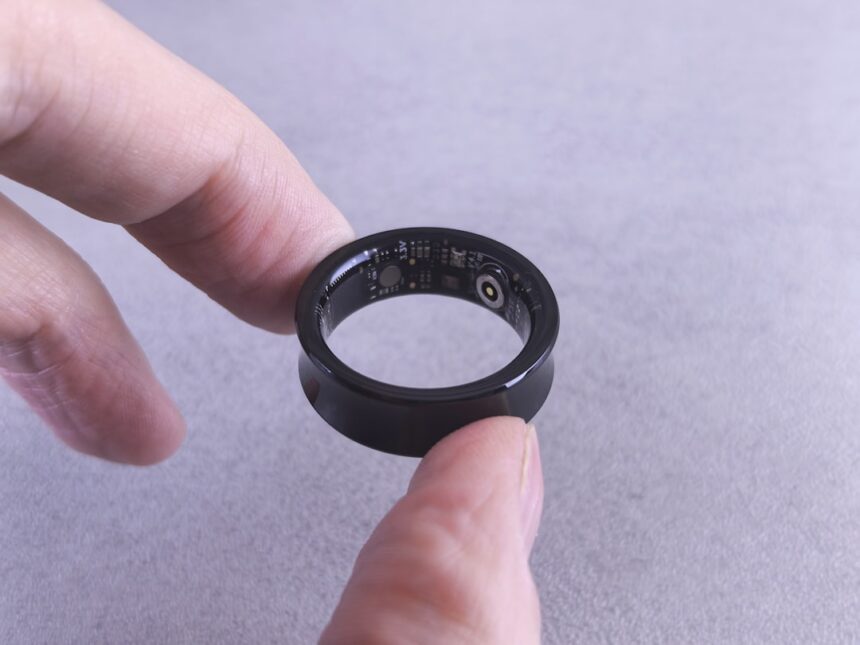
In recent years, the concept of sleep tracking has gained significant traction, becoming a staple in the realm of health and wellness. As someone who has always been curious about my own sleep patterns, I find it fascinating how technology has evolved to help us understand our nightly rest. Sleep tracking involves monitoring various aspects of sleep, such as duration, quality, and cycles, often through wearable devices or smartphone applications.
This newfound ability to quantify our sleep has opened up a world of insights, allowing individuals to make informed decisions about their health and lifestyle. The importance of sleep cannot be overstated; it is a fundamental pillar of our overall well-being. As I delve deeper into the world of sleep tracking, I realize that it not only serves as a tool for personal health but also has broader implications for relationships and social dynamics.
The ability to analyze sleep data can lead to revelations that may strengthen or challenge the bonds we share with others. In this article, I will explore the intricacies of sleep tracking, its impact on relationships, and the ethical considerations that arise in this digital age.
Key Takeaways
- Sleep tracking technology offers insights into personal sleep patterns but can also reveal sensitive information.
- The popularity of sleep tracking apps has grown, influencing how couples monitor and understand each other’s habits.
- Sleep data inadvertently exposed a secret affair, highlighting privacy risks associated with technology.
- Discovering infidelity through sleep tracking can cause significant emotional distress and challenge trust in relationships.
- Protecting privacy and understanding legal implications are crucial as technology increasingly intersects with personal relationships.
How Sleep Tracking Works
Sleep tracking typically involves the use of technology to monitor various physiological signals during sleep. Many devices, such as smartwatches and fitness trackers, utilize sensors to measure heart rate, movement, and even blood oxygen levels. When I first started using a sleep tracker, I was amazed at how much information could be gleaned from a single night’s rest.
The device would analyze my movements throughout the night, distinguishing between light sleep, deep sleep, and REM sleep. This data provided me with a clearer picture of my sleep quality and highlighted areas for improvement. In addition to wearable devices, there are numerous apps available that can track sleep using just a smartphone.
These applications often employ sound analysis to detect movements and noises during the night. I found it intriguing how these apps could provide insights into my sleep environment, such as disturbances caused by snoring or external noises. By compiling this data over time, I could identify patterns and make adjustments to enhance my sleep experience.
However, while the technology is impressive, it also raises questions about privacy and the potential consequences of sharing such intimate information.
The Rise of Sleep Tracking Apps

The proliferation of sleep tracking apps has transformed the way we approach our nightly rest. With a simple download, I could access a wealth of information about my sleep habits right from my smartphone. These apps have become increasingly sophisticated, offering features like personalized recommendations based on my sleep data and integration with other health metrics.
As I explored various options, I noticed that many apps also included community features, allowing users to share their experiences and tips for better sleep. The rise of these apps reflects a growing societal awareness of the importance of sleep in our lives. As someone who has struggled with insomnia in the past, I found solace in knowing that I was not alone in my quest for better rest.
The community aspect of these apps fostered a sense of camaraderie among users, creating a space where we could discuss our challenges and celebrate our successes. However, this trend also raises concerns about the potential for over-reliance on technology to dictate our health choices and the implications that may have on our relationships.
The Impact of Sleep Tracking on Relationships
| Metric | Before Sleep Tracking | After Sleep Tracking | Impact on Relationship |
|---|---|---|---|
| Average Sleep Duration (hours) | 6.2 | 7.1 | Improved rest leads to better mood and communication |
| Sleep Quality (scale 1-10) | 5.4 | 7.8 | Higher quality sleep reduces irritability and conflict |
| Frequency of Sleep-Related Arguments (per month) | 3.5 | 1.2 | Better understanding of sleep needs decreases disputes |
| Partner Sleep Awareness (%) | 40 | 85 | Increased empathy and support for sleep habits |
| Reported Relationship Satisfaction (scale 1-10) | 6.7 | 8.3 | Improved sleep correlates with higher satisfaction |
As I began to incorporate sleep tracking into my daily routine, I noticed its effects extending beyond my personal health. The data I collected often sparked conversations with my partner about our respective sleep habits. We would compare our findings and discuss how our sleeping patterns affected our moods and energy levels throughout the day.
This newfound awareness allowed us to support each other in making healthier choices, such as establishing a consistent bedtime or creating a more conducive sleep environment. However, the impact of sleep tracking on relationships is not always positive. In some cases, the data can reveal uncomfortable truths that may lead to conflict or distrust.
For instance, if one partner consistently sleeps poorly while the other enjoys restful nights, it can create feelings of resentment or frustration. Additionally, the potential for misinterpretation of data can lead to misunderstandings. I’ve seen instances where one partner’s late-night activities were scrutinized based on sleep data, leading to unnecessary tension.
It’s essential to approach these discussions with empathy and understanding to avoid damaging the relationship.
The Discovery of the Secret Affair
In an age where technology can unveil hidden truths, the story of a secret affair can unfold in unexpected ways. Imagine discovering that your partner has been unfaithful not through a confession but through the data collected by a sleep tracker. This scenario highlights the darker side of sleep tracking—how it can inadvertently expose infidelity.
When I first heard about such a situation, it struck me how easily trust could be shattered by something as seemingly innocuous as a fitness app. The revelation often comes when one partner notices discrepancies in their partner’s sleep patterns—late nights spent awake or unusual sleeping hours that don’t align with their shared routines. This kind of data can serve as a red flag, prompting further investigation into what might be happening behind closed doors.
As someone who values honesty in relationships, I found it unsettling to think that technology could play such a pivotal role in uncovering betrayal.
The Role of Technology in Exposing the Affair
Technology has become an integral part of our lives, influencing how we communicate and interact with one another. In cases of infidelity, it can serve as both a tool for discovery and a source of pain. When I reflect on how technology can expose an affair, I realize that it goes beyond just sleep tracking; social media activity, location tracking, and messaging apps all contribute to revealing hidden behaviors.
In my own experiences with technology, I’ve seen how easy it is to misinterpret data or jump to conclusions based on incomplete information. However, when it comes to infidelity, the stakes are much higher. The emotional fallout from discovering an affair can be devastating, leading to feelings of betrayal and heartbreak.
As I consider the role technology plays in these situations, I recognize the need for open communication and trust between partners to navigate the complexities that arise from digital interactions.
The Emotional Toll of the Discovery
The emotional toll of discovering an affair is profound and far-reaching.
As someone who values emotional connections deeply, I empathize with those who have experienced this kind of heartbreak.
The initial shock can leave one questioning their self-worth and wondering what went wrong in the relationship. In addition to feelings of betrayal, there is often a sense of loss—loss of trust, loss of intimacy, and loss of the future one envisioned with their partner. The emotional aftermath can lead to anxiety and depression as individuals grapple with their feelings and attempt to make sense of what has happened.
It’s crucial for those affected by infidelity to seek support from friends or professionals who can help them navigate this challenging journey toward healing.
Rebuilding Trust After the Affair
Rebuilding trust after an affair is no small feat; it requires commitment from both partners to work through the pain and restore their relationship. As someone who believes in the power of forgiveness and growth, I understand that this process takes time and effort from both parties involved. Open communication is essential during this phase; both partners must be willing to express their feelings honestly while also listening to each other’s perspectives.
Establishing new boundaries is another critical aspect of rebuilding trust. After an affair is discovered, it’s important for both partners to discuss what changes need to be made moving forward. This might involve setting limits on technology use or agreeing on transparency regarding communication with others.
As I reflect on this process, I recognize that rebuilding trust is not just about addressing past mistakes but also about creating a stronger foundation for the future.
The Legal and Ethical Implications of Sleep Tracking
As sleep tracking becomes more prevalent in our society, it raises important legal and ethical questions regarding privacy and consent. When I think about how easily personal data can be collected and shared through these devices and apps, I feel a sense of unease about how that information might be used against individuals in sensitive situations like infidelity cases. The potential for misuse is significant; data collected without consent could lead to legal ramifications or ethical dilemmas.
Moreover, there is an ongoing debate about who owns the data generated by these devices—users or manufacturers? As someone who values privacy, I find it essential to consider how much control we have over our personal information in an increasingly digital world. It’s crucial for individuals to be aware of their rights regarding data collection and usage while also advocating for stronger regulations that protect personal privacy in the age of technology.
Tips for Protecting Privacy in the Age of Sleep Tracking
In light of the potential risks associated with sleep tracking technology, it’s essential for individuals to take proactive steps to protect their privacy. One key tip is to thoroughly research any app or device before use; understanding how data is collected and stored can help users make informed decisions about what they share. Additionally, adjusting privacy settings within apps can provide greater control over who has access to personal information.
Another important consideration is being mindful of what information is shared with partners or friends regarding sleep data. While transparency can foster open communication in relationships, it’s vital to establish boundaries around sensitive topics like sleep patterns or health metrics. As someone who values privacy in my own life, I believe that maintaining control over personal information is crucial for fostering healthy relationships built on trust.
Navigating the Complexities of Modern Relationships
As I reflect on the complexities introduced by sleep tracking technology in modern relationships, I recognize that it offers both opportunities for growth and challenges that must be navigated carefully. While tracking our sleep can lead to improved health outcomes and deeper connections with partners through shared insights, it also raises ethical questions about privacy and trust. Ultimately, navigating these complexities requires open communication and mutual respect between partners.
By fostering an environment where both individuals feel comfortable discussing their needs and concerns—whether related to sleep habits or other aspects of their relationship—couples can work together toward building stronger bonds grounded in understanding and empathy. In this ever-evolving digital landscape, it’s essential for us all to remain vigilant about protecting our privacy while also embracing the benefits that technology can bring to our lives.
In a recent investigation into the implications of sleep tracking technology, an article titled “The Hidden Truths of Sleep Tracking: What Your Data Reveals” sheds light on how these devices can inadvertently expose personal affairs. The findings suggest that sleep patterns can reveal more than just restfulness; they may also indicate changes in relationship dynamics. For more insights on this topic, you can read the full article here.
WATCH THIS! My Wife’s Heart Rate Hit 172 During a ‘Quiet Budget Meeting’
FAQs
What is sleep tracking?
Sleep tracking is the use of devices or apps to monitor and record various aspects of a person’s sleep patterns, such as duration, quality, and movements during sleep.
How can sleep tracking expose an affair?
Sleep tracking devices can reveal unusual patterns, such as inconsistent sleep times, frequent awakenings, or unexpected locations, which may raise suspicions and lead to the discovery of an affair.
What types of devices are used for sleep tracking?
Common sleep tracking devices include wearable fitness trackers, smartwatches, dedicated sleep monitors, and smartphone apps that use sensors to collect sleep data.
Is sleep tracking data private?
Sleep tracking data is generally stored on the device or associated apps and is intended to be private. However, if shared or accessed by others without consent, it can reveal personal information.
Can sleep tracking data be inaccurate?
Yes, sleep tracking devices may sometimes provide inaccurate data due to device limitations, improper use, or external factors affecting sensor readings.
Are there ethical concerns about using sleep tracking to uncover personal information?
Yes, using sleep tracking data to monitor or expose someone’s private life without their consent raises ethical and privacy concerns.
How can someone protect their privacy when using sleep tracking devices?
Users can protect their privacy by securing their devices with passwords, managing app permissions carefully, and being cautious about sharing sleep data with others.
Can sleep tracking help improve sleep quality?
Yes, by providing insights into sleep patterns, sleep tracking can help individuals identify issues and make lifestyle changes to improve sleep quality.
Is it common for sleep tracking to reveal unexpected personal information?
While not common, there have been reported cases where sleep tracking data has inadvertently revealed personal information, including infidelity or health issues.
Should sleep tracking be used as evidence in personal disputes?
Sleep tracking data alone may not be conclusive evidence in personal disputes and should be considered alongside other information and context.