
The persistent hum of the engine, a soundtrack to countless journeys, has long been intertwined with another, less desirable narrative: infidelity. In the age of ubiquitous technology, the question of how to ascertain a partner’s fidelity has shifted from clandestine surveillance to digital footprints. Smart car GPS tracking, a technology initially designed for fleet management and personal safety, has emerged as a controversial tool in this complex emotional landscape. I, like many, have grappled with doubt, and the allure of such a solution, promising concrete answers in the murky waters of suspicion, is understandable. However, understanding its implications, both practical and ethical, is paramount before considering such a step.
The modern automobile is no longer just a mode of transportation; it has evolved into a sophisticated data-generating hub. This transformation is largely driven by the integration of global positioning system (GPS) technology, enabling a myriad of functionalities that extend far beyond navigation.
Navigation and its Evolution
Initially, GPS in cars was primarily a navigational aid. Drivers could input destinations, and a synthesized voice would guide them through complex road networks, a far cry from the crumpled paper maps of the past. This technology, when it first entered the consumer market, was a novelty, a glimpse into a future where our environment was constantly aware of our presence and intent.
Beyond Basic Navigation: Infotainment and Connectivity
Today’s smart cars offer an integrated infotainment system that connects to the internet, allowing for streaming services, real-time traffic updates, and even communication features. This constant connectivity creates a digital trail of the vehicle’s movements, a breadcrumb path that can be meticulously reconstructed.
Data Collection and its Potential Applications
The data generated by these connected vehicles is extensive. It includes information about speed, acceleration, braking patterns, fuel consumption, and most critically for our discussion, the precise location and duration of each journey. This data, when aggregated and analyzed, can paint a detailed picture of a car’s activity. This is the very essence of what makes smart car GPS tracking a potential tool for uncovering infidelity.
Smart car GPS tracking technology has raised concerns about privacy and trust in relationships, particularly when it comes to infidelity. For those interested in exploring this topic further, a related article discusses the implications of using GPS tracking devices to monitor a partner’s whereabouts and the ethical dilemmas that arise from such actions. You can read more about it in this insightful piece: here.
GPS Tracking: A Technological Overview
At its core, GPS is a satellite-based navigation system that provides accurate location and time information anywhere on or near the Earth. When applied to a smart car, this technology is amplified, becoming a potent instrument of observation.
The Fundamentals of GPS Technology
The system relies on a network of satellites orbiting the Earth. A GPS receiver in the vehicle communicates with at least four of these satellites to triangulate its precise position. The signals from the satellites contain information about their location and the precise atomic time. By measuring the time it takes for these signals to reach the receiver, the device can calculate its distance from each satellite and, through complex algorithms, determine its latitude, longitude, and altitude.
How Smart Cars Utilize GPS
In a smart car, the GPS receiver is integrated into the vehicle’s onboard computer system. This allows for not only navigational purposes but also for the logging and transmission of location data. Manufacturers often incorporate this to improve diagnostics, offer stolen vehicle recovery services, and gather data for traffic analysis and road safety improvements. However, this same capability can be leveraged for more personal, and potentially intrusive, tracking.
Types of GPS Tracking Devices for Vehicles
There are several ways GPS tracking can be implemented in a car.
Integrated Systems: Many modern vehicles come with factory-installed GPS systems. These systems are often tied to the car’s internal network and may require a subscription service for advanced features. Data access for these systems can be through a manufacturer’s app or a web portal.
Aftermarket Devices: These are separate units that can be plugged into the car’s OBD-II port (On-Board Diagnostics), hardwired, or even magnetically attached to the vehicle. These devices typically connect wirelessly to a cellular network to transmit location data to a server, which can then be accessed via a smartphone app or website.
Smartphone-Based Tracking: While not strictly “smart car GPS tracking” in terms of dedicated hardware, many individuals utilize smartphone apps that record location history. If a partner’s phone is consistently in the car, its GPS data could indirectly provide similar information, though with less precision regarding the vehicle itself.
The Allure of Certainty: GPS as a “Solution” for Cheating
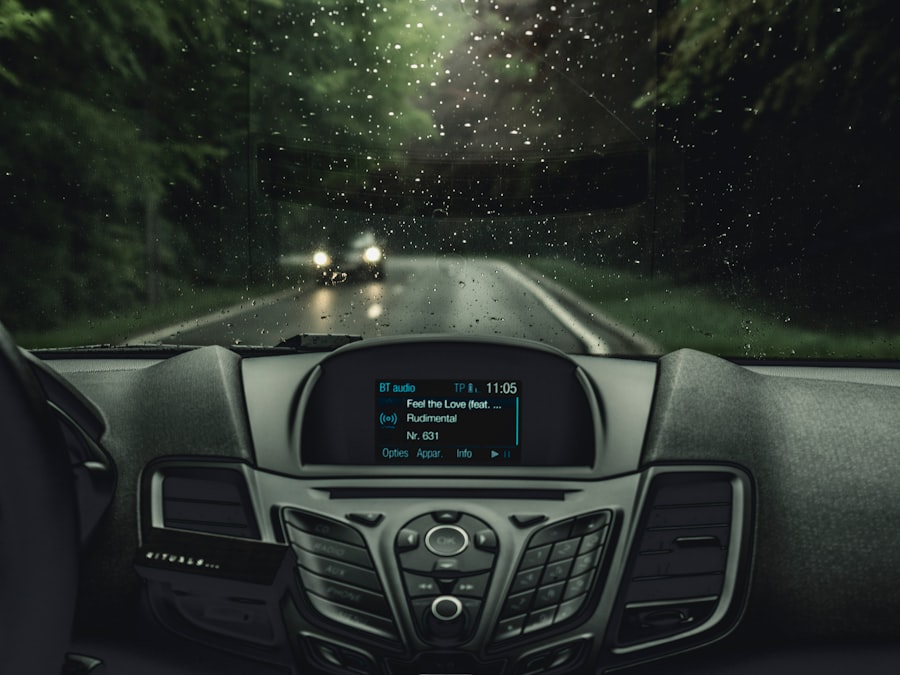
The emotional turmoil of suspicion is a gnawing experience. The uncertainty can erode trust, breed anxiety, and create a chasm in a relationship. In this context, smart car GPS tracking offers a seemingly straightforward path to concrete evidence, a way to cut through the fog of doubt.
Replacing Ambiguity with Data
When trust is fractured, the human mind often seeks tangible proof. The abstract nature of suspicion can be overwhelming, leading to sleepless nights and constant second-guessing. GPS tracking, with its precise timestamps and geographical coordinates, promises to replace this ambiguity with irrefutable data. It allows one to move from “I suspect” to “I know.”
The Temptation of Control
In relationships where control has been eroded by betrayal, the idea of regaining some sense of power can be deeply tempting. GPS tracking offers a way to have eyes on the situation, a constant vigil that can feel empowering, even if it stems from a place of pain. It’s like having a remote control for the narrative, dictating what information is revealed.
Unveiling Hidden Journeys
The core appeal lies in uncovering movements that are, intentionally or unintentionally, being concealed. If a partner claims to be working late, but GPS data shows them at a location inconsistent with their explanation, a powerful disparity is revealed. These discrepancies, the silent witnesses of a car’s movements, are the very things that GPS tracking is designed to expose. The car’s logbook becomes an unbiased accountant of its time.
Ethical Minefields and Legal Ramifications

While the allure of uncovering infidelity through GPS tracking is potent, the ethical and legal landscape surrounding such actions is fraught with peril. The line between seeking truth and infringing upon privacy is delicate and easily crossed.
Privacy as a Fundamental Right
In most jurisdictions, individuals have a reasonable expectation of privacy. Tracking someone’s movements without their knowledge or consent can be seen as a significant violation of this right. Even within a marital or partnership context, the expectation of privacy doesn’t vanish entirely. It’s akin to planting listening devices in a shared home without informing the other occupant.
Consent and Ownership of Data
The question of consent is central. If the car is jointly owned, or if the tracking device is placed without the knowledge of the person being tracked, the ethical standing of the action is questionable. Furthermore, the ownership of the data generated by the vehicle’s GPS system can be complex, often residing with the manufacturer or the service provider.
The Legal Landscape of Surveillance
Laws regarding electronic surveillance and the use of GPS tracking vary significantly by region. In many places, it is illegal to track a person without their consent, especially if it involves placing a device on a vehicle that isn’t solely yours. These laws are designed to prevent unauthorized intrusions into personal lives. Even if the intent is to uncover infidelity, the act of clandestine tracking can lead to legal repercussions, including fines and even criminal charges. This is a crucial point: attempting to win a battle of trust by breaking the law is a Pyrrhic victory.
Consent and Joint Ownership
If the vehicle is jointly owned or is the primary vehicle used by both partners, the situation becomes more complex. While one might argue they have a right to know where their jointly owned property is going, placing a tracker without explicit agreement can still be deemed a violation of privacy. Imagine a shared bank account – you have access, but you can’t unilaterally use funds to spy on the other account holder’s activities.
Smart car GPS tracking has become a topic of interest for many, particularly when it comes to concerns about infidelity. A recent article explores how these tracking systems can be misused to monitor a partner’s movements without their consent. This raises ethical questions about privacy and trust in relationships. For more insights on this issue, you can read the article on the implications of smart car technology and cheating by following this link.
Repercussions and Alternative Approaches
| Metric | Description | Typical Value | Relevance to Cheating Detection |
|---|---|---|---|
| Real-time Location Accuracy | Precision of GPS coordinates in meters | 3-10 meters | High accuracy helps detect unauthorized detours or secret meetings |
| Update Frequency | How often location data is refreshed | Every 5-30 seconds | Frequent updates allow detailed tracking of movements |
| Geofencing Alerts | Notifications when vehicle enters/exits predefined zones | Configurable | Alerts can indicate visits to suspicious locations |
| Trip History Storage | Duration for which past routes are saved | 30-90 days | Enables review of past trips for suspicious patterns |
| Speed Monitoring | Tracking vehicle speed during trips | Up to 200 mph (320 km/h) | Can detect unusual driving behavior or stops |
| Battery Life (if portable) | Duration device operates without external power | 12-48 hours | Ensures continuous tracking even if vehicle power is off |
| Data Privacy Compliance | Adherence to legal standards for tracking | Varies by region | Important to ensure ethical and legal use of tracking data |
The pursuit of truth through clandestine GPS tracking, while seemingly offering a solution, often brings with it unintended and detrimental consequences. Moreover, there are often more constructive, albeit more emotionally challenging, ways to address marital discord and infidelity.
The Erosion of Trust and the Cycle of Paranoia
Even if evidence of infidelity is found, the act of secretly tracking can itself irrevocably damage the relationship. The discovery of such surveillance can lead to feelings of betrayal, anger, and a deep sense of violation. The relationship, instead of being healed by the truth, may crumble under the weight of deceit. The trust that was broken by suspected infidelity is then further shattered by the act of spying, creating a feedback loop of suspicion and animosity.
The Emotional Toll on the Tracker
Living with the constant need to monitor a partner is an emotionally draining existence. It fosters an environment of suspicion and anxiety, consuming mental energy and detracting from personal well-being. This self-imposed vigil can become a prison of paranoia, where genuine connection is replaced by obsessive observation.
The Importance of Direct Communication
In a healthy relationship, open and honest communication is the bedrock. Addressing concerns directly, even when difficult, is often the most productive path. Instead of relying on technological subterfuge, consider having a conversation about your suspicions and fears. While this requires immense courage, it offers the possibility of genuine understanding and resolution. It’s like a surgeon choosing to perform a difficult but precise operation rather than resorting to blunt force.
Seeking Professional Guidance
If communication proves too difficult or if the suspicions are deeply entrenched, professional help can be invaluable. Relationship counselors or therapists can provide a neutral space for dialogue and equip couples with the tools to navigate complex issues. They act as skilled mediators, facilitating understanding where direct communication has failed. This is not an admission of weakness, but an intelligent application of expertise.
Considering the Future of the Relationship
Ultimately, the decision of how to proceed after uncovering infidelity, or even while grappling with the possibility, is deeply personal. GPS tracking might offer a snapshot of actions, but it doesn’t provide context for the underlying issues within the relationship. It’s crucial to consider what outcome is truly desired: irrefutable proof that may lead to the end of the relationship, or a path towards understanding and potential reconciliation, which often requires a different approach. The data from a GPS tracker is merely a symptom; the root cause of a relationship’s distress often lies much deeper.
FAQs
What is smart car GPS tracking?
Smart car GPS tracking is a technology that uses Global Positioning System (GPS) devices installed in vehicles to monitor and record their location, speed, and routes in real-time or over a period of time.
Can smart car GPS tracking be used to detect cheating?
Yes, smart car GPS tracking can be used to monitor a partner’s vehicle movements, which some people use to check for suspicious or unexplained trips that might indicate infidelity. However, it is important to consider privacy and legal implications before using such technology.
Is it legal to install a GPS tracker on someone else’s car?
Laws vary by jurisdiction, but generally, installing a GPS tracker on a vehicle you do not own or have explicit permission to track can be illegal and considered an invasion of privacy. It is advisable to consult local laws before using GPS tracking for monitoring purposes.
How accurate is smart car GPS tracking?
Smart car GPS tracking is typically very accurate, often pinpointing a vehicle’s location within a few meters. Accuracy can depend on factors such as the quality of the GPS device, signal strength, and environmental conditions.
Are there ethical concerns with using GPS tracking to catch a cheating partner?
Yes, there are ethical concerns related to trust, privacy, and consent when using GPS tracking to monitor a partner. Using such technology without consent can damage relationships and may have legal consequences. Open communication is generally recommended over covert tracking.