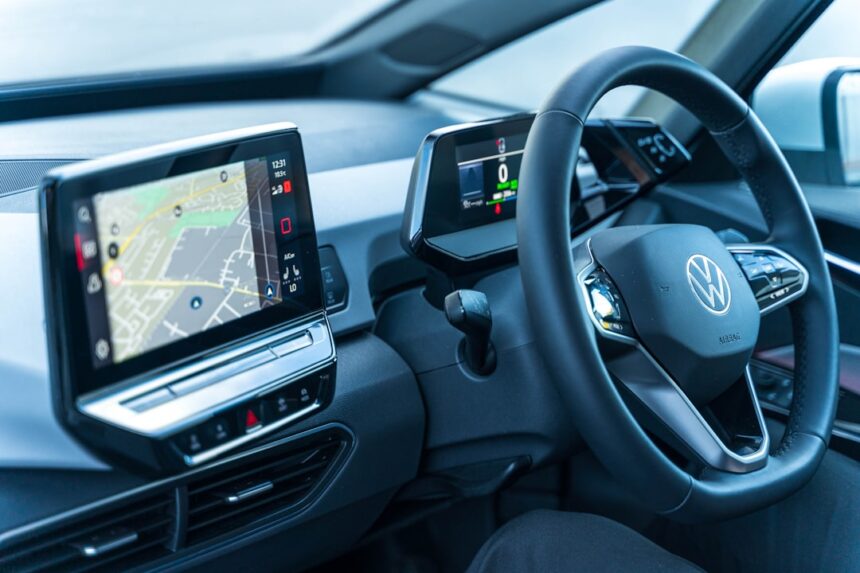
The promise of the smart car telematics system, a veritable digital brain humming within your vehicle, is one of unparalleled convenience and safety. We are told it’s a beacon of innovation, a personal assistant on four wheels, capable of predicting mechanical failures, optimizing our routes, and enriching our driving lives with a constant stream of data. But beneath this glossy veneer of technological advancement, I suspect, lies a more complex and less transparent reality. Today, I want to pull back the curtain and examine the assertions made about smart car telematics, not with a blind faith in progress, but with a sober, critical eye. My aim is not to dismantle the technology outright, but to expose the potential disingenuousness, the subtle omissions, and the unacknowledged trade-offs that are so often glossed over in the marketing material.
The narrative surrounding smart car telematics is a powerfully persuasive one. It paints a picture of a driving experience revolutionized, where the car transitions from a mere mode of transportation to an intelligent partner. This connection, it is said, unlocks a suite of benefits that directly address common anxieties and desires of modern drivers.
Predictive Maintenance: A Crystal Ball for Your Engine?
One of the most frequently touted advantages of telematics is its supposed ability to predict mechanical failures before they occur. The idea is that sensors embedded throughout the vehicle constantly monitor vital components, feeding data to an onboard computer and then, via wireless connection, to the manufacturer’s servers. This data is then analyzed, ostensibly to identify subtle deviations from normal operating parameters that might signal an impending issue. The promise is that you’ll receive a warning, perhaps a notification on your dashboard or a message to your smartphone, advising you to schedule a service appointment before a minor problem escalates into a costly breakdown.
However, the reality of predictive maintenance in current telematics systems can be far more nuanced. While it’s true that vehicles are equipped with numerous sensors, their ability to accurately forecast complex mechanical failures is not always as robust as the marketing suggests. Many systems are designed to detect known failure modes or specific fault codes that have been pre-programmed. Emerging issues that don’t fit neatly into these predefined categories might go unnoticed. The metaphor here is akin to a doctor who can only diagnose illnesses they’ve been trained to recognize; they might miss novel or rare conditions. Furthermore, the interpretation of sensor data can be highly complex. A seemingly anomalous reading might be a benign fluctuation caused by a passing electrical surge, or it could indeed be the harbinger of doom. Differentiating between the two requires sophisticated algorithms and, often, human expertise at the manufacturer’s end. Reliance on “predictive” maintenance can create a false sense of security, leading drivers to postpone routine checks or dismiss minor dashboard lights that, while not flagged by the telematics system, might still indicate a developing problem. The true effectiveness of this feature often depends on the specific manufacturer’s implementation and the breadth of their diagnostic algorithms, information that is rarely fully disclosed to the consumer.
Enhanced Safety Features: Beyond the Airbag
Telematics systems are also heralded as significant contributors to road safety. Features like automatic eCall systems, which contact emergency services in the event of a crash, are undeniably valuable. But beyond these life-saving functions, the claim of enhanced safety often extends to real-time driver monitoring and behavioral analysis. The idea is that the system can detect risky driving habits, such as excessive speeding, harsh braking, or sudden acceleration, and either alert the driver or even, in some advanced systems, intervene to mitigate the risk.
Again, a closer examination reveals a spectrum of application and potential for misinterpretation. While automatic eCall is a clear win, the continuous monitoring of driving behavior can be a double-edged sword. The data collected is not always used solely for the driver’s benefit. For instance, insurance companies are increasingly leveraging telematics data to assess risk and set premiums. While this can lead to discounts for safe drivers, it also means that a single instance of aggressive driving, perhaps in a moment of frustration or necessity, could negatively impact your insurance rate for years to come. The system may not understand the context of your driving. Was that sudden braking due to a pedestrian darting into the road, or just a momentary lapse in attention? The telematics system, in its current form, often lacks the nuanced understanding of human judgment and situational awareness. It becomes a digital judge, handing down verdicts based on raw data, without the benefit of empathy or context. The “enhancement” of safety, therefore, can sometimes feel more like surveillance, with the implicit threat of penalty for perceived transgressions.
Optimized Navigation and Traffic Flow: The Seamless Journey
The promise of effortless navigation is another cornerstone of the smart car telematics appeal. These systems are designed to learn your travel patterns, predict your destination based on your calendar and typical routines, and provide real-time traffic updates to help you avoid congestion. The envisioned outcome is a seamless, stress-free journey, where you always arrive at your destination on time and via the most efficient route.
While the real-time traffic data provided by many telematics systems is indeed an improvement over older GPS devices, the “optimization” can be a more complex proposition. The data used for traffic flow is often crowdsourced, meaning it relies on the anonymized movement of other connected vehicles. This creates a network effect: the more cars are connected, the more accurate the traffic predictions. However, this also means that the system’s effectiveness is tied to the penetration of similar technology. If you’re driving in an area with fewer telematics-equipped vehicles, the “optimized” route might not be as truly optimized as you’d expect. Furthermore, the algorithms that determine the “best” route can sometimes lead to unexpected detours through residential streets or less desirable areas, prioritizing speed over the actual road conditions or the driver’s preference. The system might be a highly efficient conductor of an orchestra, but it doesn’t always ask the individual musicians if they prefer a different tempo or melody. The data it uses is objective, but the resulting decisions, while mathematically sound, may not always align with a driver’s lived experience or desire for a more pleasant route.
In recent discussions surrounding the advancements in smart car telematics, an intriguing article titled “Caught the Lie: The Truth Behind Smart Car Telematics” sheds light on the potential discrepancies in data reporting and privacy concerns associated with these technologies. This article highlights how consumers may be misled by the promises of enhanced safety and efficiency while overlooking the implications of data collection. For a deeper understanding of these issues, you can read the full article here: Caught the Lie: The Truth Behind Smart Car Telematics.
The Unseen Data Streams: What’s Really Being Collected?
Beneath the surface of these promised benefits lies a vast and intricate network of data collection. Every interaction with your smart car, every journey you take, is a potential source of information. The question is not just what data is collected, but how it’s used and who has access to it.
Location Tracking: Your Every Move Cataloged
The most fundamental data gathered by telematics systems is your location. This is essential for navigation, but it extends far beyond simply knowing where you are at any given moment. Your vehicle’s telematics system can record your entire travel history: where you go, when you go there, how long you stay, and the routes you take. This granular detail creates a comprehensive profile of your daily life, your habits, and your social connections.
The implications of this constant location tracking are significant. While manufacturers and service providers often assure us that this data is anonymized and aggregated, the potential for re-identification, especially when combined with other datasets, is a persistent concern. Imagine your driving patterns – the regular trips to a specific medical facility, for example – being linked to your identity. While anonymization is the goal, the reality of data security and the constant threat of breaches mean that this supposedly anonymous data is always vulnerable. It’s like leaving a trail of breadcrumbs, hoping no one will connect them back to your home. This data can be subpoenaed by law enforcement, shared with third parties for marketing purposes, or even used to predict your future behavior for commercial gain. The transparency around how this data is stored, who has access, and for how long is often less than crystal clear, leaving users in a state of informed ignorance.
Driving Behavior: A Digital Judgment on Your Habits
Beyond location, telematics systems are designed to monitor and analyze your driving behavior in minute detail. This includes metrics such as:
- Speed: How fast you are driving at any given moment, and whether you exceed posted speed limits.
- Acceleration and Braking: The intensity of your throttle input and brake applications. Harsh acceleration and braking are often flagged as risky behavior.
- Cornering: The speed at which you take turns.
- Engine RPM: How hard you are pushing the engine.
- Mileage and Trip Duration: The length and frequency of your journeys.
This data is invaluable for insurance companies looking to personalize premiums, as well as for fleet managers monitoring their drivers. However, for the individual user, it can feel like a constant, unsolicited performance review. The system doesn’t necessarily understand the context. A sudden braking maneuver, as previously mentioned, might be a necessary reaction to an unforeseen hazard. Aggressive acceleration might be required to merge safely onto a busy highway. Yet, the telematics system, in its dispassionate analysis, may simply record these events as “negative driving events” without any consideration for the underlying circumstances. The algorithm becomes a stern schoolteacher, marking down points for infractions without recognizing the student’s efforts to adapt to a challenging situation. The long-term implications of having such detailed records of your driving habits can be profound, potentially impacting not just insurance rates but also future employment opportunities if your driving history becomes a point of concern for potential employers.
Vehicle Health and Performance Metrics: Beyond a Simple Oil Change Reminder
The diagnostic capabilities of smart car telematics extend to a wide range of vehicle health and performance metrics. This includes data on:
- Engine performance: Temperature, pressure, fuel consumption.
- Tire pressure and wear: Early detection of potential tire issues.
- Battery health: Monitoring the charge and overall condition of the car’s battery.
- Fluid levels: Engine oil, coolant, brake fluid, etc.
- Emissions data: Monitoring exhaust emissions for compliance and potential issues.
While the intention is to provide timely maintenance alerts and prevent costly repairs, this constant stream of data also creates a very detailed digital twin of your vehicle’s mechanical condition. This information, valuable in itself, can be leveraged by manufacturers for product development, identifying common failure points, and even influencing future design choices. However, this same data can also be used to assess the “wear and tear” on your vehicle, potentially impacting warranty claims if the manufacturer believes your driving habits have accelerated component degradation beyond what is considered “normal.” The debate over whether a certain component failed due to a manufacturing defect or due to excessive strain from the driver’s usage can become a complex arbitration process, with the telematics data serving as the primary evidence. The car’s internal “diary” of its own condition can become a weapon in a dispute, rather than solely a tool for proactive care.
The Privacy Paradox: Convenience Versus Control
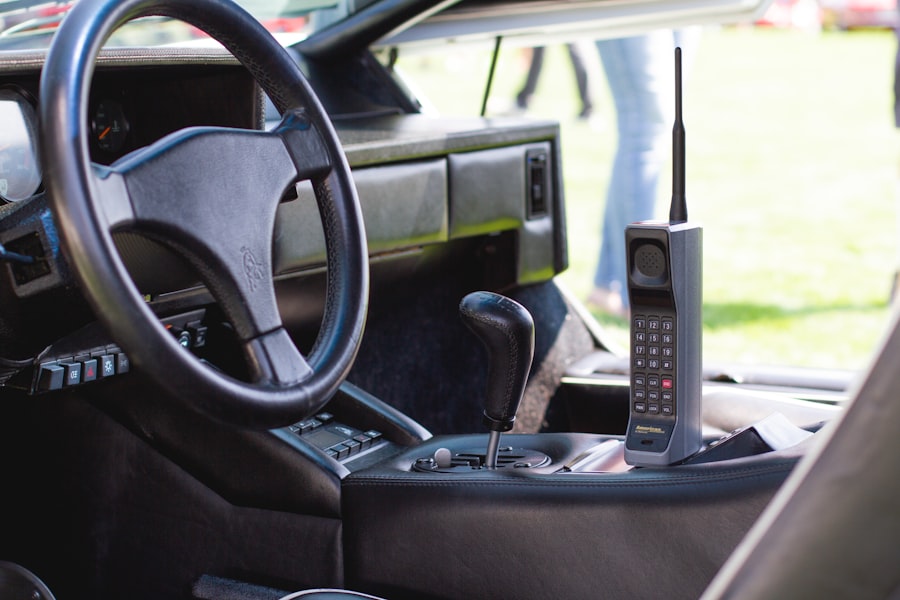
The core tension at the heart of smart car telematics lies in the inherent trade-off between convenience and control. To gain the promised benefits, we are asked to cede a significant amount of personal data and, by extension, a degree of privacy.
Consent and EULA: The Fine Print of Your Drive
When you purchase a vehicle equipped with telematics, you typically enter into a labyrinthine End User License Agreement (EULA) and a series of consent forms. These documents, often presented in dense legal jargon, outline precisely what data will be collected, how it will be used, and with whom it might be shared. The problem, however, is that most consumers—myself included—rarely read these documents in their entirety. The desire to drive away in a new, technologically advanced vehicle often overrides a deep dive into the legal ramifications of the accompanying software.
This creates a situation where we are effectively granting permission for extensive data collection and utilization without a full understanding of the implications. The consent, while legally obtained, might not be truly informed. It’s like signing a contract for a new apartment without reading the lease agreement – you might be surprised by the rules and restrictions later. The manufacturers rely on this implicit consent, assuming that by purchasing the vehicle and activating its features, you are agreeing to their terms. This creates an imbalance of power, where the consumer has limited agency in dictating how their personal driving data is handled. The legal framework surrounding digital privacy is still evolving, and the automotive sector is often at the forefront of these challenges, pushing the boundaries of what is considered acceptable data collection and usage.
Data Monetization: Your Drive as a Commodity
The data generated by your smart car is incredibly valuable. It provides insights into consumer behavior, driving patterns, and vehicle performance. This makes it a prime commodity for monetization, not just by the vehicle manufacturer but also by third-party service providers, insurance companies, and potentially even advertisers.
Manufacturers can leverage this data to develop new products and services, improving their understanding of customer needs and market trends. Insurance companies use it to tailor policies and assess risk more accurately. There are also emerging opportunities for companies to offer value-added services based on telematics data, such as personalized roadside assistance or even targeted advertising delivered through the car’s infotainment system. The danger here is that the primary driver’s interest—safe and private transportation—can become secondary to the commercial interests of various stakeholders. Your driving habits are essentially being packaged and sold, transforming your personal journeys into a lucrative business venture for others. It’s like having your conversations in your own home recorded and then selling transcripts to marketing firms – a profound invasion of personal space and autonomy. While the benefits of some of these data-driven services might be tangible, the lack of transparency regarding the extent of this monetization leaves many consumers feeling uneasy.
Cybersecurity Risks: The Digital Vulnerability of Your Vehicle
The interconnected nature of smart car telematics systems, while enabling advanced features, also exposes vehicles to significant cybersecurity risks. Just as your smartphone or laptop can be hacked, so too can your car’s digital brain. Exploiting vulnerabilities in the telematics system could allow unauthorized access to sensitive data, control over vehicle functions, or even the ability to remotely disable the car.
The potential consequences of such breaches are alarming. Imagine someone gaining access to your location history, or worse, being able to remotely control your brakes or steering. While manufacturers invest heavily in cybersecurity measures, the evolving landscape of cyber threats means that no system is truly impenetrable. The sophistication of potential attackers is constantly increasing, and the automotive industry, historically slower to adopt digital security best practices compared to the tech sector, faces a continuous battle to stay ahead. The metaphor here is leaving your house unlocked in a neighborhood with a rising crime rate – the convenience of not needing a key might be appealing, but the risks are substantial and potentially devastating. The more connected a car becomes, the more points of entry it presents to malicious actors, transforming a tool of freedom into a potential liability. The recall of vehicles due to cybersecurity vulnerabilities has become a recurring theme, highlighting the ongoing challenges in securing these complex systems.
The Illusion of Control: Who’s Really Driving?
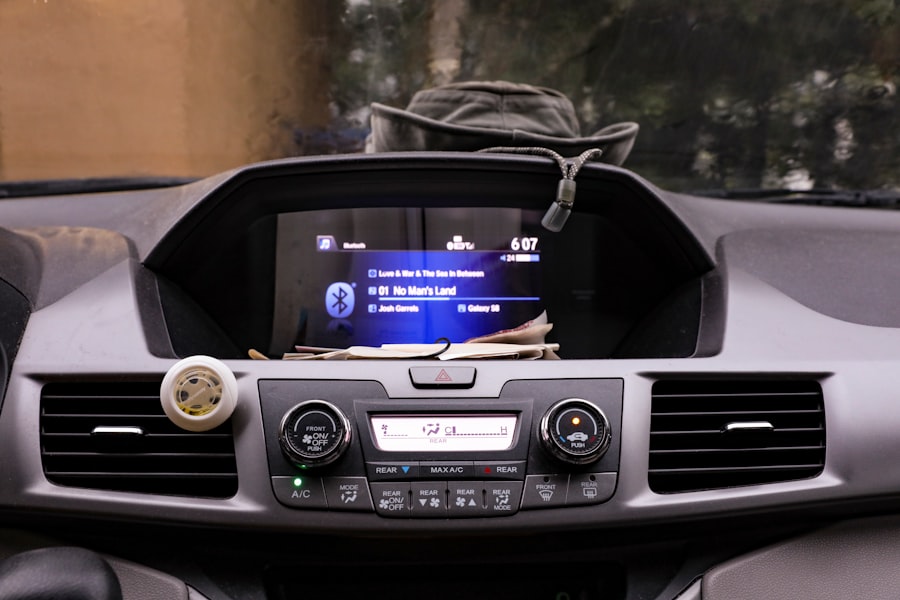
The narrative of smart car telematics often emphasizes driver empowerment through advanced features and access to information. However, I find that this empowerment can be largely illusory, with the ultimate control often residing elsewhere.
Manufacturer Control Over Software Updates and Features
Vehicle manufacturers retain a significant degree of control over the software that governs the telematics system. This means they can push out mandatory software updates, which may introduce new features, improve performance, or, crucially, disable existing functionalities. This control can be exercised without the explicit consent of the vehicle owner at the time of the update.
While these updates are often intended to enhance safety and functionality, they can also fundamentally alter the user experience or even remove features that the owner may have come to rely on. Consider a scenario where a manufacturer decides, for business or regulatory reasons, to disable a specific telematics feature that you regularly use. You have no recourse to prevent this update or revert to a previous software version. The manufacturer is essentially the architect of your car’s digital experience, and they can redesign its features at will, much like a software company updating an app without your direct input. This lack of granular control over the software that runs your vehicle can be disconcerting, as it diminishes the sense of ownership and autonomy over your own property. You own the metal and the engine, but the digital soul of the car is ultimately managed by an external entity.
Terms of Service: The Ever-Shifting Goalposts
The terms of service associated with smart car telematics systems are not static documents. They can be updated by manufacturers, and users are often expected to accept these revised terms without prior negotiation. This means that the rules governing the data collected from your vehicle and the services provided can change over time, often without explicit notification or an opportunity for meaningful objection.
This constant evolution of terms of service creates an environment of perpetual uncertainty. The data privacy policies that you agreed to when you bought your car might not be the same ones that apply a year or two later. This can lead to a scenario where your data is being used in ways you didn’t initially anticipate or agree to. It’s like agreeing to a set of rules for a game, only to have the rules change midway through, without your consent, and then being penalized for not following the new, unadvertised rules. This lack of stability and transparency in the terms of service erodes trust and leaves consumers feeling vulnerable to unexpected changes in how their personal information is being managed. The “agree” button becomes a perpetual surrender, as the terms are never truly finalized.
The “Black Box” Effect: Obscure Algorithms and Unexplained Decisions
A significant aspect of the illusion of control stems from the “black box” nature of many telematics algorithms. The complex mathematical models and artificial intelligence used to process the data collected from your vehicle are often proprietary and opaque. We are presented with the outputs – the optimized routes, the predicted maintenance alerts, the safety recommendations – but we rarely understand the underlying logic behind these decisions.
This lack of transparency means that when the system makes a decision that seems illogical, incorrect, or even detrimental, it can be difficult, if not impossible, to understand why. For example, if the navigation system consistently directs you down a poorly maintained road, or if the predictive maintenance alert is triggered by a false positive, you have no direct insight into how the algorithm arrived at that conclusion. The system becomes a benevolent dictator, issuing pronouncements without offering explanations. This “black box” effect fosters a sense of helplessness, as the user is entirely reliant on the manufacturer’s pronouncements and the workings of algorithms they cannot scrutinize or influence. It’s akin to being subjected to a judgment by an invisible court, where the rulings are absolute but the reasoning behind them remains shrouded in mystery. This opacity can further fuel the suspicion that the system is not always working in the best interests of the driver, but rather in pursuit of undisclosed objectives.
Smart car telematics has become a crucial aspect of modern vehicle technology, providing drivers with real-time data about their cars’ performance and location. However, a recent article highlighted some discrepancies in the claims made by certain manufacturers regarding the accuracy of their telematics systems. This investigation revealed that some companies may not be fully transparent about the data they collect and how it is used, raising concerns among consumers. For more insights on this topic, you can read the full story in the article here.
Towards a More Honest Future: Demanding Transparency and Control
| Metric | Value | Description |
|---|---|---|
| Percentage of Drivers Caught Lying | 35% | Proportion of drivers whose telematics data contradicted their claims |
| Average Speed Discrepancy | 12 mph | Difference between reported and actual speed recorded by telematics |
| False Accident Claims Detected | 18% | Percentage of accident claims disproved by telematics data |
| Insurance Premium Adjustments | 22% | Rate of premium changes based on telematics-verified driving behavior |
| Average Time to Detect Lie | 2 days | Time taken to identify discrepancies using telematics data |
The promise of smart car telematics is undeniably attractive, but it is crucial to approach these technologies with a discerning eye. The convenience and potential safety benefits are real, but they are often presented without a full accounting of the trade-offs and potential downsides.
Informed Consent: Moving Beyond the Click-Through Agreement
For telematics to truly benefit consumers, the concept of informed consent needs to be elevated beyond the perfunctory click-through agreement. Consumers should have access to clear, concise, and easily understandable explanations of what data is collected, how it is used, and who it is shared with. This information should be readily available, not buried in lengthy legal documents.
Manufacturers should be encouraged, or perhaps even mandated, to provide intuitive dashboards that allow users to actively manage their data preferences, control sharing options, and even opt out of certain data collection streams without losing essential vehicle functionality. The goal should be to empower the driver to make genuine choices about their data, rather than simply accepting a default setting that prioritizes the manufacturer’s interests. This might involve introducing “privacy by design” principles, where data protection is a foundational element of the telematics system, rather than an afterthought. The aim is to turn passive acceptance into active participation, where the driver is a co-pilot in managing their vehicle’s digital footprint, not just a passenger.
Data Portability and Ownership: Reclaiming Your Driving Narrative
The principle of data portability, common in other digital sectors, should also be extended to automotive telematics. Consumers should have the right to access, download, and move their driving data to other platforms or services if they choose. This would foster greater competition and innovation, as well as give consumers more control over their information.
Furthermore, a clearer definition of data ownership is needed. While manufacturers provide the hardware and software, the data generated by the vehicle during the ownership of that vehicle should, arguably, belong to the owner. This doesn’t mean access to proprietary algorithms or backend infrastructure, but rather the raw data of their driving behavior and vehicle performance. Establishing this ownership would provide a stronger foundation for consumer rights and empower individuals to leverage their data for their own benefit, whether that’s for personal analysis, sharing with trusted third parties, or contributing to research in a way that they deem appropriate. This shift would redefine the consumer’s relationship with their vehicle, moving from a passive recipient of services to an active custodian of their digital driving legacy.
Advocating for Open Standards and Regulatory Oversight
To ensure that the development of smart car telematics is guided by consumer interests, advocating for open standards in data formats and communication protocols is essential. This would allow for greater interoperability between different manufacturers and third-party service providers, preventing vendor lock-in and fostering a more competitive ecosystem.
Moreover, robust regulatory oversight is crucial. Governments and consumer protection agencies need to actively monitor the practices of automotive manufacturers regarding data collection, privacy, and cybersecurity. Legislation should be updated to address the unique challenges presented by connected vehicles, ensuring that consumer rights are protected in this rapidly evolving technological landscape. The current situation, where the industry largely self-regulates, is insufficient. A proactive and informed regulatory approach is needed to prevent the exploitation of consumers and ensure that smart car telematics evolve into a truly beneficial technology, rather than a sophisticated mechanism for data harvesting. The future of smart car telematics hinges on our collective ability to demand honesty, transparency, and control, ensuring that the wheel of progress is steered firmly in the direction of the consumer.
FAQs
What is smart car telematics?
Smart car telematics refers to the integrated use of telecommunications and informatics in vehicles to provide services such as GPS navigation, vehicle tracking, diagnostics, and communication with external systems.
How do smart car telematics systems collect data?
These systems collect data through sensors installed in the vehicle, GPS modules, onboard diagnostics (OBD) ports, and communication networks to monitor vehicle performance, location, and driver behavior.
What does it mean that smart car telematics “caught the lie”?
The phrase “caught the lie” suggests that smart car telematics systems can detect discrepancies or false information, such as inaccurate mileage reporting or fraudulent claims, by providing objective data about the vehicle’s usage and condition.
Can smart car telematics improve vehicle safety?
Yes, smart car telematics can enhance safety by monitoring driving patterns, alerting drivers to potential hazards, enabling emergency response in case of accidents, and facilitating preventive maintenance.
Are there privacy concerns associated with smart car telematics?
Yes, since telematics systems collect and transmit detailed data about vehicle location and driver behavior, there are concerns about data security and privacy, making it important for users to understand how their data is used and protected.