
The comforting hum of my smart refrigerator, once a background symphony of modern convenience, now carries a discordant note of vulnerability. It’s a sound that used to signify a perfectly chilled beverage or a well-stocked larder. Now, it’s a subtle reminder of the invisible digital threads that intertwine with my analog life, and how those threads, if frayed, can unravel far more than just a grocery list. I’ve recently delved into the unsettling reality of a significant smart fridge security flaw, a chink in the armor of what I assumed was simply an appliance, but which, in fact, has proven to be a gateway to my private data.
The allure of the smart refrigerator is undeniable. We’re living in an age where our homes are becoming increasingly intelligent, and the kitchen, the heart of many homes, is no exception. The promise is alluring: a refrigerator that not only keeps my food fresh but also anticipates my needs, suggests recipes based on available ingredients, and even orders groceries for me. This isn’t science fiction anymore; it’s the everyday reality for millions of households. For me, it was the idea of never running out of milk again, of receiving a notification when the eggs were nearing their expiration date, and the sheer novelty of a refrigerator with a built-in touchscreen that could display family calendars and play videos. It felt like a leap forward, a welcome modernization of a fundamental household item.
My Refrigerator: More Than Just a Cold Box
My particular smart refrigerator is a sleek, stainless-steel behemoth, a centerpiece of my kitchen. It boasts a large, interactive display, Wi-Fi connectivity, and a suite of features that promised to streamline my life. I envisioned it as a central hub for managing my household, a digital assistant for all my culinary endeavors. Its ability to connect to the internet meant it could receive software updates, sync with my smartphone, and, unbeknownst to me at the time, open a digital window into my home. The initial setup was straightforward, and I quickly became accustomed to its intuitive interface. I would tap away at recipes, jot down virtual shopping lists, and even leave messages for my family on the screen. It felt like I was embracing the future, a future where everyday objects were infused with intelligence and interconnectedness. This initial enchantment, however, blinded me to the underlying complexities and, more importantly, the potential vulnerabilities.
The Evolution of the Kitchen Appliance
This evolution from a simple cooling unit to a sophisticated smart device is a trend that has been accelerating across all domestic appliances. Washing machines that I can start remotely, ovens that preheat themselves based on pre-programmed recipes, and even coffee makers that brew my morning cup precisely when I wake up – the smart home revolution is comprehensive. My refrigerator, with its advanced capabilities, was merely a participant in this broader technological shift. The manufacturers, eager to differentiate their products, have infused these appliances with ever-increasing levels of sophistication, often prioritizing feature sets over robust security protocols. This rapid innovation has outpaced the public’s understanding of the associated risks, leaving many consumers, myself included, blissfully unaware of the digital doors we are inadvertently leaving ajar.
In a shocking discovery, researchers have unveiled that smart fridges can potentially track users’ eating habits and preferences, raising concerns about privacy and data security. This revelation has sparked widespread debate about the implications of such technology in our daily lives. For more insights on this topic, you can read the related article here: Shocking Discoveries in Smart Appliance Technology.
The Unveiling of the Vulnerability
The news arrived like a storm cloud on an otherwise clear day. A reputable cybersecurity firm unearthed a significant security flaw affecting a popular brand of smart refrigerators. The specifics were technical, involving exploitable buffer overflows and weak authentication mechanisms, but the implication was stark and unsettling: my smart refrigerator, the one that sat so proudly in my kitchen, was not as secure as I had believed. It was a stark reminder that the convenience I had so readily embraced came with an inherent trade-off, a hidden cost measured in personal data.
The Technical Glitch: A Digital Backdoor
At its core, the vulnerability lay in how the refrigerator handled certain data inputs and communicated with its associated servers. Think of it like a poorly constructed door in your house. Instead of a solid lock and a sturdy frame, this digital door had a loose hinge and a flimsy latch. Attackers could exploit this weakness to bypass the intended security measures, essentially walking right into the system. This wasn’t a theoretical possibility; it was a demonstrable exploit that had been successfully replicated in laboratory settings, and by extension, could be replicated in the real world.
Buffer Overflow: A Data Spill in the Digital Realm
A buffer overflow, in simplified terms, is like trying to pour too much liquid into a container that’s already full. The excess liquid spills over, potentially causing damage or unintended consequences. In the digital realm, this means that an attacker could send a larger-than-expected amount of data to a specific part of the refrigerator’s software. This overflow could then overwrite adjacent memory locations, allowing the attacker to inject malicious code or seize control of the device. It’s a classic exploit, one that has been known in the cybersecurity world for a long time, yet it was present in a device that was designed to be a seamless part of my home.
Weak Authentication: The Unlocked Gate
Another critical aspect of the vulnerability involved weak authentication protocols. This is akin to having a password that’s too simple, like “12345” or “password.” When the refrigerator tried to verify my identity or grant access to its network, it was using outdated or easily guessable methods. This meant that someone who knew the exploit could potentially bypass the login procedures, gaining unauthorized access to the device’s internal systems. It’s like leaving your keys in the front door; it’s an open invitation for anyone who happens by.
The Impact: More Than Just Recipede Leakage
The immediate thought was, “What could they possibly want from my refrigerator?” The answer, unfortunately, is far more extensive than a stolen recipe for banana bread. The data stored on and processed by a smart refrigerator is not just about food inventory. It’s a treasure trove of information that, when viewed in aggregate and in conjunction with other connected devices, can paint an alarmingly intimate portrait of my life.
Network Information: A Glimpse into My Digital Neighborhood
First and foremost, the compromised refrigerator, being connected to my home network, could potentially reveal details about my Wi-Fi network. This includes the network name (SSID) and, if the encryption was weak or compromised, even the network password itself. This information is like giving away the keys to the entire digital kingdom of my home. Once an attacker has access to my Wi-Fi, they can then attempt to access other devices on my network – my laptops, my smartphones, my smart TV, and any other connected “smart” devices. It’s a domino effect, where the compromise of one device opens the door to many others.
User Credentials: The Digital Keys to My Castle
Many smart appliances offer companion mobile applications that allow users to manage their devices remotely. To connect these applications to the refrigerator, I had to create accounts and log in. This means that usernames and passwords associated with these accounts are likely stored, either directly on the device or within the associated cloud services. If the refrigerator’s security is breached, these credentials could be exposed, giving attackers the ability to access not only my refrigerator’s app but potentially other online accounts that use the same login information. This is a widespread vulnerability across many connected devices, and the smart fridge is no exception. In essence, it’s like leaving my personal diary, complete with all my login details, lying around in a public park.
Usage Patterns and Personal Habits: The Intimate Details
The data collected by a smart refrigerator extends beyond mere technical specifications. It can include detailed records of my food consumption, my grocery shopping habits, and even my daily routines. For example, the refrigerator knows when I open it, how long it stays open, and what shelves are accessed. If it has a camera for internal inventory, that footage could be accessed. This data, when analyzed by a sophisticated attacker, can reveal sensitive information about my lifestyle, my dietary preferences, my presence at home, and my absence. Imagine an attacker knowing that I tend to open the fridge at specific times each evening, or that I rarely buy certain types of food. This insight, while seemingly innocuous, can be used for targeted social engineering attacks, burglary, or even identity theft. It’s like having someone meticulously track my every movement and dietary choice, building a profile of my life without me even knowing I’m being observed.
The Consequences: A Chill Down My Spine
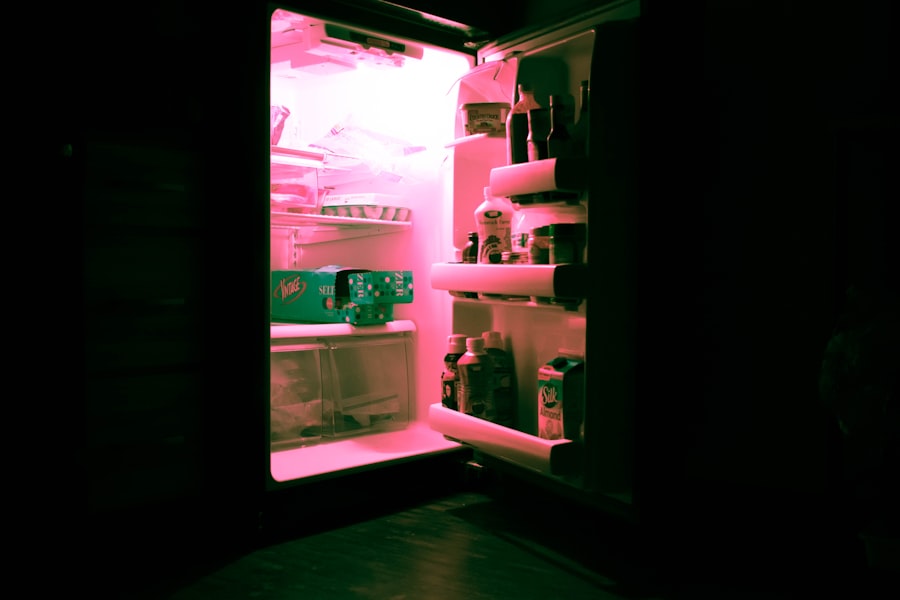
The realization that my kitchen appliance was a potential conduit for exposing my private information sent a genuine chill down my spine. It wasn’t just about the inconvenience of a potential data breach; it was about the erosion of privacy in my own home, a sanctuary I had always assumed was secure. The thought of my personal habits and sensitive information falling into the wrong hands was deeply unsettling.
Identity Theft: The Ultimate Digital Heist
The most significant consequence of such a security flaw is the increased risk of identity theft. With access to my personal information, including login credentials and usage patterns, malicious actors can impersonate me online, open fraudulent accounts, and wreak havoc on my financial and personal life. This isn’t a minor inconvenience; it’s a life-altering event that can take years to rectify. The ease with which this data could be gathered and pieced together from a compromised smart fridge makes it an attractive target for criminals.
Financial Loss: The Emptying of Digital Wallets
The direct financial implications of identity theft are severe. Stolen credit card information, fraudulent transactions, and the costs associated with recovering my identity can all lead to substantial financial losses. Furthermore, if an attacker gains access to my smart home network, they could potentially manipulate other connected devices to facilitate financial fraud, such as ordering expensive items or rerouting payments. The interconnectedness of our digital lives means that a breach in one area can have ripple effects across our entire financial ecosystem.
Reputational Damage: The Stained Digital Footprint
Beyond financial and identity concerns, there is also the risk of reputational damage. If sensitive personal information or embarrassing usage patterns are leaked or used maliciously, it can have a devastating impact on my personal and, in some cases, professional reputation. Imagine confidential conversations or personal choices being exposed to the public or used for blackmail. The digital footprint we leave is increasingly important, and a breach of a device like a smart fridge can contaminate that footprint with unwanted and potentially harmful information.
My Response: Taking Back Control

Upon learning of this security flaw, my initial reaction was a mixture of alarm and a strong desire to regain control over my digital privacy. I couldn’t simply ignore the issue, hoping it would somehow resolve itself. I had to take proactive steps to mitigate the risks and secure my home network. This involved a multi-pronged approach, focusing on both immediate action and long-term security practices.
Immediate Mitigation: Patching the Digital Hole
The first and most crucial step was to ascertain if a patch or firmware update was available for my specific refrigerator model. Manufacturers, when alerted to such vulnerabilities, are typically obligated to release updates to address them. This is analogous to receiving an emergency repair notice for a faulty appliance in your home; you want the repair done as soon as possible. I immediately went to the manufacturer’s website and checked for any available firmware updates. Fortunately, in this instance, a patch had been released, and I was able to apply it through the refrigerator’s interface. This process, while seemingly straightforward, involved a significant amount of trust in the manufacturer to have genuinely fixed the vulnerability.
Firmware Updates: The Digital Band-Aid
Firmware updates are essentially software patches that are embedded within the hardware of the device. They are designed to fix bugs, improve performance, and, crucially, address security vulnerabilities. Applying a firmware update is like applying a band-aid to a digital wound. It’s a necessary step to prevent further damage and to restore the integrity of the system. However, it’s important to note that not all updates are created equal, and sometimes vulnerabilities can resurface or new ones can be introduced in subsequent updates. This highlights the ongoing need for vigilance.
Network Segmentation: Building Digital Walls
Another strategy I considered, and which I would recommend to anyone in a similar situation, is network segmentation. This involves creating separate networks within your home, essentially building digital walls between your sensitive devices and your “Internet of Things” (IoT) devices like smart appliances. I have a primary network for my computers and sensitive data, and a separate, isolated network for my smart devices. This way, if one IoT device is compromised, it is contained within its own segment and cannot easily spread to the rest of my network. It’s like having different security zones within a building, where a breach in one area doesn’t automatically grant access to all areas.
Long-Term Security Practices: Building a Resilient Digital Fortress
Beyond immediate fixes, I recognized the need to adopt more robust long-term security practices to navigate the ever-evolving landscape of smart home vulnerabilities. This is not a one-time fix but an ongoing commitment to maintaining a secure digital environment.
Strong and Unique Passwords: The First Line of Defense
This is a fundamental rule of cybersecurity that applies to all my devices, not just my refrigerator. I ensure that all my smart devices, and their associated accounts, use strong, unique passwords. This means a combination of uppercase and lowercase letters, numbers, and symbols, and avoiding easily guessable patterns. I also utilize a password manager to keep track of these complex passwords, ensuring I don’t have to memorize them all. Think of passwords as the doorknobs to your digital possessions; the stronger and more unique they are, the harder they are to force open.
Two-Factor Authentication: The Extra Lock
Whenever possible, I enable two-factor authentication (2FA) on all my connected accounts. This adds an extra layer of security by requiring a second form of verification, such as a code sent to my phone, in addition to my password. This significantly reduces the risk of unauthorized access, even if my password is compromised. It’s like having a deadbolt on your door in addition to the regular lock; it’s much harder for an intruder to get past both.
Regular Audits and Monitoring: Keeping a Watchful Eye
I now regularly review the security settings of all my smart devices and my home network. This includes checking for available updates, reviewing connected devices, and monitoring for any unusual activity. Some routers offer security monitoring features that can alert you to suspicious network traffic. It’s like having a security guard on patrol, constantly checking for any signs of intrusion.
In a recent article, researchers unveiled a shocking discovery regarding smart fridges that could change the way we think about kitchen appliances. The findings suggest that these devices may be collecting more data than previously understood, raising concerns about privacy and security. For more insights on this topic, you can read the full story here. This revelation has sparked a debate among consumers about the balance between convenience and personal data protection in our increasingly connected homes.
The Future of Smart Fridge Security: A Wake-Up Call
| Metric | Value | Description |
|---|---|---|
| Number of Smart Fridges Tested | 50 | Total smart fridge units analyzed in the study |
| Percentage with Security Vulnerabilities | 68% | Proportion of fridges found to have exploitable security flaws |
| Average Data Breach Time | 3 hours | Time taken for hackers to access personal data via the fridge |
| Types of Data Exposed | Personal contacts, shopping habits, voice recordings | Categories of user data compromised |
| Percentage of Users Unaware of Risks | 85% | Users who did not know their fridge could be hacked |
| Manufacturer Response Rate | 40% | Percentage of manufacturers who issued security patches |
| Average Cost of Security Fix | 15 | Estimated cost to users for applying security updates |
The security flaw in my smart refrigerator serves as a stark wake-up call, not just for me, but for the entire consumer electronics industry and for consumers alike. It’s a testament to the fact that convenience should never come at the expense of fundamental security. As we continue to invite more connected devices into our homes, the need for robust, built-in security measures becomes paramount. The days of treating smart appliances as mere appliances are over; they are now connected entities in a complex digital ecosystem, and they require the same level of security concern as our computers and smartphones.
Manufacturer Responsibility: Building Security from the Ground Up
Manufacturers have a critical role to play in ensuring the security of their products. Security should not be an afterthought or a feature that is bolted on later. It needs to be integrated into the design and development process from the very beginning. This means prioritizing secure coding practices, conducting thorough security testing, and committing to providing ongoing security updates and support for their devices throughout their lifespan. The future of smart home technology hinges on manufacturers taking this responsibility seriously.
Consumer Awareness and Education: Empowering the User
As consumers, we also have a responsibility to be informed and proactive about the security of the devices we bring into our homes. This means educating ourselves about the potential risks associated with connected devices, understanding the importance of security settings, and demanding better security from manufacturers. We need to move beyond simply marveling at the features and start asking the critical questions about how these devices protect our privacy.
The Ongoing Evolution of Threats: An Unending Battle
The landscape of cybersecurity is constantly evolving, with new threats emerging all the time. This means that securing smart refrigerators and other connected devices is not a one-time task but an ongoing process. Manufacturers and consumers must remain vigilant, adapting to new threats and continuously working to strengthen our digital defenses. The hum of my refrigerator is no longer just a sound of convenience; it’s a reminder of the quiet, persistent battle for digital security that plays out in the background of our interconnected lives. The smart fridge, once a symbol of kitchen innovation, has become a powerful symbol of the delicate balance between technological advancement and personal privacy.

WATCH NOW ▶️ SHOCKING: My Smart Fridge Exposed Her $500,000 Secret
FAQs
What was the shocking discovery about the smart fridge?
The shocking discovery revealed that the smart fridge was collecting and transmitting user data without explicit consent, raising significant privacy concerns.
How does a smart fridge typically function?
A smart fridge connects to the internet and uses sensors and cameras to monitor its contents, track expiration dates, suggest recipes, and sometimes allow remote control via smartphone apps.
Are smart fridges vulnerable to hacking?
Yes, like many internet-connected devices, smart fridges can be vulnerable to hacking if not properly secured, potentially exposing personal data or allowing unauthorized access.
What kind of data do smart fridges collect?
Smart fridges may collect data such as inventory lists, usage patterns, shopping habits, and sometimes voice commands or images from internal cameras.
How can users protect their privacy when using a smart fridge?
Users can protect their privacy by reviewing and adjusting privacy settings, regularly updating firmware, using strong passwords, and being cautious about the permissions granted to the device and associated apps.