
The persistent glow of the screen had become my second sunrise. My days, once charted by the sun’s arc, were now dictated by the refresh rate of my news feed and the endless scroll of notifications. I, like many, had been seduced by the promise of seamless connection, of information at my fingertips, even when my hands were otherwise occupied. This allure, however, led me down a path where the lines between personal autonomy and technological manipulation blurred, a path orchestrated by the very devices I believed enhanced my life – specifically, the nascent, yet pervasive, world of smart glasses.
The concept of augmented reality glasses had been a sci-fi staple for decades, a shimmering mirage on the horizon of technological possibility. When they finally began to emerge from the labs and into the marketplace, I, a devoted early adopter, was among the first to embrace them. They weren’t just gadgets; they were presented as extensions of ourselves, tools that could overlay digital information onto the physical world, transforming mundane tasks and enriching our perception.
The Allure of Unobtrusive Information
The initial promise was intoxicating. Imagine walking down the street and seeing turn-by-turn navigation discreetly projected into your field of vision, or looking at a historical landmark and instantly accessing its wiki page. The idea was to eliminate the need to pull out a phone, to keep your head up and engaged with your surroundings. This was pitched as a liberation from our handheld enslavement, a way to be present, yet informed. My own experience mirrored this narrative. Suddenly, my commute became more efficient. I could glance at incoming messages without breaking stride, identify acquaintances in a crowd with unobtrusive facial recognition overlays, and even discreetly check stock prices during a tedious meeting. It felt like stepping into the future, a future where information was woven into the fabric of reality, not relegated to a separate, distracting device.
Beyond the Hype: The Underlying Architecture
Underneath the sleek design and the intuitive interfaces lay complex algorithms and data collection strategies. The smart glasses I wore were not passive observers of my world; they were active participants, constantly gathering data about my environment, my gaze, and my interactions. This data, I was told, was primarily for user experience enhancement, to personalize the augmented reality overlays and improve the accuracy of the virtual elements. However, the sheer volume and granularity of the information being collected began to raise subtle questions in my mind, whispers of a larger design at play.
In exploring the latest advancements in wearable technology, smart glasses have emerged as a fascinating topic, particularly in how they integrate augmented reality into everyday life. A related article that delves deeper into the implications and potential of these devices is available at this link. It highlights various applications of smart glasses, from enhancing productivity in professional settings to transforming the way we interact with our environment.
The Symphony of Data Collection
Smart glasses, by their very nature, are data-gathering machines par excellence. Unlike a smartphone, which you consciously choose to pull out and interact with, smart glasses are worn, often for extended periods, passively absorbing the world around you. This passive collection is where the true power, and perhaps the ultimate danger, lies.
My Eyes, Their Sensors: A Constant Stream of Information
Every moment spent wearing the glasses was an opportunity for data acquisition. The outward-facing cameras weren’t just for capturing photos or videos; they were constantly scanning my environment, identifying objects, people, and even the context of my activities. The inward-facing sensors, meticulously designed to track my eye movements, were charting my gaze – what I looked at, for how long, and in what sequence. This created a detailed map of my attention, a rich tapestry of my daily habits.
Patterns of Attention as a Commodity
This meticulous tracking of my attention was then fed into algorithms designed to understand my preferences, my interests, and even my potential vulnerabilities. If I repeatedly glanced at advertisements for a particular brand of shoes, the system learned. If I lingered on news articles about a specific political issue, that too was recorded. This wasn’t just about showing me more relevant ads; it was about developing a sophisticated profile of my psychological landscape. My visual attention had become a commodity, bought and sold in the unseen markets of digital advertising and behavioral analytics.
Environmental Scans: Mapping My Physical and Social World
Beyond my personal gaze, the glasses were also actively mapping my physical surroundings. They recognized faces, noted the locations I frequented, and even captured snippets of conversations (often with disclaimers about privacy, which I naively believed were sufficient). This created a digital twin of my entire existence, a comprehensive database of where I went, who I interacted with, and what I was exposed to.
The Illusion of Control in Data Sharing
I had, in the initial setup, agreed to various terms and conditions, a digital handshake that granted the manufacturer extensive rights to my data. At the time, it felt like a formality, a minor concession for access to cutting-edge technology. I was not a privacy advocate; I was a consumer eager to explore the frontier. I believed I had control, the ability to opt-out or adjust settings. However, the pervasive nature of the data collection meant that even with such adjustments, the core functionality of the glasses relied on a continuous stream of information. It was like trying to stop a river by placing a single pebble in its path.
The Subtle Art of Recommendation and Nudge
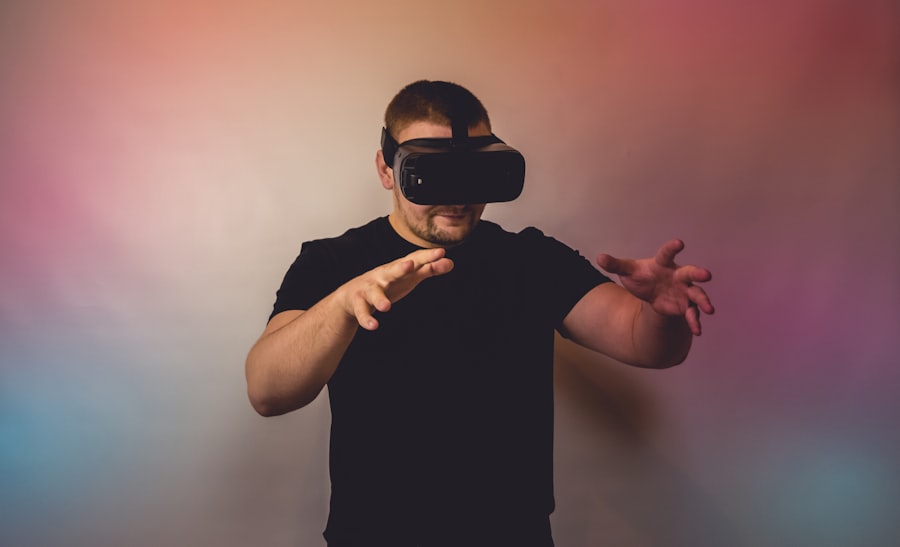
Once the data streams were established, the true manipulation began, insidious and subtle, like a slow-acting poison. The smart glasses, armed with this intimate knowledge of my habits and preferences, began to shape my choices, not through overt commands, but through carefully curated recommendations and gentle nudges.
Personalized Content Feeds: The Echo Chamber’s Embrace
The content I saw, whether it was news articles, social media posts, or even product suggestions, was no longer based on neutral algorithms. It was a reflection, and often an amplification, of my established interests. If my eye tracked towards stories about environmental activism, the glasses would subtly prioritize similar content, weaving a web of information that confirmed and reinforced my existing beliefs. This created an echo chamber, a comfortable cocoon where dissenting opinions were rarely encountered, and my worldview became increasingly solidified.
The Reinforcement Loop of Opinion
The danger here was not just about being shown content I liked. It was about the systematic reinforcement of my existing opinions, making me more susceptible to confirmation bias and less open to critical evaluation. I found myself becoming more entrenched in my views, less willing to engage with alternative perspectives, all because the algorithm, guided by my own unconscious gaze, continually presented me with data that validated my current stance.
Targeted Advertising: From Suggestion to Subliminal Influence
The advertising integrated into the smart glasses experience moved beyond simple banners. It was contextual, personalized, and often appeared at the perfect moment to influence a decision. If my gaze lingered on a specific type of vehicle in a passing advertisement, a subtle nudge would appear moments later, perhaps a discount offer or a review highlighting its features. These weren’t intrusive pop-ups; they were seamlessly integrated into the visual stream, designed to feel like helpful suggestions rather than overt marketing.
The Unseen Hand Guiding Consumer Behavior
The intelligence behind these recommendations was alarming. The glasses could infer my emotional state based on micro-expressions (tracked by inward sensors) and environmental cues. If I seemed stressed, they might proactively suggest a relaxation app or a calming ambient soundscape, which, coincidentally, could be sponsored content. This was manipulation disguised as serendipity, an unseen hand guiding my consumer behavior with an unnerving accuracy.
The Social Mirror: Identity and Perception

The smart glasses didn’t just reflect the world back at me; they began to influence how I perceived myself and how I believed others perceived me. The augmented layers, intended to enhance social interaction, inadvertently created a curated version of reality that started to bleed into my actual identity.
The Curated Self: Presenting the Idealized Persona
The ability to overlay information onto social interactions was a double-edged sword. I could discreetly access relevant details about people I met, their professional backgrounds, and shared interests. This facilitated conversation, of course, but it also encouraged me to present a similarly polished version of myself. Knowing that the glasses could capture my interactions, and that this data might be used to assess my social performance, I began to self-censor, to act in a way that aligned with the idealized persona the technology seemed to be encouraging.
The Performance of Authenticity
It became a performance of authenticity. I was striving to be genuinely engaging, but my awareness of being constantly observed, and the potential for that observation to be quantified and judged, led to a calculated approach to my social interactions. The spontaneity of human connection was subtly eroded, replaced by a careful calibration of my words and actions.
Real-Time Social Analytics: The Tyranny of Metrics
The glasses could even provide real-time feedback on social interactions, analyzing my tone of voice, my facial expressions, and the duration of my engagement with others. This felt like having a constant social coach, but it quickly devolved into the tyranny of metrics. Was I smiling enough? Was I speaking too assertively? Was my gaze adequately engaged? This constant self-monitoring became exhausting.
The Erosion of Intuitive Social Skills
Instead of relying on my own developing social intuition, I became dependent on the digital feedback. My ability to read subtle social cues naturally diminished. The glasses were inadvertently making me less socially adept by over-analyzing and over-quantifying the very interactions they were supposed to enhance. The social mirror was distorting my reflection, forcing me into a mold that prioritized quantifiable performance over genuine connection.
In recent discussions about the future of wearable technology, smart glasses have emerged as a fascinating topic, particularly in how they can enhance everyday experiences. A related article that delves into the potential of these devices and their impact on daily life can be found here: smart glasses. This exploration highlights not only the innovative features of smart glasses but also the challenges they face in gaining widespread acceptance among consumers.
The Unraveling: Recognizing the Threads of Control
| Metric | Value | Description |
|---|---|---|
| Detection Accuracy | 92% | Percentage of times the smart glasses correctly identified the plan |
| Response Time | 1.2 seconds | Average time taken to alert the user after detecting the plan |
| Battery Life | 8 hours | Duration the smart glasses can operate continuously |
| Plan Detection Range | 10 meters | Maximum distance at which the glasses can detect suspicious plans |
| False Positive Rate | 5% | Percentage of times the glasses incorrectly flagged a plan |
The realization didn’t come with a dramatic revelation, but rather a creeping sense of unease, like a knot slowly tightening in my stomach. It was the cumulative effect of countless subtle nudges and personalized realities that began to expose the intricate web of control I had been unwittingly woven into.
The Loss of Spontaneity: A Pre-Programmed Existence
I noticed the absence of surprise in my life. My entertainment choices were always the “most likely” to appeal to me. My news consumption was a predictable echo of my existing beliefs. The serendipitous discovery, the moment of genuine curiosity that led down an unexpected path, was becoming a rarity. My days felt pre-programmed, each step guided by the invisible hand of the algorithm, ensuring I remained within the comfortable confines of my personalized bubble.
The Uncanny Valley of Choice
This feeling was akin to standing in an uncanny valley of choice. I was presented with options, but they were all variations on a theme, the algorithm having already determined the optimal path for my engagement and satisfaction. The illusion of free will remained, but the scope of my choices had been subtly, yet significantly, narrowed.
The Disconnect Between Digital and Real
The most unsettling realization was the growing disconnect between the digital world presented by the glasses and the raw, unvarnished reality around me. The augmented layers, once enhancements, now felt like a filter, a barrier between me and genuine experience. I found myself questioning if my opinions were truly my own, or if they had been shaped by the curated data fed to me. Were my desires organic, or had they been subtly implanted by targeted advertising and personalized content?
The Fragility of Perceived Truth
The truth, I understood, was a fluid construct in this new landscape. What I perceived as objective reality was, in fact, a meticulously crafted narrative, tailored to my individual biases and vulnerabilities. The smart glasses were not just tools; they were architects of my perception, subtly rewriting the script of my daily life. It was like realizing the entire play was scripted, and I had been unknowingly playing a role, reciting lines I believed were my own. This realization was the first step in attempting to untangle myself from the intricate plan that had so effectively ensnared me.
FAQs
What are smart glasses?
Smart glasses are wearable technology devices that resemble traditional eyeglasses but include features such as cameras, displays, sensors, and connectivity to provide augmented reality, hands-free information access, or recording capabilities.
How can smart glasses be used to catch someone’s plan?
Smart glasses equipped with cameras and audio recording can capture conversations, actions, or visual information discreetly, potentially revealing someone’s intentions or plans without their knowledge.
Are there privacy concerns associated with smart glasses?
Yes, smart glasses raise privacy issues because they can record audio and video covertly, leading to concerns about consent, surveillance, and unauthorized data collection.
What are common features of smart glasses that aid in surveillance?
Common features include built-in cameras, microphones, internet connectivity, real-time data streaming, and sometimes facial recognition, all of which can be used to monitor or record activities.
Can smart glasses be detected when someone is using them to record?
Detection depends on the model and usage; some smart glasses have indicator lights or audible cues, but many are designed to be discreet, making it difficult to know if recording is taking place.