The silence of my home is usually a comfort. It’s a tangible thing, a soft blanket of quiet that settles over me after a long day. But on Tuesday night, that silence was shattered by a sound that sent a jolt of ice through my veins: the distinct chime of my front door sensor, followed by the crunch of gravel on my porch. My smart home, the network of interconnected devices I’d meticulously set up, was suddenly no longer just a convenience; it was my alarm.
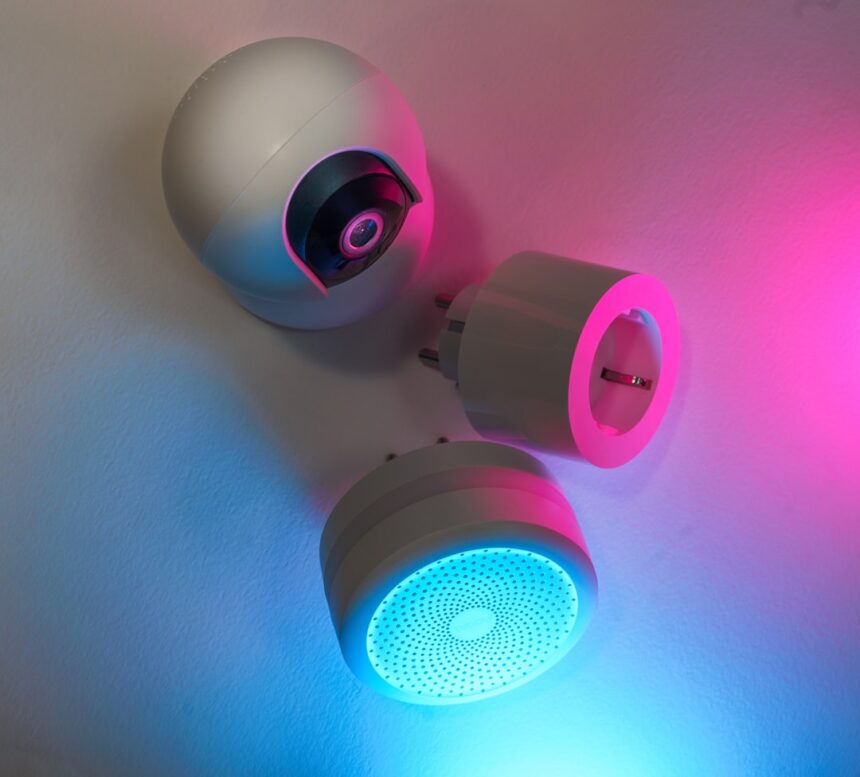
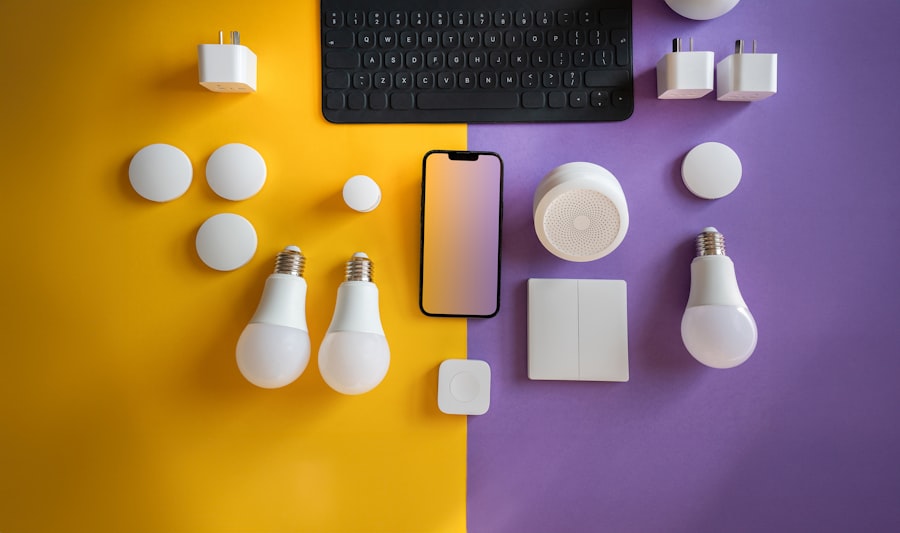
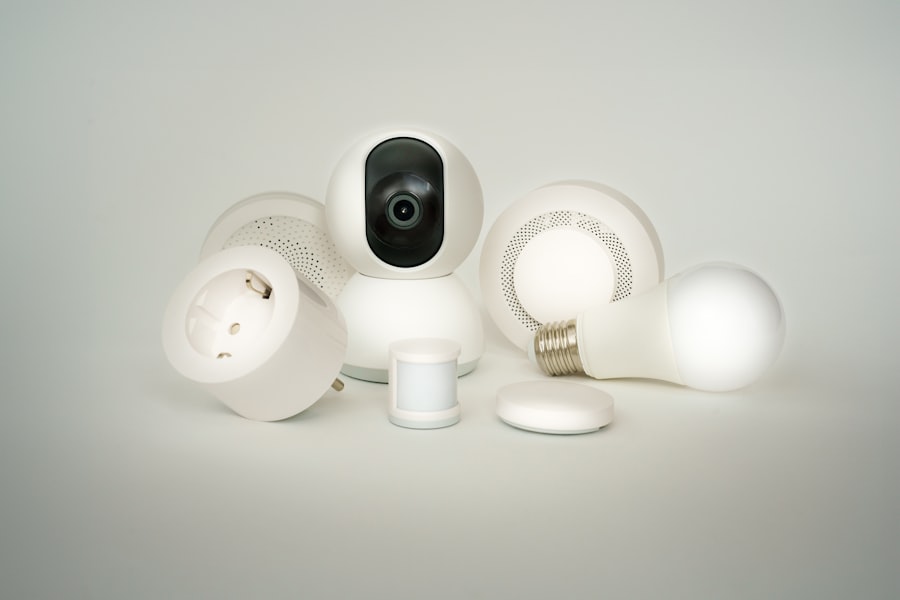
It wasn’t an overnight transformation. My foray into smart home technology began with a single smart speaker, a gift I initially viewed as a novelty. But its ability to control my lights with a voice command proved surprisingly practical. From there, it was a gradual, almost insidious, expansion. I added smart plugs to manage appliances that weren’t inherently “smart,” then moved on to security cameras, motion sensors, and door/window contacts. The goal wasn’t to create a fortress in the literal sense, but rather a more responsive and secure living space. I envisioned a home that could anticipate my needs, offer greater convenience, and, crucially, provide an added layer of safety.
The Initial Investment: Beyond the Gadgets
The initial outlay was, admittedly, a consideration. While individual devices are becoming more affordable, outfitting an entire home can add up. However, I viewed it as a long-term investment in both comfort and security. The research phase was also critical. I spent hours reading reviews, comparing features, and ensuring compatibility between different brands. This painstaking attention to detail, I now realize, proved invaluable when it came to the system’s overall reliability. I opted for a mix of established brands and newer, reputable manufacturers, aiming for a balance of proven performance and innovative features.
Choosing the Right Ecosystem
The decision of which smart home ecosystem to invest in was paramount. I debated between different popular platforms, considering factors like ease of use, third-party device integration, and ongoing software support. Ultimately, I settled on a primary hub that offered broad compatibility and a robust app interface. This allowed me to control everything from a single point, creating a cohesive and manageable system. It was important to me that the system wasn’t overly complex, as I wanted to be able to troubleshoot issues myself without needing constant expert intervention.
Prioritizing Security Features
When selecting security devices – cameras, sensors, smart locks – I placed a heavy emphasis on their security specifications. This included encryption protocols, secure cloud storage options, and multi-factor authentication for accessing the system remotely. I wanted to ensure that the very technology designed to protect my home wouldn’t inadvertently become a vulnerability itself. The thought of an unsecured camera feed or a compromised smart lock was, and remains, a significant concern.
The Night of Intrusion: A Symphony of Alerts
The chime of the front door sensor was the first note in a sudden, discordant symphony. Within seconds, the motion sensor in my hallway triggered, its infrared eyes detecting movement where there should have been none. Then came the ping from my bedroom, indicating a disturbance in that zone as well. My phone, resting on my nightstand, buzzed insistently, each notification a sharp jab, pulling me from a deep sleep into a state of heightened alert. My heart hammered against my ribs, a primal drumbeat against the technological cacophony.
Immediate Response Protocols
My smart home’s programming kicked in immediately. The entryway lights, which I had set to a bright, disorienting level upon activation of the front door sensor, flickered on, casting harsh shadows across my living room. Simultaneously, the smart speaker in the kitchen began emitting a pre-recorded, loud alarm sound. It wasn’t a human voice, but a piercing siren designed to startle and deter. This was the automation I had built, a sequence of actions designed to respond to unauthorized entry without my direct input, at least in the initial moments.
Visual Confirmation and Evidence Gathering
The most crucial part of the immediate response, from my perspective, was the live feed from my front door camera. As I fumbled for my phone, shielding my eyes from the sudden brightness, I saw a figure, cloaked and with their face obscured, fumbling with the lock. The camera’s night vision was excellent, capturing clear details even in the darkened hallway. This visual confirmation was terrifying but also validating. My system wasn’t malfunctioning; it was doing exactly what it was designed to do. The footage was also being simultaneously uploaded to a secure cloud server, creating an immutable record of the attempt.
The System’s Countermeasures: More Than Just Alarms
While the alarms and lights served as an immediate deterrent, my smart home’s capabilities extended further. The system wasn’t just about making noise; it was about active denial and communication. I had configured it to actively notify me and, via a pre-approved service, the local authorities, though the latter was a premium feature I had only recently subscribed to. The intention was to create a layered defense, where each component played a specific role in thwarting a potential intrusion.
Smart Lock Engagement
As the intruder continued to attempt to force entry, the smart lock on my front door, surprisingly, remained steadfast. I had programmed it with a robust locking mechanism, and instead of yielding, it stayed firmly engaged. While a determined attacker might eventually overcome it, the added difficulty and the delayed entry played into the system’s favor. My heart sank as I saw the effort they were exerting, but a small part of me felt a grudging respect for the technology’s resilience.
Automated Communication and External Notification
The primary function of my smart home in this instance, beyond the localized alarms, was its ability to communicate. Within minutes of the initial alerts, I received a notification on my phone that a security breach was detected and that the authorities had been alerted. This automated communication bypasses the potential panic and delay that might occur if I were to attempt to make a call myself in such a stressful situation. The system’s seamless transfer of vital information was, in many ways, its most significant contribution to my safety that night.
In a fascinating twist of technology and security, a recent article highlights a smart home that successfully locked in a trespasser, showcasing the impressive capabilities of modern home automation systems. This incident not only emphasizes the importance of smart security features but also raises questions about privacy and the ethical implications of such technology. For more details on this intriguing story, you can read the full article here: Smart Home Locks In Trespasser.
The Aftermath: Assessing the Damage and the System
Once the immediate danger had passed – the intruder, it seemed, was deterred by the incessant alarms and the knowledge that their presence was being recorded – the true assessment began. The quiet returned, but it was a different kind of quiet, now tinged with the unsettling awareness of how close I had come to a violation. My focus shifted from the immediate threat to the functionality and resilience of the system that had stood between me and the intruder.
Evaluating System Performance
The system’s performance was, for the most part, exemplary. The sensors triggered within milliseconds of each other, creating a rapid and overwhelming sensory assault for the intruder. The cameras captured clear, usable footage, and the automated notifications were prompt and accurate. There was no lag, no dropped signals, just a consistent and effective response. It was a testament to the planning and configuration I had undertaken in the months leading up to this incident.
Identifying Potential Weaknesses
However, no system is entirely infallible. While the intrusion was foiled, I began to consider potential weaknesses. Could a more sophisticated attacker have bypassed the initial sensors? Was the smart lock’s resistance sufficient against a more persistent force? These were questions that led me to consider future upgrades and refinements to my smart home security. The experience, while distressing, also provided invaluable real-world testing data.
Reviewing Security Logs and Footage
The detailed security logs provided by my smart home system were a crucial part of my post-incident analysis. I was able to meticulously trace the sequence of events, noting the exact times of each sensor activation and the duration of the alarm. The video footage, while disturbing to watch, offered undeniable proof of the attempted intrusion and the effectiveness of the countermeasures. It also highlighted the specific points of entry that were targeted, allowing me to focus future security enhancements.
Lessons Learned: Vigilance and Evolution
The incident served as a stark reminder that technology, while powerful, is not a substitute for vigilance. My smart home acted as a formidable deterrent and an effective early warning system, but it also underscored the importance of my own awareness and preparedness. The experience has instilled in me a renewed appreciation for the capabilities of smart home technology, but also a deeper understanding of its limitations and the ongoing need for active security measures.
In a fascinating turn of events, a smart home system successfully locked in a trespasser, showcasing the impressive capabilities of modern technology in enhancing home security. This incident highlights the importance of integrating advanced security features into residential properties to protect against unauthorized access. For more insights on how smart home technology is transforming security measures, you can read a related article on the topic here.
The Human Element in Smart Security
While my smart home can automate responses and gather data, it cannot replicate the human element of intuition and judgment. In a critical situation like the one I faced, the ability to assess the threat and make nuanced decisions remains paramount. My system provided the information and triggered the alarms, but it was my decision to remain inside, secure my family, and await the arrival of law enforcement that ultimately ensured our safety. The technology is a tool, an incredibly useful one, but it is still guided by human intent and action.
Continuous System Updates and Maintenance
The rapid pace of technological advancement means that smart home systems are constantly evolving. Software updates are released regularly, introducing new features, patching vulnerabilities, and improving performance. Failing to implement these updates would be akin to leaving the doors of my digital fortress unlocked. I’ve become diligent about checking for and applying these updates promptly, ensuring that my system remains as secure and effective as possible. Regular hardware checks and maintenance are also now a part of my routine.
The Psychological Impact and the Peace of Mind
The psychological impact of the attempted intrusion is, of course, undeniable. The sense of violation, the feeling of unsafety within my own home, is something that takes time to overcome. However, the fact that my smart home system so effectively thwarted the attempt has, in the long run, provided a significant degree of peace of mind. Knowing that my home is equipped with such a robust and responsive security network allows me to sleep more soundly, even now. It’s a peace of mind earned, not given, through careful planning and consistent vigilance. This event transformed my smart home from a convenience into a silent guardian, a testament to the evolving landscape of personal security.
FAQs
What is the story of the smart home locking in a trespasser?
The story involves a smart home security system that detected a trespasser attempting to break into a home. The system immediately locked all the doors, preventing the trespasser from gaining entry.
How did the smart home security system detect the trespasser?
The smart home security system likely used a combination of sensors, cameras, and motion detectors to detect the trespasser’s presence and unauthorized attempt to enter the home.
What features of the smart home security system allowed it to lock out the trespasser?
The smart home security system likely had the capability to remotely lock all the doors in the home, either through a mobile app or a centralized control panel. This feature allowed the system to respond quickly to the detected trespasser.
Was the trespasser apprehended by authorities after being locked out by the smart home security system?
It is not specified in the article whether the trespasser was apprehended by authorities after being locked out by the smart home security system.
What are the benefits of using a smart home security system to protect against trespassers?
Using a smart home security system can provide peace of mind and enhanced protection against trespassers by offering real-time monitoring, remote access and control, and automated responses to potential security threats.