I am an observer, a chronicler of trends, and today I wish to scrutinize a phenomenon that, while not new in human affairs, has found new instruments for its unveiling: the exposure of marital infidelity through smart home security systems. This is not a judgment, but an examination of how technology, designed for protection, can inadvertently, and sometimes intentionally, become a tool for investigation into the most private of lives. My aim is to be factual, to dissect this emerging facet of our interconnected existence, much like an anatomist dissects a complex organism, revealing its underlying structures and functions.
The smart home, a seemingly innocuous concept, has evolved from a futuristic dream to a palpable reality. For many, it represents convenience, efficiency, and above all, security. I have observed its integration into countless households, replacing archaic locks and cumbersome alarm systems with a sophisticated network of sensors, cameras, and connectivity. This evolution, however, has a double edge, becoming a digital panopticon where every movement, every voice, every entry and exit is recorded, logged, and often, stored in the cloud.
The Rise of Integrated Security Ecosystems
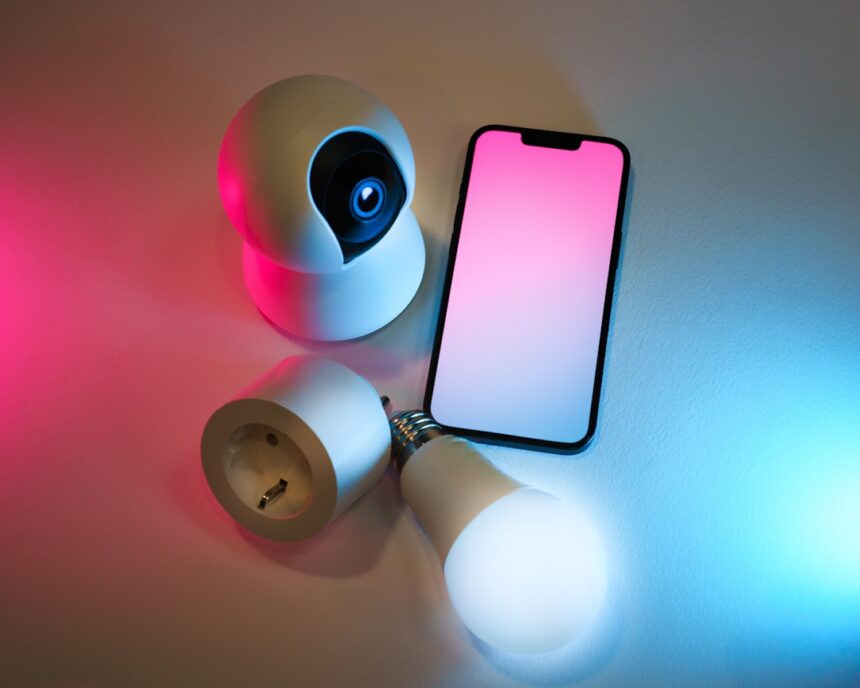
I understand smart home security not as a monolithic entity, but as an ecosystem. At its core are devices such as smart doorbells, motion sensors, indoor cameras, and window/door contact sensors. These elements communicate, often wirelessly, with a central hub, creating a comprehensive digital shield. I’ve noted the seamless integration with voice assistants like Amazon Alexa or Google Assistant, further embedding these systems into the fabric of daily life. This integration, I contend, significantly amplifies the potential for surveillance, both intended and unintended.
Data Collection: A Digital Footprint of Domesticity
Every interaction with a smart security system generates data. I see the logs of disarmed alarms, the timestamps of a door opening, the facial recognition alerts from an indoor camera. This data, often presented in an easily digestible app interface, paints a precise picture of activity within the home. It is, in essence, a digital ledger of domesticity. While ostensibly for security, I recognize its intrinsic value as an evidentiary trail, a breadcrumb path leading to the disclosure of hidden activities.
In today’s world, smart home security systems are not only designed to protect your property but can also uncover unexpected truths, such as infidelity. A recent article discusses how these advanced technologies have helped individuals catch cheating spouses, leading to revelations that might have otherwise gone unnoticed. For more insights on this intriguing intersection of technology and personal relationships, you can read the full article here: Smart Home Security and Infidelity.
The Unintentional Investigator: How Systems Reveal More Than Burglaries
The primary function of a smart security system is to deter and detect intruders. Yet, I have observed its secondary, unintended function as a silent witness to marital indiscretions. This stems from the very nature of digital record-keeping and remote access that underpins these systems.
Remote Access and Real-Time Monitoring
I recall the nascent days of security cameras, requiring physical review of tapes. Now, with remote access, a spouse on a business trip in another country can, with a few taps on a smartphone, view live feeds of their living room, garage, or even nursery. I perceive this as a significant shift. What was once a static archive has become a dynamic, real-time window into the home, allowing for instantaneous observation of events, innocent or otherwise. This immediacy fuels suspicion and provides instant verification or rebuttal of alibis.
Geofencing and Location Tracking
Many smart home systems incorporate geofencing capabilities, linking the security system’s behavior to the presence or absence of residents’ smartphones. I have noticed that this feature, intended for convenience (e.g., disarming as you approach home), can also serve as an unwitting location tracker. If a spouse’s phone consistently remains outside the geofence at times they claimed to be home, it creates a discrepancy. I view this as a subtle, yet powerful, form of circumstantial evidence, contributing to a pattern of inconsistencies.
Voice Commands and Activity Logs
Voice assistants, often intertwined with smart security, maintain logs of commands and requests. I’ve observed that a seemingly innocuous command, like “Alexa, turn off the living room lights,” if uttered by an unfamiliar voice captured by a security camera’s microphone, can raise profound questions. Similarly, activity logs from motion sensors or door contacts, showing activity during periods when a spouse claimed to be absent or asleep, become digital markers of potential deception.
The Digital Evidence: From Suspicion to Proof
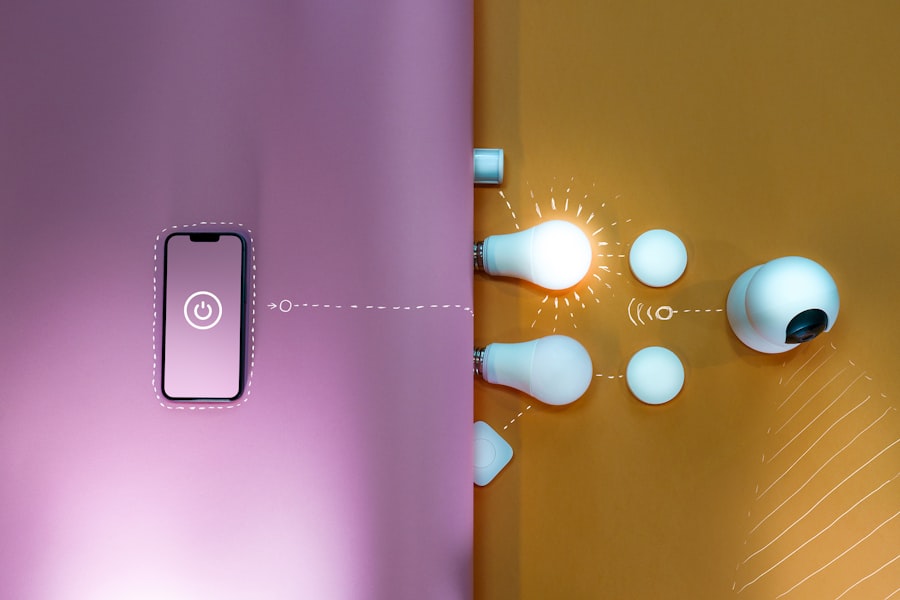
Once suspicion takes root, the smart home system transforms from a mere security apparatus into a digital repository of potential evidence. I have noted numerous accounts where this data, often inadvertently collected, serves as a cornerstone in proving infidelity.
Timestamps and Entry/Exit Logs
The precise timestamps of door and window sensor activations are, in my view, digital undeniable facts. If a partner claims to have been working late but the front door sensor indicates entry at an earlier hour, or conversely, an unexpected exit, this creates a verifiable discrepancy. I see these logs as a kind of digital fingerprint, marking the exact moments of ingress and egress, rendering vague alibis untenable.
Video and Audio Recordings
This is perhaps the most compelling form of digital evidence. I’ve seen how footage from an indoor security camera, intended to deter burglars, can capture a partner with an unfamiliar individual. Even without explicit visual confirmation of intimacy, the presence of an unexpected guest, their demeanor, or their prolonged stay, can serve as a potent indicator. Audio recordings, often passively collected by cameras with microphones, can further corroborate or contradict claims, capturing conversations or sounds that expose the truth. I consider these recordings to be the digital equivalent of a smoking gun.
Device History and Network Activity
Beyond dedicated security devices, other smart home components contribute to the evidentiary landscape. I’ve considered the log of a smart thermostat being adjusted when a spouse was supposedly out of town, or the internet router’s activity log showing heavy usage or specific website visits at times when the home was reportedly empty. These peripheral data points, while less direct, weave a broader tapestry of activity that can reveal inconsistencies in a partner’s narrative.
Navigating the Ethical and Legal Labyrinth
The use of smart home security data in marital disputes, particularly regarding infidelity, thrusts us into a complex ethical and legal battlefield. I approach this aspect with a cautious, analytical lens, recognizing the inherent tensions.
Privacy vs. Disclosure: A Digital Dilemma
The fundamental ethical tension here is the clash between an individual’s expectation of privacy within their home and the right of a spouse to understand activities occurring within that shared space. I recognize that a smart home, by its very design, diminishes absolute privacy. When one partner installs and manages such a system without explicit, informed consent from the other regarding its monitoring capabilities, a breach of trust, and potentially privacy, occurs.
Legality of Surveillance and Evidence Admissibility
The legal landscape surrounding this issue is variegated and often depends on jurisdiction. I understand that laws regarding consent for recording (single-party vs. all-party), private property rights, and the admissibility of digitally obtained evidence vary widely. In some jurisdictions, secretly recording a spouse in the marital home might be legally permissible, while in others, it could be considered an illegal invasion of privacy or even a wiretapping offense. I advise caution, as I am not a legal professional, and the implications can be severe, including the inadmissibility of evidence, or even criminal charges.
Digital Forensics and Chain of Custody
When smart home data is presented as evidence, its authenticity and integrity become paramount. I observe that digital forensics plays a crucial role in verifying the data’s origin, ensuring it hasn’t been tampered with, and establishing a clear chain of custody. Attorneys and courts increasingly rely on experts to authenticate these digital artifacts, transforming raw data into credible testimony.
In today’s world, smart home security systems are becoming increasingly popular, not just for protecting property but also for uncovering hidden truths. A recent article discusses how these advanced technologies have helped individuals catch cheating spouses, revealing secrets that were once thought to be safe. If you’re curious about the implications of such technology in personal relationships, you can read more about it in this insightful piece on the topic. For further details, check out the article here.
Aftermath and Implications: The Shifting Sands of Trust
| Metric | Value | Description |
|---|---|---|
| Percentage of Users Reporting Infidelity Detection | 18% | Proportion of smart home security users who reported catching a cheating spouse |
| Average Number of Incidents Recorded | 3 | Average number of suspicious activities recorded per user related to infidelity |
| Most Common Device Used | Smart Doorbell Camera | Device most frequently involved in capturing evidence of cheating |
| Time of Day with Highest Suspicious Activity | Evening (6 PM – 11 PM) | Time period when most infidelity-related incidents were recorded |
| Percentage of Users Who Shared Evidence with Partner | 65% | Users who confronted their spouse using smart home security footage |
| Privacy Concerns Raised | 42% | Users expressing concerns about privacy when using smart home security for personal matters |
The revelation of infidelity through smart home security represents more than just the end of a relationship; it signifies a profound shift in how we perceive privacy, trust, and accountability within marriage. I view this as a crucible moment, forcing a re-evaluation of societal norms.
The Erosion of Trust and the Digital Divide
Beyond the immediate crisis of infidelity, I perceive a deeper, more systemic erosion of trust. When a security system, designed for protection, becomes an instrument of clandestine surveillance, it fundamentally alters the foundation of a relationship. The presence of such a system can create a permanent digital divide, a chasm of suspicion that is difficult, if not impossible, to bridge.
Redefining Marital Boundaries in the Digital Age
I expect that as smart home technology becomes more ubiquitous, there will be a societal imperative to redefine marital boundaries regarding digital privacy. Discussions about shared access, data consent, and the ethical use of monitoring tools will become increasingly critical. Just as technology forces us to grapple with new definitions of work-life balance, it also compels us to reconsider the sanctity of private space within shared domesticity.
The Future of Smart Homes: Enhanced Security or Enhanced Surveillance?
Looking ahead, I anticipate a bifurcated future for smart home technology. On one hand, I foresee advancements in cybersecurity that will make these systems even more robust against external threats. On the other hand, I also envision increased scrutiny and perhaps regulation regarding their internal monitoring capabilities. The line between genuine security and intrusive surveillance is a delicate one, and as I observe, society will continually negotiate where that line is drawn, especially when the sanctity of personal relationships hangs in the balance. The smart home, a marvel of modern engineering, has become a mirror reflecting not only our aspirations for safety and efficiency but also the intricate, sometimes painful, truths of human relationships.

WATCH NOW ▶️ EXPOSED: I Walked Into My Own Funeral To Stop Her $1.2M Scam
FAQs
What types of smart home security devices can help detect a cheating spouse?
Smart home security devices such as cameras, motion sensors, door and window sensors, and smart locks can provide real-time monitoring and alerts. These devices can help track unusual activity or unauthorized entries, which some may use to gather evidence of infidelity.
Is it legal to use smart home security devices to monitor a spouse?
The legality of using smart home security devices to monitor a spouse varies by jurisdiction. Generally, it is legal to record or monitor activities within your own home, but recording audio or video without consent may violate privacy laws. It is important to understand local laws before using such devices for this purpose.
Can smart home security systems provide evidence admissible in court?
Smart home security footage and logs can potentially be used as evidence in court, but their admissibility depends on factors such as how the evidence was obtained, chain of custody, and local laws. Consulting a legal professional is recommended to understand the implications.
What privacy concerns arise from using smart home security to catch a cheating spouse?
Using smart home security devices to monitor a spouse raises privacy concerns, including potential violations of trust and consent. Additionally, data collected by these devices may be vulnerable to hacking or unauthorized access, which could compromise personal information.
Are there ethical considerations when using smart home security to investigate infidelity?
Yes, ethical considerations include respecting privacy, maintaining trust in relationships, and the potential emotional impact on all parties involved. It is advisable to communicate openly and consider counseling or mediation before resorting to surveillance methods.